


Trump Delays Iran Strike As Markets React To Talks
US Continues Iran Strikes Despite Energy Site Pause
Netanyahu Call Preceded Strike That Killed Khamenei
Ukraine Says Russia Intelligence Aids Iran War
Israel Turned Iran’s Camera Network Into A Targeting Tool
Meloni Vows To Stay After Referendum Defeat
Kim Declares Nuclear Status Irreversible
EU Seeks Answers Over Hungary Russia Leak Claim
Ukraine Hits Russian Oil Port Near Finland
US Pays TotalEnergies $1 billion To Quit Offshore Wind

Financial markets rallied after President Donald Trump said the United States had held “productive conversations” with Iran about ending the war, even as Iranian officials denied negotiations were underway. Brent crude fell 10.9 percent to $99.94 after nearing $120 last week, while the S&P 500 rose 1.1 percent for its strongest session since the conflict began. European markets also reversed earlier losses.
Trump postponed planned strikes on Iranian power plants for five days to allow discussions to continue after earlier threatening action if Iran did not reopen the Strait of Hormuz. Officials described contacts as early and not substantive, while Iran’s parliament speaker dismissed the claims as market manipulation. Turkey and Egypt said they had spoken to both sides as mediation efforts emerged.
Markets remained volatile, reflecting uncertainty over whether disruption to global energy supplies could sustain inflation risks and delay interest-rate cuts.
Sources: Associated Press, New York Times

The United States will continue strikes on Iranian military and defence targets despite pausing planned attacks on energy infrastructure for five days after President Donald Trump described “productive conversations” with Iranian officials. Iran denied negotiations were underway, while officials said the pause applied only to energy sites including power plants.
Israeli forces launched another wave of strikes across Tehran shortly after the announcement, targeting military bases, intelligence sites and missile production facilities. The Israeli military said it would continue operations according to government directives and pursue remaining ballistic missile launchers, about 330 of an estimated 470 already destroyed or rendered inoperable since the war began.
Markets and diplomacy reacted to signals of possible talks, but military operations continued across multiple fronts, underscoring how early contacts have not altered the underlying trajectory of escalation.
Sources: Reuters, The Guardian

Less than 48 hours before the United States and Israel launched strikes on Iran, Prime Minister Benjamin Netanyahu urged President Donald Trump to act on intelligence showing Supreme Leader Ayatollah Ali Khamenei and senior lieutenants would soon meet at a compound in Tehran, creating a rare opportunity for a decapitation strike. New intelligence indicated the meeting had been moved forward, narrowing the window for action.
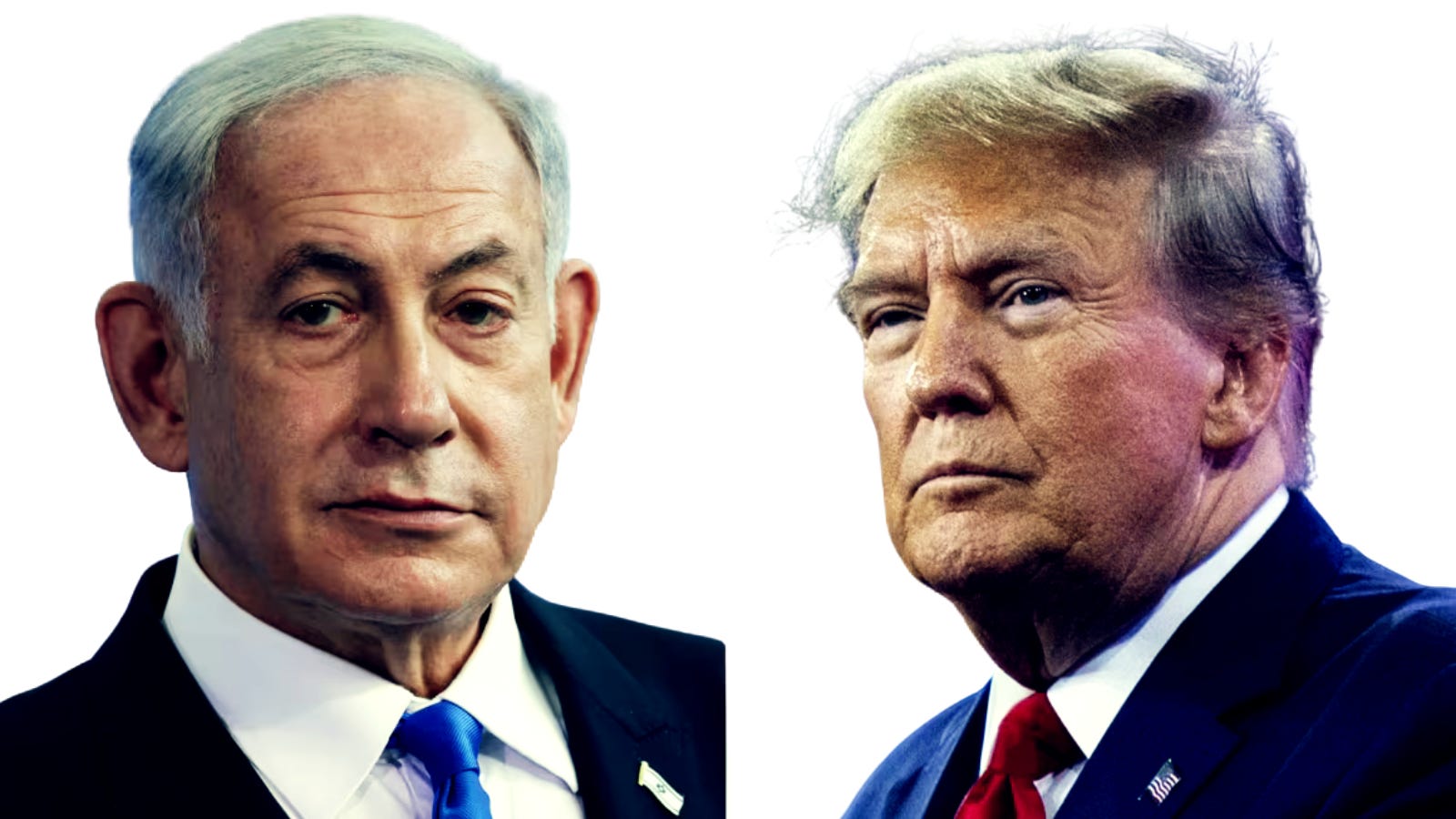
Trump had already approved the idea of a military operation against Iran but had not decided when the United States would become involved. Sources said the call, combined with intelligence about the closing window to target Iran’s leadership, helped drive his decision on February 27 to proceed with Operation Epic Fury. The first bombs struck on February 28, and Trump later announced Khamenei was dead.
The strikes triggered Iranian counter-attacks on United States military assets, attacks on Gulf allies and a spike in oil prices.
Sources: South China Morning Post, Times of India

Ukraine said it has “irrefutable” evidence that Russia continues to provide intelligence to Iran, using its own signals and electronic intelligence capabilities as well as some data obtained through cooperation with partners in the Middle East. President Volodymyr Zelenskiy said the activity was destructive and would only lead to further destabilisation.
He said the support was helping the Iranian regime survive and strike more accurately, effectively prolonging the war. Zelenskiy added that markets were already reacting negatively and that the situation was significantly complicating fuel supplies in many countries.
The accusation adds a new layer to growing scrutiny of ties between Moscow and Tehran during the fourth week of the war. The Kremlin last week dismissed a report that Russia was sharing satellite imagery and improved drone technology with Iran as “fake news”.
Sources: Kyiv Independent, Reuters

Israel used Tehran’s own street cameras to help track Ayatollah Ali Khamenei during the operation that killed him, according to people with knowledge of the mission. The episode showed how surveillance systems built for domestic control can be exploited in war, particularly when cameras are connected to the internet and poorly secured.

Iran had installed tens of thousands of cameras in Tehran in response to repeated protests, even though the system had been hacked repeatedly since 2021 and officials had publicly warned that the network was compromised. One person briefed on the operation said hacked traffic camera data had for years been transferred to servers in Israel.
Algorithms then helped provide information including addresses, routes to work and security details, while at least one camera gave visibility near Iran’s leadership compound. The attack had been planned for months but was expedited once it was determined that Khamenei and top officials would be at the compound that morning.
Sources: PBS, South China Morning Post

Giorgia Meloni conceded defeat after Italian voters rejected her justice reform referendum, but said she would remain in office and continue governing. With almost all votes counted, the “No” camp had about 54 percent against just over 46 percent for “Yes”, with turnout at nearly 59 percent, a relatively high level for a referendum.
The reform would have separated the roles of judges and prosecutors and reshaped their oversight system, including splitting the Superior Council of the Judiciary into two bodies and creating a new 15-member disciplinary court. Meloni said the result was “a lost opportunity to modernise Italy”, while critics argued the plan threatened judicial independence and failed to address deeper problems such as long trials, case backlogs and prison overcrowding.
The result is the first clear setback for a government that has been unusually stable since 2022, a year before Italy’s next parliamentary election.
Sources: Le Monde, Al Jazeera

Kim Jong Un said North Korea’s status as a nuclear-armed state was irreversible and that Pyongyang would further expand its “self-defensive nuclear deterrent”, rejecting any trade of disarmament for economic benefits or security guarantees. In a speech to parliament, he said nuclear weapons had deterred war and allowed the state to focus resources on economic growth and living standards.
Kim also designated South Korea “the most hostile state” and warned that any act infringing North Korea’s sovereignty would be met “mercilessly without hesitation or restraint”. Alongside the security message, parliament passed legislation endorsing a new five-year economic plan and approved a 2026 budget allocating 15.8 percent of total spending to defence, with funding for expanded nuclear deterrence and war-fighting capabilities.
The speech signalled a harder line towards Seoul while reinforcing Pyongyang’s view that nuclear capability remains central to regime security and state development.
Sources: Reuters, RFI

European Union officials demanded clarifications from Hungary after reports that Foreign Minister Peter Szijjarto had passed confidential details from closed-door EU meetings to Russia. The European Commission said a relationship of trust between member states and EU institutions was fundamental, while Germany called the allegations very serious.
Prime Minister Viktor Orban ordered an investigation into what he described as the “wiretapping” of his foreign minister. Szijjarto dismissed the accusations as fake news.
The allegations come as Orban faces a tight election campaign and continues to block or delay a proposed €90 billion EU loan for Ukraine, demanding the restart of oil deliveries through the Druzhba pipeline. Poland’s Prime Minister Donald Tusk said the report should not surprise anyone and that there had long been suspicions. The episode has sharpened concern inside the bloc about trust, confidentiality and Hungary’s ties to Moscow at a sensitive moment for support to Ukraine.
Sources: DW, The Guardian

Ukraine said it had struck fuel and energy infrastructure at Primorsk, a major Russian oil port on the Gulf of Finland, hitting both the tank farm and oil-loading facilities. Satellite images showed flames and thick black smoke over the site, while regional officials said a damaged fuel tank caused a fire. Primorsk suspended tanker loadings after the overnight drone attack.
The port exports well over 1 million barrels of crude oil and diesel a day, and Ukraine said it handles about 60 million tonnes of oil a year. Kyiv also reported a hit on an oil refinery in Ufa as Russia launched hundreds of drones at Ukraine overnight.
The exchange underlines how attacks on energy infrastructure are becoming a more direct feature of the war, with the latest strikes feeding into global oil markets that are already under significant stress as a result of the Iran War and the restriction of normal oil exports via the Strait of Hormuz.
Sources: France 24, Bloomberg

The Trump administration will pay TotalEnergies nearly $1 billion to abandon plans for two offshore wind projects off New York and North Carolina. Under the deal, the company will forfeit the leases and then be reimbursed up to the amount it paid for them.
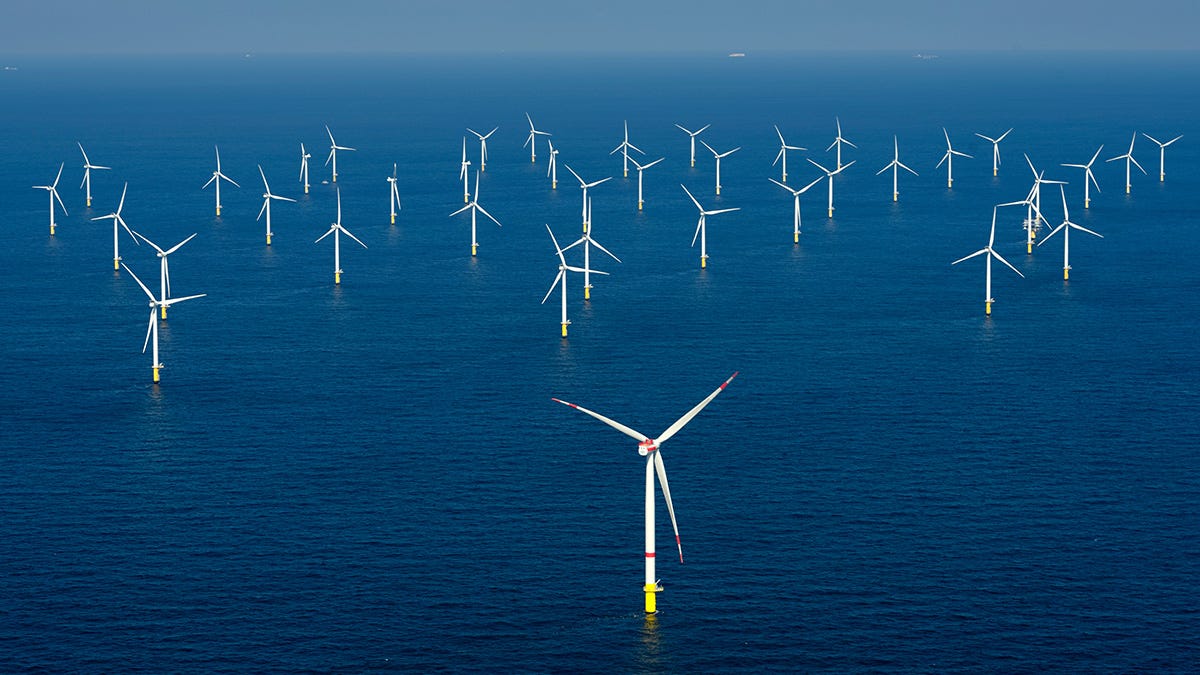
In exchange, the French energy group will invest the money in oil and gas projects in the United States, including a liquefied natural gas facility in Texas. The administration presented the agreement as support for dependable and affordable power, while critics called it an abuse of taxpayer money to block clean energy.
The decision follows failed attempts to halt other offshore wind construction through stop-work orders that federal judges overturned. One targeted project in Virginia began delivering power to the grid on Monday, underscoring the administration’s shift from court battles to financial pressure.
Sources: Associated Press, New York Times
On this day …
On this day in 1944, Allied prisoners of war began a mass breakout from Stalag Luft III, a German camp designed to be escape-proof.
Over several months, prisoners had constructed three tunnels using improvised tools and meticulous planning.
Seventy-six men escaped before the operation was discovered, though most were recaptured and fifty were executed on Hitler’s orders.
The escape became a defining episode of wartime resistance and highlighted both the ingenuity of prisoners and the severity of reprisals.
It also influenced future treatment of POWs under international scrutiny.
How far can acts of resistance reshape the rules of war?
Not only did the breakout from Stalag Luft III inspire the resistance, it inspired Hollywood to create the 1963 film "The Great Escape", which continues to win awards (eve as recently as 2021).
How far does resistance go to reshape wars? I don't know. But acts of unimaginable courage, bravery and the drive to live seems to stoke undeniable human compassion and support.
What? - $1 billion to France Trump pays to stop wind energy in N.Carolina then demands they invest in ⛽ Texas?