


The Pressure Breaks as Middle East Tension Turns Kinetic
For months geopolitical pressure across the globe has been steadily rising - this week the Middle East was where it fractured.
Escalating rhetoric, proxy clashes and a military buildup suggested the region was drifting toward confrontation. This week that pressure finally broke into open conflict, as United States and Israeli strikes on Iran triggered a widening cycle of retaliation and counter-attack across the region.
Notably, the war began not as a response to a specific Iranian attack but with a deliberate decision in Washington to launch a campaign aimed at decapitating leadership, degrading Iranian capabilities and reshaping the strategic balance with Tehran. As the week unfolded, the conflict’s rationale and messaging shifted, while new actors and theatres became entangled in its wake.
What initially appeared as a limited military operation now looks increasingly like the opening phase of a broader regional crisis - one whose consequences are already reaching far beyond the battlefield.

The opening phase of the conflict quickly revealed an opportunistic campaign whose decision making appears suboptimal, where planning has been haphazard and whose political framing was still evolving even as military operations expanded over the course of the week.
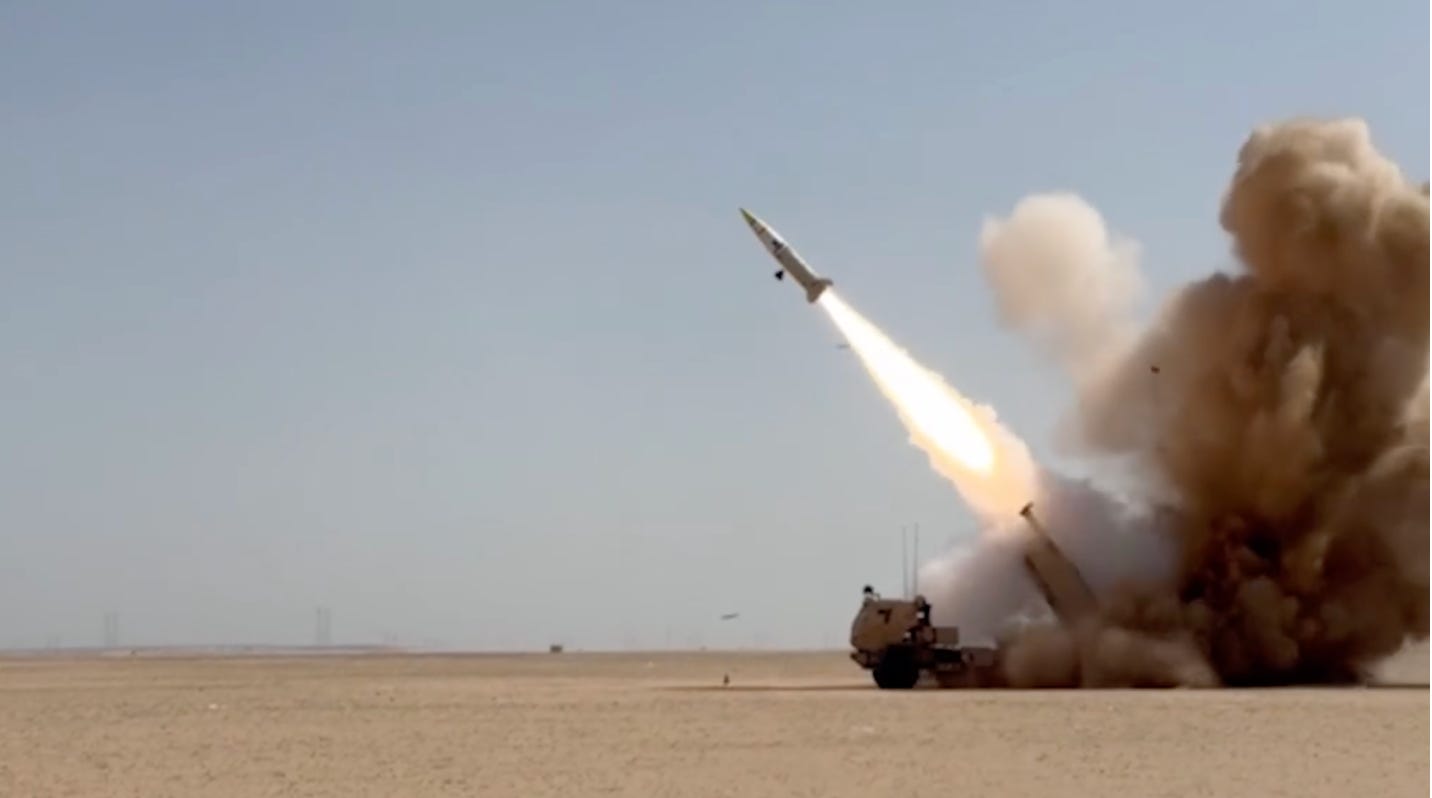
Initial strikes were presented as a targeted effort to degrade Iranian capabilities. Yet as the week progressed, the stated objectives appeared to broaden and indeed to change. Discussion shifted from military deterrence toward weakening Iran’s leadership and potentially reshaping the country’s political future.
At the same time, the operational footprint of the conflict widened. Retaliatory strikes and proxy involvement drew in additional actors across the region. Kurdish forces were discussed as potential partners in containing Iranian influence and diverting Iranian military resources, while neighbouring states became increasingly exposed to spillover risks.
The result is a conflict that looks less like a tightly bounded military operation and more like a chaotic intervention whose strategic end state remains uncertain. The widening scope of involvement suggests that even if the original strikes were limited in intent, the political dynamics now surrounding the war may prove harder to contain.

The week also exposed the complex realities of alliance politics once conflict moves from posturing to execution.
Many Western governments have expressed support for containing Iranian escalation while stopping short of direct participation in offensive operations. Defensive cooperation, intelligence sharing and logistical assistance have continued, but several governments have been cautious about deeper military involvement and have been scolded for their lack of enthusiastic support.
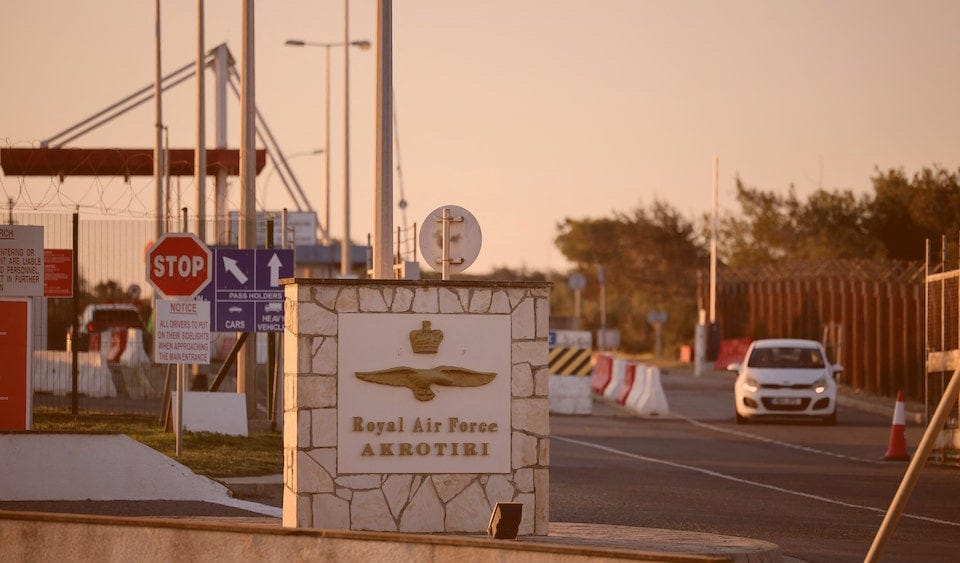
That caution reflects both domestic political constraints and geographical exposure. Countries hosting military facilities have had to balance alliance commitments with concerns about becoming direct targets. Others have faced internal debate about how closely they should align themselves with the escalation.
The pattern suggests that while Western alignment remains intact at the strategic level, the practical application of that alignment is uneven. Different governments are calibrating their level of participation according to national political pressures, security exposure and economic risk.

The conflict has also demonstrated how quickly geopolitical crises can spread into the global economic system.
Tensions around the Strait of Hormuz immediately raised concerns about shipping security and energy supply. Governments responded by examining measures to protect tanker traffic and stabilise oil markets, while insurers and traders began adjusting risk calculations.

At the same time, energy and financial policy began to take on a strategic dimension. China explored measures affecting fuel exports, while other governments explored shipping access and financial assets linked to Iran. Others sought ways to redirect supply flows or cushion domestic economies from price shocks.
Rather than emerging as secondary consequences of conflict, these economic responses have become active components of crisis management. In effect, the tools of global trade and finance are increasingly being used alongside military pressure as part of the broader strategic contest.

Despite the intensity of the Middle East crisis, other geopolitical developments have continued to unfold.
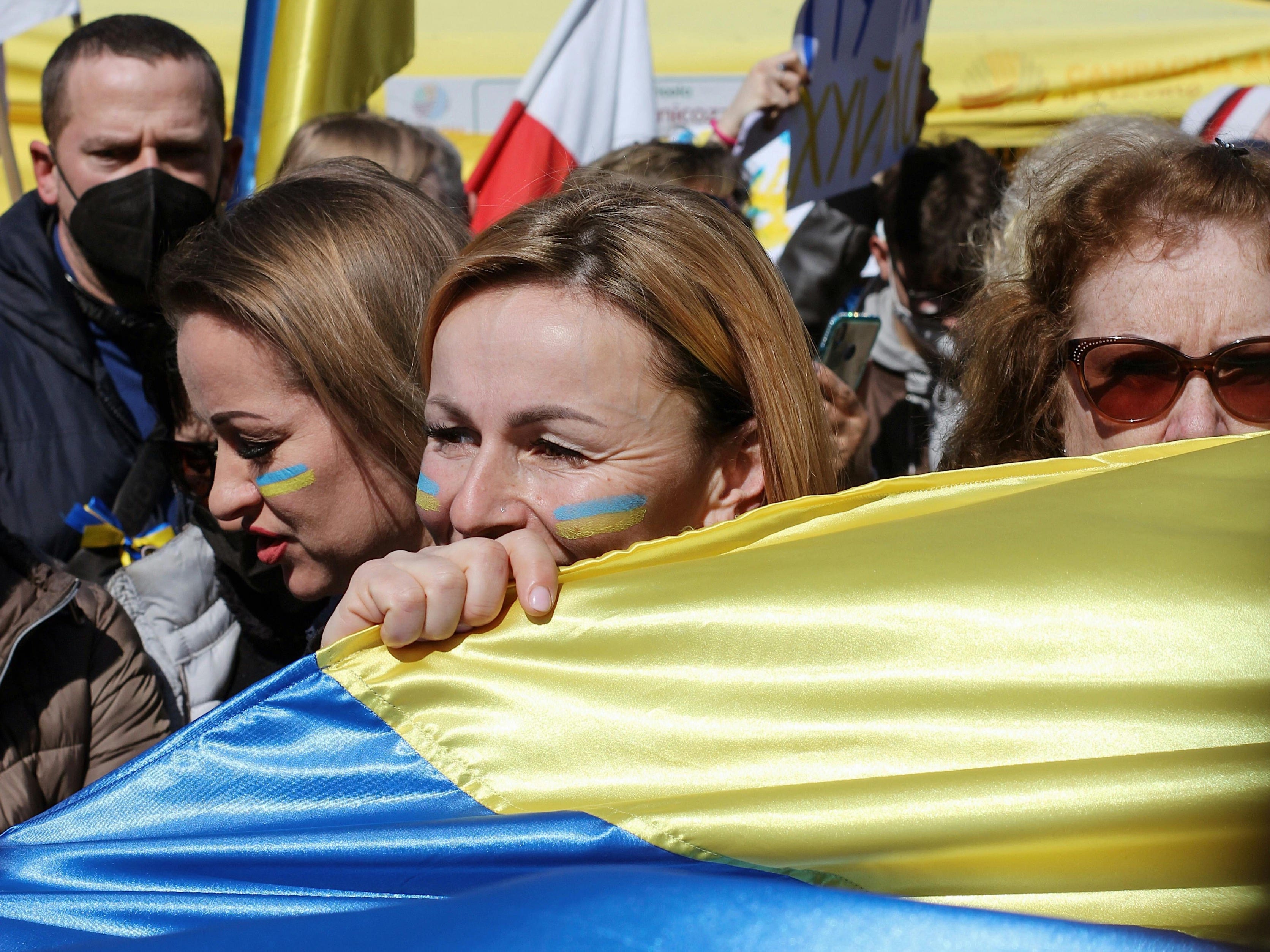
Negotiations and battlefield developments linked to the war in Ukraine remained active although talks look increasingly likely to be deferred, while trade tensions between major economies persisted. Regional security challenges in other parts of the world also continued to demand attention from governments and policymakers.
What has changed is the diplomatic environment in which these issues are now being managed. The emergence of a major Middle Eastern conflict inevitably draws political attention, military resources and diplomatic bandwidth.
As a result, other disputes are not disappearing but are increasingly being interpreted through the lens of the new crisis. Governments are recalculating priorities, alliances and economic relationships in response to a global landscape that has suddenly become more volatile.

If the past several months were defined by rising tension, this week marked the moment when that pressure finally translated into open conflict. The war between the United States, Israel and Iran now sits at the centre of the global geopolitical landscape.
Yet the week’s events also suggest that the consequences will extend far beyond the battlefield. Alliance relationships are being tested, economic tools are being deployed alongside military force, and other global disputes are already being refracted through the lens of the new crisis.
Many pundits have already weighed in and are postulating how this conflict will end but the truth is that the situation is very dynamic, unstable and complex - there are some potentially very troubling outcomes, like long term embedded regional disruption but the fact is we are only a week into this conflict and we really don’t know how it is going to play out.
Whether the conflict remains contained or evolves into a longer regional confrontation remains uncertain. What is already clear, however, is that the strategic environment has shifted - and both governments and the people they govern around the world are now adjusting to a more unstable geopolitical reality and a much less optimistic future.