


Democratic victories have altered Washington’s political balance, unsettled financial markets and complicated the Iran war. Elsewhere, Europe’s domestic tensions and vulnerabilities in critical infrastructure remain firmly in view.
This week brought a significant political change in Washington but little relief from the international problems confronting the United States and its allies.
Democrats resoundingly secured both houses of Congress in elections shaped by dissatisfaction with living costs and the Iran war. The result exposed Republican divisions, unsettled technology markets and raised questions about the administration’s remaining two years.
Meanwhile, Iran diplomacy continued without agreement, European governments faced further unrest and cyberattacks disrupted essential civilian systems.
The election has changed the political circumstances in which Washington must operate. It has not changed the underlying problems.

The Democrats’ capture of both congressional chambers represents a substantial change in Donald Trump’s political circumstances. From January, the administration faces greater legislative constraints, congressional investigations and increased scrutiny.
The Iran war has become central to the Republican response. Trump acknowledged its contribution to the defeat but defended his decision to launch it. Vice President JD Vance was more critical, while Ron DeSantis and Ted Cruz also questioned the party’s direction and handling of economic concerns.

These disagreements extend into the 2028 presidential contest. Vance remains the front-runner but Trump’s endorsement has not materialised.
Defence Secretary Pete Hegseth also faces growing scrutiny, including impeachment articles filed by Republican congressman Thomas Massie.
The result has produced both an emboldened Democratic Congress preparing to challenge the administration and a Republican Party beginning to debate its future beyond Trump.
Neither removes the president’s executive authority but both constrain his political choices.

The US election has added a political complication to the confrontation with Iran, just as diplomatic discussions have potentially become more specific.
Qatari mediation has produced proposals concerning the Strait of Hormuz and Iran’s nuclear programme. Tehran continues to demand sanctions relief, frozen assets and other concessions before reopening the waterway. Trump has retained the option of further military strikes, while Vance has supported mediation.
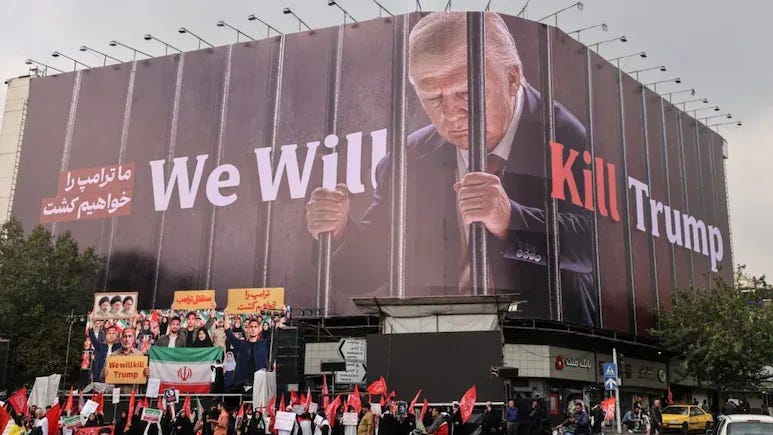
The regional picture remains difficult. Saudi Arabia faces intensifying Houthi attacks and an advance towards Aden, with limited allied support. Israel is struggling to form a government following an inconclusive election, while China has expanded its diplomatic engagement.
The conflict therefore extends well beyond Washington and Tehran. The election has changed the domestic political circumstances surrounding American decisions but fundamental disagreements over nuclear policy, sanctions and regional security remain unresolved.

The financial consequences of the election were particularly visible in technology markets.
The Nasdaq fell more than 5.5% on Thursday, wiping an estimated $2.5 trillion from its market value. Nvidia lost more than 9%, while sharp declines spread across Asian markets.
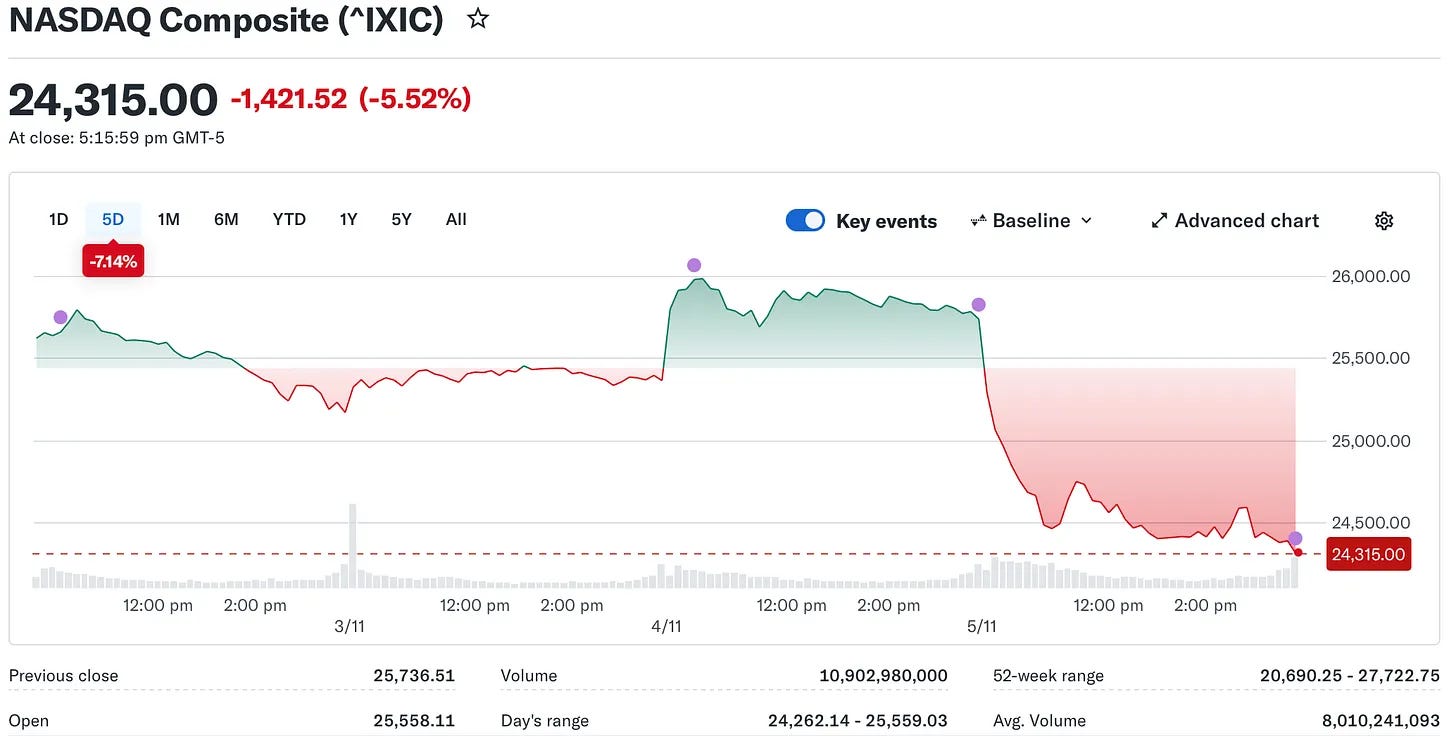
Investors were already questioning whether enormous expenditure on artificial intelligence infrastructure would produce anticipated returns. Democratic victories introduced another concern: potential restrictions on data centre development.
The election also demonstrated the limits of political spending. Elon Musk committed at least $474 million to Republican candidates without preventing their defeat. His businesses now face possible additional scrutiny.
The AI investment boom was already confronting questions about profitability and capital expenditure. The election has added political and regulatory uncertainty to those existing concerns. The scale of the market reaction is clear, although its longer-term implications remain uncertain.

Europe’s economic and political difficulties became more visible this week, particularly in France and Germany.
Hundreds of thousands demonstrated across France against living costs, wages and public service conditions. Germany also experienced substantial youth-led protests, with violence reported in several cities. Although separate movements, both reflect dissatisfaction with affordability and public services.
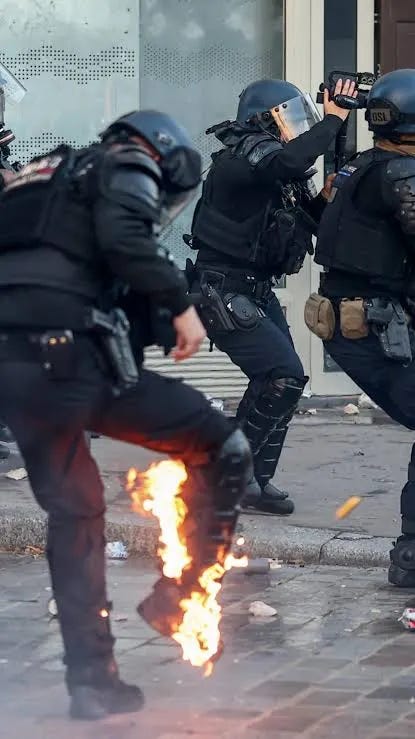
These domestic difficulties coincide with demanding external security commitments. NATO is developing plans for deep strikes into Russia if alliance territory is attacked, while European governments expand missile capabilities. Questions remain about whether political leaders would authorise such operations.
Poland’s constitutional confrontation adds another dimension to the continent’s political difficulties.
The connection is not direct causation. European governments are simultaneously confronting domestic discontent, difficult economic choices and substantial security demands.

A series of incidents demonstrated how disruption to relatively ordinary systems can have wider consequences.
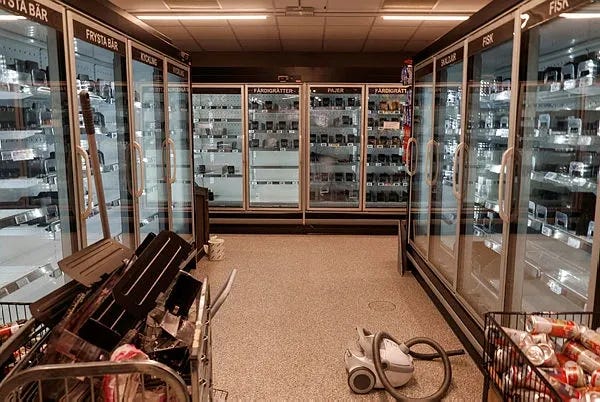
Cyberattacks on supermarket refrigeration equipment spread across Europe, causing food losses. Similar attacks reached French blood storage facilities, although staff prevented damage to supplies.
In Ukraine and Russia, compromised emergency applications issued false nuclear warnings. Separately, bomb hoaxes disrupted at least 34 European flights, forcing diversions and emergency landings.
The incidents have not been established as connected, and responsibility remains uncertain.
Britain’s National Cyber Security Centre also warned that AI-powered attacks on critical infrastructure are highly likely within two years, citing longstanding technological weaknesses.
The incidents differed considerably but each illustrated the vulnerability of essential services to disruption through compromised or manipulated systems.

The week’s defining development was the US election but its significance extends beyond Congress and beyond the United States itself.
The result has altered Washington’s political balance, exposed Republican divisions and introduced additional uncertainty into financial markets. It has also changed the domestic context surrounding decisions about Iran without settling the conflict.
Elsewhere, European protests and attacks on civilian infrastructure illustrated challenges that will continue irrespective of Washington’s political direction.
The broader picture is one of changing political circumstances rather than changing fundamentals. Governments still face difficult choices over security, economic costs and public expectations. This week’s events have made some of those choices a lot more complicated.