


The first full week of February was defined less by dramatic breakthroughs than by the steady ratcheting up of pressure across multiple fronts. Diplomatic engagement continued, but almost everywhere it was framed by coercion rather than actual confidence in achieving a meaningful outcome. Talks were scheduled or resumed, yet they went hand in hand with military build-ups, sanctions signalling and warnings of retaliation. At the same time, the guardrails that once reduced miscalculation, from arms control treaties to shared norms on emerging technologies, showed further signs of erosion.
Economic policy and industrial strategy added another layer. Governments advanced large-scale interventions in critical minerals and supply chains, while corporate consolidation efforts ran into political, pricing and regulatory limits. Meanwhile, a less noisy but still consequential set of stories pointed to institutional strain, from civil service protections to the capacity of media and digital platforms to absorb rising political pressure and a rapidly changing world.
Taken together, the week illustrated fragile continuity rather than outright escalation: a system adapting to tension rather than resolving it and thus far managing risk rather than reducing it.

Diplomatic activity this week shared a common feature across regions: engagement proceeded in parallel with explicit threats. The United States confirmed plans for talks with Iran in Oman, while also reinforcing military deployments in the region and restating that force remained an option if negotiations failed. Tehran, for its part, issued warnings about retaliation should it be attacked. The two parties enter the talks with diverging views and seemingly irreconcilable differences.
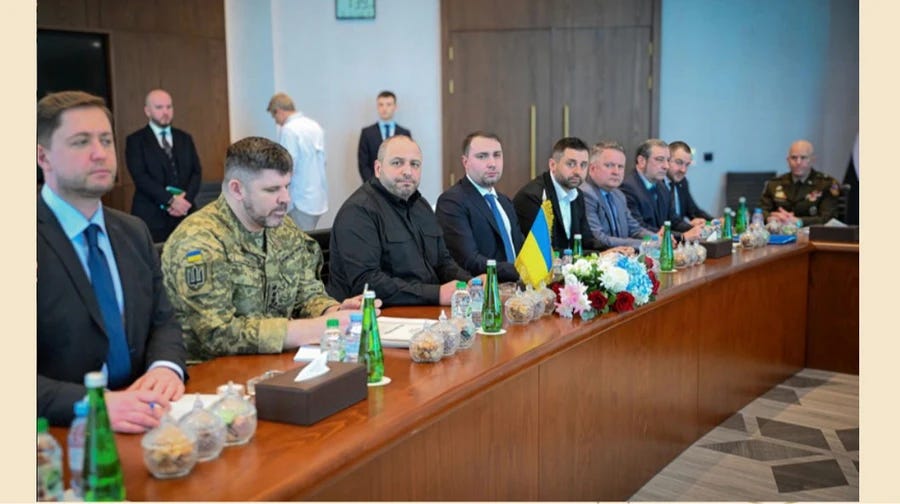
A similar dynamic was visible in the Ukraine war. US-mediated talks in Abu Dhabi produced only limited humanitarian outcomes, including a prisoner exchange, while fighting continued and energy infrastructure remained a target. Separately, Washington and Moscow agreed to restore military-to-military communication channels, not as a step toward settlement, but as a deconfliction measure aimed at avoiding future “accidents”.
In each case channels were kept open, but expectations were deliberately minimised, reflecting a broader shift away from resolution toward containment.

The week also highlighted the weakening of formal and informal constraints on great-power competition. The expiration of the New START treaty left the United States and Russia without legally binding limits on deployed strategic nuclear weapons. Officials on both sides described the lapse as undesirable, but no replacement framework emerged.
China’s position sharpened the sense of drift. Beijing again declined to participate in any nuclear arms-control arrangement, maintaining that its arsenal does not warrant inclusion alongside the much larger US and Russian stockpiles. The result is a strategic environment in which three nuclear powers are modernising forces with no shared constraints and little appetite for new ones.
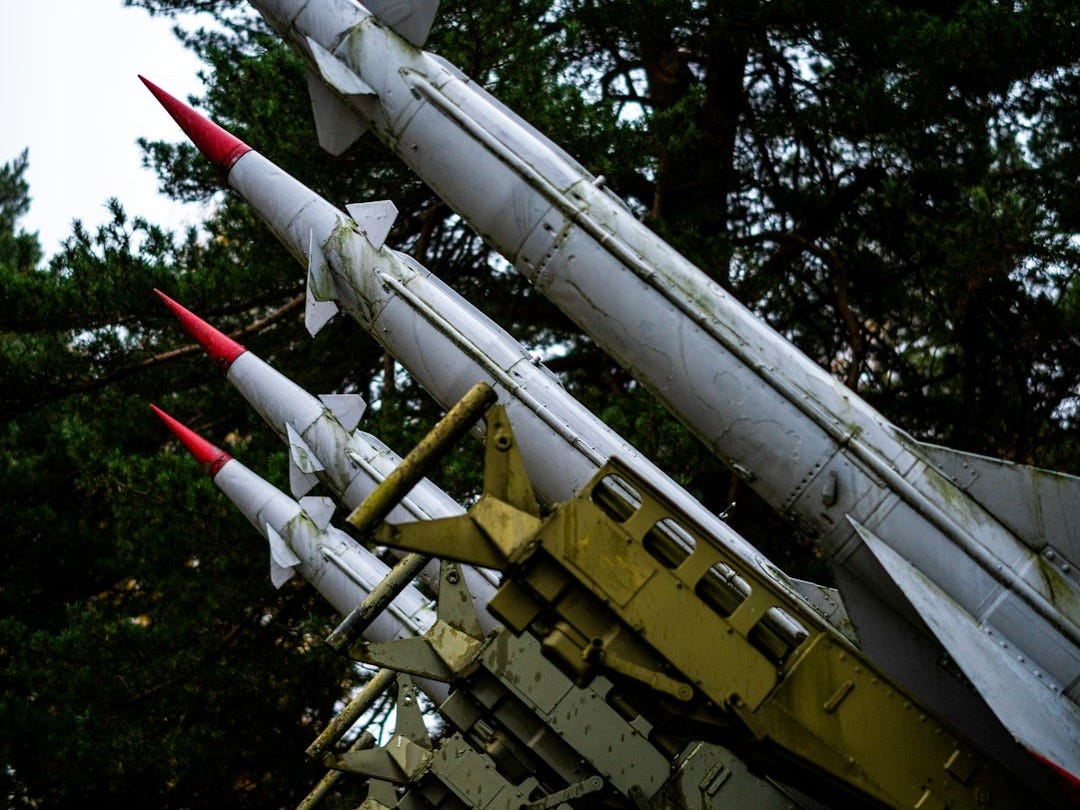
This erosion extended beyond nuclear weapons. Efforts to establish even non-binding principles on the military use of artificial intelligence failed to attract universal support, underscoring how governance lags behind technological competition. European security debates reflected similar concerns, with scenarios focused less on capability gaps than on hesitation, coordination failures, and political delay.

Industrial policy was one of the week’s more concrete arenas. The United States launched a large-scale initiative to build strategic stockpiles of critical minerals and moved to coordinate supply chains with partners, explicitly citing the need to reduce dependence on China’s dominance in processing and refining. These steps framed minerals not as a market issue, but as a national security asset.
At the corporate level, however, the limits of scale became visible. Merger talks between Rio Tinto and Glencore collapsed, despite expectations that consolidation could help meet surging demand for copper and other transition-critical metals. Valuation disputes, governance concerns, and regulatory scrutiny proved to be overwhelming, suggesting that state ambition does not automatically translate into corporate alignment.

Market reactions elsewhere reinforced the theme. In India, tariff-related policy moves drove a sharp equity rally, illustrating how quickly capital can reprice around government intervention. Across cases, the common thread was policy-driven momentum constrained by institutional and commercial realities.

A quieter but persistent set of stories pointed to institutional stress as a strategic factor. In the United States, changes weakening federal civil service protections and intensified rhetoric around election administration drew criticism from rights groups, raising questions about the resilience of administrative norms. Even Human Rights Watch cited the US as a serious offender in the attack against the key pillars of democracy.
In Europe, governments pushed more assertively on digital platforms and youth access. French authorities raided offices linked to X as part of an investigation, while Spain advanced proposals to restrict social media use for under-16s. These moves reflected growing willingness to use enforcement rather than guidance in the digital sphere.
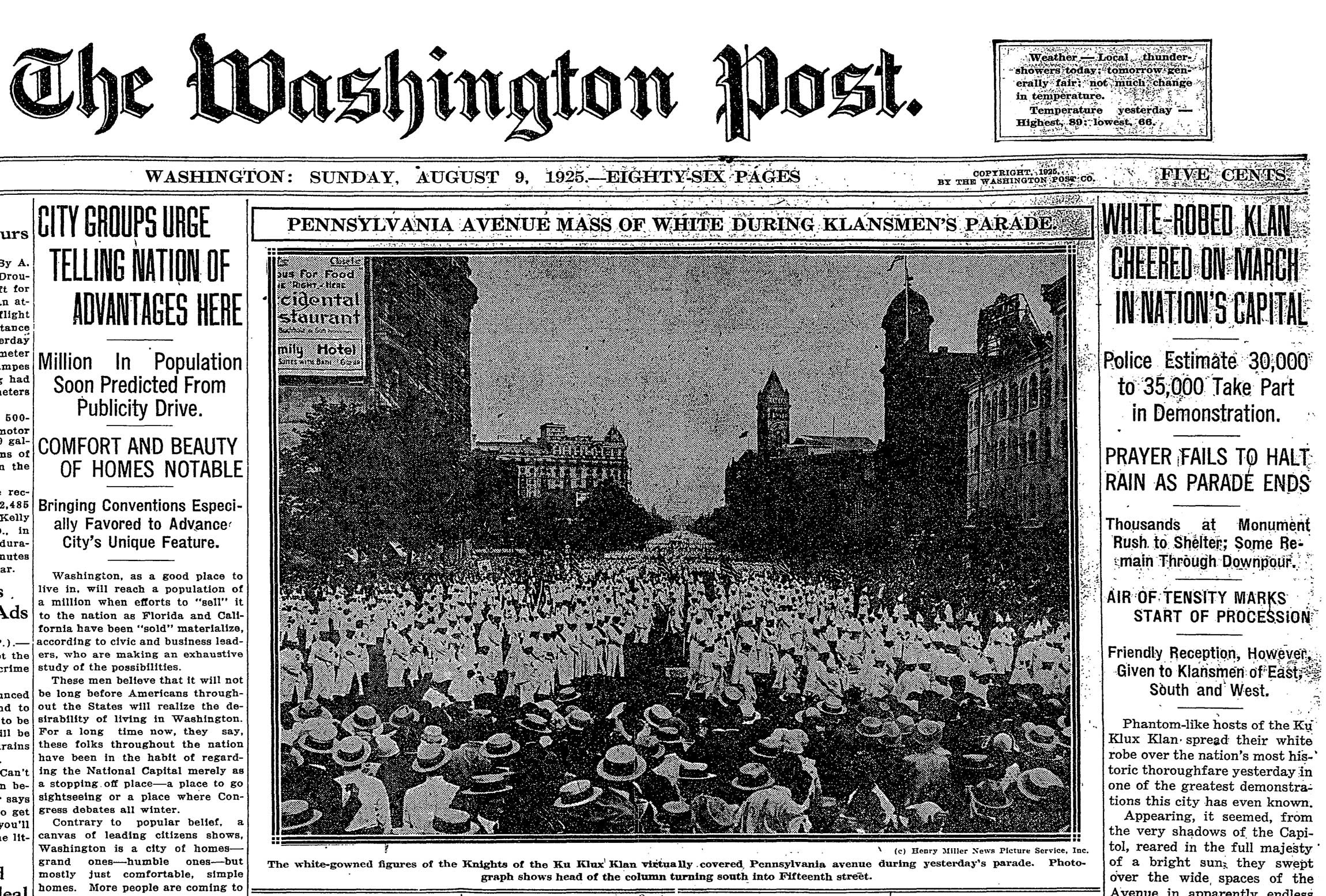
Media capacity also featured indirectly. Significant job cuts at the Washington Post highlighted how newsroom resources are shrinking even as political complexity and information demands grow. The cumulative effect is a thinner institutional buffer at a time of heightened pressure.

This was not a week of actual rupture. It was a week that tried to clarify direction but without a great deal of success. Diplomacy continues on multiple fronts but one wonders whether it is just spinning wheels. Arms control norms persist in rhetoric, but not in formal structure. Economic strategy advances through state action, yet collides with market and regulatory limits.
The significance lies in continued accumulation rather than any single event. Each development reinforces a system adjusting to sustained tension, relying on management rather than resolution. If there was an inflection, it was subtle: a further normalisation of operating without strong guardrails, and with fewer assumptions about convergence or restraint. Unfortunately with each passing day it is feeling more and more like something has to give, with potentially disastrous results.