


This week’s news broke into four distinct conversations that together framed the global landscape. The diplomacy surrounding Ukraine gained fresh visibility, with discussions in Florida, Moscow and Delhi running alongside rising anxiety in European capitals. In the United States, debates over lawful force, press restrictions and electoral boundaries showed institutions responding to questions about authority and accountability. Across the Indo-Pacific, India and China made choices that highlighted longer-term strategic priorities, while the United States completed its review of the AUKUS pact in ways that will shape Australia’s submarine programme. And in Asia and Sudan, severe flooding and escalating violence tested the ability of states to protect civilians under acute strain.
The links between these stories were subtle rather than direct. Each followed its own track, yet taken together they illustrated how different parts of the international system are adapting to pressure in ways that often overlap, even when not formally connected.
Diplomatic activity around the Ukraine war unfolded on several fronts. US and Ukrainian officials met in Florida to refine a possible framework for ending the conflict, while Steve Witkoff held discussions in Moscow before preparing to brief Kyiv’s negotiating team. President Trump described those talks as “reasonably good”, though Russian officials said they were awaiting Washington’s next move. Putin maintained firm conditions, insisting Russia would seize the remaining parts of Donbas by force if Ukraine refused withdrawal. Kyiv rejected any concession of territory it still controls and accused Moscow of stalling.

European leaders voiced increasing unease. Emmanuel Macron warned that Washington’s approach could leave Kyiv more exposed, while figures in Berlin, Helsinki and Brussels urged caution. At the same time, Kazakhstan protested a Ukrainian drone strike that damaged the CPC terminal, and Turkey highlighted the risks after naval drones hit Russian-linked tankers in its waters. These reactions showed how diplomatic engagement is developing alongside incidents that are widening the conflict’s perimeter.

Questions over the use of state authority moved to the forefront in Washington. A closed-door briefing on a September double strike in the Caribbean produced conflicting interpretations among lawmakers. Admiral Frank Bradley told committees that Defence Secretary Pete Hegseth had not ordered forces to “kill them all”, contradicting earlier reporting. Classified footage prompted different readings: some Democrats said it raised concerns over whether survivors of the first strike were legitimate targets, while others argued the operation remained within lawful bounds. A follow-on strike in the Eastern Pacific that killed four people added to the debate, as experts questioned whether those targeted met the threshold for lawful force. President Trump defended the wider campaign and said operations could expand onto land.
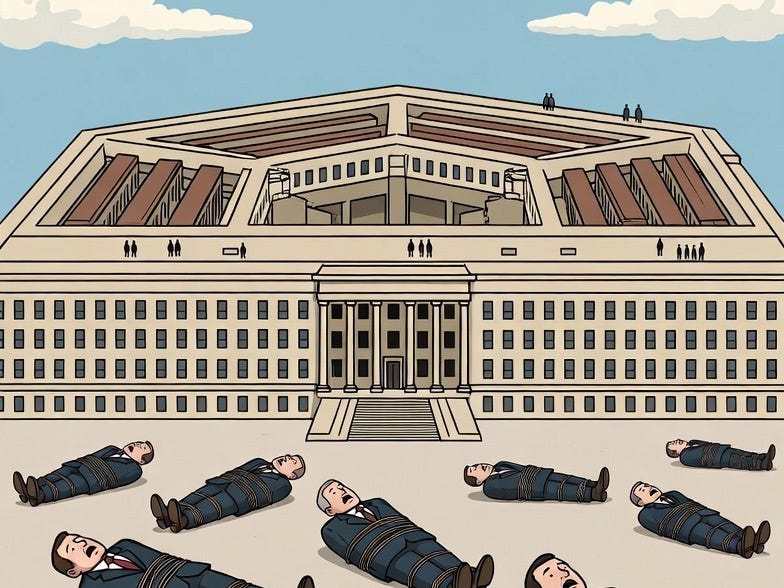
Press access became another point of contention after the New York Times sued the Pentagon over rules requiring journalists to sign a detailed form limiting information-gathering. Several reporters gave up their credentials rather than comply, and media groups criticised the policy as unprecedented. The Pentagon said the rules were necessary to protect sensitive material. Separately, the Supreme Court allowed Texas to use new congressional maps favouring Republicans, intensifying nationwide contests over redistricting as filing deadlines near.

Across the Indo-Pacific, governments set out clear indications of how they intend to position themselves. India hosted President Putin in Delhi for an annual summit that included ceremonial events and discussions ranging from S-400 air defence systems deliveries to potential Su-57 procurement and expanded civil nuclear cooperation. The breadth of documents under preparation reflected the depth of the partnership, even as the war in Ukraine continued to shape expectations of India’s stance.
China focused on economic and industrial themes as it welcomed Emmanuel Macron to Beijing. Macron warned that China’s trade surplus with Europe was unsustainable and said the EU must remain competitive without turning to protectionism. Both leaders supported deeper cooperation in aerospace and green industries, but political differences persisted, including China’s limited shift on Ukraine.

Meanwhile, the United States completed its review of the AUKUS pact and endorsed Australia’s nuclear submarine acquisition. Washington said the arrangement aligned with strategic priorities, though concerns remained over shipyard capacity and production timelines. Australia, while not involved in the review process, began assessing the implications for its future fleet, underscoring how regional partners are balancing ambition with practical constraints.

Severe humanitarian pressures dominated parts of Asia and Africa. In Indonesia and Sri Lanka, days of torrential rain triggered flooding and landslides that killed hundreds and left remote communities cut off. Indonesia relied heavily on military support, while pressure mounted to declare a national emergency. Sri Lanka deployed helicopters and emergency teams after announcing its own state of emergency, and both countries continued uncovering damage as conditions eased.

In Sudan, attacks by the Rapid Support Forces on Kalogi killed dozens, including many children, after strikes hit a kindergarten and those who rushed to help. A hospital and government building were also struck, contributing to UN figures showing hundreds of civilian deaths since late October. US-led mediation struggled to advance a ceasefire, and broader sanctions were under consideration. These events highlighted how natural and conflict-driven crises are stretching state capacity to protect vulnerable populations.

The week’s four conversations revealed a world adjusting to pressure across several dimensions of state power. Diplomacy around Ukraine gained visibility but remained shaped by hardened positions and widening spillover. In the United States, scrutiny over military conduct, press access and electoral boundaries highlighted institutional tensions. Across the Indo-Pacific, decisions by India, China and the United States illustrated a region balancing strategic goals with real constraints. And in Asia and Sudan, acute civilian crises exposed significant strains on government capacity. Together, these developments depicted a landscape defined by overlapping pressures rather than a single dominant trend.