


The week was defined less by new direction than by accumulated strain and a continuation of activity even if lacking a clear destination. Across several fronts, governments increased pressure, but often without setting out clearly what those measures were intended to achieve.
Trade threats were issued and then partially walked back. Military options were widened without accompanying political objectives. Europe continued to formalise its break from Russian energy, even as its replacement dependency began to look less stable than originally assumed.
None of this amounted to a clinical fracture, but together it suggested a system operating with narrowing room for manoeuvre.
Rather than a decisive escalation, the pattern was one of action outpacing explanation. Power was applied, but the desired outcome remained uncertain.

Several of the week’s most visible moves relied on pressure applied first and outcomes negotiated later. Tariff threats were used in disputes over aircraft and industrial policy. Diplomatic warnings were issued to partners over their economic ties with Chin and threats were made against anyone supplying oil to Cuba. In Washington, domestic budget negotiations were framed in explicitly coercive terms.

In practice, many of these moves stopped short of full implementation. Deadlines were extended, language softened, or talks reopened. That pattern suggests leverage is being used primarily as a signalling device rather than as a settled course of action.
The cumulative effect is mixed. Pressure can focus attention quickly, but repeated use without resolution risks blunting its impact. By the end of the week, several disputes were still open, but with positions more entrenched and expectations harder to manage.

Iran became the clearest example of pressure advancing ahead of strategy. In the United States, officials widened the range of military options under discussion. In Europe, legal steps moved towards formally designating the IRGC as terrorists. Rhetoric hardened on both sides of the Atlantic as well as in the Persian Gulf.
What remained unclear was the intended outcome of all this pressure. No public distinction was made between forcing nuclear concessions, constraining regional activity, or pursuing broader political change. Each implies a different threshold for escalation and a different endpoint.

This ambiguity complicates coordination. European governments aligned behind tougher measures, but without a shared understanding of what those measures were meant to produce.
The week ended with more tools on the table, but no clearer sense of how, when or why they would be used.
Talk of diplomatic engagement gained visibility, including references to temporary pauses and back-channel discussions. At the same time, reporting continued to point to strain on Ukraine’s infrastructure and the sustained pressure of winter conditions.
These two tracks ran in parallel rather than in sequence. There was no confirmed change in military posture tied to the diplomatic language, nor any formalised agreement setting out terms or timelines.

As a result, the situation resembled earlier phases of the war in which diplomacy remained active but largely decoupled from events on the ground. The week did not suggest a shift in trajectory so much as a pause in signalling, with the underlying balance largely unchanged. Territorial concessions still continue to be the rock on which discussions seem likely to founder.
The EU continued to lock in its departure from Russian gas through legal and regulatory measures, reinforcing a strategy adopted earlier in the conflict. From a narrow perspective, this marked progress on a core strategic objective.
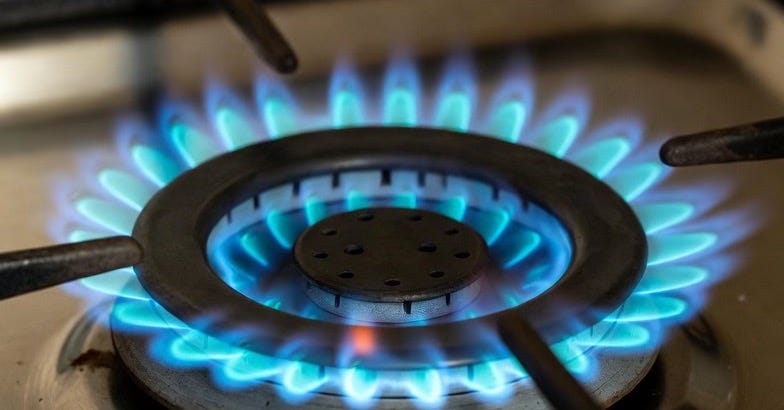
At the same time, Europe’s reliance on US energy supplies has deepened. That dependence was built during a period when transatlantic policy appeared relatively stable. The events that have unfolded thus far this year, including erratic trade threats and transactional diplomacy from Washington, made that assumption harder to sustain.
The shift away from Russian energy reduced one form of vulnerability but introduced another. The risk is no longer supply interruption from Moscow, but policy volatility from a partner whose priorities are increasingly shaped by domestic politics and other seemingly opaque goals. The fact that Germany has allowed its stored gas to run down to multi-year lows even before winter is over is a case in point of the vulnerability.

Several stories this week centred on institutions being drawn into political conflict. In the US, enforcement agencies faced renewed scrutiny over their handling of evidence and procedure. In Georgia, the seizure of ballots became a focal point for competing narratives about electoral legitimacy.
None of these cases amounted to institutional breakdown. Processes continued albeit under new on the ground leadership, courts remained engaged (although another week of silence regarding the legality of tariffs went by), and formal checks were applied. But the frequency with which institutions are being tested, publicly and politically, is increasing.
Over time, that pattern erodes confidence even when rules are followed. The week illustrated how legitimacy now depends not only on procedural correctness, but on the ability of institutions to withstand sustained political challenge without losing authority.

The common thread across the week was not escalation, but imbalance. Measures were taken, pressure was applied, and commitments were signalled, often without a corresponding effort to define outcomes or manage expectations.
In Iran, potential tools multiplied without a stated end-game. In Europe, strategic independence in one domain produced reliance in another. In diplomacy and trade, leverage was used more readily than ever.
These are manageable conditions, but they are not cost-free. As pressure accumulates without clarity, the margin for miscalculation narrows. The week did not mark a turning point, but it underlined how easily unresolved tensions can harden into structural risk.