


The week saw movement on several fronts without delivering clear resolution. Peace talks advanced, institutions reached partial agreements, US security policy shifted, and demographic pressures came into sharper view.

Negotiators worked through several iterations of Trump’s proposed settlement this week, narrowing an initial 28-point framework to 19 points following meetings in Geneva. Ukrainian officials said some revisions strengthened elements tied to sovereignty, security guarantees and development, while negotiators on both sides acknowledged that the most sensitive questions would require decisions from Trump and Zelensky directly. The tone occasionally drifted, with Trump criticising Kyiv for showing “zero gratitude”, while Ukraine highlighted areas where agreement in principle had been reached.

Statements from Moscow and Paris illustrated why progress remains fragile. Russia said any eventual deal would require Ukraine to give up territory, a condition Kyiv rejected. Macron added that Moscow had shown no readiness to agree to a ceasefire, noting that strikes continued to hit civilian infrastructure.
These political exchanges unfolded alongside increased military activity. Ukraine struck the Shatura power station near Moscow, while Russia launched extensive overnight attacks across several cities and claimed to have intercepted large numbers of drones. The week demonstrated that although the framework is evolving, the gap between the parties remains substantial.

COP30 concluded with an agreement supported by nearly 200 countries, but only after difficult negotiations. Delegates committed to tripling adaptation finance for developing nations, yet the final text avoided references to phasing out fossil fuels following pressure from Saudi Arabia. The United States was absent, leaving the European Union and developing countries to broker a compromise amid protests, late-night objections and divisions among several Latin American states. The outcome showed that progress remains possible, though only through limited and politically constrained steps.

G20 dynamics added further tension. South Africa argued that its summit had demonstrated the ability to reach consensus without US endorsement after Washington boycotted the meeting. Trump responded by saying South Africa would not be invited to next year’s G20 summit in Miami and announced that all US payments and subsidies to Pretoria would end. He repeated claims of violence against white Afrikaners, which South Africa rejected. The dispute followed a disagreement over protocol: Pretoria declined a US request to pass the symbolic gavel to a lower-ranking official, resulting in a quiet handover between diplomats.
Pope Leo added a wider perspective, warning that humanity faced a heightened level of global conflict and urging Turkey to act as a stabilising force.

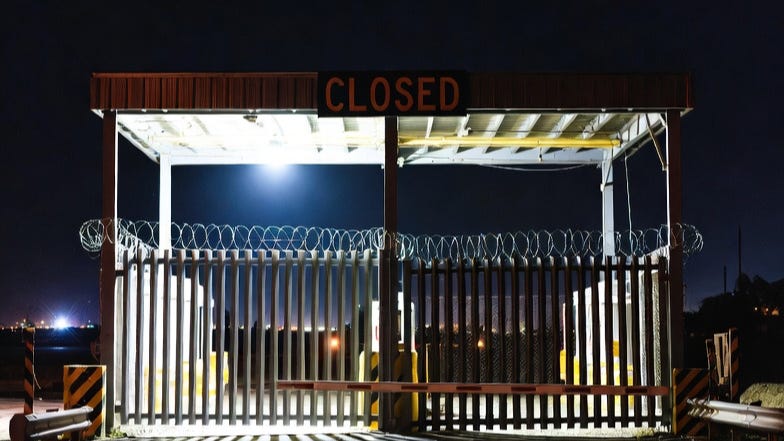
A late-week shooting near the White House prompted what could be an immediate shift in US migration policy. Two National Guard members were attacked, and the suspect - an Afghan national who arrived in 2021 under a resettlement programme and was granted asylum this year - led officials to suspend immigration processing related to Afghan nationals. Reviews will extend to cases approved under the previous administration.
Trump said the incident justified reconsidering earlier asylum and refugee decisions and announced plans to “permanently pause” migration from what he called “Third World Countries”. The Department of Homeland Security will review green cards issued to citizens of 19 countries previously covered by a travel ban, and Trump said those who did not “add benefit” to the United States should be removed.
The human consequences were severe. One of the troopers Sarah Beckstrom died from her injuries, while her colleague Andrew Wolfe remains in critical condition. The speed and breadth of the response suggested that this episode will shape the administration’s approach to migration and domestic security beyond the week itself.

Demographic and urban trends provided a reminder of the structural pressures shaping global capacity. The European Band for Reconstruction & Development warned that ageing populations across emerging Europe will significantly slow long-term economic growth. Declining working-age shares are expected to reduce annual per-capita GDP growth by almost 0.4 percentage points between 2024 and 2050. Pro-natalist incentives have produced limited results, large-scale migration remains politically difficult, and citizens are ambivalent about using artificial intelligence to increase productivity. Extending working lives would require retraining and pension reform, but ageing electorates make such reforms harder to deliver.
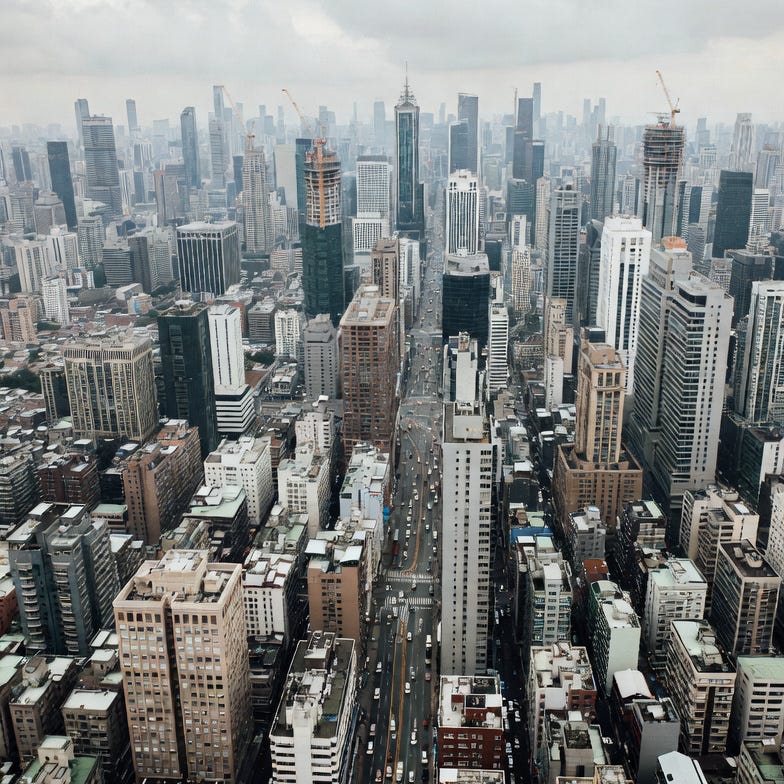
Urban population data reinforced the scale of change in Asia. Jakarta became the world’s largest city at nearly 42 million people, followed by Dhaka at around 36 million, with Tokyo moving to third place. Nine of the world’s ten largest cities are now in Asia, underscoring how demographic weight and megacity expansion continue to shift the global centre of gravity.

The week illustrated momentum without resolution. Peace talks advanced but revealed unchanged political red lines. Global institutions delivered agreements while exposing the limits of multilateral consensus. A single security incident in the United States led to a sweeping reassessment of migration and asylum policy, demonstrating how domestic shocks can reshape national direction. Meanwhile, demographic data highlighted slower-moving pressures that will influence economic and political capacity for decades.