


Negotiations continued, support structures held, and institutions adjusted - but few underlying conflicts actually moved any closer to resolution. This week illustrated how diplomacy, war, and political accountability increasingly operated as managed processes rather than decisive turning points.
The past week again reflected consolidation rather than breakthrough. Talks continued, support packages were approved and legal and institutional processes advanced, but none fundamentally altered the direction of the underlying conflicts or pressures. Instead, events showed systems adapting to prolonged strain - whether through sustained military positioning, financial support mechanisms, or internal governance adjustments.
Diplomacy remained active, particularly around Iran and Ukraine but operated alongside continued military buildup on one hand, ongoing military attrition on the other and structural financial dependency.
At the same time, institutions confronted ongoing legal and reputational fallout from past events, demonstrating how political risk persists long after initial exposure.

Diplomatic engagement with Iran continued in Geneva, but unfolded alongside visible preparations for war rather than replacing them. The United States maintained military positioning in the region and continued to consider strike options, while intelligence activity and outreach efforts sought to influence internal Iranian dynamics. At the same time, reports of potential missile cooperation between Iran and China illustrated Tehran’s efforts to reinforce its strategic position while negotiations remained unresolved.
Domestic developments within Iran reinforced this dual-track environment. Student unrest signalled internal pressure on the government even as it negotiated externally.
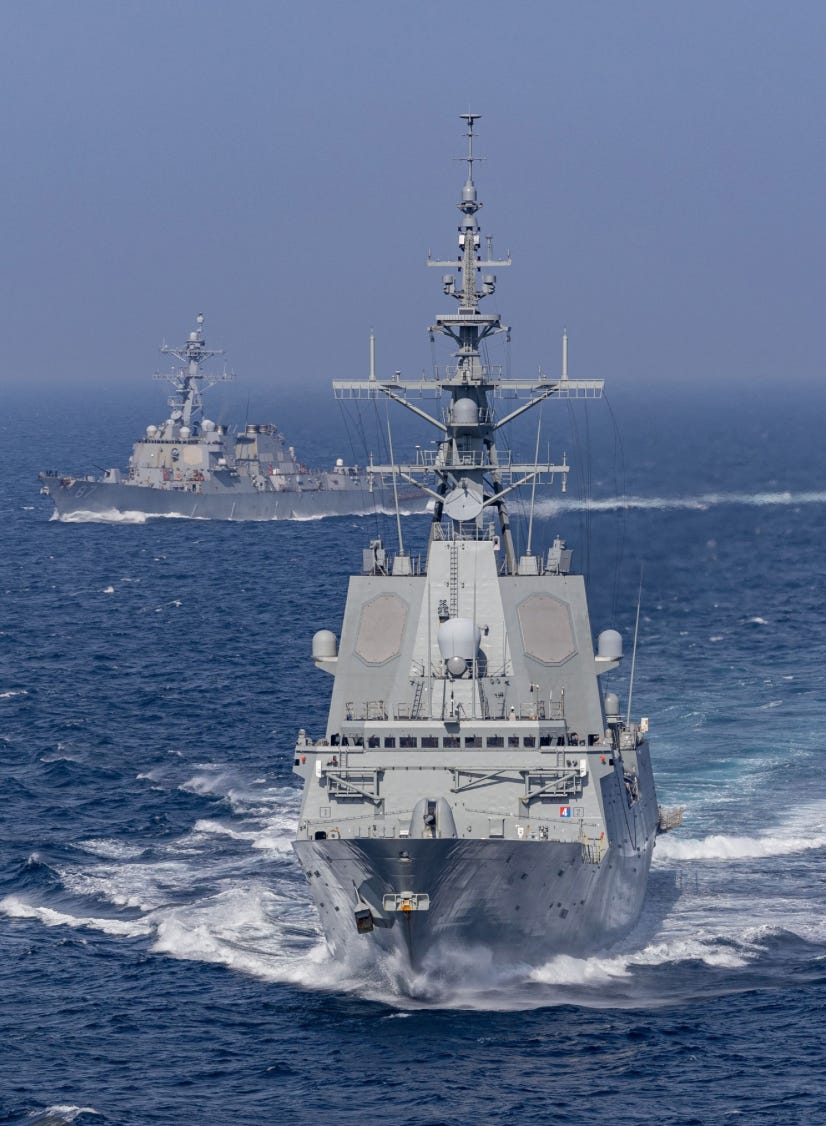
Taken together, these developments illustrated a familiar dynamic: diplomacy functioning as one instrument among many, rather than a substitute for military preparedness or geopolitical alignment. Negotiations remained active but their coexistence with preparation for conflict and seemingly intransigent negotiation positions reflected the limited trust between the parties and the persistence of structural confrontation.

European governments navigated multiple external constraints this week, highlighting the limits of independent strategic manoeuvre. Trade uncertainty with the United States persisted following the tariff ruling, reinforcing the extent to which European economic policy remained exposed to decisions taken in Washington.
At the same time, Germany sought to stabilise relations with China while continuing to press its economic concerns, reflecting the balance European states must maintain between economic engagement and strategic caution.

These pressures intersected directly with the ongoing war in Ukraine. Financial support remained essential, with international institutions continuing to provide assistance, while political divisions within Europe complicated unified responses. Hungary’s opposition to certain EU support measures illustrated how internal political positioning could constrain collective action.
Together, these developments reflected Europe’s position between competing economic partners and an ongoing war on its borders, limiting its room to reshape its strategic environment independently in the short term, despite a growing will to do so.

As the war entered its fifth year, international responses showed continuity rather than escalation or resolution. At least some financial support packages continued to be approved, demonstrating sustained institutional backing for Ukraine’s government and economy. At the same time, military activity persisted, including continued strikes on energy infrastructure, underscoring the ongoing operational reality of the conflict - a war of attrition.
Diplomatic engagement and international voting patterns reflected consistent support from Ukraine’s partners, but without producing a pathway to settlement. Nuclear-related rhetoric and disinformation claims also re-emerged, reinforcing the war’s continued strategic sensitivity even in the absence of major territorial changes.
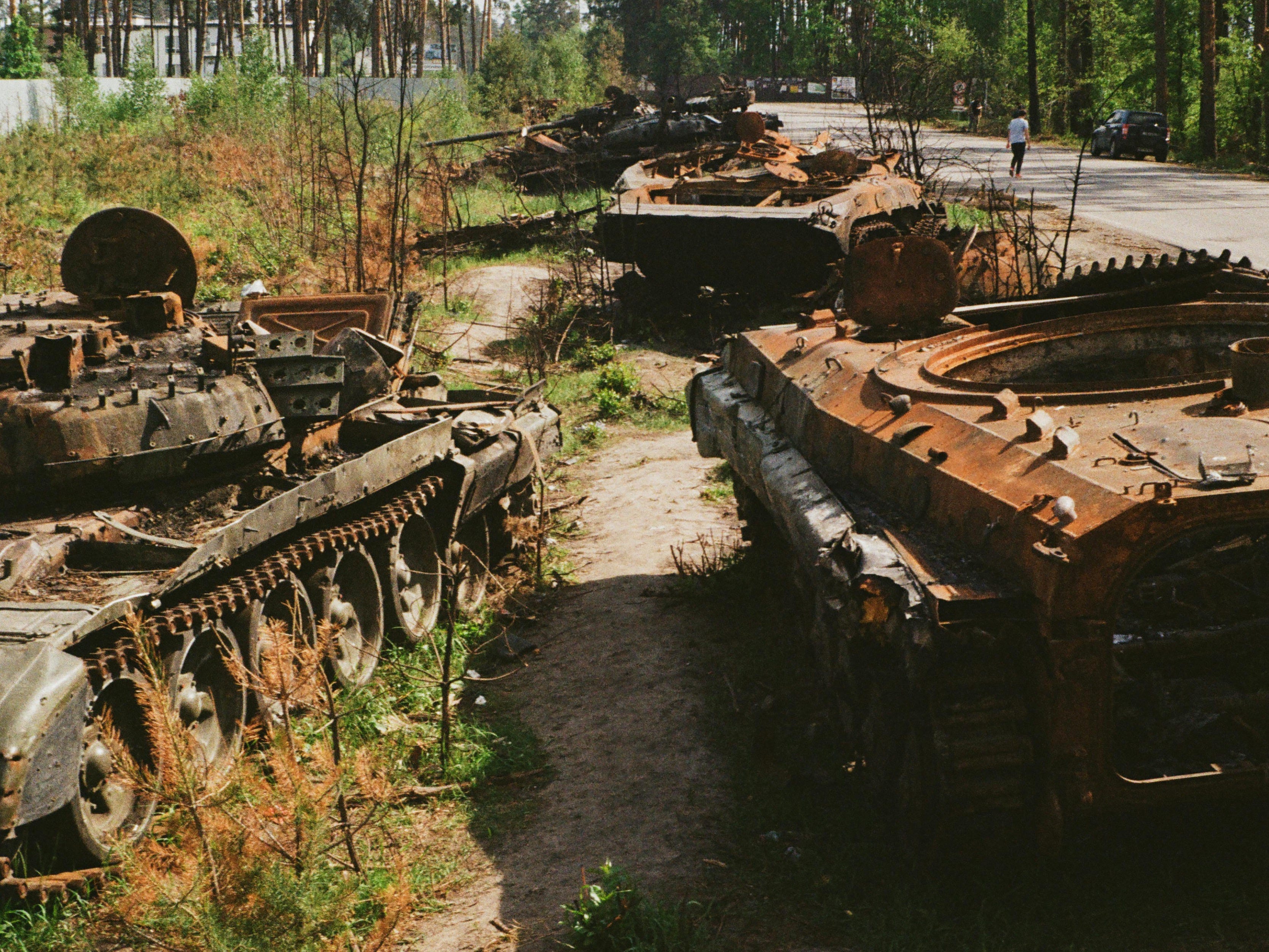
These developments illustrated how the war had become structurally embedded in international politics. Rather than existing as an acute crisis, it now functioned almost as a chronic condition shaping financial flows, diplomatic alignments, and military planning across Europe and beyond.

Legal and institutional responses linked to Jeffrey Epstein continued to produce consequences across multiple organisations. Arrests, document releases, and leadership changes illustrated the continued legal exposure faced by individuals and institutions connected to the case. Analysis of the release of official records, including material with missing interview summaries, reinforced the complexity and incomplete nature of the legal and investigative process.
Political ramifications also persisted, with figures providing testimony and political divisions emerging around oversight and disclosure. Institutional leadership changes following independent reviews demonstrated how organisations continued to manage reputational risk linked to past associations.

These developments reflected the enduring institutional impact of legal exposure. Even years after the original events, political, legal, and organisational systems continued to respond, illustrating how reputational risk and legal accountability operate over extended time horizons.

Taken together, the week’s events illustrated a world increasingly defined by dogged persistence rather than decisive change. Diplomatic processes continued alongside military preparation, financial support mechanisms sustained ongoing conflicts and institutions continued to manage the long-term consequences of past actions.
None of these developments fundamentally altered the strategic landscape. Instead, they reflected systems adjusting to prolonged tension and uncertainty. Wars continued without resolution, negotiations proceeded without settlement and institutions absorbed legal and political pressure without closure.
This pattern suggested a global environment characterised less by sudden disruption than by steady accumulation - where conflicts, negotiations and institutional consequences continued to shape the international system over extended periods rather than reaching rapid conclusion.