


Governments spent the week trying to contain problems they have struggled to solve. Saudi Arabia found new military support, world leaders used the UN to advance competing agendas and Washington and Beijing put on an impressive show without resolving their deeper disagreements.
The week produced plenty of diplomatic and military activity but remarkably few answers.
Britain and France stepped in to help Saudi Arabia protect itself from Houthi attacks after Washington declined to strike the group. At the UN, world leaders gathered to defend an international system that several of them simultaneously used as a platform for their own national agendas. Donald Trump and Xi Jinping staged an elaborate summit, yet emerged with little beyond a slightly longer trade truce and proposals for avoiding conflict.
Meanwhile, the economic consequences continued to spread. Energy disruption remained central but rising bond yields showed how concerns about inflation, government spending and borrowing costs are becoming increasingly difficult to separate from the geopolitical environment.

Saudi Arabia finally received some of the outside military assistance it had been seeking but the most visible help came from Britain and France rather than the United States.
Britain agreed to provide RAF Voyager aircraft to refuel Saudi fighters conducting defensive missions against incoming Houthi missiles and drones. France went further, agreeing to deploy soldiers, radar and defence systems to Yanbu, the Red Sea terminus of the East-West Pipeline. Both governments stressed the defensive nature of their involvement.
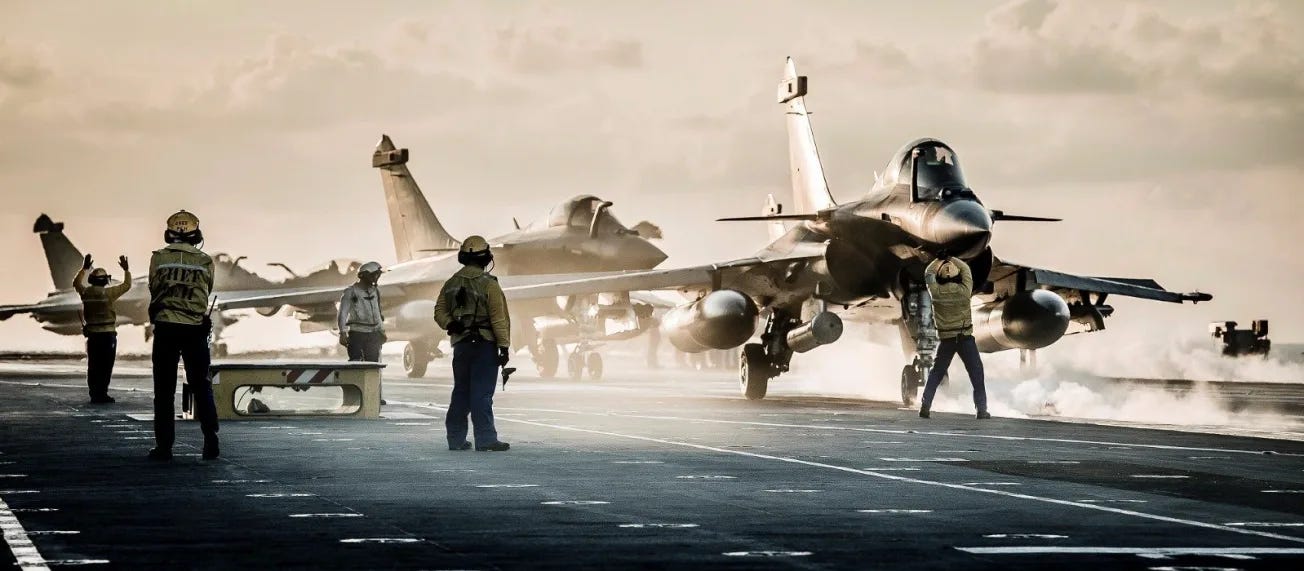
The underlying Saudi problem, however, remains formidable. The Houthis have seized Mokha and strategically important islands near Bab el-Mandeb, threatening another major shipping route while Hormuz remains disrupted. The East-West Pipeline, designed to bypass Hormuz, was itself damaged by a drone attack and is only gradually returning to service.
Saudi Arabia is therefore receiving more allied help. What it still lacks is a reliable route out of its strategic predicament.
The UN General Assembly demonstrated that the institution still provides a uniquely powerful global platform. The harder question is what leaders increasingly want that platform for.
Trump used his address to defend American military and economic power, threaten Iran, attack the International Criminal Court and advance US claims involving Venezuelan oil. Javier Milei renewed Argentina’s claim to the Falkland Islands. Benjamin Netanyahu defended Israel’s campaigns in Gaza and Iran as scores of delegates walked out.
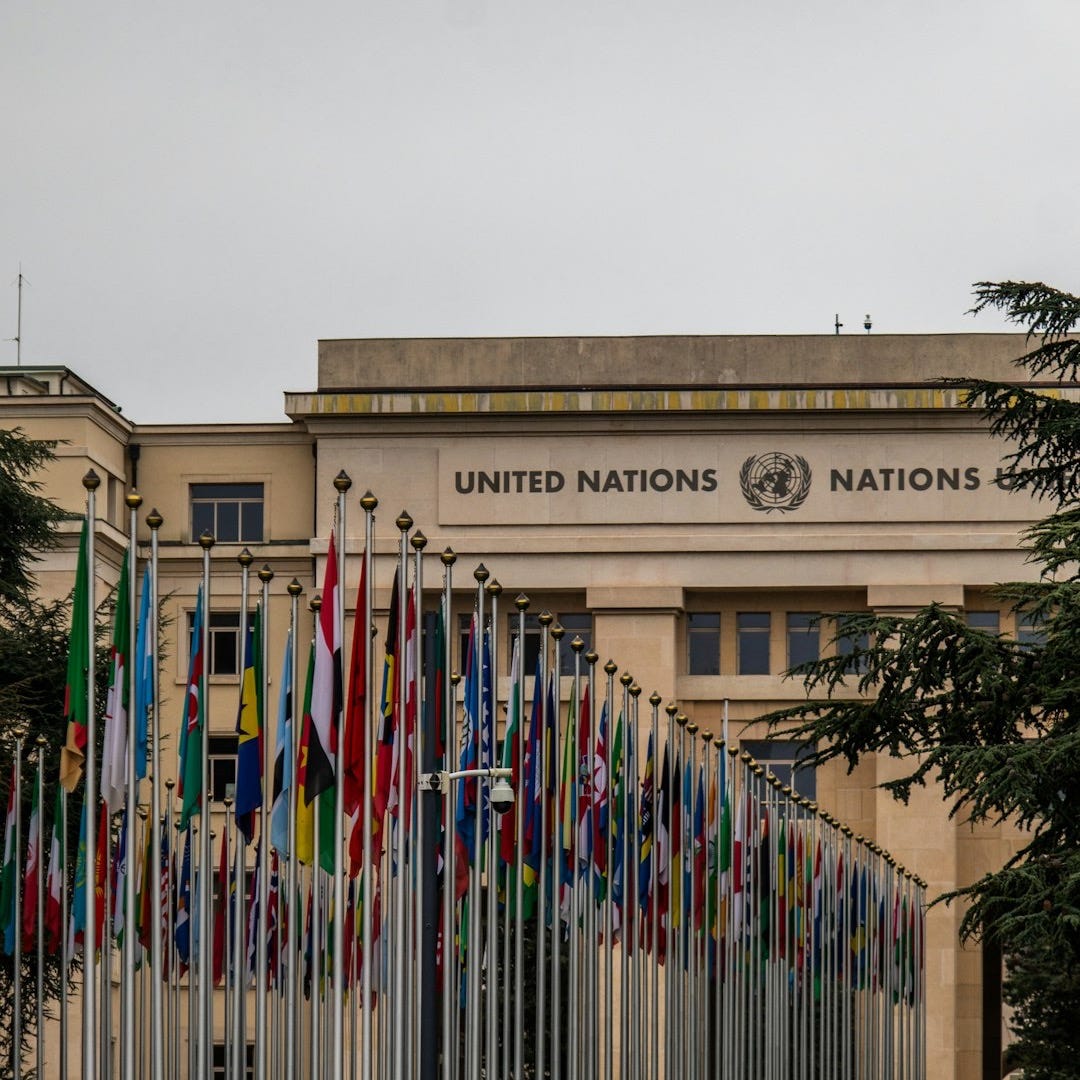
Others, notably two figures close to retirement, tried to defend a different conception of the institution. Emmanuel Macron warned against a world governed by the “law of the jungle”, while António Guterres argued that military, economic and technological power alone cannot deliver peace, stability or security.
That contrast was difficult to miss. The UN remains somewhere governments come to talk. Increasingly, however, some of its most prominent speakers appear to be using its authority less to build consensus than to amplify positions already established at home.

Xi Jinping’s visit to Washington looked important. The substance was considerably more modest.
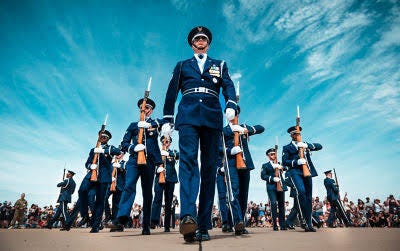
Trump personally welcomed Xi at Joint Base Andrews, complete with a 100-foot red carpet, military honour guard and B-1 bomber flyover. Both leaders spoke positively about managing the relationship and the existing trade truce was extended for another two months.
Xi also proposed stronger communication, regular military dialogue and better crisis-prevention mechanisms, arguing that competition should remain within bounds and the two countries should avoid conflict.
Those proposals may be useful precisely because so much remains unresolved. Washington and Beijing continue to disagree over Taiwan, advanced chips, artificial intelligence, trade and Iran. The summit produced no broad settlement of those disputes.
The choreography suggested rapprochement. The substance suggested something narrower: two competing powers trying to establish enough guardrails to prevent their disagreements becoming something considerably more dangerous.

The economic consequences of conflict are no longer confined to the price of oil.
US diesel prices climbed above $6.50 a gallon, prompting Trump to support an export ban even as officials warned that restricting exports could reduce supply and provoke retaliation. Disruption to Russian and Middle Eastern energy flows remained part of the problem.
By Friday, attention had broadened to global bond markets. The US 30-year Treasury yield reached 5.48%, its highest since 2004, while the 10-year yield hit 5.20%. German 10-year yields climbed above 3.6%, their highest in 17 years, and Japanese 10-year yields reached levels last seen in 1996. US mortgage rates returned to 7%.

High energy costs are only one factor alongside resilient growth and government spending. Yet the direction is important. Geopolitical disruption is interacting with existing economic strains, while the resulting borrowing costs are reaching households, businesses and governments alike.

There was movement almost everywhere this week but remarkably little resolution.
Britain and France helped Saudi Arabia defend infrastructure without solving the underlying threat. The UN remained indispensable enough for leaders to use its stage, even as they disagreed over what the institution should represent. Trump and Xi demonstrated that, for now, Washington and Beijing can manage their rivalry without resolving the disputes driving it.
That may be the more useful way to read the week. Governments are constructing defences, diplomatic guardrails and temporary arrangements around problems they cannot yet settle.
Markets provide the reminder that containment has a cost. The longer those underlying problems remain unresolved, the harder their economic consequences become to isolate.