


A ceasefire between the United States and Iran held through much of the week, but the confrontation continued to shape shipping routes, alliance behaviour, weapons planning and diplomatic priorities far beyond the Gulf. The pattern that emerged was not one of resolution but of adjustment. Events suggested a regional conflict increasingly influencing how global systems operate rather than simply how regional actors manoeuvre.
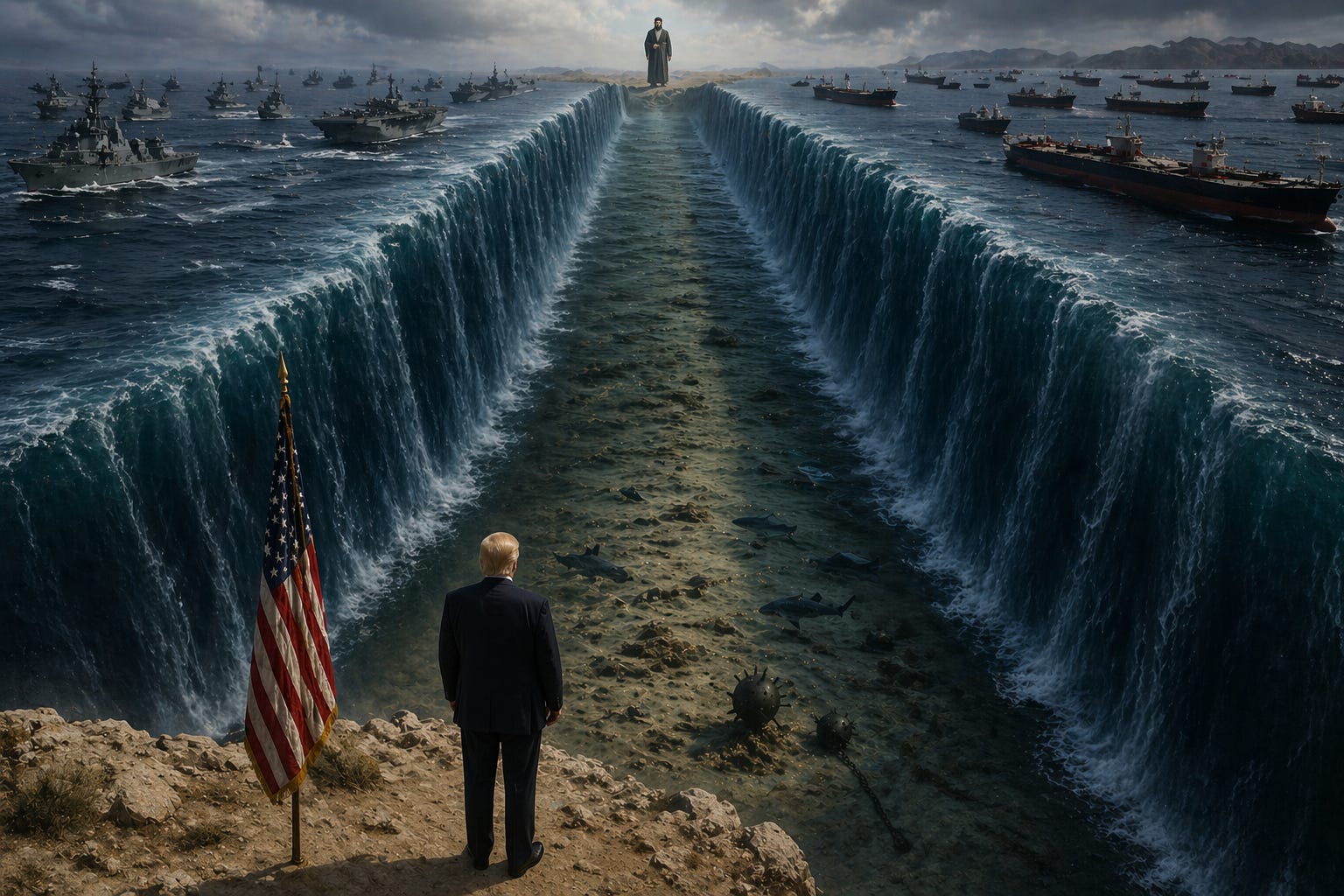

The ceasefire did little to restore normal shipping conditions through the Strait of Hormuz as both sides imposed their own blockade. Iranian vessel seizures, US enforcement of maritime restrictions and uncertainty around mine clearance continued to limit traffic through a route that had carried roughly one-fifth of global energy supplies before the war. Pentagon briefings suggested mine clearing operations could take months, extending the economic horizon of disruption well beyond any diplomatic pause.
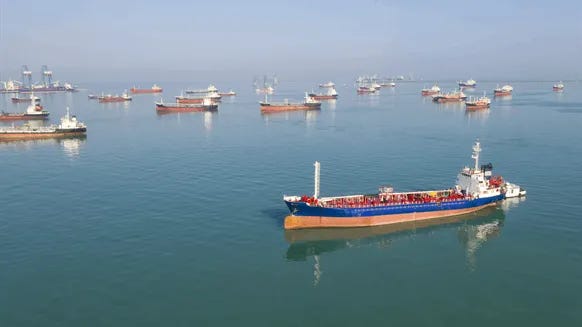
The effects were already visible elsewhere in global logistics. Panama Canal transit fees surged as vessels rerouted away from the Gulf, while international officials warned that interruptions to fertiliser shipments and fuel supply were beginning to affect agricultural production expectations later in the year. The United Nations Development Programme estimated more than 30 million people could be pushed back into poverty as energy and supply disruptions spread through vulnerable economies.
Control of a single maritime corridor increasingly shaped conditions across shipping networks, commodity markets and food systems.

Military operations linked to the Iran war highlighted the scale at which modern conflict draws on advanced weapons inventories. Reports indicated the United States had expended large numbers of cruise missiles and interceptor systems during the campaign, while analysts warned replenishment timelines could stretch over several years at current production rates.
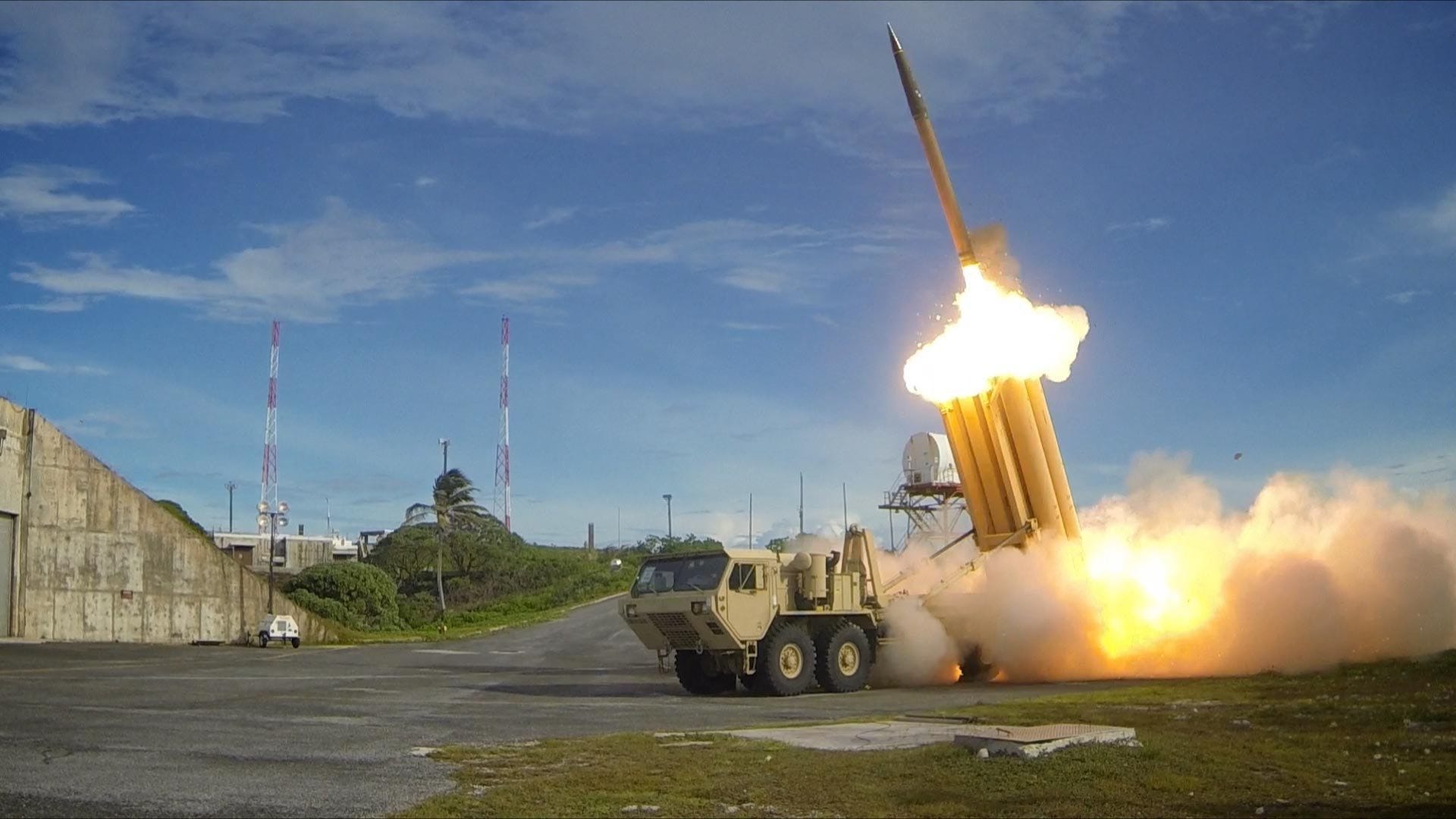
These concerns appeared alongside uncertainty over funding required to expand long-term missile production capacity. The strain exposed how quickly precision stockpiles can become a strategic variable rather than simply an operational detail.
The same week also saw a leadership change at the US Navy during ongoing maritime operations tied to the blockade environment around Iran. Elsewhere, Japan eased longstanding restrictions on defence exports and Australia confirmed contracts for a new generation of warships built with Japanese industry. Defence cooperation continued to expand even as questions about production depth and readiness timelines became more visible.
Industrial capacity is increasingly part of deterrence itself.

The message from across Europe and the Atlantic alliance suggested cooperation remained intact but less automatic than before. Reports that Washington had prepared a framework grading NATO members according to their support during the Iran conflict illustrated a shift toward evaluating allies against operational contribution rather than institutional alignment alone.
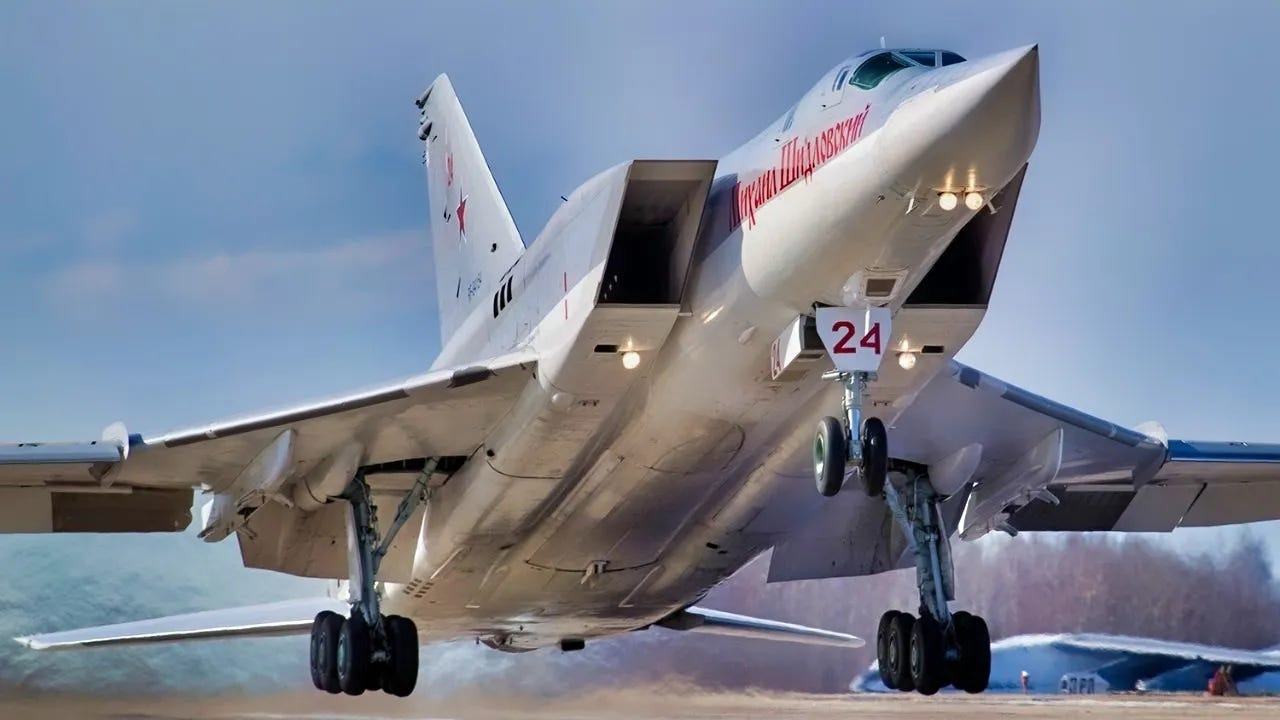
At the same time NATO aircraft intercepted Russian strategic bombers over the Baltic Sea in a multi-country response involving several European air forces, reinforcing the continuing requirement for collective readiness on the alliance’s eastern flank.
European decision-making reflected similar pressures. Hungary’s removal of its veto allowed approval of a major EU financial package for Ukraine, ending months of delay, while Spain moved to push the European Union toward reconsidering its association agreement with Israel as the Middle East conflict continued.
Multilateral coordination showed further signs of constraint. G7 environment ministers avoided climate discussions in order to preserve unity with the United States, IMF meetings exposed limited room for economic stabilisation measures as energy disruption continued to spread, and Amnesty International warned that powerful states were increasingly challenging the foundations of the international rules-based order.
Institutional cooperation continued, but under narrower political margins than in earlier crises.

Alongside military and diplomatic developments, the week highlighted how competition between major powers increasingly involves access to research systems and advanced digital infrastructure.
The United States accused actors based in China of attempting to extract information from frontier artificial intelligence models through coordinated proxy-account activity, signalling concern about the protection of emerging technological capabilities.

Separately, the listing of data derived from hundreds of thousands of participants in the UK Biobank on a Chinese online platform prompted investigation by British authorities and renewed attention to how large-scale research datasets intersect with international competition. British cyber officials also warned that hostile states including Russia, Iran and China were responsible for a growing share of serious cyber incidents affecting the country.
Security competition is increasingly unfolding across civilian technological platforms as well as traditional military domains.

Although the ceasefire between Washington and Tehran remained in place through the week and prevented further immediate escalation, the underlying confrontation showed little sign of resolution. Maritime disruption continued, negotiations remained uncertain and weapons readiness concerns persisted across several theatres.
Developments elsewhere suggested that governments were already adjusting policy, planning and coordination around the consequences of the conflict rather than waiting for its outcome. The Middle East therefore remained tense and volatile despite the absence of active combat between the United States and Iran.
The pause in fighting reduced immediate risks, but the week’s events offered no indication that the confrontation had entered a stable phase or that the interruption in hostilities would necessarily hold.