


This week did not end up producing a decisive geopolitical turn although at times it looked likely, but it did clarify how power is now being exercised. Economic pressure was applied openly by the US, then withdrawn. Diplomacy over Ukraine became more structured even as civilian infrastructure continued to be degraded in sub zero weather.
Washington signalled a willingness to extend direct pressure emboldened by Venezuela, framing Cuba and Iran as parallel theatres for coercion or intervention. Elsewhere, domestic politics adjusted to the same external forces, from energy prices to alliance uncertainty.
The pattern is one of seesawing positions layered over unresolved disputes. Coercive tools are becoming routine, negotiations are advancing without altering leverage, and institutional guardrails appear thin. Continuity, rather than escalation, defined the week – but a continuity increasingly shaped by transactional bargaining.

Donald Trump’s effort to use trade pressure to force concessions over Greenland offered a clear illustration of how coercion is now deployed inside alliances.
He announced 10 percent tariffs (later ratcheting to 25%) on eight European states that resisted US control of the territory, triggering emergency consultations in Brussels and warnings from Denmark that retaliation would be unavoidable. EU leaders discussed using the bloc’s anti-coercion instrument, while Emmanuel Macron publicly urged resistance and declined to join Trump’s proposed “Board of Peace”.

Markets reacted quickly: the dollar fell, equities dropped and investors debated reducing exposure to US assets, of which European institutions hold more than $10 trillion.
Two days later, Trump abandoned the tariff threat after agreeing with NATO on a “framework” for Arctic security. EU leaders credited unity and non-escalatory engagement, while Greenland’s prime minister reiterated that sovereignty was non-negotiable. Markets rebounded.
The dispute remains unresolved, but the episode showed how coercion, alliance politics and asset prices are now tightly linked. Immediate escalation was avoided but European leaders came away bruised and unhappy.
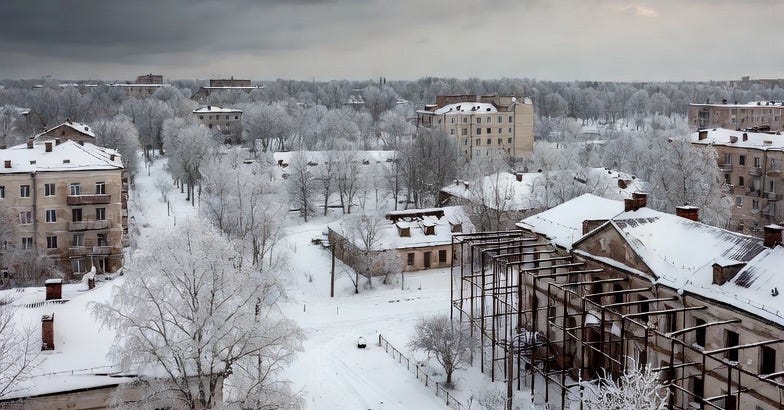
Ukraine’s war diplomacy moved forward procedurally while conditions on the ground deteriorated.
Ukrainian drone strikes damaged electricity networks in Russian-occupied southern regions, cutting power to more than 200,000 households. Russia continued overnight attacks on Ukraine’s grid, with infrastructure hit in Odesa and casualties reported elsewhere. Zelensky said that infrastructure attacks were leaving many civilians without heat in severe winter conditions.
At Davos, Zelensky said US security guarantees were ready for signature and ratification, but that territory remained the central unresolved issue. He confirmed that the UAE would host the first trilateral talks between Ukrainian, Russian and US negotiators since the 2022 attack. Russia, which occupies around 20 percent of Ukraine, said no durable settlement was possible without resolving borders.
Negotiations are now formalised. Their substance is unchanged. The world holds its breath, hoping for progress.

US policy this week pointed to a widening readiness to apply direct pressure in foreign regimes spurred by their success in Venezuela.
In the Caribbean, administration officials said Washington was seeking Cuban government insiders to help remove the communist leadership by the end of the year, describing the effort as emboldened by Nicolás Maduro’s capture and concessions from his allies. They said the US intended to choke off subsidised Venezuelan oil and that President Trump had warned there would be “no more oil or money” for Havana.
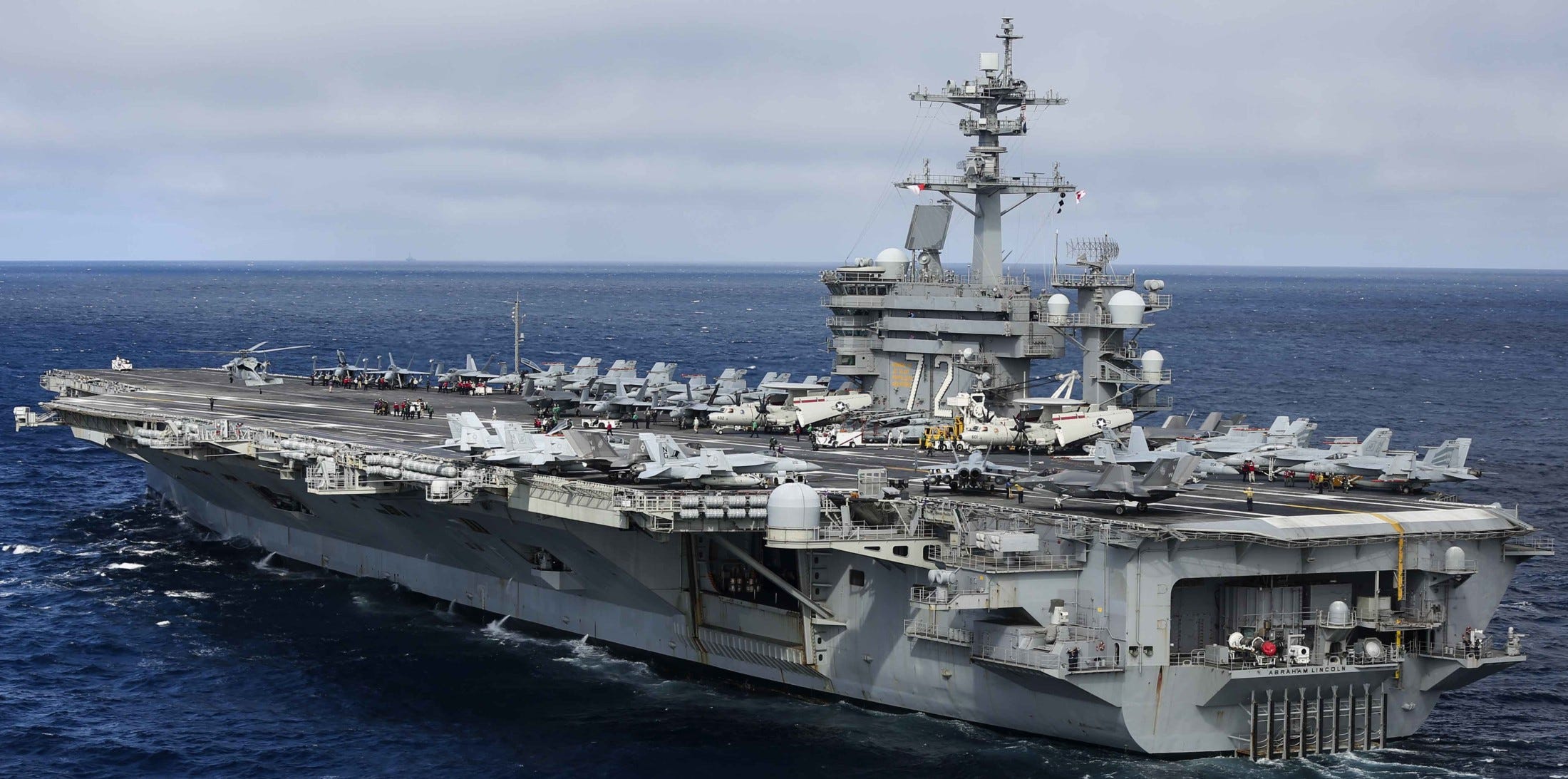
At the same time, intervention in Iran was framed, mooted and is still very much on the table. Trump said a US “armada”, led by the aircraft carrier USS Abraham Lincoln, was heading towards the region and renewed warnings over the killing of protesters, claiming Tehran had cancelled hundreds of planned executions.
The common signal was that Venezuela was not treated as exceptional, but as precedent.

Internal politics also reflected economic and strategic strain.
Japan’s prime minister, Sanae Takaichi, dissolved parliament and called a snap election for 8 February, just three months after taking office. Inflation and rising food prices are expected to dominate the campaign, with polling showing the cost of living as voters’ top concern. Japan continues to be on the verge of a debt crisis but this doesn’t look like being an election issue for now.
In Davos Mark Carney stood up to Trump and claimed the world order as we knew it was ruptured. Back home in Canada, he responded to his exclusion from Trump’s “Board of Peace” by emphasising that his country had built a strong partnership with the United States but did not “live because of” it. No doubt many Canadians adopted an “elbows up” posture.

The week’s events pointed less to strategic change than to consolidation of method. Collective relief quickly morphed into residual and likely durable unease. Tariff threats were reversed, but not abandoned as a tool. Ukraine talks advanced in format while territory and electricity shortages continued to define the war’s reality. After Venezuela, regime change in Cuba and warnings to Iran were presented not as departures but as extensions of the same approach.
The common thread was eventual stabilisation through pressure rather than settlement. Bargaining, sanctions and the prospect of force are being used to manage problems, not resolve them. That may limit short-term volatility, but it leaves outcomes dependent on political calculation rather than durable agreement or institutional restraint.