


Oil continues to flow, diplomacy continues and governments remain in office. Yet the arrangements sustaining that apparent normality are becoming more expensive, more complicated and less dependable.
On the surface, much of the international system continues to function. Middle Eastern oil exports have recovered towards prewar levels. Washington is pursuing diplomatic negotiations with Moscow and Tehran. European governments remain in office despite widespread unrest.
Yet beneath that apparent continuity the difficulties continue to grow.
Oil shipments depend on increasingly costly and vulnerable arrangements. American allies face growing uncertainty about the reliability of longstanding relationships. European governments are confronting public discontent they have limited financial capacity to address. Meanwhile, elections in Israel and the United States are approaching with potentially far-reaching international consequences.
The common thread is not an imminent collapse of the international order. It is the widening gap between the appearance of normality and the increasingly difficult circumstances required to sustain it.

Middle Eastern oil exports have recovered towards prewar levels despite intensifying attacks on shipping. Military escorts, alternative routes and offshore transfers are keeping cargoes moving, although prices remain elevated, global stocks remain thin and the cost of transporting oil has risen sharply.

The distinction between maintaining supply and restoring stability is becoming increasingly important. The arrangements keeping oil moving are expensive, militarily demanding and vulnerable to further disruption.
This week’s developments offered little reassurance.
Israeli aircraft conducted provocative exercises towards Iran, while American and Israeli military planners continued preparing options for renewed strikes after the US midterms. President Trump has so far declined to authorise another major offensive but the preparations suggest that further escalation remains under consideration.
Meanwhile, Houthi attacks on Saudi Arabia have prompted British fighter deployments and the withdrawal of nonessential American diplomatic personnel.
The immediate disruption to oil supplies has been contained but the military circumstances surrounding those supplies remain precarious. Another escalation could quickly test the resilience of arrangements that are already operating under considerable strain.

Washington’s changing approach to longstanding relationships is creating uncertainty well beyond the countries directly involved.
Ukraine provides the clearest example. The Trump administration has eased restrictions on Russian diesel and pursued warmer relations with Moscow, while Ukraine has experienced interruptions to American intelligence support and restrictions affecting military satellite communications.

Russia continues attacking Ukrainian cities and maintaining its territorial demands. Washington presents its engagement with Moscow as an attempt to negotiate peace but Kyiv must now contend with uncertainty over assistance that has been central to its defence.
The implications extend beyond Ukraine.
Palantir found it necessary this week to reassure European NATO customers that neither Washington nor the company could remotely disable its military artificial intelligence system. France and Germany have declined to adopt the technology amid concerns about foreign control.
American sanctions against the International Criminal Court have also highlighted Europe’s dependence on US-controlled financial infrastructure.
For Washington’s allies, the question is becoming more fundamental than disagreement over individual policies. It concerns whether military assistance, critical technology and financial services can actually be relied upon when American priorities change.

Across Europe, dissatisfaction with living standards and public services has developed into a serious political challenge.
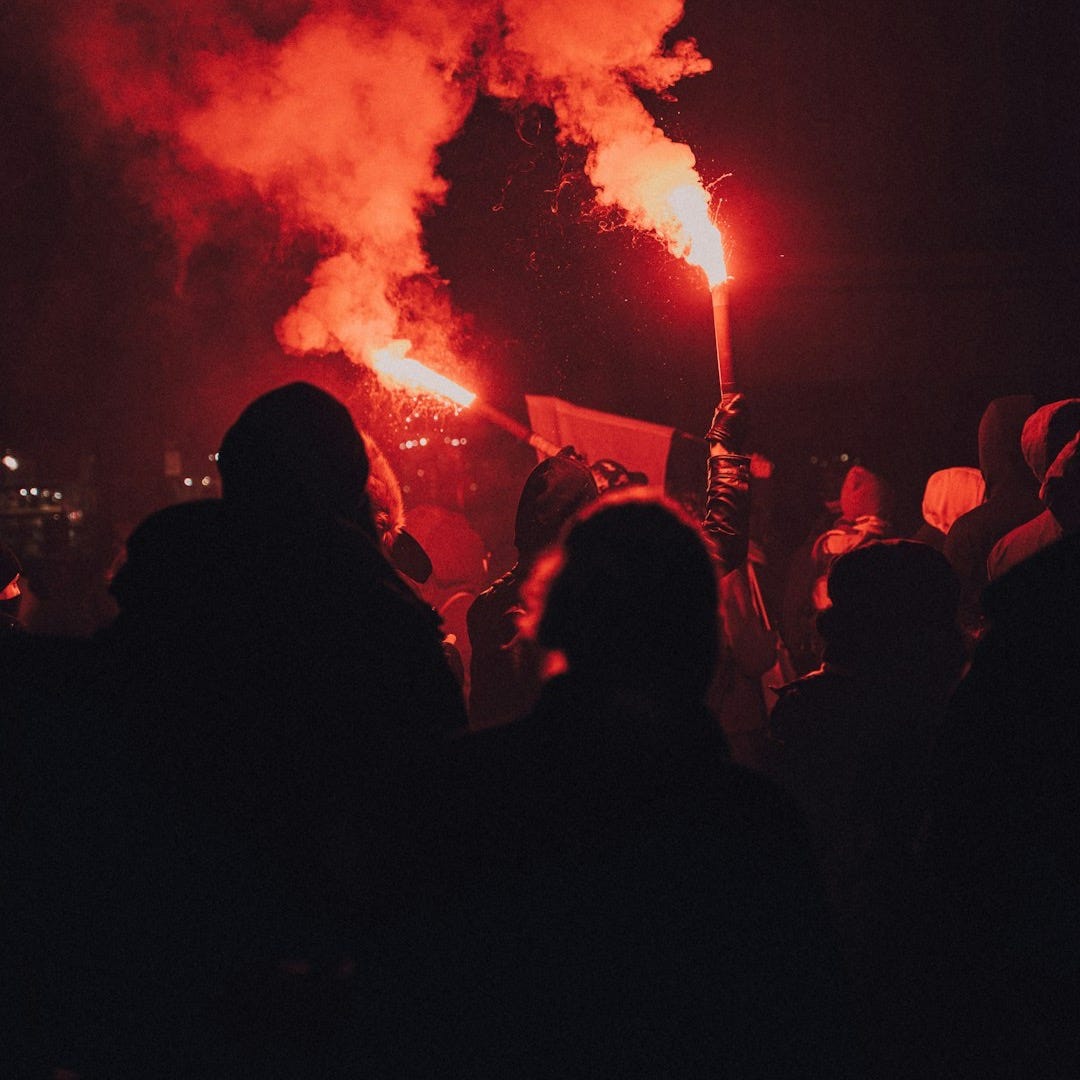
France has experienced its worst unrest in years, with hundreds of thousands demonstrating, widespread rioting and thousands of arrests. Curfews and restrictions on demonstrations have followed, but the underlying grievances remain.
The government’s options are constrained by its financial position. France is attempting substantial budget savings while carrying public debt equivalent to approximately 119% of GDP. Rising borrowing costs have further complicated its efforts to respond.
Elsewhere, protests over housing, wages, education and public services have affected several countries. In Italy, demonstrations and transport disruption linked to high fuel prices have interrupted food production and distribution, adding the economic consequences of the Iran war to existing domestic difficulties.
These movements have different causes and political characteristics. What they share is a difficult economic backdrop.
Governments face growing demands for improved living standards at a time when their capacity to finance meaningful improvements is limited. Policing might attempt to contain disorder with mixed results but it cannot by itself resolve the economic dissatisfaction driving much of the unrest.

Two approaching elections could alter the political calculations surrounding several major international conflicts.
Israel votes on 27 October, with Prime Minister Benjamin Netanyahu facing a closely contested parliamentary election. Neither principal bloc is projected to secure a majority, leaving coalition negotiations potentially decisive.
Trump has endorsed Netanyahu, while Israel’s military activities towards Iran and the possibility of renewed hostilities have added another dimension to the political environment.
The United States holds congressional midterm elections on 3 November amid declining presidential approval and widespread dissatisfaction with high fuel prices.

The international consequences are already apparent. Iranian officials have acknowledged deliberately prolonging negotiations to deny Trump a diplomatic success before the vote. American and Israeli military planners are considering further operations against Iran after the elections, although no decision has been announced.
Neither election will resolve the underlying conflicts. Their outcomes could nevertheless influence the political circumstances in which subsequent decisions are made, particularly over Iran and the direction of American foreign policy.

The international system has demonstrated considerable resilience.
Oil continues to reach markets despite attacks on shipping. Diplomatic channels remain open even as military preparations continue. European governments retain authority despite widespread unrest. Elections offer opportunities for political change.
Yet much of that resilience depends on increasingly costly arrangements, uncertain commitments and decisions that have been postponed rather than resolved.
Military protection has helped maintain oil supplies without ending the conflict threatening them. Diplomatic engagement has continued without reassuring American allies about the reliability of their support. European governments have contained some of the immediate disorder without resolving the economic grievances beneath it.
The distinction between adapting to disruption and resolving its causes is becoming increasingly important.
The world is still functioning. What is becoming less certain is how long its existing arrangements can continue to absorb the strain.