


Conventional fighting continues, but this week showed how wars that fail to produce decisive results increasingly spread into the economies and systems that sustain them. Iran and Russia offered the clearest examples.
There was no decisive military or diplomatic shift this week. Instead, some of the clearest developments occurred away from the battlefield.
The US-Iran negotiating window expired without a broader settlement, but Washington’s response increasingly centred on economic coercion. In Russia, Ukraine’s long-range campaign continued against refineries, industrial facilities and logistics while fuel shortages deepened. At the same time, the cost of defending against missiles and drones remained an increasingly visible constraint.
The common thread is straightforward. Conventional military force has not produced decisive outcomes, so the contest is spreading into trade, finance, energy, logistics and the resources required to keep fighting. The battlefield remains important, but it is no longer the only place where these wars are being fought.

Sixty days after President Donald Trump signed a memorandum of understanding with Iran, the deadline for turning it into a broader settlement expired. Hormuz remained constrained, detailed nuclear negotiations had not begun and Washington resumed its blockade of Iranian ports while withdrawing sanctions waivers that had briefly allowed Iranian oil sales.
The response is increasingly economic. The UAE suspended financial and economic transactions with Iran after weeks of pressure from Washington to target Iranian financial networks. The significance is practical: Dubai has long served as an important gateway for Iranian imports, foreign currency and sanctions-evasion networks.
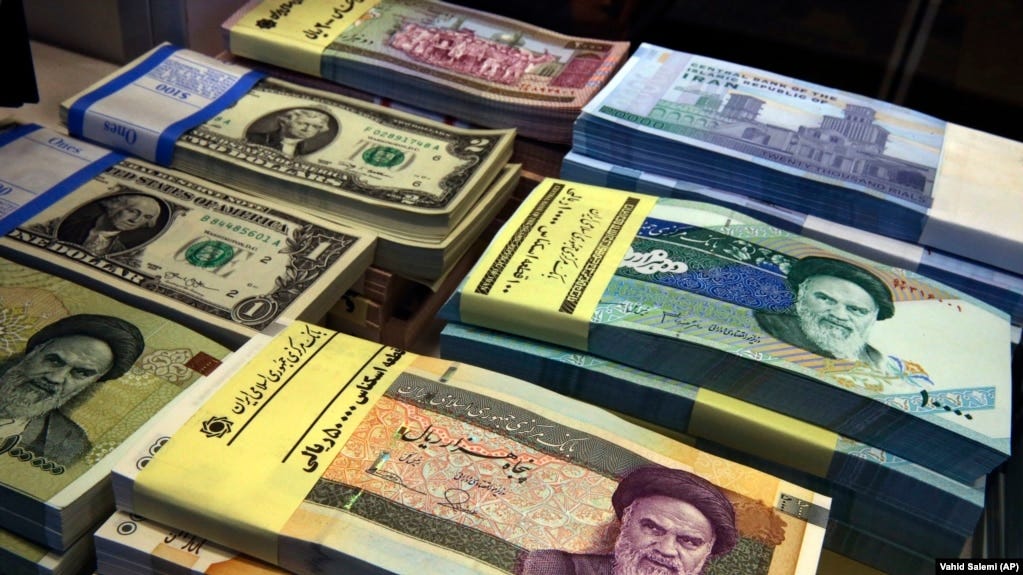
Washington is now preparing what Treasury chief Scott Bessent called “the toughest sanctions in history”. Meanwhile, the US military is moving oil through Hormuz using a protected southern corridor near Oman.
None of this has ended the military confrontation. Instead, economic isolation, access to trade and the ability to move oil are becoming another front in it.

Ukraine’s campaign inside Russia is following a different path towards a similar objective. Neither Russia nor Ukraine is making significant battlefield progress, while Kyiv has intensified long-range attacks against military, industrial and logistical targets far from the front.
British-made drones have now been used in strikes inside Russia. Ukrainian forces are also using domestically produced FP-1 drones capable of flying more than 1,000 miles. Refineries and logistics facilities have been among the targets.
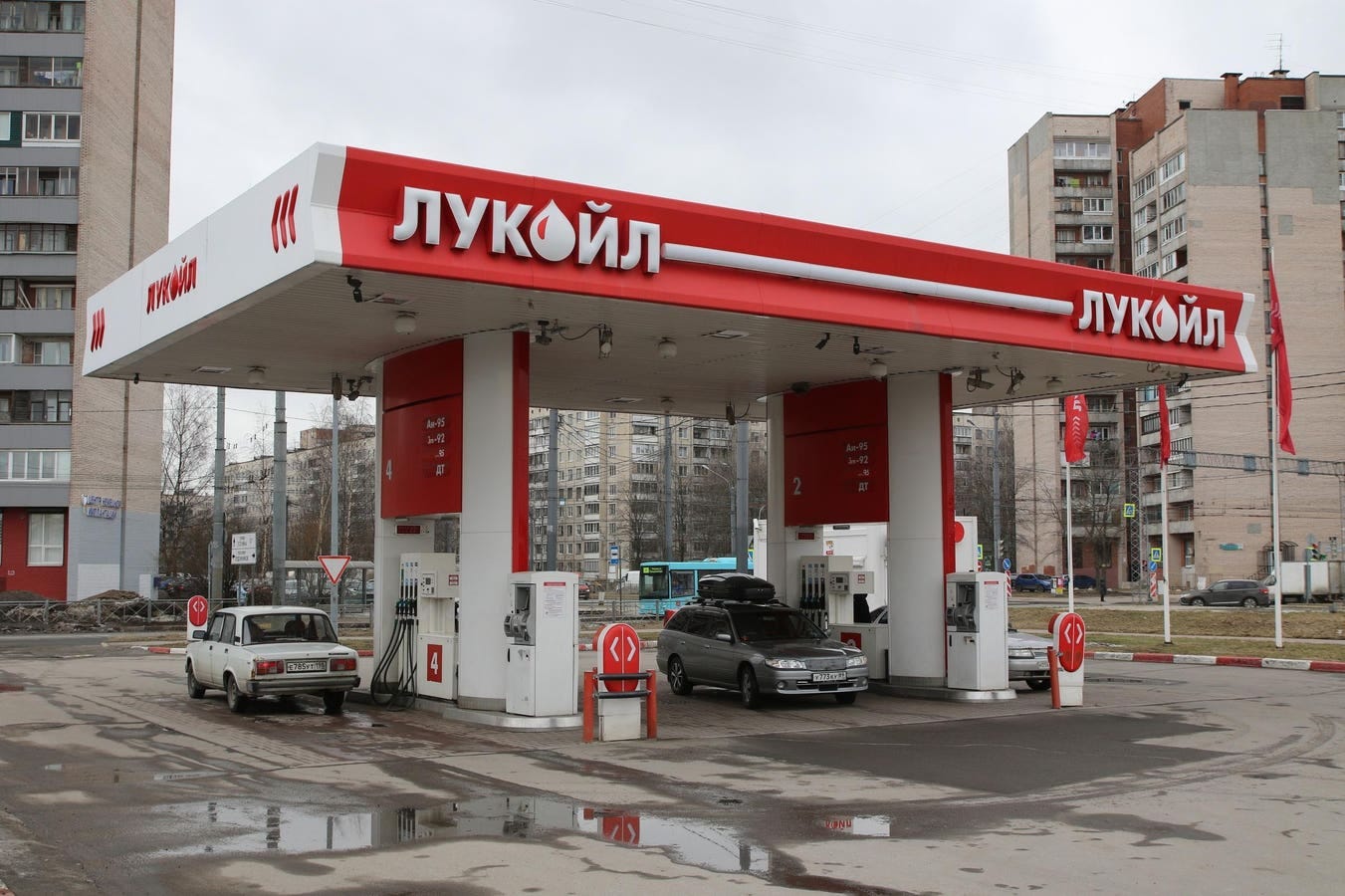
The domestic consequences are becoming harder to ignore. By Wednesday, petrol was available at only 28% of Russian filling stations, down from 41% a week earlier. Moscow has banned fuel exports, increased imports and reintroduced lower-grade petrol.
Separate strains are appearing in the financial system. Russian depositors withdrew 286.4 billion roubles in the first two weeks of August amid fears that private savings could be seized to finance the war.
The military campaign continues, but the economic effects are increasingly reaching ordinary Russians.

The week’s other recurring lesson was the cost of sustaining modern warfare, particularly when relatively cheap drones and large missile salvos have to be countered by sophisticated defensive systems.
Ukraine’s Patriot launchers are sitting empty as it runs short of interceptors capable of destroying Russian ballistic missiles. President Volodymyr Zelensky says Ukraine needs 5% of the US stockpile to survive the winter but currently has only 1%. Russia, meanwhile, has built or expanded at least 10 drone bases containing at least 59 new launch rails.

The problem extends beyond Ukraine. Taiwan has proposed a record NT$1.12 trillion defence budget for 2027, an increase of 18.2% from this year.
The proposed US Golden Dome missile-defence system illustrates the scale at the other end. The administration estimates a cost of $185 billion, while the Congressional Budget Office puts the potential cost at $1.2 trillion over 20 years. Even then, the CBO says it would not provide an impenetrable shield against a large Russian or Chinese attack.

None of these developments means conventional warfare is disappearing. Fighting continues, weapons are being produced and governments are spending more on military capacity.
What was abundantly clear this week was not the nature of war so much as the visibility of its other fronts. Washington is trying to restrict Iran’s access to trade and finance. Ukraine is attacking the infrastructure supporting Russia’s economy and war effort. Governments facing missiles and drones are confronting the cost of maintaining adequate defences.
The result is a broader contest over who can keep trading, financing, supplying and defending for longer.
When battlefield force does not deliver a decisive outcome, the capacity to sustain the conflict becomes part of the fight.