


This was not a week of decisive turns. It was a week of alignment and counter-alignment of mechanisms being built, positions clarified and pressure sustained. In multiple theatres, negotiation frameworks remained active, yet agreement appeared distant.
The Gaza reconstruction initiative advanced without full multilateral consensus. Talks involving Iran proceeded alongside a massive military buildup. Ukraine negotiations continued but without narrowing core differences. Meanwhile, governments reassessed strategic dependencies, and the global technology sector faced political scrutiny and infrastructure strain.
The pattern is one of uncomfortable continuity rather than inflection: disputes persist, diplomacy remains active, and structural tensions deepen rather than resolve.
The Board of Peace, the emerging US-led mechanism around Gaza reconstruction and stabilisation illustrates a shift toward coalition-based diplomacy operating both alongside and at times outside established multilateral channels. Financial pledges and troop offers have been tabled, yet questions remain over mandate, governance, and the precise role of the United Nations.
European hesitation and the Vatican’s decision not to participate signal that alignment is incomplete. Rather than replacing formal institutions, the initiative appears to supplement them, reflecting impatience with existing processes and a preference for faster-moving arrangements.
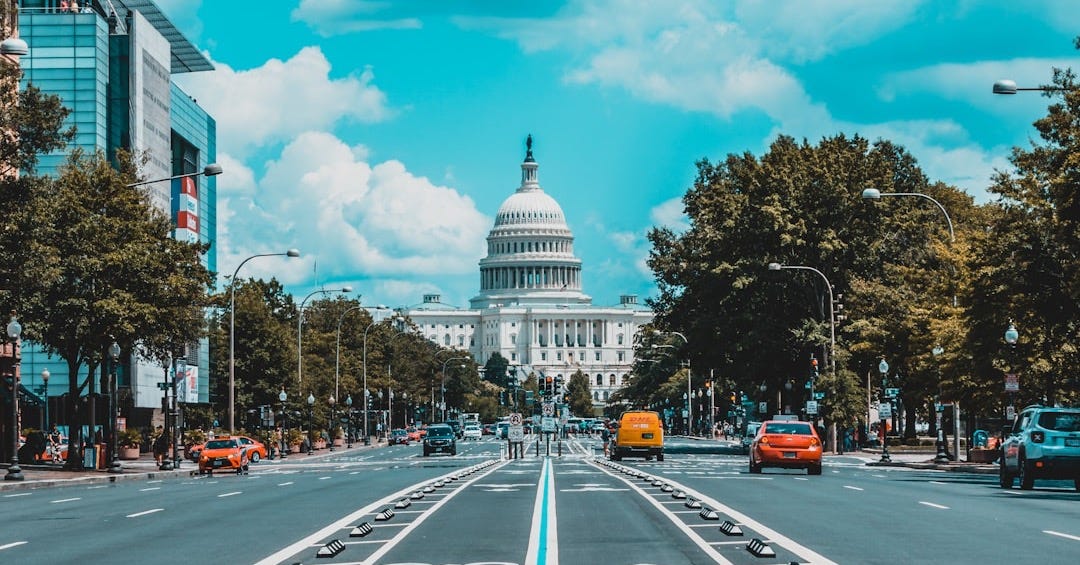
This approach signals a broader pattern in US statecraft: creating structured forums tailored to immediate objectives rather than relying solely on standing institutions. Whether this produces efficiency or fragmentation will depend on how durable the coalition proves and whether it can secure legitimacy beyond its founding members.

Indirect talks involving Iran continued, yet the diplomatic track unfolded alongside explicit deadlines, warnings, and heightened regional deployments. Statements at the United Nations underscored language around retaliation and legitimate targets, reinforcing the dual-track nature of the engagement.

The Diego Garcia dispute became entangled in the same strategic landscape, illustrating how geography and basing rights intersect with broader security calculations. Rather than separating diplomacy from deterrence, the week demonstrated how closely intertwined they have become.
The structure resembles negotiation under pressure rather than negotiation toward compromise. Talks remain open, but escalation risk remains present and ever more likely.

Repeated rounds of discussion on Ukraine were described as difficult, with territory identified as the central obstacle. The sequencing debate whether territorial questions or security guarantees should come first continues to block meaningful movement.
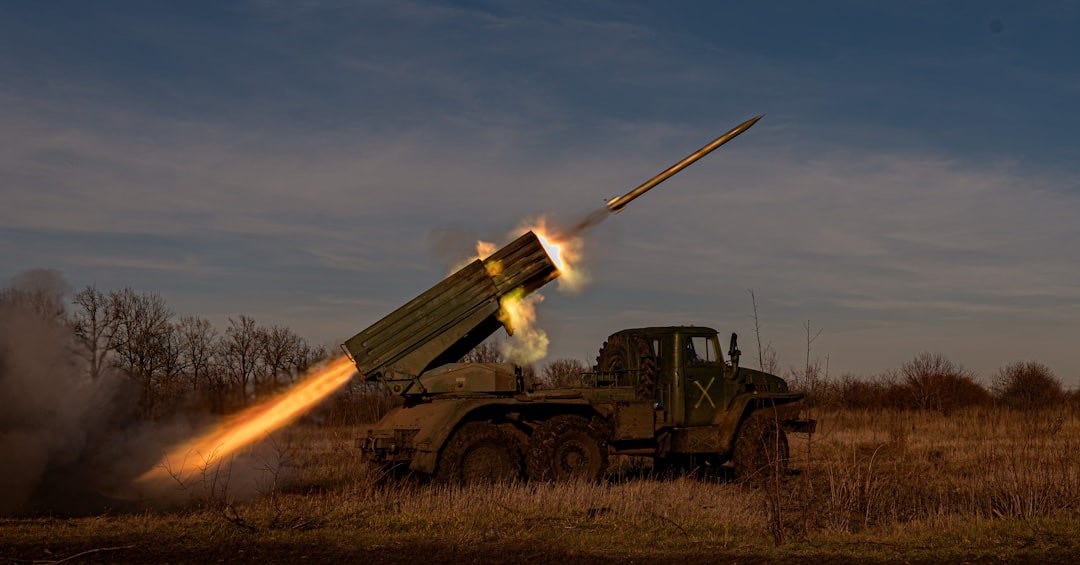
There is little evidence that positions have narrowed. Instead, the diplomatic process appears to coexist with ongoing operational realities on the ground.
The tone this week suggests that agreement remains far off. The war continues to shape leverage, and the bargaining phase has not yet produced any meaningful convergence.

A broader recalibration among middle and major powers continued to take shape. European leaders emphasised stronger defence co-ordination and deterrence language. Canada signalled domestic defence expansion. Germany balanced resistance to tariff pressure with outreach to China framed as a strategic partnership.

The connective thread is hedging. Governments are neither severing ties nor embracing dependency; they are diversifying relationships and reinforcing domestic capacity.
This trend reflects an international environment in which reliance on a single security or trade anchor appears riskier. Strategic autonomy, once rhetorical, increasingly manifests in policy decisions from procurement to diplomatic positioning. The week did not produce a formal bloc realignment, but it reinforced a steady diffusion of strategic weight away from rigid alignments toward more flexible, situation specific, arrangements.

The technology sector faced pressure on multiple fronts. An AI summit exposed tensions between leading firms, with rivalry between OpenAI and Anthropic surfacing publicly. Mark Zuckerberg provided testimony amid regulatory scrutiny, while Spain sought probes into platform practices.

Simultaneously, surging demand for AI data centres drove up memory chip prices, creating spillover effects for other consumer electronics. The economic consequences of AI expansion are now visible beyond software extending into hardware supply chains and pricing.
Three dynamics converge here: fragmentation within the AI industry, intensifying political oversight of platforms, and physical infrastructure constraints driven by data centre expansion. Rather than a single crisis, the sector faces distributed friction. Innovation continues, but governance and supply capacity are struggling to keep pace.

Taken together, the week reflects persistence rather than rupture. Diplomatic initiatives multiply, yet settlements remain distant. Military posture and negotiation coexist. Middle powers hedge rather than align definitively. Technology advances, but under regulatory and material pressure.
There is no single inflection point only layered adjustments across domains. The global system appears to be adapting incrementally to prolonged tension, not resolving it. If a deeper turn is coming, it has not yet materialised. For now, the pattern is endurance: structured talks, sustained conflict, and cautious recalibration.