


The conflict with Iran is no longer being defined by strike tempo alone. Maritime control, congressional scrutiny and alliance positioning are increasingly shaping how the war is unfolding.
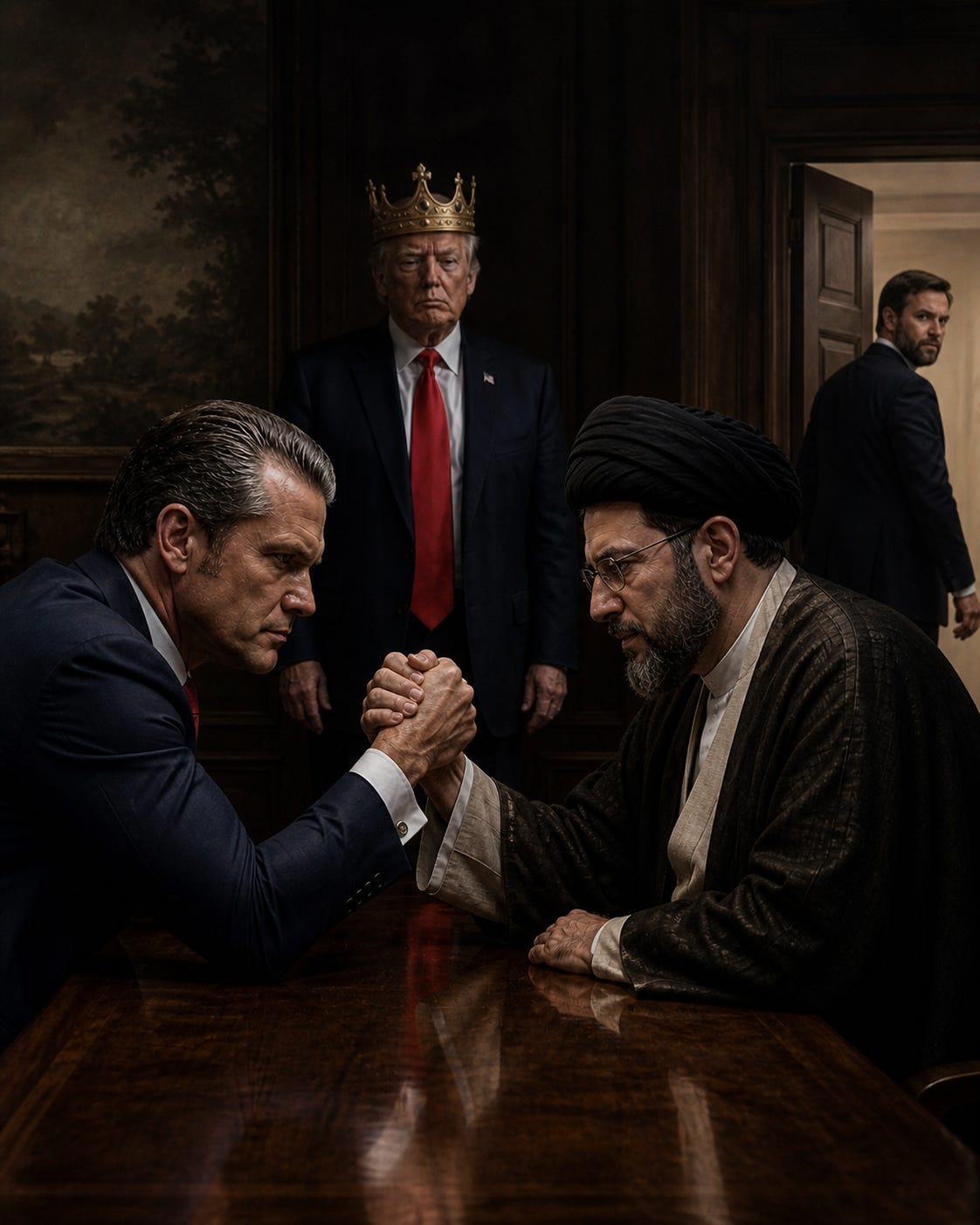
The tempo of the Iran conflict is changing. What began as a campaign shaped primarily by strikes and immediate military leverage is settling into a slower contest over access to sea lanes, political timelines in Washington and coordination with allies.
The United States signalled that its naval blockade could continue for months even as lawmakers examined rising cost estimates and questioned the legal basis for continuing operations beyond sixty days. Carrier deployments rotated without resolving the standoff in the Gulf, while traffic through the Strait of Hormuz remained constrained and energy markets continued to respond to disruption in the waterway.
The conflict now appears less defined by decisive action than by how long each side can sustain its position.

Early expectations that the conflict might be resolved through escalation or a short campaign continued to fade as the naval blockade settled into place as the main instrument shaping events.
Washington signalled that restrictions on Iranian oil exports could remain in force for months. Shipping attempting to move through the Strait of Hormuz continued to face disruption under competing US and Iranian controls, reinforcing the importance of maritime access rather than territorial movement in determining the pace of developments.
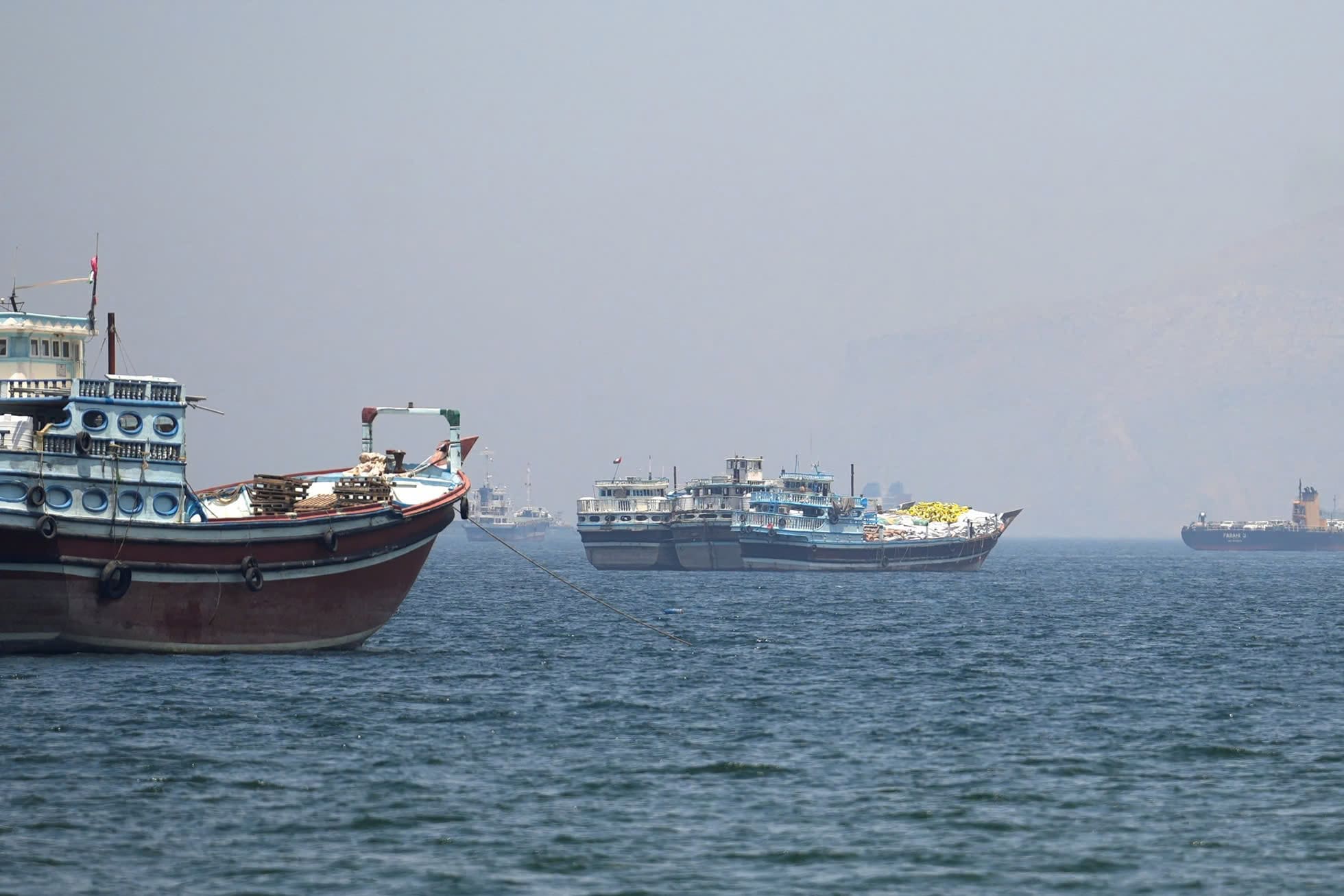
Military planners continued preparing options linked to infrastructure targets and Iran’s nuclear programme, but those options remained under review rather than execution.
Control of movement at sea is now doing more to shape the direction of the conflict than any additional strike activity.

The conflict’s domestic political dimension also became more visible as the timeline of operations began to intersect with legal and budgetary constraints in Washington.
Administration officials argued that the ceasefire paused the War Powers clock that would otherwise have required congressional authorisation after sixty days of hostilities, a position critics said had no legal basis. At the same time, lawmakers examined revised estimates placing the cost of the war closer to $50bn, roughly double earlier figures presented in testimony.
Replacement of expended munitions is expected to take several years, while losses included multiple MQ-9 Reaper drones and damage to American facilities linked to Iranian action.
These developments placed resource timelines and congressional oversight more firmly inside the conflict itself rather than alongside it.

The war continued to shape relations between Washington and its European allies in ways that are becoming harder to treat as background disagreement.
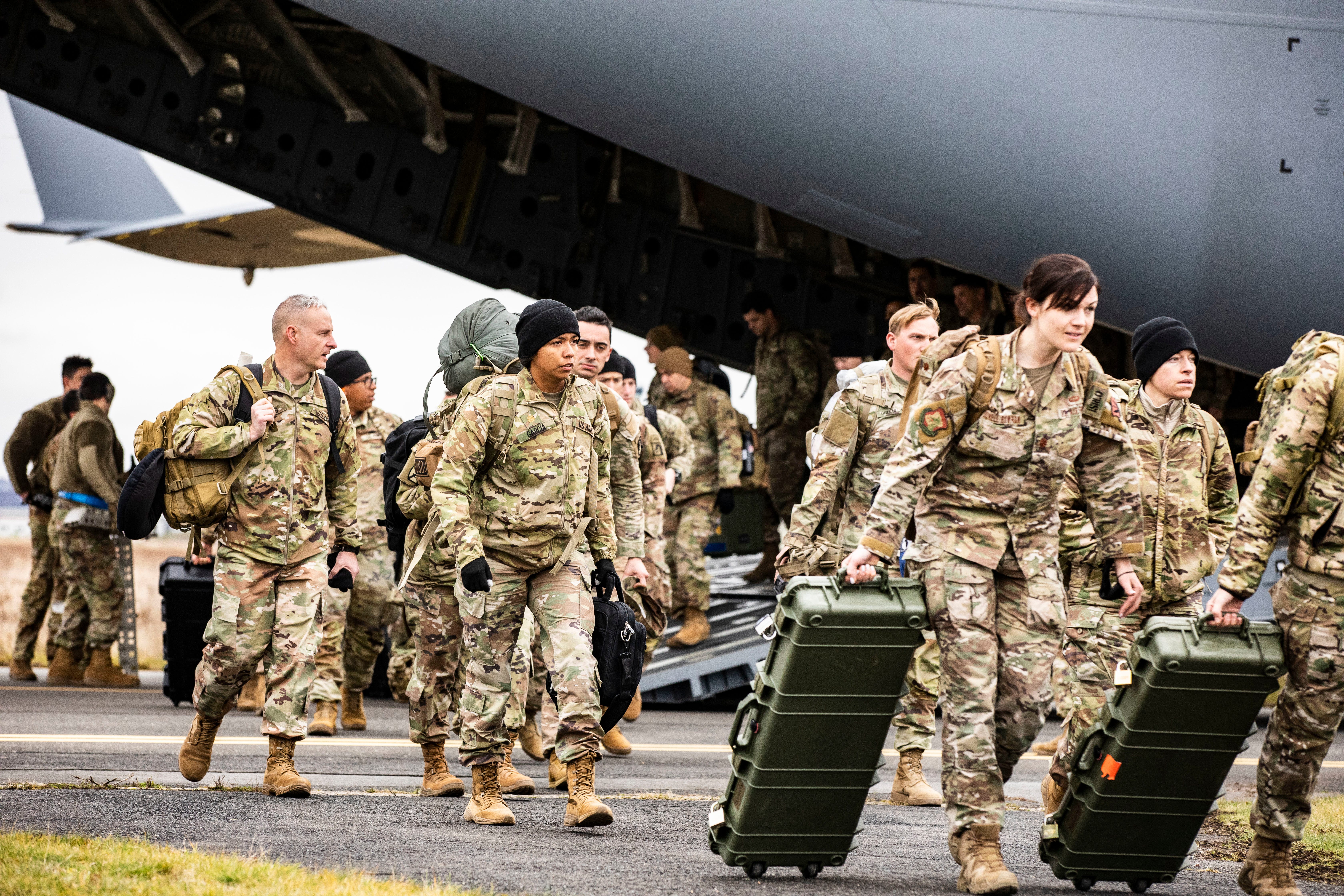
The United States reviewed whether to reduce troop levels in Germany and indicated possible withdrawals from Italy and Spain after criticising their response to the conflict and their absence from maritime operations linked to the Strait of Hormuz. German Chancellor Friedrich Merz publicly questioned the American approach and warned that wars require not only entry strategies but exit strategies.
At the same time, NATO members considered whether to reduce the frequency of alliance summits following tensions with Washington, while King Charles III addressed Congress with remarks emphasising democratic institutions, alliance continuity and support for Ukraine.
Coordination across the alliance remained barely intact but increasingly shaped by disagreement over how the conflict should be managed.

Energy remained one of the main channels through which the conflict continued to influence conditions beyond the Gulf.
Traffic through the Strait of Hormuz remained constrained, helping keep oil prices at multi-year highs and reinforcing the central importance of the waterway to the wider consequences of the war.
The effects extended further into financial systems as Japan intervened in currency markets after yen weakness raised concerns about rising import costs linked in part to energy exposure.
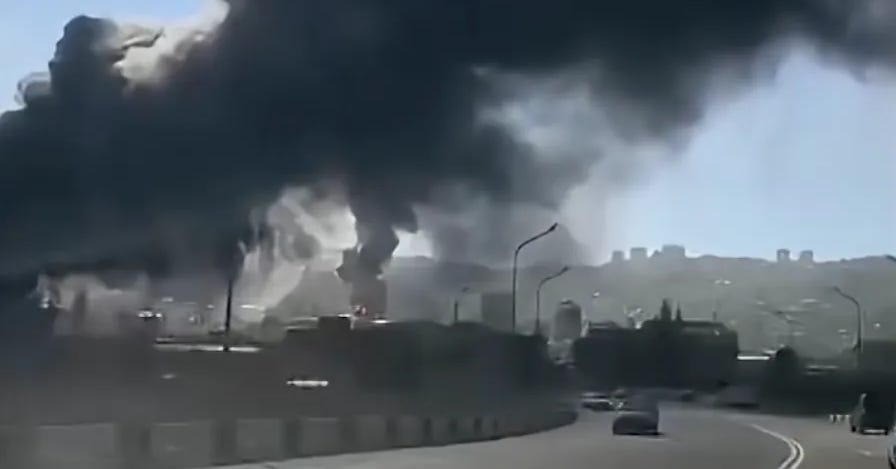
At the same time, Ukrainian strikes on Russian refining infrastructure continued to affect refinery capacity and export flows. These developments reflected how disruption linked to energy transport and production continues to connect the conflict to markets and infrastructure far beyond the immediate theatre.

The past week did not bring any movement toward settlement, nor did it produce a new phase of escalation. Instead, the conflict increasingly took the shape of a longer contest defined by maritime restrictions, congressional oversight and alliance coordination.
Control of shipping through the Strait of Hormuz remained central to how events are unfolding, while cost estimates and legal timelines in Washington began to shape the political environment surrounding the campaign. At the same time, energy disruption continued to transmit the effects of the conflict into currency markets and infrastructure beyond the region itself.
Rather than moving quickly toward resolution, the war now appears set to unfold over what could be an extended timeframe.