


A number of this week’s developments suggested that the immediate risk of escalation around the Iran conflict may have eased slightly, but they also showed how quickly its consequences were spreading across energy markets, alliance politics and diplomatic positioning.
The result was not an immediate turning point so much as a redistribution of strain across the international system and what could be the start of a meaningful realignment of great power positioning.
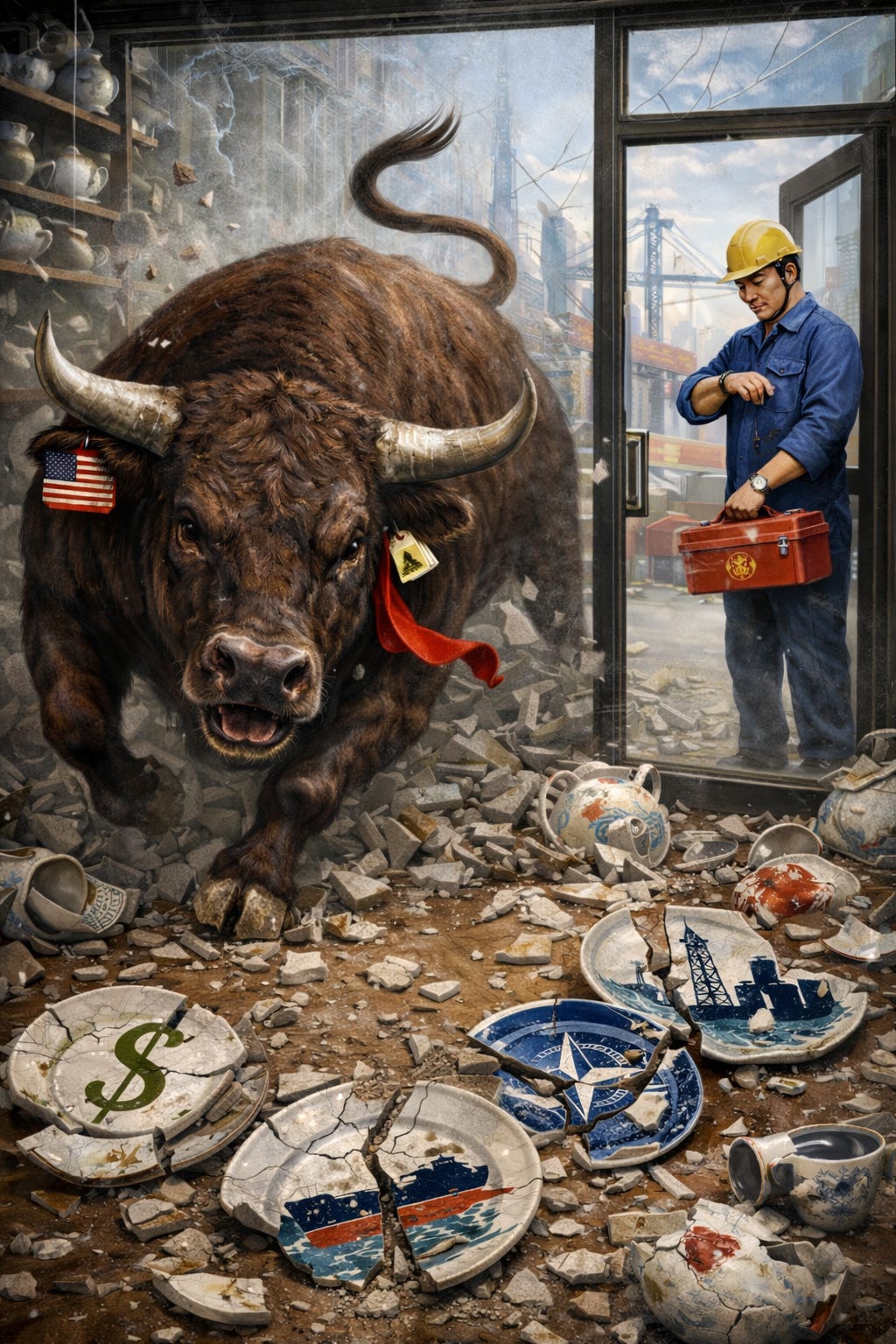

By the end of the week, the Iran conflict appeared to be moving into a phase defined less by direct confrontation and more by negotiation conducted alongside continuing coercive measures. Talks between the United States and Iran moved intermittently forward through mediators including Pakistan, even as Washington maintained its blockade of Iranian maritime access and continued to insist that Tehran could not obtain a nuclear weapon.

At the same time, diplomacy widened around the edges of the conflict. A temporary ceasefire between Israel and Lebanon created space for direct contacts between the two governments, although Israel retained troops in southern Lebanon and Hezbollah was not formally part of the agreement.
On the periphery China seemed to be continuing to burnish its reputation for stability and calm as it rides out this crisis well prepared and offers both an alternative global geopolitical leadership & financial orientation away from long established dollar dominance.
Even if a peace agreement is made without further conflict, enormous structural damage has been done in Iran, the Gulf States, Israel and Lebanon with reconstruction seen as a prize worth having.
Together, these developments suggested that negotiations were beginning to shape the conflict environment and while not yet resolving the underlying disagreements that produced it perhaps starting to shine a glimmer on post conflict opportunities.

Even as diplomatic activity increased, governments and markets continued adjusting to disrupted shipping through the Strait of Hormuz. European leaders began preparing a defensive maritime initiative to secure navigation once conditions allowed, while commercial operators remained cautious about the timing of any return to normal traffic.
Elsewhere, countries in Asia responded by strengthening alternative supply arrangements. Malaysia and Australia confirmed plans to maintain oil and gas flows between them, reflecting efforts to compensate for disruptions linked to the conflict.
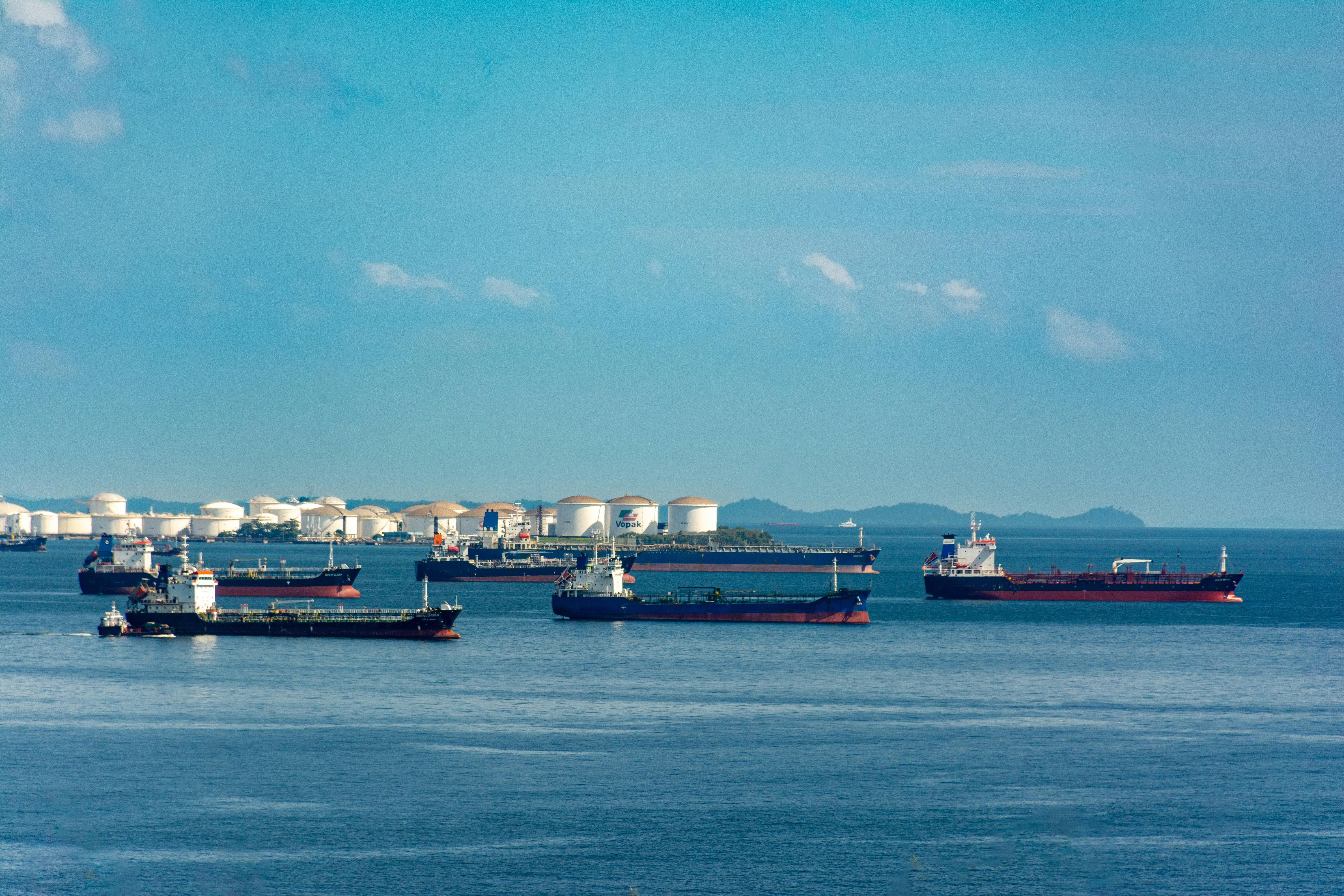
The United States also increased crude oil exports as buyers in Asia and Europe sought replacements for Middle Eastern supply, illustrating how quickly global energy routes were being reorganised around the new environment.
Rather than waiting for stability to return, both governments & markets appeared to be planning for continued uncertainty.

The week also revealed growing differences among Western partners over how to respond to developments around Iran. Britain and France declined to participate in the US maritime blockade while continuing to explore a separate defensive initiative focused on protecting shipping once conditions allowed.
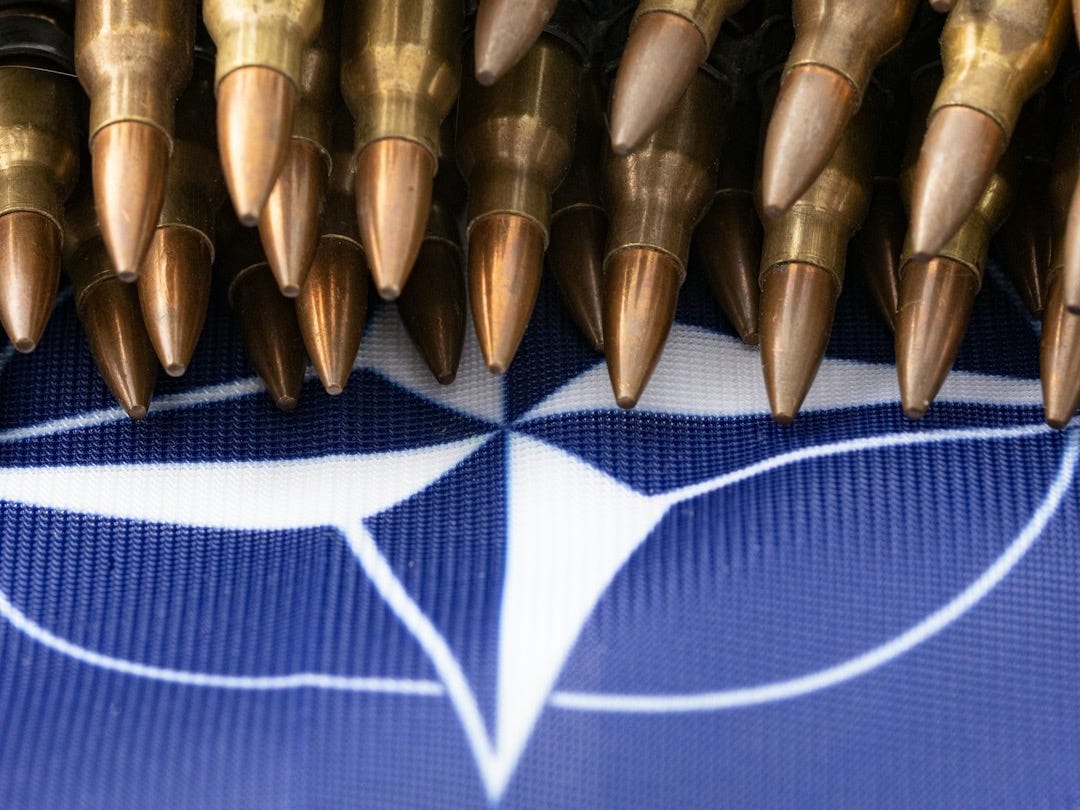
At the same time, Washington indicated that previously agreed weapons deliveries to several European countries would likely be delayed because of demands created by the Iran conflict alongside existing commitments linked to Ukraine and Israel.
These developments did not signal a break inside the alliance, but they did underline how the conflict was redistributing military resources and shaping different national assessments of risk and priority.

Political developments across Europe suggested a more subtle shift in how some right-of-centre governments positioned themselves in relation to the United States. Italy’s decision to suspend renewal of its defence agreement with Israel followed tensions linked to the Lebanon conflict, while Prime Minister Giorgia Meloni also publicly criticised remarks by Donald Trump about Pope Leo.
In Hungary, Viktor Orbán’s defeat, seen as a blow for both the US and Russia, ended one of the European Union’s most persistent internal veto points and was followed by strong indications from the new leader, Péter Magyar that Budapest could allow progress on a €90 billion Ukraine financing package.
These moves did not represent a shift away from conservative politics, but they did indicate a willingness among some European leaders to prioritise national and regional positioning over alignment with Washington’s current approach to the conflict and to the more radical elements of MAGA itself.

While attention remained focused on Iran and the Strait of Hormuz, other conflicts continued to evolve in ways that reinforced the wider sense of instability. Russia carried out one of its deadliest attacks on Ukraine in months using hundreds of drones and missiles against several cities, as Kyiv warned of shortages in air-defence interceptors.
At the same time, although donors pledged more than £1 billion in humanitarian assistance for Sudan prospects remain bleak as the country entered a fourth year of war with no ceasefire in sight.
Together these developments illustrated how multiple conflicts continued to compete for both public & diplomatic attention and military resources even as the Iran crisis dominated headlines.

Across the week as a whole, the most striking feature was not a decisive change in any single theatre but the accumulation of adjustments across several. Negotiations advanced without resolving underlying disputes, supply routes were reorganised rather than restored, and political positioning shifted gradually rather than dramatically.
The result was a week that suggested tentative stabilisation in some areas, but also confirmed how widely the consequences of the conflict were already shaping the international landscape.