


A regional conflict began to ripple outward this week, exposing vulnerabilities in energy markets, alliances, and the wider geopolitical balance.
The week’s news cycle was dominated by the expanding conflict between the United States, Israel and Iran. What initially appeared as a concentrated military campaign quickly began to reverberate through the global system.
Oil shipments through the Strait of Hormuz slowed sharply as attacks on tankers and the deployment of naval mines threatened one of the world’s most critical energy corridors. Governments began preparing emergency responses, including large-scale releases from strategic oil reserves, while military forces moved to secure shipping lanes.
The conflict also triggered political consequences well beyond the Gulf. European governments warned that the war could reshape the balance of power in Ukraine, while allies from Canada to France moved to strengthen their own security posture.
In short, the story of the week was not simply a war in the Middle East. It was the moment that conflict began to transmit economic, military and political shocks through the wider international system.

The most immediate impact of the conflict appeared in the global energy system.
The Strait of Hormuz, through which roughly one fifth of the world’s oil normally flows, became the central strategic battleground. Iranian leaders warned that blocking the waterway would remain a key lever in the war, while US forces targeted mine laying vessels and warned that attempts to obstruct shipping would provoke retaliation.
Commercial traffic quickly slowed. Tankers were rerouted or delayed while hundreds of vessels waited outside the narrow corridor. Explosive attacks on fuel tankers near Iraqi waters reinforced fears that the confrontation could escalate into a sustained disruption of energy flows.
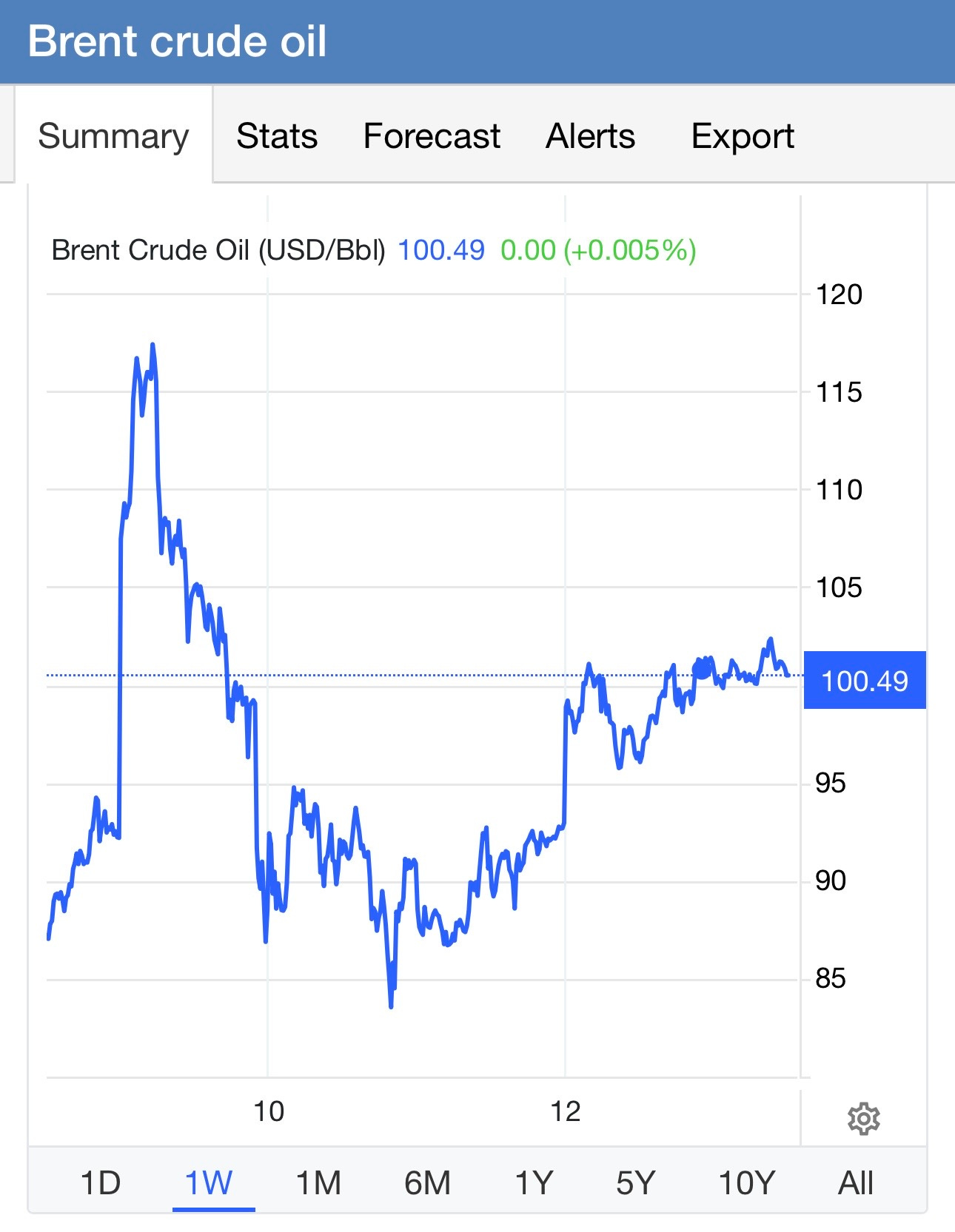
Markets responded immediately. Oil prices surged above $100 per barrel as traders priced in the risk of prolonged supply disruption. International energy authorities began planning the largest coordinated release of strategic reserves in history in an effort to stabilise markets.
The pattern illustrated how quickly a regional war can transmit shocks through global infrastructure. Energy supply routes, shipping lanes and commodity markets (especially fertilisers) all became immediate theatres of the conflict.

While the war’s military focus lay in the Gulf, its geopolitical consequences were felt elsewhere.
European officials warned that the conflict risked strengthening Russia’s position by redirecting global attention and disrupting energy markets. With Western governments and militaries focused on developments in Iran, Moscow could benefit from both political distraction, higher energy prices and shifting commodity flows.
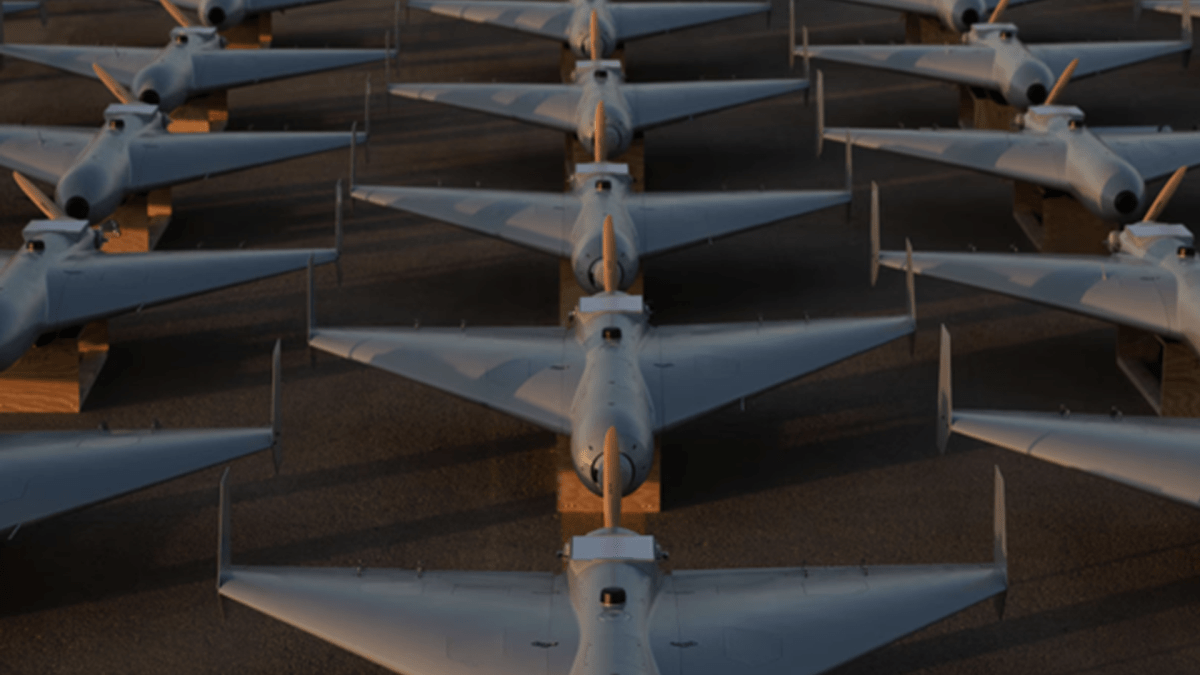
Reports during the week suggested that Russia had already begun providing intelligence support and drone tactics to Iranian forces. At the same time, the United States authorised the sale of certain Russian oil cargoes that had already been loaded onto tankers, reflecting the pressure to stabilise global energy supplies.
Diplomacy also began to link the conflicts more directly. Discussions between Washington and Moscow touched on both Iran and Ukraine, underscoring how developments in one theatre were increasingly influencing calculations in another.
The result was a familiar geopolitical pattern. A regional war was not simply contained within its immediate geography but instead altered leverage across multiple strategic fronts.

The war also accelerated a broader trend already visible in global politics: the return of economic intervention as a central tool of statecraft.
Faced with the prospect of a major energy shock, governments moved rapidly to prepare market interventions. Strategic petroleum reserves became the first line of defence, with plans for massive coordinated releases designed to offset disrupted supply.
Trade policy also resurfaced as an instrument of national strategy even while the war in Iran raged. In Washington, new tariff investigations signalled a renewed willingness to use trade measures after a court setback had temporarily blocked earlier duties.
Meanwhile, Europe’s energy debate shifted again toward strategic capacity. Governments began revisiting nuclear energy as a tool for strengthening energy security, reflecting concern about reliance on vulnerable global supply routes.
Taken together, these developments illustrated a clear shift away from the assumption that markets alone would manage global economic stability. States were once again preparing to intervene directly in trade, energy and industrial policy when geopolitical shocks threatened supply.

The week also revealed a growing recognition among Western allies that the security environment is becoming more demanding.
France deployed naval forces to protect European interests in the eastern Mediterranean as the conflict spilled toward Cyprus. Canada announced plans for major defence spending in the Arctic, reflecting concerns about sovereignty and strategic competition in the region.
At the same time, new data confirmed that Europe has become the world’s largest arms importer, a sign of the continent’s accelerating rearmament since Russia’s invasion of Ukraine.

These decisions reflect a broader shift in mindset. Rather than assuming that existing alliances will absorb shocks automatically, governments are increasingly preparing to shoulder a greater share of their own defence and energy security.
The trend suggests that the current geopolitical environment is pushing even long-standing allies toward a more self-reliant posture.

If the week had a defining theme, it was the speed with which a regional war began to produce global consequences.
Energy markets, shipping routes and military alliances all reacted within days to the confrontation around Iran. Governments moved quickly to stabilise oil supplies, reinforce security commitments and reassess vulnerabilities in critical infrastructure.
None of these shifts alone marks a decisive turning point. Wars in the Middle East have disrupted markets and alliances before but this one feels different - the fact that the war was not triggered in response to an overt act and that no attempt at coalition building was attempted before hostilities were launched hang over the context of this fight.
Taken together, the events of the week illustrate how tightly interconnected the modern international system has become. A conflict that began with strikes on Iranian military infrastructure quickly spread into energy markets, global diplomacy and the strategic calculations of powers far from the battlefield.
The war may thus far remain geographically contained. Its effects on the global system, however, are already being felt.