


Several of the temporary arrangements that had contained international tensions came to an end this week. The collapse of the U.S.-Iran ceasefire, a more uncompromising Russian position on Ukraine and a series of political transitions across major democracies all suggested that governments are moving beyond short-term holding patterns into a more uncertain strategic environment.
The ceasefire between the United States and Iran has given way to renewed military confrontation. Iran resumed attacks linked to commercial shipping in the Strait of Hormuz, the United States responded with further strikes, Israel warned it was prepared to attack again if necessary and global energy markets immediately reacted to renewed uncertainty in one of the world’s most important shipping lanes.
At the same time, NATO emerged from its summit in Ankara having reaffirmed its unity without removing deeper questions over America’s long-term role in European security, while new reporting suggested Vladimir Putin has become more determined to continue the war in Ukraine despite growing military and economic pressure on Russia. Alongside these strategic developments, Britain, France, Colombia and the Philippines all entered important periods of political transition that will shape domestic politics well beyond this week.

The ceasefire between Washington and Tehran has ended. Iran resumed attacks linked to commercial shipping in the Strait of Hormuz, the United States launched another round of strikes, Iran retaliated against American bases in Kuwait and Bahrain, President Donald Trump declared the ceasefire over and Israel warned it was prepared to resume military operations against Iran with “even greater force” if required.
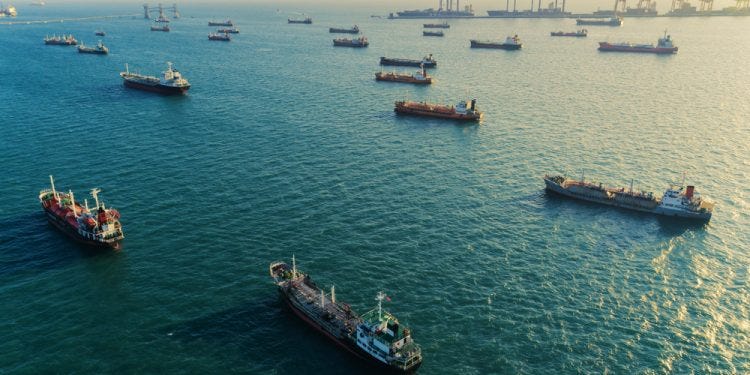
The consequences extended well beyond the battlefield. Qatar paused plans to increase production at its Ras Laffan LNG complex after attacks reinforced concerns over shipping through Hormuz, while vessel traffic through the waterway remained dramatically below normal levels. What had briefly appeared to be a contained regional conflict again became a source of uncertainty for global energy markets and international trade.
The pause created by last month’s agreement has ended. The question now is not whether the ceasefire can be restored, but whether the region moves towards another temporary arrangement or a more sustained period of military confrontation.

NATO left Ankara with renewed commitments and a measure of relief. Donald Trump reaffirmed support for Article 5, allies agreed further military assistance for Ukraine and Washington offered Kyiv a licence to manufacture Patriot interceptor missiles. The summit demonstrated that the alliance remains capable of producing collective decisions despite months of political uncertainty.

It also demonstrated how much the alliance has changed. Trump again pressed allies over defence spending, revisited disputes over Greenland and left unanswered questions about America’s longer-term military presence in Europe. European leaders welcomed the outcome while acknowledging that relations with Washington are likely to remain unpredictable.
Rather than resolving uncertainty, the summit illustrated how NATO is adapting to it. Greater European defence spending, expanded industrial cooperation and new military projects are increasingly serving both strategic and political purposes as allies seek to preserve cohesion within the alliance.

The war in Ukraine is imposing increasingly visible costs on Russia, but there is little indication those costs are changing the Kremlin’s objectives.
Ukraine continued to expand its long-range campaign against Russian energy infrastructure, contributing to restrictions on diesel exports as Moscow sought to protect domestic supplies. Russia has also stepped up efforts to disrupt Starlink communications used by Ukrainian forces, while previous reporting highlighted growing strains within parts of the country’s financial system.

Despite those pressures, reporting late this week suggested President Vladimir Putin has rejected suggestions of compromise and is instead preparing for further escalation, with the remaining Ukrainian-held areas of the Donbas still his immediate objective. Rather than encouraging restraint, Ukraine’s growing ability to strike inside Russia appears to have reinforced the Kremlin’s determination to continue the war.
Ukraine faces mounting pressures of its own. Patriot interceptor shortages continue to expose Kyiv to Russian ballistic missile attacks, even as Washington agreed to support domestic production of the system. The conflict therefore enters the second half of the year with both sides under increasing pressure but neither showing any willingness to moderate its objectives.

Several significant political transitions accelerated this week, each with potentially important domestic consequences.
In Britain, Andy Burnham moved to the brink of becoming prime minister after securing overwhelming backing from Labour MPs, while Nigel Farage resigned his parliamentary seat to force a by-election that he immediately pledged to contest. In France, Marine Le Pen confirmed she would seek the presidency after an appeals ruling left her eligible to run. In Colombia, the transfer of power briefly stalled after President-elect Abelardo de la Espriella accused the outgoing government of attempting to remain in office before President Gustavo Petro reaffirmed that he would hand over power at the end of his term. In the Philippines, the impeachment trial of Vice President Sara Duterte began under heavy security as her confrontation with President Ferdinand Marcos Jr entered a new phase.

These developments arose from very different political circumstances. Together, they illustrate how leadership contests, constitutional processes and electoral positioning are becoming defining features of the political landscape across several important democracies.

Temporary pauses rarely resolve international disputes. More often, they provide governments with time to regroup, reassess their options and prepare for what comes next.
This week suggested that several of those pauses have now run their course. The ceasefire between the United States and Iran has given way to renewed military confrontation, NATO continues to adapt to a more transactional relationship with Washington and Russia appears increasingly prepared to absorb mounting pressure rather than alter its objectives in Ukraine. At the same time, political transitions in several countries point to further uncertainty in domestic leadership and policymaking over the months ahead.
Whether these developments lead to wider confrontation or new attempts at diplomacy will become clearer in the weeks ahead. For now, governments across multiple regions are once again operating in an environment where the assumptions that held only a short time ago no longer apply.
Thank you