


Israel’s Allies Target West Bank Settlements (Geopolitics)
Netanyahu Faces New October 7 Warning Claim (Middle East)
US Expands Iran Sanctions Into Aviation (Middle East)
Oil Nears $100 As Middle East War Widens (Conflict)
US Escalates Canada Trade War With Import Bans (Trade)
Ukraine Seeks Patriot Missiles From Allied Stocks (Europe)
Huawei Goes on Trial in US Racketeering Case (Technology)
OECD Student Skills Fall to Record Lows (Society)
Hungary Expels 10 Russian Diplomats (Diplomacy)
Global Shipping Rules Begin to Fracture (Trade)
A succinct daily briefing delivered each weekday to help you stay on top of the stories shaping the world.

Britain, Canada and France have all announced sanctions targeting Israeli settlements in the occupied West Bank including restrictions on settlement goods. British Foreign Secretary Ed Miliband said Britain had concluded the occupation was unlawful and accused Israel of turning a blind eye to settler violence against Palestinians.
Israel responded by saying it would close the British Consulate General in East Jerusalem and impose restrictions on British officials. The measures come as Prime Minister Benjamin Netanyahu’s government continues settlement expansion, including plans for an area known as E1, which Britain and other countries have opposed.
The Trump administration did not publicly oppose the British initiative. U.S. officials said they shared concerns about Israel’s West Bank policy despite disagreeing with the sanctions.
The absence of public opposition signals Washington’s frustration with the Netanyahu government’s West Bank policy, while Secretary of State Marco Rubio said Washington shared the goal of stability and wanted to avoid increased violence or tensions.
Sources: New York Times, Axios

An Israeli newspaper report says Prime Minister Benjamin Netanyahu was warned by UAE President Mohammed bin Zayed that Hamas was planning a major operation shortly before the October 7, 2023 attack. Haaretz reported that bin Zayed raised the warning about a week and a half before the assault, saying it could cause bloodshed and destabilise the region.
Netanyahu’s office called the report an “absolute lie”, denied that the two leaders spoke during the period in question and said any relevant information would have passed through intelligence channels. The UAE Foreign Ministry declined to comment on speculation about conversations between leaders.
The allegation lands weeks before Israel’s national election. Former general Gadi Eisenkot, Netanyahu’s main opponent, accused him of ignoring dozens of warnings before the attack, while former prime minister Naftali Bennett said Netanyahu bore personal and direct responsibility for the failure that led to Israeli deaths.
Sources: Associated Press, The Guardian

The United States has imposed sweeping sanctions on Iran’s aviation sector, targeting 27 Iranian airlines and service providers across Turkey, Malaysia, Kazakhstan and the United Arab Emirates. The Treasury Department said the measures were intended to ground Mahan Air and expand restrictions across Iran’s remaining airlines, while disrupting procurement of US-origin aircraft and sensitive technology.
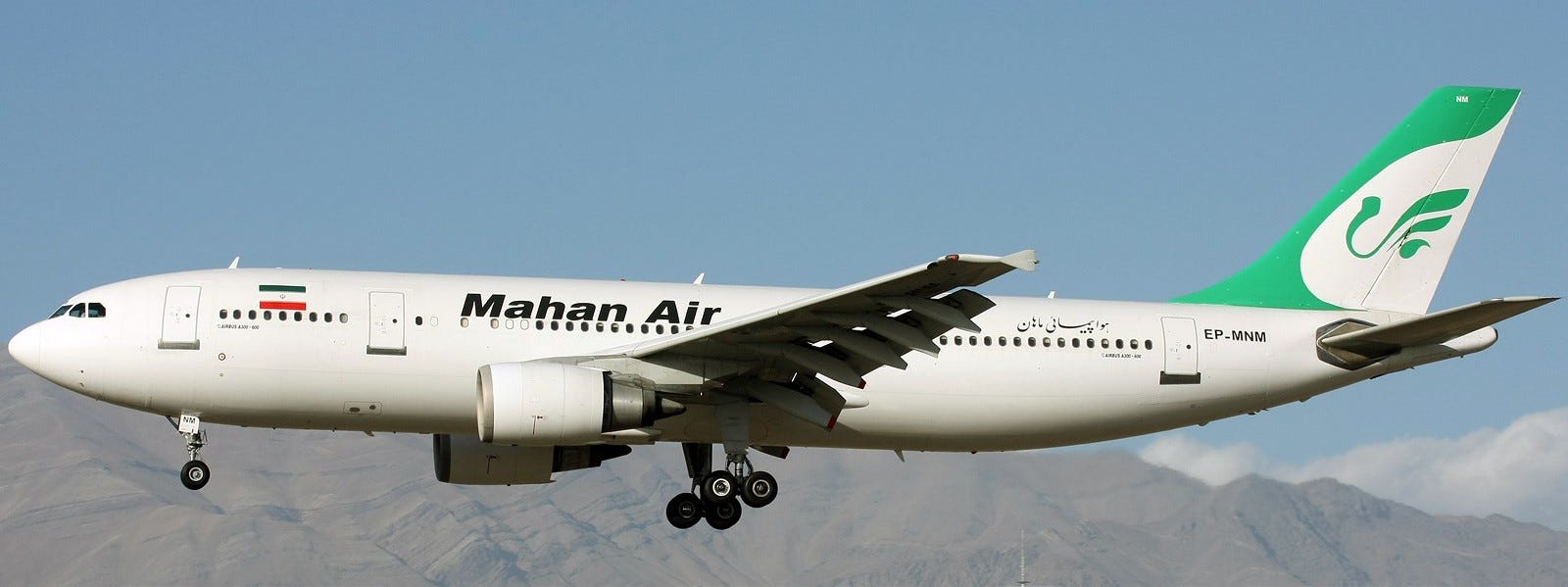
Treasury also suspended aviation authorisations covering overflights and non-US airlines operating US-origin or controlled aircraft into Iran. Treasury Secretary Scott Bessent warned that anyone doing business with Iran’s remaining airlines risked being cut off from the global financial system.
The measures extend Washington’s campaign beyond oil and shipping as the Middle East war enters a seventh month. Former US deputy special envoy Richard Nephew said the sanctions could hinder clandestine procurement, business and cargo transfers Experts and diplomats questioned whether further economic pressure would materially change Tehran’s behaviour.
Sources: Reuters, CNN

Oil prices surged toward $100 a barrel after Iran-backed Houthi attacks on Saudi Arabia injured 73 civilians and set oil installations ablaze, widening a conflict already disrupting shipping through the Strait of Hormuz and the Red Sea. Brent crude rose above $99, its highest level since late July, while West Texas Intermediate reached about $94.
Video of attacks on Iranian Crude Carriers - Video Central Command
Saudi authorities said fires temporarily disrupted operations at energy facilities in the south. The Houthis said they struck a Saudi airbase and oil assets in Abha, Najran and Jazan, while U.S. forces separately destroyed five Iranian crude carriers and Iran retaliated against a U.S. base in Jordan.
Capital Economics expects oil prices around $100 for the rest of the year, assuming Middle East energy flows do not return to prewar levels until early next year. Goldman Sachs warned prices could reach $120 if shipping attacks intensify.
Sources: New York Times, Reuters

The United States will ban imports of selected Canadian goods from September 29, including alcohol, dairy products and motorcycles, escalating a trade dispute that has already produced 50% tariffs and Canadian retaliation. President Donald Trump said Canada was discriminating against US commerce, while a senior administration official said the bans would affect imports worth single-digit billions of dollars.
Canada’s counter-tariffs on US goods, including steel, aluminium, dairy, appliances and electronics, took effect on Tuesday. Prime Minister Mark Carney has pledged to match US tariffs “dollar for dollar” and said Canada’s shift away from the United States as its largest trading partner would come at a cost.
Both governments say they want a trade agreement but no new talks have been scheduled since negotiations collapsed in late August. Trade expert Jonathan Doh called the import bans “extraordinarily unusual” for countries that had been close allies and trading partners.
Sources: Washington Post, BBC

Ukraine is contracting around 1,000 Patriot air-defence missiles with allied support and an EU loan but Defence Minister Yevhenii Khmara said most would arrive only in coming years. He asked Western partners to provide missiles from existing stocks now and take replacements from Ukraine’s future deliveries.
Germany has responded by authorising urgent transfers of PAC-2 interceptors from its national inventory, addressing an immediate requirement rather than adding another distant production order. Defence Minister Boris Pistorius did not disclose the quantity or delivery date, while warning that Russia could intensify attacks on ports, power stations and other infrastructure as temperatures fall.
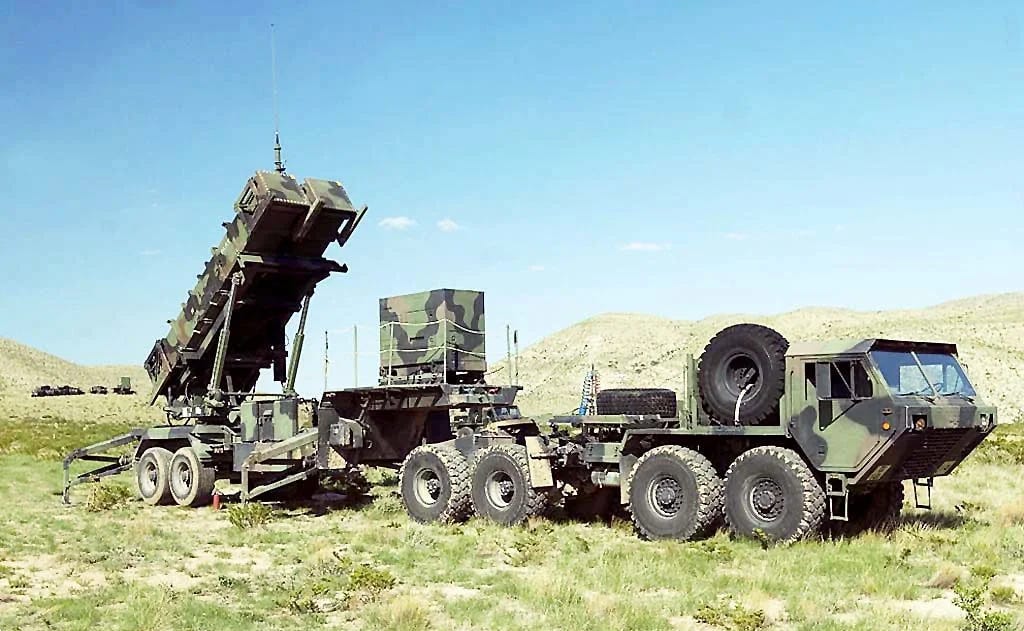
The request comes as Russia resumes near-constant drone and missile attacks on Kyiv following a brief pause for U.S. peace negotiators. NATO Secretary-General Mark Rutte said allies had no choice but to increase support so Ukraine could defend itself in the skies.
Sources: Reuters, Defence Matters

Huawei has gone on trial in New York after eight years of legal wrangling, facing 12 criminal counts including bank fraud, wire fraud, trade secret theft and racketeering. U.S. prosecutors accuse the Chinese technology group of running a decades-long scheme involving intellectual property theft, sanctions violations linked to Iran and misleading banks about its business there.
Huawei has pleaded not guilty and says the government’s “overarching narrative is demonstrably false”. The company argues that its growth came from long-term investment in research and development, while prosecutors say alleged wrongdoing helped build its global business.
The case lands as Huawei remains central to China’s technology sector and U.S.-China competition. If convicted, the company could face potentially enormous fines and forfeiture. The trial is expected to run for months. Prosecutors said they expect to finish presenting their case by November, with the defence then requiring about a month.
Sources: South China Morning Post, FT

Student performance across OECD countries has fallen to record lows with reading and mathematics showing the steepest declines. Between 2015 and 2025, average reading scores dropped 28 points and mathematics fell 22 points, while science proved more resilient. Advantaged students often declined faster than disadvantaged students, narrowing some socio-economic gaps because stronger performers fell back rather than weaker students improving.
The report links falling performance to increased digitalisation, longer screen time and less recreational reading. It warns that students are increasingly struggling to evaluate information, connect multiple sources and think critically, while the share of “hasty readers” nearly doubled between 2018 and 2025.
OECD Secretary-General Mathias Cormann said successful education systems focus on fewer areas in greater depth, invest in teachers and use technology purposefully rather than as a substitute for attention, effort and understanding.
Sources: Euronews, Washington Post

Hungary has ordered 10 Russian diplomats to leave the country, saying their activities were incompatible with diplomatic status and unacceptable under the Vienna Convention. Deputy Prime Minister and Foreign Minister Anita Orban said the expulsions were intended to protect Hungary’s security and sovereignty but stressed that Budapest was not breaking diplomatic relations with Moscow and would maintain necessary dialogue based on mutual respect and adherence to the rules.
The move marks a sharp deterioration after years in which Hungary maintained comparatively close ties with Russia under former Prime Minister Viktor Orban. Hungary had also been one of the few EU states not to expel Russian diplomats after Moscow’s full-scale invasion of Ukraine in 2022.
Russia has promised a “harsh and painful” response. EU spokesman Christian Wigand said Hungary had taken a legitimate decision and that the bloc would continue to coordinate closely on the situation.
Sources: Al Jazeera, DW

Global maritime authorities have warned that international shipping is fragmenting into parallel systems as wars, trade restrictions and sanctions-evasion networks undermine common rules. The Consultative Shipping Group, representing maritime authorities from 18 countries, said more than 80% of global trade moves by sea and warned that diverging approaches are increasing costs, uncertainty and risk across supply chains.
The group said recent disruptions, including the war in Ukraine, the U.S.-Iran conflict and blockages around the Strait of Hormuz were not episodic shocks but signs of a structural shift in global trade. It also warned that hundreds of shadow-fleet vessels now operate outside standard insurance, safety and transparency frameworks.

The CSG called for stronger international cooperation and enforcement of common shipping standards, arguing that fragmentation in rules leads directly to fragmented markets and higher costs for businesses and consumers.
Sources: CNBC, FT
Restacking or sharing this publication means more people can read it. Commenting extends the conversation. Liking shows your appreciation.
On this day …
On this day in 1976, Mao Zedong died in Beijing at the age of 82, ending the rule of the leader who had dominated Chinese politics since the Communist victory in 1949.
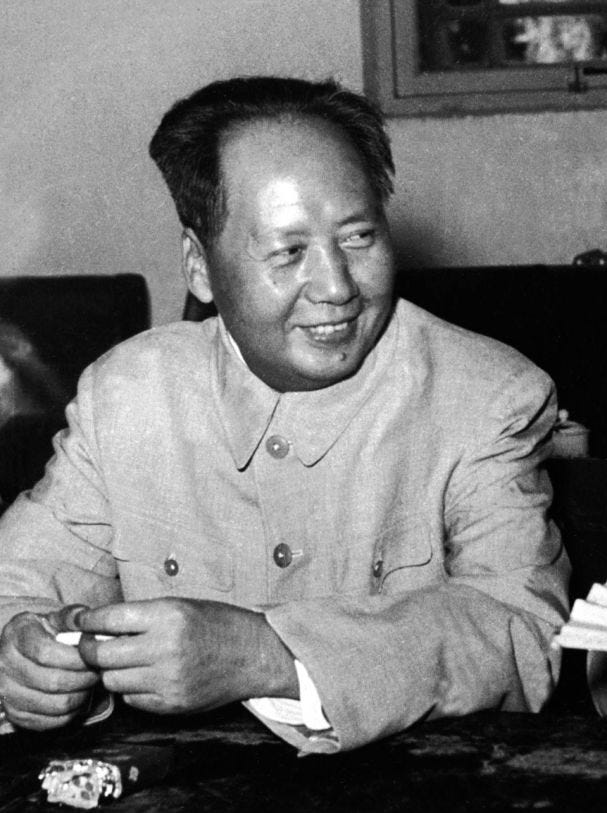
Mao had overseen the creation of the People’s Republic of China, the Great Leap Forward and the Cultural Revolution, leaving a political legacy that transformed the country at enormous human cost. His death also opened a struggle over China’s future direction.
Within two years, Deng Xiaoping had emerged as China’s paramount leader and began economic reforms that gradually moved the country away from Maoist economic orthodoxy.