


European Leaders Join Ukraine Peace Talks (Diplomacy)
Russian Strikes Leave 850,000 Ukrainians Without Power (Conflict)
Leaked Russian Records Reveal Scale of War Deaths (Conflict)
Eisenkot Given Mandate to Form Israeli Government (Politics)
Drone Attack Halts Production at Iraqi Gas Field (Conflict)
Iran Executes Three Men Over January Unrest (Middle East)
Poland Launches Terrorism Probe After Krakow Shooting (Europe)
ANC Suffers Record Defeat in South African Local Vote (Africa)
Nvidia Investigates CEO Over Reported China Spy Links (Technology)
COP31 Opens Amid Energy Shocks and Climate Strains (Environment)
A succinct daily briefing delivered each weekday to help you stay on top of the stories shaping the world.

European representatives will join US brokered talks between Ukraine and Russia in Abu Dhabi on 10th and 11th November, with negotiations covering an end to the war, de-escalation and post-war security arrangements. French Foreign Minister Jean-Noel Barrot confirmed France would attend, although its representative has not been named.
Russia is sending a senior delegation including deputy foreign ministers, military officials and intelligence chiefs. Moscow has not indicated any change in its negotiating position. Ukrainian President Volodymyr Zelenskyy warned that a broader US proposal could be dangerous for Ukraine, saying discussions on ending the war and security guarantees should come first. Russia launched another major attack on Kyiv ahead of the talks.
US President Donald Trump said he believed the war would end soon and suggested Ukraine’s borders could change. US Secretary of State Marco Rubio said progress had been made on possible post war security arrangements, but nothing had been finalised.
Sources: Reuters, Politico

Russian attacks on Ukraine’s energy infrastructure left approximately 850,000 people without electricity across the Dnipropetrovsk and Kharkiv regions on Sunday. More than 600,000 were affected in Dnipropetrovsk, with another 250,000 losing power in Kharkiv. The strikes followed earlier Russian attacks on energy facilities across the country.
Repair crews are working to restore supplies but repeated attacks are complicating their efforts. Dnipropetrovsk Governor Oleksandr Hanzha said hospitals and critical infrastructure were relying on generators. The Zaporizhzhia nuclear power plant also lost external electricity, forcing it to use emergency diesel generators for reactor cooling and other essential safety functions.
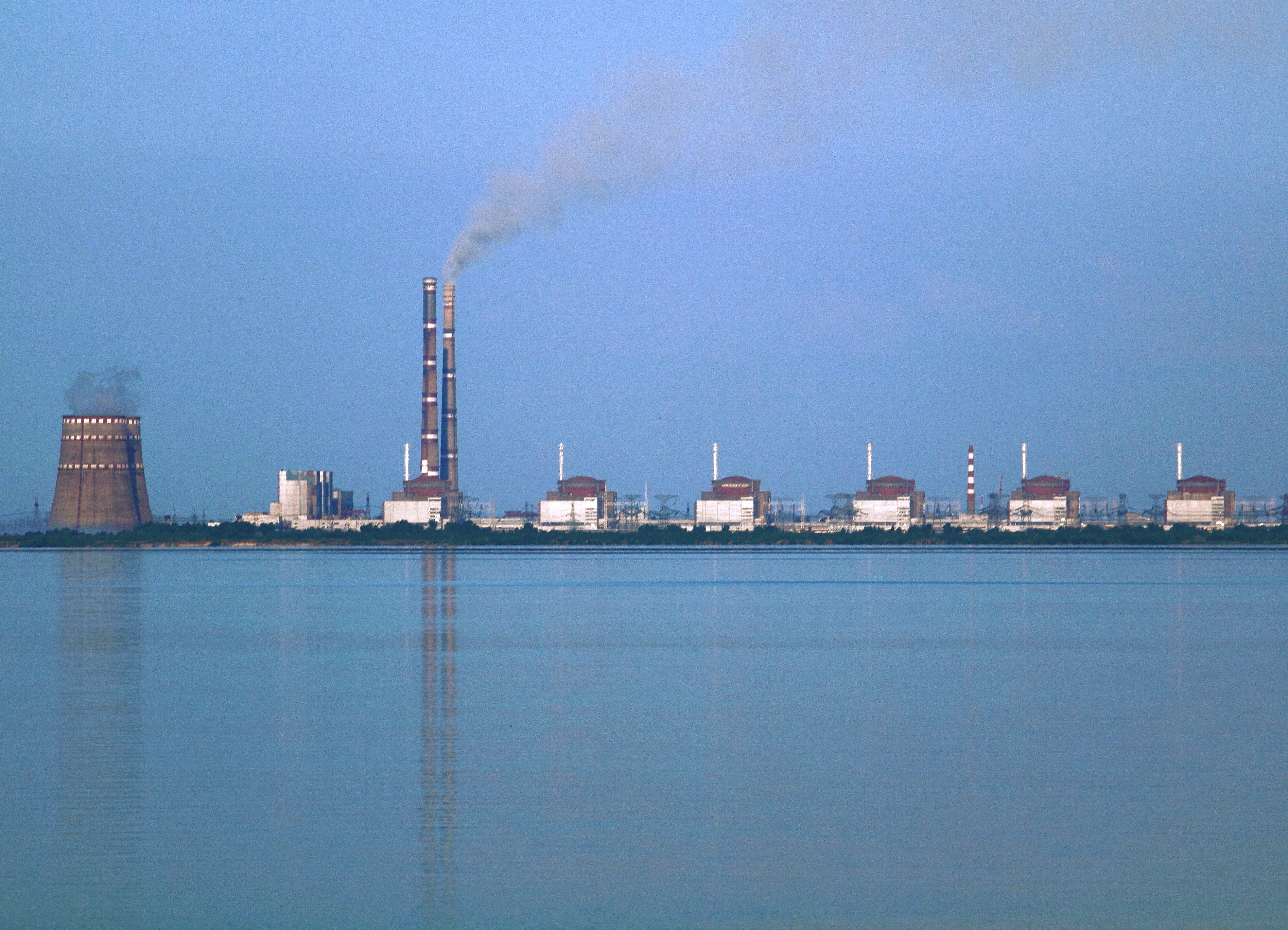
Ukrainian President Volodymyr Zelenskyy called for tougher international sanctions to restrict Russia’s missile production, ahead of US-brokered peace talks in Abu Dhabi on 10-11 November. Russia’s Defence Ministry said its forces would continue striking Ukrainian energy facilities that it claimed were supporting the country’s military.
Sources: Politico Europe, Al Jazeera

Leaked records from Russia’s statistics agency indicate that almost 393,000 people died from war-related causes between the February 2022 invasion of Ukraine and August 2026. The records, obtained by hacking groups, include death certificates explicitly linked to the conflict. A broader calculation by one group puts the toll at approximately 450,000, including deaths not directly attributed to combat.
The figures cannot be independently authenticated in full, although comparisons with previously published statistics and other casualty estimates support their credibility. Russia has not publicly disclosed military losses since the invasion’s early months, and delayed registrations mean the latest figures likely understate the toll.
The data also shows unequal effects across Russian society. War-related deaths account for a substantially greater share of fatalities among younger men and residents of remote regions than among those in Moscow and St Petersburg. The findings emerge ahead of planned US-brokered ceasefire discussions in Abu Dhabi.
Sources: Bloomberg, Moscow Times

Israeli President Isaac Herzog has tasked opposition leader Gadi Eisenkot with forming a government following October’s inconclusive election. Eisenkot’s four-party alliance won 48 seats, against 53 for Prime Minister Benjamin Netanyahu’s bloc, leaving neither with the 61 needed for a parliamentary majority. Eisenkot has up to six weeks to assemble a coalition.
Eisenkot has indicated he would welcome support from Netanyahu’s Likud and its allies, despite campaigning to replace him. His preferred minority government could rely on outside support from Arab-led parties, whose 19 lawmakers helped secure his nomination. However, opposition figure Avigdor Liberman opposes dependence on those parties and favours negotiations with ultra-Orthodox groups, whose military service exemptions remain contentious.
Netanyahu remains caretaker prime minister and could receive the mandate if Eisenkot fails. Herzog has called for stability, citing regional challenges and a changed political environment in the United States following the midterm elections.
Sources: Al Jazeera, CNN

Production at Iraq’s Khor Mor gas field was suspended on Sunday after an explosive-laden drone struck a liquefied petroleum gas storage tank, triggering a fire. The facility, operated by UAE-based Dana Gas in the Kurdistan region, supplies gas to most of the region’s power stations. Employees were evacuated to shelters, while Iraqi Prime Minister Ali al-Zaidi said initial assessments indicated no casualties.
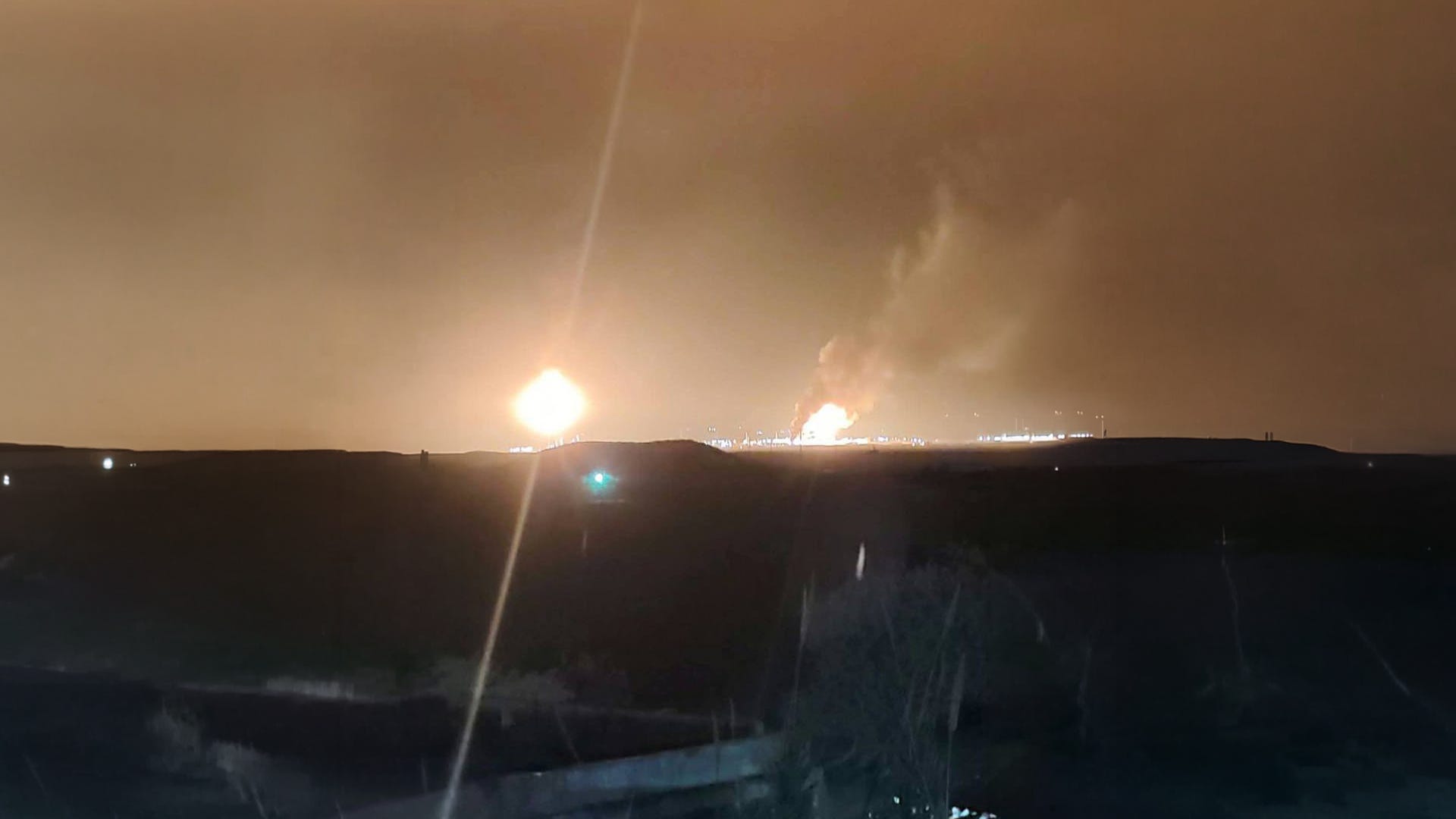
The attack halted gas supplies and removed approximately 2.8 gigawatts of regional electricity generation capacity. Kurdish authorities said they were working to minimise disruption to the power grid. No group immediately claimed responsibility.
Khor Mor has faced repeated attacks, with production previously suspended in July over security threats. The latest strike comes amid wider regional instability linked to the Iran-US conflict, which has disrupted shipping through the Strait of Hormuz and complicated Iraq’s efforts to maintain relations with both countries.
Sources: Reuters, South China Morning Post

Iran executed three men on Sunday over their alleged involvement in armed unrest during January’s anti-government protests. State media named them as Hassan Dioband, Hamid Kazemi and Reza Zanganeh, saying they were convicted of using weapons and incendiary devices, attacking public facilities and damaging an electricity substation in Karaj. Iran’s Supreme Court upheld their death sentences. Authorities also accused them of acting for Israel and the United States.
The demonstrations began in December over rising living costs before spreading into nationwide opposition to the government. Iranian authorities reported more than 3,000 deaths and blamed foreign-backed violence, while human rights groups reported much higher tolls and witnesses described security forces shooting unarmed protesters.
The executions follow a broader increase in capital punishment. UN human rights chief Volker Türk said in August that at least 27 people had been executed in cases linked to January’s protests since 19 March. Human rights groups report further protest-related executions.
Sources: BBC, The Independent

Poland declared two days of national mourning after a gunman killed six people and wounded 15 in Krakow’s historic Main Market Square on Saturday. The victims included four Polish nationals, a British man and an Austrian woman. Two police officers who confronted the attacker were seriously wounded, while the 24-year-old Polish suspect remains in critical condition.
Prosecutors have opened a terrorism investigation, with Interior Minister Marcin Kierwiński saying the suspect held ultranationalist views and appeared fascinated by far-right ideologies. Police also discovered the bodies of his parents and sister at the family home, approximately 150 kilometres from Krakow. Investigators believe they died from gunshot wounds.
The attack, described by Poland’s defence minister as terrorism, was the country’s deadliest mass shooting in decades. European flags were lowered in Brussels, while Krakow’s historic St Mary’s Basilica suspended its hourly trumpet call for the first time since World War II.
Sources: CBS News, NBC News

South Africa’s African National Congress recorded its worst local election result, winning 30.76% of the vote, down from 46% in 2021. The party that led the country out of apartheid retained the largest national share but secured a majority in only one of nine provinces. The Democratic Alliance took 24.64%, while former President Jacob Zuma’s MK party won 9.76%.
The result extends the ANC’s decline after it lost its national parliamentary majority in 2024. Voter frustration has centred on unemployment, corruption and deteriorating services, including unreliable water and electricity supplies. President Cyril Ramaphosa acknowledged the setback, saying his party accepted the electorate’s verdict.
Fragmented results leave municipalities facing coalition negotiations, with parties given 14 days to reach agreements. Johannesburg, which has had nine mayors in ten years, illustrates the difficulties of unstable local government. The ANC could lose control of major cities, including Johannesburg and Pretoria.
Sources: Wall Street Journal, BBC

Nvidia has launched an independent investigation after reports that its chief executive, Jensen Huang, had a relationship with a businesswoman identified by US intelligence as working for China. Huang acknowledged an intimate relationship with Alice Huang, an executive at Singapore-based data centre company Megaspeed. US officials reportedly concluded she passed commercial information to Beijing.

Nvidia’s board said it had no reason to believe national security or company secrets were compromised. Huang supports the inquiry and will continue leading the chipmaker. Republican lawmakers have requested a closed-door congressional briefing on the company’s security protocols and his relationship with the woman.
President Donald Trump defended Huang, saying he had heard nothing indicating wrongdoing. The investigation comes as Washington restricts exports of advanced artificial intelligence chips to China on national security grounds. Megaspeed has separately faced US scrutiny over suspected efforts to divert restricted Nvidia chips to China.
Sources: The Guardian, New York Times

Representatives from nearly 200 countries are gathering in Antalya, Turkey, for COP31 climate negotiations running from 9 to 20 November. The summit follows deadly heatwaves and flooding, while scientists warn that global warming will exceed the Paris Agreement’s 1.5C threshold.
The Iran war has disrupted oil shipments through the Strait of Hormuz, raising energy prices and prompting some countries to increase coal use. Rapid growth in artificial intelligence is also driving electricity demand. The United States, the world’s second-largest emitter, is absent from the talks.
Turkey’s COP31 presidency is seeking support for raising electricity’s share of global energy use from around 21% to 35% by 2035, although critics say the pledge does not require low-carbon power. Delegates will also debate finance for poorer countries and a clearer transition away from fossil fuels. Turkey hosts the summit, with Australia leading negotiations.
Sources: Associated Press, Straits Times
Restacking or sharing this publication means more people can read it. Commenting extends the conversation. Liking shows your appreciation.
On this day …
On This Day in 1938 Nazi organised violence against Jewish communities began across Germany and Austria in what became known as Kristallnacht, or the Night of Broken Glass.
Over the night of 9–10 November, synagogues were burned, Jewish-owned businesses and homes were attacked and at least 91 Jews were killed. Approximately 30,000 Jewish men were arrested and sent to concentration camps.
The attacks marked a major escalation in Nazi persecution, shifting from discriminatory legislation and economic exclusion towards widespread, state-sponsored violence.
Kristallnacht remains a stark historical example of how institutionalised discrimination can escalate into organised violence when governments abandon the protection of minority rights.