


US And Iran Trade New Strikes As Hormuz Deal Frays (Conflict)
Trump Whiplash Tests NATO Unity In Ankara (Diplomacy)
Trump Offers Ukraine Patriot Production Licence (Conflict)
Russia Seizes On NATO Strains After Ankara Summit (Russia)
Trump Reverts To Old Air Force One Amid Iran Fears (Security)
Russia Halts Diesel Exports After Ukraine Strikes (Russia)
Trump Pursues Long-Shot Rehearing On Citizenship (US)
Russia Moves To Jam Starlink In Drone War (Russia)
UN Probe Says Sudan RSF Actions Amount To Genocide (Africa)
IMF Cuts 2026 Global Growth Outlook To 3% (Economy)
A succinct daily briefing delivered each weekday to help you stay on top of the stories shaping the world.

The United States launched new strikes on Iran on Wednesday in the sharpest escalation since both sides signed a memorandum of understanding in mid-June. US Central Command said the action was intended to further degrade Iran’s ability to threaten freedom of navigation in the Strait of Hormuz. Iran’s Revolutionary Guards later said they attacked two US bases in Kuwait and two in Bahrain, warning the response could widen.
The fighting exposed the dispute at the centre of the truce. Both sides accuse the other of violating the memorandum, but the key point of contention is the clause on safe passage for commercial vessels through Hormuz.
President Donald Trump said the ceasefire was over and warned strikes would get much worse if Iran again attacked ships in the strait, though he also said he did not think the war would restart and that anything that happens would be over very quickly.
Sources: Al Jazeera, CNN

President Donald Trump threw the NATO summit in Ankara into disarray on Wednesday, demanding the United States cut trade ties with Spain, renewing claims on Greenland and declaring the fragile ceasefire with Iran to be over.
His remarks overshadowed a summit that European leaders had hoped would project solidarity, and came as he criticised allies for not supporting the war on Iran.
Hours later, by evening, Trump changed tack, saying there had been a lot of love in the room and a lot of unity. On paper, the summit ended with allies affirming their ironclad commitment to collective defence under Article 5 and pledging €70 billion in military assistance to Ukraine for 2026. NATO Secretary General Mark Rutte said the alliance was more together than ever.
Sources: Reuters, New York Times

President Donald Trump said at the NATO summit in Ankara that the United States would give Ukraine a licence to produce Patriot interceptor missiles, a move that could help Kyiv defend against Russia’s ballistic missile attacks.
Trump told President Volodymyr Zelenskiy that some interceptors could also be sent immediately, though he added that the US did not have many and needed them for itself.
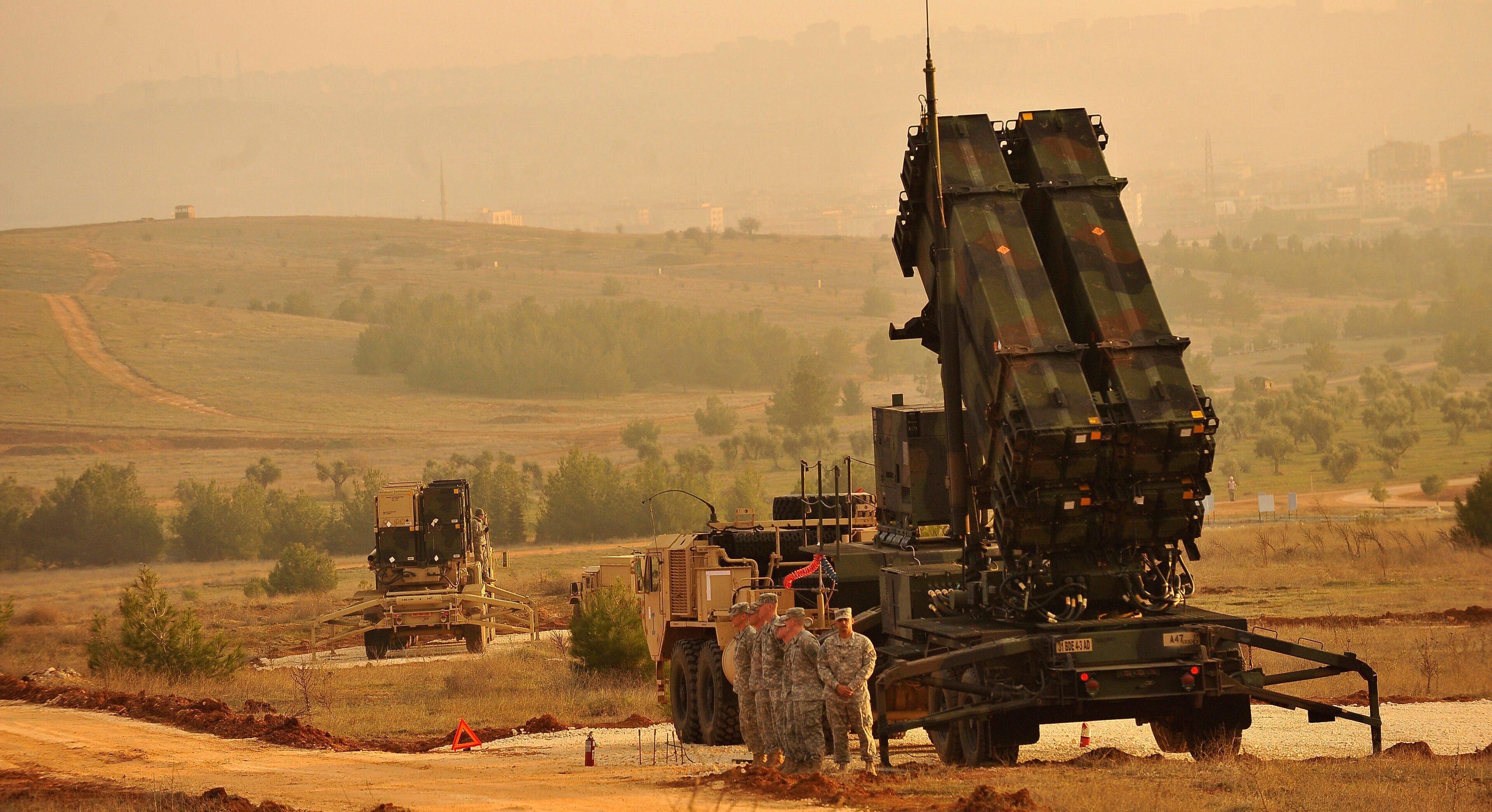
The offer addresses one of Ukraine’s most acute shortages. Patriots are the only weapon in Ukraine’s arsenal that can shoot down ballistic projectiles, and Ukraine’s air force said earlier this week that a serious shortage of interceptor missiles meant none of the 23 ballistic missiles fired by Russia on Sunday night were shot down. Trump called Patriot a defensive weapon and said Ukraine could begin to produce its own quickly.
Sources: BBC, Reuters

Russia denounced NATO’s summit decisions as potentially catastrophic after the alliance pledged €70 billion in military assistance to Ukraine for 2026, reaffirmed its ironclad commitment to collective defence under Article 5 and unveiled arms deals worth at least $50 billion.
Foreign Ministry spokeswoman Maria Zakharova said NATO’s priorities remained the militarisation of Europe, building up defence capabilities, preparation for armed conflict with Russia and aid to Ukraine.
Moscow also sought to turn visible tensions inside the alliance to its advantage. Zakharova said cracks between the United States and its NATO partners had not gone anywhere, adding that Americans did not hide their disappointment with the bloc.
She cited Greenland and what Washington saw as a lack of allied backing when the United States needed support. NATO Secretary General Mark Rutte said such disputes showed the alliance’s democratic strength and should serve as a lesson for President Vladimir Putin.
Sources: Reuters, Global Banking & Finance

President Donald Trump flew from Turkey to England on the older Air Force One rather than the new Qatari-gifted jet he had used to travel to the NATO summit in Ankara, an unexpected change that drew questions about security as hostilities with Iran resumed. Trump later boarded the new aircraft at RAF Mildenhall for the trip back to Washington. The change came unexpectedly.
Trump said the older plane was used for old time’s sake while the new jet was sent ahead so US servicemembers at the base could tour it.
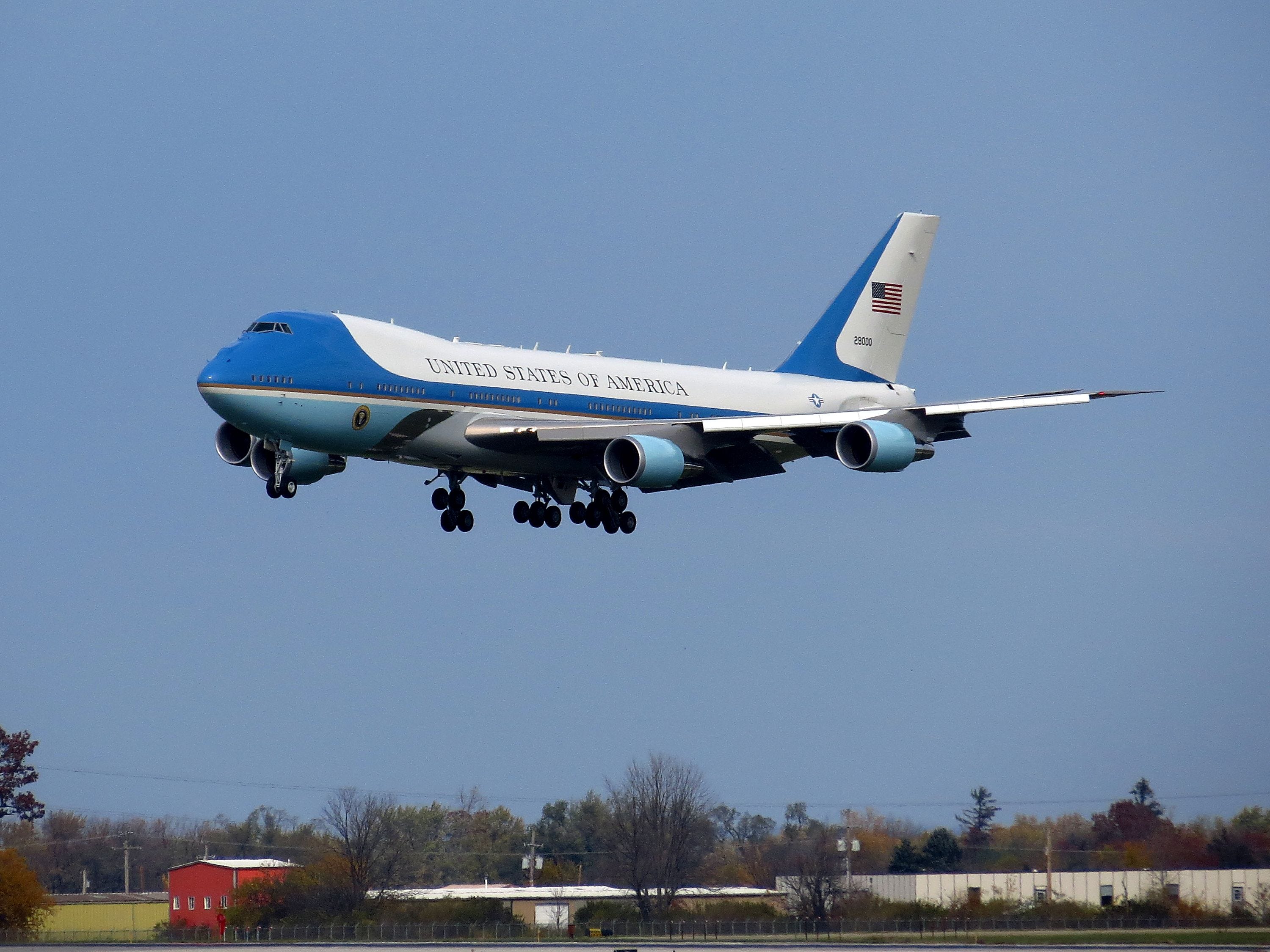
The switch came after Trump said he was at the top of Iran’s kill list and as the United States had launched strikes on more than 80 Iranian targets. The gifted aircraft has also faced scrutiny over security systems and countermeasures.
Sources: The Guardian, The Independent

Russia imposed a ban on diesel exports on Wednesday after systematic Ukrainian drone attacks on oil refineries triggered gasoline shortages and price spikes, as drivers in many regions faced hours-long lines to refuel.
Deputy Prime Minister Alexander Novak said the fuel situation remained complex and was causing concern among the public. He said the export ban would increase supplies to the domestic market and that Russia would start importing fuel in July.
The ban, which includes producers and runs until July 31 with some exemptions under pre-existing government agreements, also tightened fuel markets beyond Russia. Benchmark European diesel margins rose to a record $60.17 per barrel after the announcement.
President Vladimir Putin said Ukraine was trying to damage Russia’s economy and create a sense of anxiety in society, while Kyiv says its attacks are designed to limit Russia’s ability to wage war and force Moscow to start peace talks.
Sources: Bloomberg, Reuters

President Donald Trump said he would ask the Supreme Court to rehear the case that struck down his executive order aimed at revoking birthright citizenship, a move the sources describe as highly unlikely to succeed.
The declaration, made in a social media post, showed his continued frustration with last week’s decision, which was delivered by Chief Justice John G. Roberts Jr. The court ruled that citizenship for nearly all children born on US soil is enshrined in the Constitution’s 14th Amendment.
Trump called the ruling a miscarriage of justice and said American citizenship is not for sale. But Supreme Court rehearing requests are rarely granted after a ruling in an argued case, and the last such request granted after a decision was in 1965. Administration lawyers had not filed the request by Wednesday evening.
Sources: New York Times, South China Morning Post

Russia is installing jamming systems to disrupt Elon Musk’s Starlink satellite internet network as it tries to blunt Ukraine’s mid-strike drone campaign, which has hit supply lines, fuel storage facilities, air-defence installations and command centres.
Ukrainian officials say most of these missions are flown using Starlink, once seen as largely immune to jamming, and that Russia has installed devices near towns and military facilities.

Serhii Beskrestnov, an adviser to Ukraine’s defence ministry, said Russia was deploying a system called Volna Kupol Garant, strong enough to destabilise Starlink in an area of about 20 square km, with about 10 detected so far.
Ukrainian units say they have already struck two such systems. Rob Lee of the Foreign Policy Research Institute said wider deployment could make the campaign more difficult.
Sources: Times of India, The Independent

A U.N. fact-finding mission said Sudan’s Rapid Support Forces committed mass killings, abductions of women and girls, mass gang rapes and forced starvation in al-Fashir as part of an intentional policy amounting to genocide. The mission said the RSF and allies committed the war crime of starvation by imposing a prolonged siege, impeding relief supplies and shelling food production systems.
The report also warned that similar patterns were emerging around al-Obeid. Mission chair Mohamed Chande Othman said the patterns documented in al-Fashir, including encirclement, attacks on civilian infrastructure, restrictions on humanitarian access and widespread abuses against civilians, should serve as a stark warning.
On Monday, members of the U.N. human rights council condemned the violence and set up an urgent inquiry into alleged abuses there. Britain and other states have warned of a risk of large-scale atrocities there.
Sources: Reuters, Arab News

The International Monetary Fund cut its 2026 global growth forecast to 3.0% from 3.1% in April, saying the world economy had weathered the shock from the Iran war better than feared but still faced weaker growth this year. It forecast a rebound to 3.4% in 2027, while raising its 2026 headline inflation forecast to 4.7%.
The IMF said demand for AI and other technologies had helped offset a sharp drop in energy supplies caused by the war, but warned of ongoing risks tied to the Middle East conflict, trade fragmentation and potential corrections in market expectations for AI.
Its forecast assumes the Strait of Hormuz will start to reopen in mid-July and that traffic will gradually normalise by March 2027. It left the US forecast unchanged at 2.3% and lowered the euro area to 0.9%.
Sources: Reuters, South China Morning Post
Restacking or sharing this publication means more people can read it. Commenting extends the conversation. Liking shows your appreciation.
On this day …
On this day in 1816, delegates meeting in Tucumán formally declared Argentina’s independence from Spain.
The declaration marked a decisive step in the Spanish American wars of independence, as revolutionary movements swept across the continent seeking self-government after centuries of colonial rule.
While independence ended Spanish political authority, the new nation still faced years of internal conflict over its constitution, leadership and national identity before the modern Argentine state fully emerged.
Argentina’s independence formed part of a broader transformation that reshaped the political map of the Americas and accelerated the decline of European colonial empires.
Is national independence defined by a declaration, or by the institutions and stability that follow?