


US Defies Iran Ceasefire With Strikes And Oil Curbs (Conflict)
Farage Quits To Force Clacton By-Election (Politics)
Le Pen Runs Despite Conviction Appeal (Politics)
NATO Summit Reveals Alliance Strain Around Trump (Geopolitics)
Damascus Bombs Shadow Macron Syria Visit (Middle East)
Canada Secures Nine Nations For Defence Bank (Finance)
Ukraine Strike Halts Russias Biggest Refinery (Conflict)
Monaco Bomb Suspect Found Dead In Ukraine (Europe)
Colombia Transition Freezes Amid Coup Claims (South America)
DeepSeek Develops AI Chip In Strategic Shift (Technology)
A succinct daily briefing delivered each weekday to help you stay on top of the stories shaping the world.

The US carried out strikes on more than 80 sites in Iran and revoked a waiver allowing new sales of Iranian oil after July 7, further straining the interim agreement signed on June 17. US Central Command said the attacks were an immediate response to Tehran’s latest attacks on commercial vessels transiting the Strait of Hormuz. Brent oil climbed more than 2% to trade near $76 a barrel early Wednesday.
Both sides accused the other of violating the ceasefire. Deputy Foreign Minister Kazem Gharibabadi vowed “decisive actions” in response, while Parliament Speaker Mohammad Bagher Ghalibaf warned the US that “the era of bullying and extortion is over”.
Talks were suspended as Tehran began a funeral for Supreme Leader Ali Khamenei, with the next meeting due to be scheduled after the ceremonies.
Sources: Bloomberg, Times of India
Nigel Farage resigned as MP for Clacton while under investigation by Parliament’s standards commissioner over a £5 million gift he received before entering Parliament, but said he would contest the by-election caused by his departure. The Reform UK leader said voters in Clacton should judge his actions and framed the contest as “people versus the establishment”. Labour, the Conservatives, the Liberal Democrats, the Green Party and Restore Britain have all ruled out standing.
The move creates an unusual political test for a party that has led national polls for about 15 months but faces questions over Farage’s broader appeal beyond his core support.
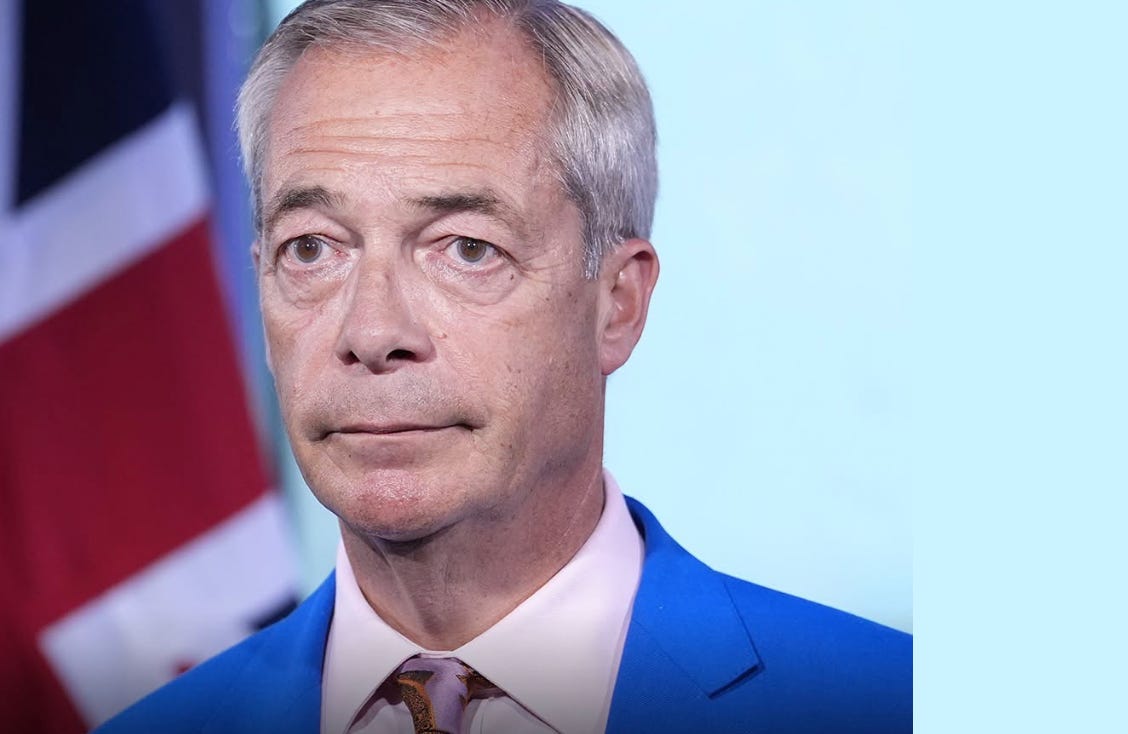
The investigation has been paused following his resignation, but could resume if he wins and returns to Parliament. One possible outcome is suspension, which could trigger a recall petition and another by-election.
Sources: Wall Street Journal, BBC
Marine Le Pen said she would run for president of France next year after an appeals court upheld her embezzlement conviction but reduced her ban on holding elected office, clearing the way for her to stand in the 2027 election. The new 15-month ban was backdated to March 2025 and had already expired.
Le Pen said she would appeal to the Cour de Cassation, which she said would suspend the effects of the ruling, allowing her to campaign without an electronic ankle bracelet. She said Jordan Bardella would be her prime minister if she is elected president in 2027.
Recent opinion polls have largely suggested the far right will lead in the first round of next year’s vote, but her candidacy could remain in limbo until the higher court’s decision. Her opponents are also likely to question her integrity during the campaign.
Sources: Le Monde, Politico Europe

NATO leaders used their summit in Ankara to showcase military projects worth billions of dollars as they tried to show President Donald Trump that European allies were increasing their defence capabilities.
NATO Secretary General Mark Rutte called the investment “money well spent”, while Swedish Prime Minister Ulf Kristersson said Saab would supply up to 10 new GlobalEye surveillance aircraft for a 10-nation consortium.
Yet the display of allied rearmament was overshadowed by Trump renewing his demand that the United States should control Greenland rather than Denmark and announcing that the US would lift sanctions on Turkey. Trump also said selling F-35 fighter jets to Turkey was “something certainly we’d consider”.
The moves highlighted how NATO’s summit was shaped not only by new defence projects, but by Trump’s pressure on allies and his personal diplomacy with Turkish President Recep Tayyip Erdogan.
Sources: PBS, Associated Press

Two bombs exploded near the Four Seasons hotel in Damascus where French President Emmanuel Macron had spent the night, wounding 18 people and overshadowing his visit to Syria. Macron’s motorcade had left for the presidential palace shortly before the blasts, and his office said he had not heard them. The visit continued, with Macron meeting Syrian President Ahmed al-Sharaa.
The attack was a setback for Syrian leaders seeking to project stability and rebuild ties with Western states after the toppling of Bashar al-Assad. Macron and Sharaa said France and Syria would appoint ambassadors, while French companies signed more than a dozen agreements.
Macron, the first major Western leader to visit Syria since Assad was forced out, said France was ready to help rebuild Syria’s economy and banking sector. Syrian authorities said investigations were under way and no group immediately claimed responsibility.
Sources: The Guardian, Reuters
Restacking this post will help it reach more readers interested in the world.
Nine countries have committed to a new global defence bank that Canada says will help rearm allied nations, with Prime Minister Mark Carney announcing the support at the NATO summit in Ankara. Albania, Belgium, Greece, Latvia, Luxembourg, Romania, Turkey and Ukraine joined Canada in backing the Defence, Security and Resilience Bank, which will be based in Canada and is intended to raise up to £100 billion in cheap financing.
Canada said the partner countries had been invited to ratify the plans domestically, with the aim of making the bank operational in 2027. The project is designed to expand access to capital, reduce financing costs and support expansion of industrial capacity across member countries.
However the absence of heavyweight G7 nations other than Canada could limit the bank’s financial firepower, even as rising defence demands push allies to seek new funding mechanisms.
Sources: Reuters, Financial Post

Russia’s largest oil refinery in the Omsk region of western Siberia has halted operations after a Ukrainian drone attack, according to two industry sources, in one of Ukraine’s longest-range strikes of the war. The Omsk plant is Russia’s top producer of gasoline, and the halt is likely to exacerbate fuel shortages across the country. Officials said damage assessment and restoration work were under way and no plant personnel were injured.
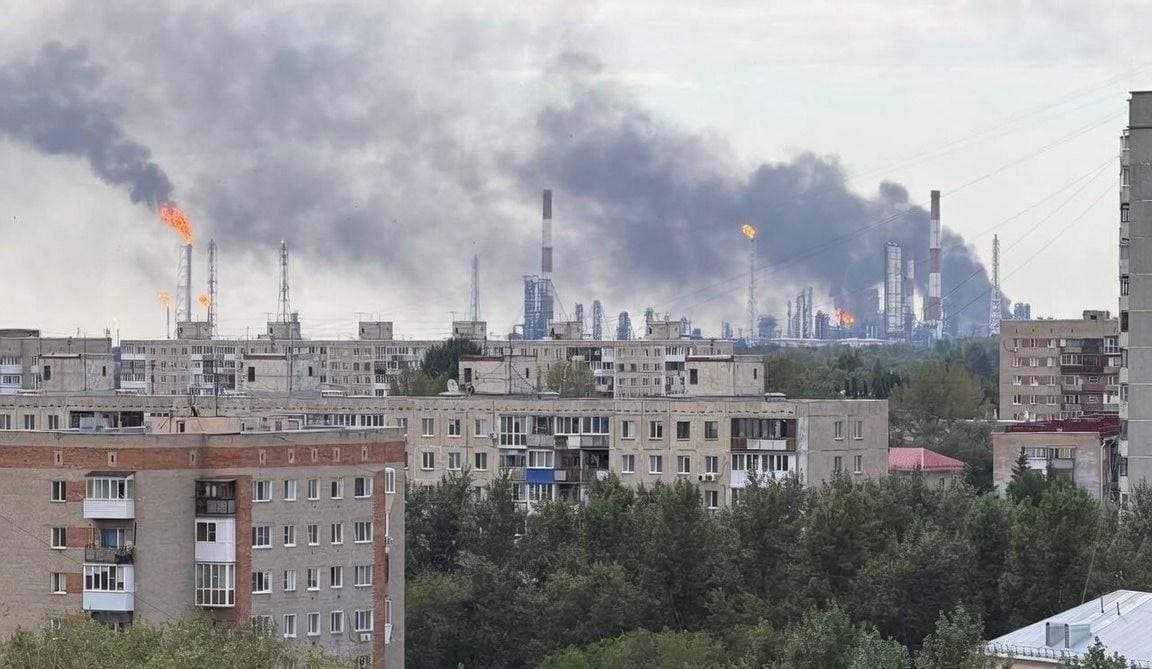
Ukraine’s military said the strike caused a fire at the refinery, which is nearly 2,500 kilometres from Ukrainian territory. President Volodymyr Zelenskyy said upgraded Fire Point drones had put Siberia “within reach of Ukrainian precision” and called the attack a significant blow to Russia’s oil economy. The refinery processed 22 million tons of oil in 2024, according to source-based information.
Sources: Moscow Times, CNBC
A Ukrainian woman suspected of last week’s bomb attack on a businessman and his family in Monaco has been found dead in Ukraine, opening a new phase in a case that had already triggered an international search. Ukrainian authorities said Anastasiia Berezovska, 39, was discovered with gunshot wounds to the head after returning to Ukraine on July 1.
Ukraine’s prosecutor general said an intelligence officer and a former law enforcement official had been detained on suspicion of murder. The authorities said both men had been under investigation as possible accomplices in the Monaco attack because they had repeatedly transferred money to Berezovska through cryptocurrency and bank accounts.

Monaco’s deputy prosecutor Morgan Raymond had said Berezovska was suspected of attempting to kill a businessman, a woman and a child after surveilling their residence for days before the attack. Ukrainian authorities said all information was being shared with Monaco.
Sources: New York Times, BBC

Colombia’s president-elect Abelardo de la Espriella suspended transition meetings with the outgoing government of Gustavo Petro on Tuesday and accused the president of attempting a coup to remain in power. In an address on social media, de la Espriella said he could not negotiate with officials who did not recognise the result and called on the armed forces to protect the Constitution and disobey any order from Petro to the contrary.
The move followed Petro’s refusal to recognise de la Espriella’s election victory and his allegations of fraud without public evidence. Later on Tuesday, Petro said he respected the people who voted for de la Espriella and confirmed that he would hand over power at the end of his term, while denying that his team was undermining the transition. Finance Minister Germán Ávila then suspended the sector-level handover tables, though he left open the possibility of resuming talks.
Sources: MercoPress, The Hill

Chinese startup DeepSeek is developing its own AI chip designed for inference, the stage of AI computing in which a trained model generates responses for users, according to three people familiar with the matter, in a move that could reduce its reliance on Nvidia and Huawei chips.
The effort remains at an early stage, with the company reaching out to external partners and holding discussions with chip-design, foundry and memory companies. One person said the effort began about a year ago.
If successful, the chip push would mark a major strategic shift for DeepSeek, which has been known for emphasizing AI model breakthroughs rather than commercialising its technology. The move comes as US export controls bar Chinese companies from buying Nvidia’s most advanced chips and Beijing presses technology champions to build domestic alternatives. DeepSeek has also increased hiring of chip-design engineers in recent months, though recruitment has been done privately without public job postings.
Sources: Reuters, Bloomberg
Restacking or sharing this publication means more people can read it. Commenting extends the conversation. Liking shows your appreciation.
On this day …
On this day in 1889, the first edition of The Wall Street Journal was published in New York.
Founded by Charles Dow, Edward Jones and Charles Bergstresser, the newspaper was created to provide reliable financial reporting at a time when American industry and capital markets were expanding rapidly.
Over the decades, it evolved from a specialist publication into one of the world’s most influential newspapers, helping shape the way investors, policymakers and business leaders interpret economic events and market trends.
Its history illustrates that functioning markets depend not only on capital, but also on credible information and informed analysis.
In an age of instant news and misinformation, has trusted journalism become more valuable than ever?