


Thai Airstrikes Deepen Border Crisis With Cambodia
Benin Forces Quell Soldiers’ Attempted Coup
U.S. Envoy Says Ukraine Deal Close as Moscow Demands Changes
Netanyahu Says Ceasefire Set to Enter Second Phase
UK Defence Ambitions Strained by Funding Uncertainty
Japan Accuses China of Radar Lock in Escalating Confrontation
Chernobyl Shield Damage Prompts Safety Warning from UN Watchdog
Deadly Drone Strike Hits Sudan Kindergarten and Hospital
China’s Trade Surplus Tops $1 Trillion
Australia Bans Under-16s from Social Media
On this day ….
On this day in 1941, the United States declared war on Japan, marking its entry into the Second World War and reversing decades of political reluctance toward foreign entanglements. The decision reshaped the global balance, rapidly expanding US industrial output and military reach and positioning Washington as a central force in the emerging post-war order.
The contrast with today is striking: a country that once mobilised on an unprecedented scale now debates how far its commitments should extend, particularly in Europe and the Indo-Pacific.
Has the legacy of 1941 become harder to sustain in a more fragmented world?

Thailand said it launched airstrikes into Cambodia after clashes erupted along disputed sections of their border, with each side accusing the other of breaching a recent ceasefire. A Thai army spokesperson reported one soldier killed and eight wounded as fighting intensified around early morning, prompting the use of air power against Cambodian military positions. Cambodia’s defence ministry said Thai forces initiated dawn attacks at two locations after days of what it described as provocative actions, adding that its own troops had not responded.
However, tension increased as Cambodian civilians were reported seriously injured and evacuations expanded on both sides. As a result, Thai authorities said more than 385,000 civilians across four districts were being moved, with over 35,000 already in shelters, while Cambodia reported more than 1,100 families displaced near the frontier.
Cambodian President of the Senate, Hun Sen accused Thailand of aggression and urged restraint, warning that a response red line had been set.
Sources: The Guardian, Reuters

Benin’s government said it had thwarted an attempted coup after a group of soldiers announced on state television that they had removed the president and state institutions. Early Sunday, eight soldiers calling themselves the Military Committee for Refoundation said Patrice Talon had been ousted and that all borders were closed. Gunfire was reported near the presidential palace, but calm returned later in the day as loyal forces regained control.
Interior Minister Alassane Seidou said the soldiers had engaged in a mutiny aimed at destabilising the state, adding that loyal units had remained republican.
As a result, the authorities said the attempt was foiled and that streets close to the presidential residence were placed under guard. Talon later stated that the situation was completely under control, while regional bodies including ECOWAS condemned the attempted takeover.
Sources: Washington Post, Le Monde

U.S. Special Envoy Keith Kellogg said efforts to end the Ukraine war were “really close” and depended on settling two issues: the future of the Donbas and the Zaporizhzhia nuclear power plant. Russia, however, said it wanted radical changes to some U.S. proposals after recent Kremlin talks involving Trump’s representatives. Trump has said resolving the conflict remains one of his most difficult foreign policy aims.
Kellogg said the final stage of negotiations was always the hardest. However, Moscow’s foreign policy aide Yuri Ushakov said Washington would need to revise its papers, without clarifying what changes were required. Zelenskiy said he had held a long and substantive call with Trump’s envoys and that the discussions were constructive but not easy. Kellogg added that the war’s human cost was horrific, with Russia and Ukraine suffering more than 2 million casualties since 2022.
Meanwhile Donald Trump Jr told a conference that the US “may walk away”from the Ukraine war arguing that there was “no reason” for Kyiv to pursue peace while US money kept flowing.
Sources: Reuters, CNBC, The Independent

Israeli Prime Minister Benjamin Netanyahu said Israel and Hamas were expected to move into the second phase of the ceasefire once the remains of the last hostage in Gaza were returned. He said the next stage, which involves disarming Hamas and withdrawing Israeli troops, could begin by the end of the month.
A senior Hamas official said the group was ready to discuss freezing or laying down weapons, though it has struggled to locate all remains because of rubble from Israel’s offensive.
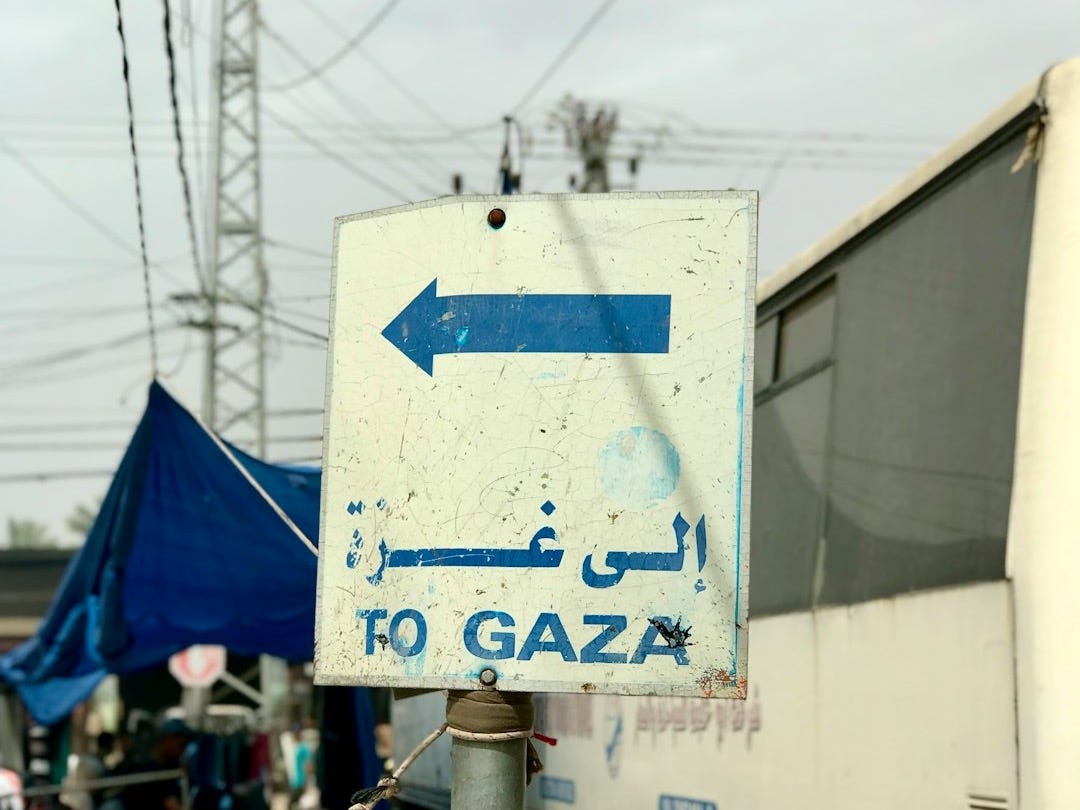
Meanwhile, Netanyahu said the second phase would be challenging and linked it to a broader process that includes deradicalising Gaza. The plan also envisages an international force and a temporary Palestinian government under an international board led by Donald Trump.
German Chancellor Friedrich Merz said his country was helping to implement the next stage and reaffirmed support for a two-state solution, while noting that recognition of a Palestinian state must come at the end of the process.
Sources: The Guardian, PBS

The UK’s plans to rebuild its military face growing doubts as industry figures and defence officials warn that unclear funding beyond 2027 may force ambitions to be scaled back. Defence Secretary John Healey has promoted a major review outlining expanded stockpiles, long-range systems and advanced technologies, but executives say uncertainty over contract timelines risks undermining investment. Officials have also highlighted the limited value of initial contracts compared with the industry’s upfront spending.
Meanwhile, broader tensions have emerged over future spending. The government has committed to raising defence expenditure over the next decade, yet Reeves’ recent budget made only scant reference to defence, prompting concern that existing gaps will persist.
Former review authors said ministers must redirect funds to meet commitments, while defence experts warned that current plans may fall short of the pace required by the Strategic Defence Review. Industry figures and armed forces leaders said the UK faces difficult choices as pressure builds on the defence investment plan.
Sources: Bloomberg, Politico Europe

Japan has accused China of directing military radar at its fighter jets near Okinawa, prompting an emergency response from Tokyo and further intensifying a diplomatic dispute that has grown over recent weeks. Japan’s defence minister called the incident a dangerous act and lodged a protest, while Chinese officials disputed the claim and said their forces were engaged in routine training. The episode occurred over international waters, close to contested islands, and involved aircraft launched from China’s Liaoning carrier.
Meanwhile, both governments have traded accusations amid wider reprisals linked to Japan’s statements on Taiwan. Beijing has imposed economic and cultural measures against Japan, expanded patrols near disputed territories and demanded a retraction of earlier remarks.
Japanese officials have warned that China’s radar activity risks escalating the situation, while former defence ministers called the actions persistent and dangerous. Tokyo has urged restraint as both sides reinforce their positions and monitor increasing military activity around the region.
Sources: New York Times, Bloomberg

A UN nuclear watchdog team has determined that Chernobyl’s protective shield can no longer carry out its main containment function after a drone strike earlier this year. Inspectors said the structure, built to secure the remains of the 1986 disaster site, suffered severe damage to its cladding and lost core safety capabilities. Ukraine accused Russia of targeting the facility, a claim Moscow denied. Limited repairs have already been made, but the IAEA said restoration is essential to prevent further degradation.
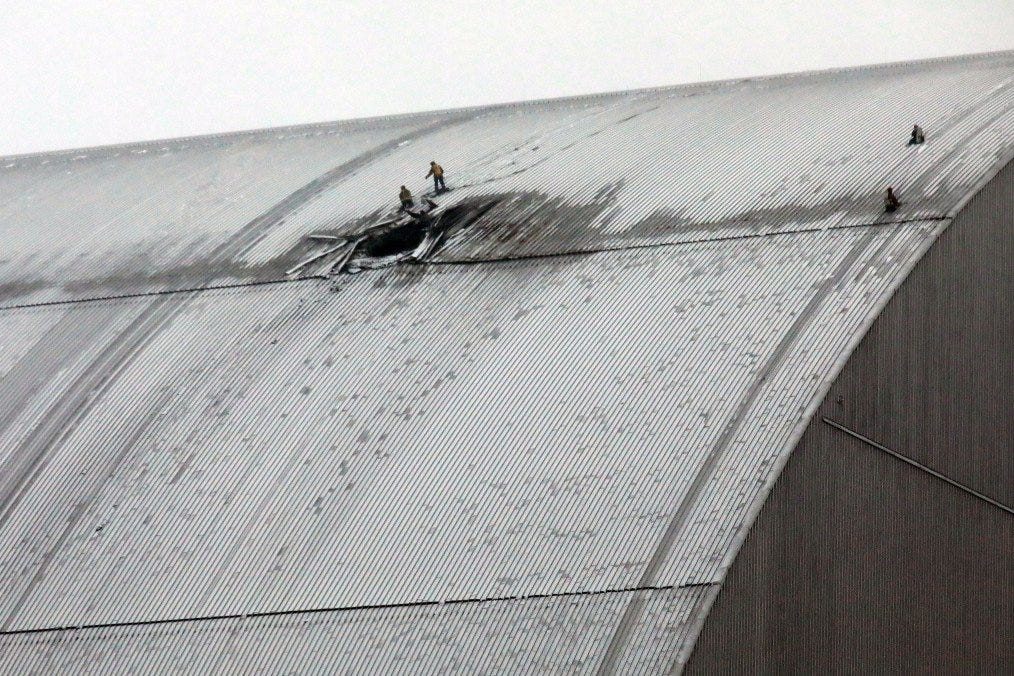
Meanwhile, the agency stressed that the site’s structural supports and monitoring systems remain intact. Experts noted that the greatest risk would come from disturbing radioactive dust, though the underlying concrete sarcophagus continues to hold contamination.
The IAEA has been assessing nuclear safety infrastructure across Ukraine as Russia continues strikes on energy facilities, including an attack on Kremenchuk overnight. The agency said electrical substations are critical to keeping reactors cooled and ensuring wider energy stability.
Sources: BBC, CNN

A drone attack on the town of Kalogi in South Kordofan struck a kindergarten and a hospital, killing dozens of civilians including many children, according to local officials. The assault involved three strikes that hit the school, the hospital and then rescuers. Officials blamed the Rapid Support Forces and their allied SPLM-N faction, which controls much of the region. The conflict between the army and the RSF has killed tens of thousands and displaced millions since April 2023.
Meanwhile, UNICEF said more than ten children aged five to seven were killed and called the attack a horrific violation, urging all sides to stop targeting civilians and allow aid deliveries. The foreign ministry put the overall death toll at 79, including 43 children. The strike occurred as the army and the RSF traded accusations over drone attacks elsewhere, with each side blaming the other for recent incidents in Darfur and at the Adre border crossing.
Sources: BBC, Straits Times

China’s trade surplus has surged past $1 trillion in just 11 months, reflecting strong export growth even amid sharply reduced shipments to the United States. The customs agency said the accumulated surplus reached $1.08 trillion through November, with a monthly surplus of $111.68 billion marking one of the largest on record. However, exports to the US continued to fall, dropping nearly a third in November.
Meanwhile, stronger demand from regions such as the European Union and Southeast Asia has helped offset the US decline. As a result, China’s exports grew year-on-year in November, reversing a contraction the previous month. A weaker renminbi and sustained global demand for machinery and electronics have supported the rise.
In contrast, domestic demand remains subdued, as shown by lower imports of key industrial inputs. Economists note that China’s reliance on exports has become increasingly pronounced, raising questions about the sustainability of its trade-driven growth model.
Sources: Bloomberg, Reuters

Australia is introducing a nationwide rule barring children under 16 from having accounts on major social media platforms. The law, which takes effect on Wednesday, requires companies to identify and deactivate underage users through age-estimation tools that go beyond self-reported ages. The rules apply to platforms such as Facebook, Instagram, TikTok, Snapchat and YouTube, while services considered primarily for messaging or gaming are excluded.

However, the rollout is already prompting debate. Companies argue the law is rushed, while teens surveyed say the ban will not stop them using social media. Meanwhile, regulators stress that removing accounts will limit harmful design features and reduce risks linked to bullying, anxiety and predatory behaviour.
In contrast, Europe is moving toward similar restrictions, with proposals for parental-consent rules, curbs on addictive features and an EU-wide age-verification app. Australia’s experience is being closely watched as other countries consider comparable measures.