


US And Iran Agree Two-Week Ceasefire
Trump Claims Victory As Iran Truce Leaves Questions
Iran Says Ceasefire Does Not End The War
Israel Backs Iran Pause But Excludes Lebanon
Hormuz Truce Opens Narrow Exit For Trapped Shipping
Fuel Relief May Lag Even After Hormuz Reopens
Taiwan Opposition Chief Begins China Peace Visit
Vance Enters Hungary Vote To Back Orbán
Trump Seeks Domestic Cuts To Fund Military Rise
Roberts-Smith Charged Over Afghan War Crime Murders

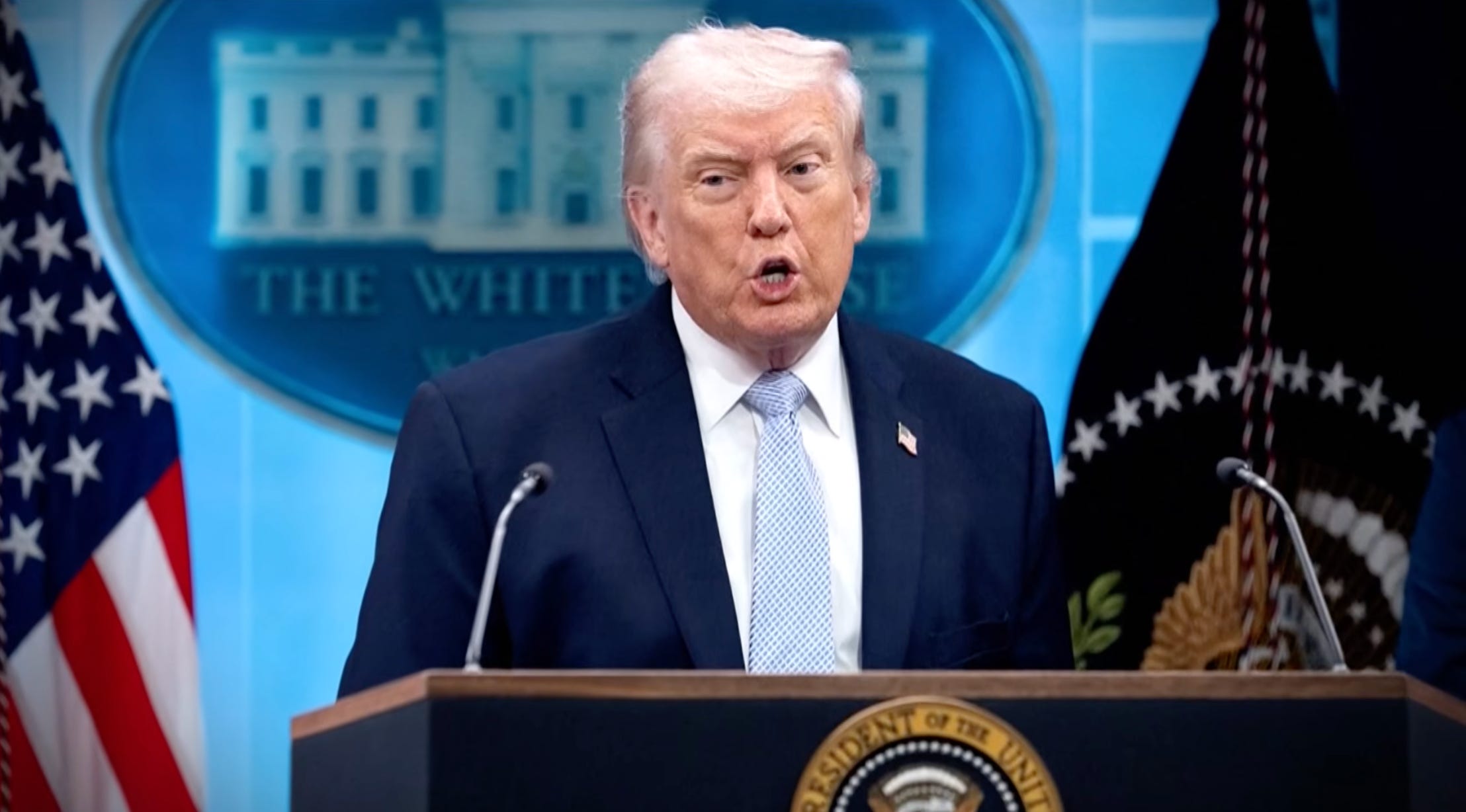
The United States and Iran agreed to a two-week ceasefire that includes reopening the Strait of Hormuz, after President Donald Trump pulled back from threats to strike Iranian bridges and power plants shortly before his deadline expired. The pause is intended to buy time for negotiations on a broader settlement to the six-week-old war launched in February.
Pakistan Prime Minister Shehbaz Sharif helped mediate the arrangement, with Iran’s Supreme National Security Council confirming talks would continue in Pakistan while Foreign Minister Abbas Araghchi said safe passage would be coordinated with Iran’s armed forces.
Israel backed the ceasefire subject to the strait reopening and attacks stopping, though missile alerts and strikes across the region after the announcement showed uncertainty over when the truce would take effect. Markets reacted sharply as oil prices fell and equity futures rose after the decision following the announcement of the agreement.
Sources: Associated Press, Bloomberg

President Donald Trump cast the two-week ceasefire with Iran as a “total and complete victory”, saying Washington had received a proposal from Tehran that offered a workable basis for negotiation. He presented the truce as proof that the United States had achieved its objectives in full and insisted any broader peace deal would ensure Iran’s nuclear material was “perfectly taken care of”.
But key terms remained unclear. Trump said most elements of a broader framework had been agreed, while also declining to say whether he would revive earlier threats against Iran’s civilian power plants and bridges if the deal collapsed.
The truce was announced shortly before his deadline was due to expire, amid uncertainty over arrangements for reopening the Strait of Hormuz and over what both sides had actually agreed.
Sources: France 24, Reuters

Iran accepted a two-week ceasefire and said it would begin negotiations with the United States in Islamabad on Friday, but senior officials signalled that the pause should not be mistaken for a settlement.
A statement from Iran’s Supreme National Security Council said the move did not signify the termination of the war and warned that any enemy error would be met with full force.
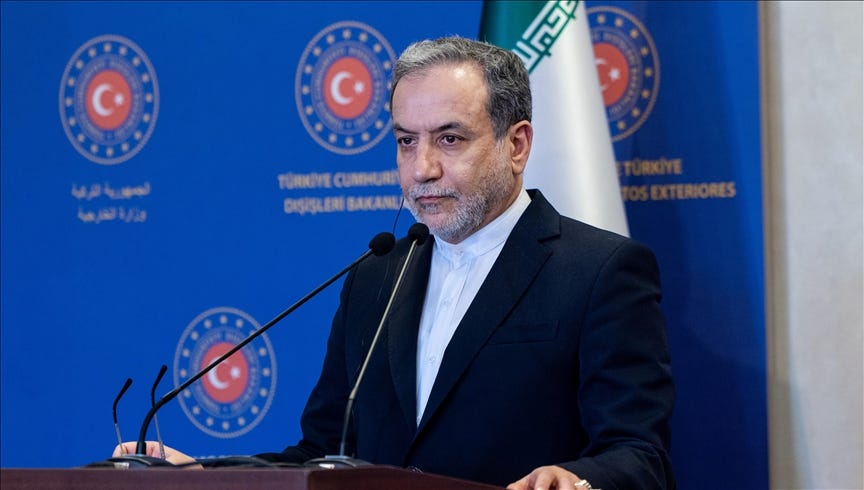
The message underlined Tehran’s effort to preserve leverage even as it agreed to halt hostilities. Iran said passage through the Strait of Hormuz would be subject to coordination with its armed forces, while Foreign Minister Abbas Araghchi said safe passage would be possible for two weeks with account taken of technical limitations. Missile alerts in Israel and the United Arab Emirates after the ceasefire announcement added to uncertainty over how fully military actors would follow the declared pause.
Sources: PBS, Times of India

Israel backed President Donald Trump’s decision to suspend strikes on Iran for two weeks, while making clear that the ceasefire does not extend to Lebanon. Prime Minister Benjamin Netanyahu’s office said support for the pause was conditional on Iran immediately opening the straits and stopping all attacks on the United States, Israel and countries in the region.
The statement also showed Israel’s focus on shaping the next phase of talks rather than treating the pause as a settlement. Netanyahu’s office said the United States remained committed to shared goals in upcoming negotiations, including ensuring Iran no longer poses a nuclear, missile or terror threat.
The ceasefire announcement therefore opened a diplomatic window on Iran, but left the Lebanon front outside the arrangement despite claims from Pakistani mediators that it would be included.
Sources: Reuters, Times of Israel

A two-week ceasefire between the United States and Iran has raised hopes of limited movement through the Strait of Hormuz, where hundreds of vessels remain trapped after weeks of disruption. President Donald Trump said Washington would help with the buildup of shipping traffic after agreeing to the deal shortly before his deadline for Tehran to reopen the waterway or face attacks on civilian infrastructure.
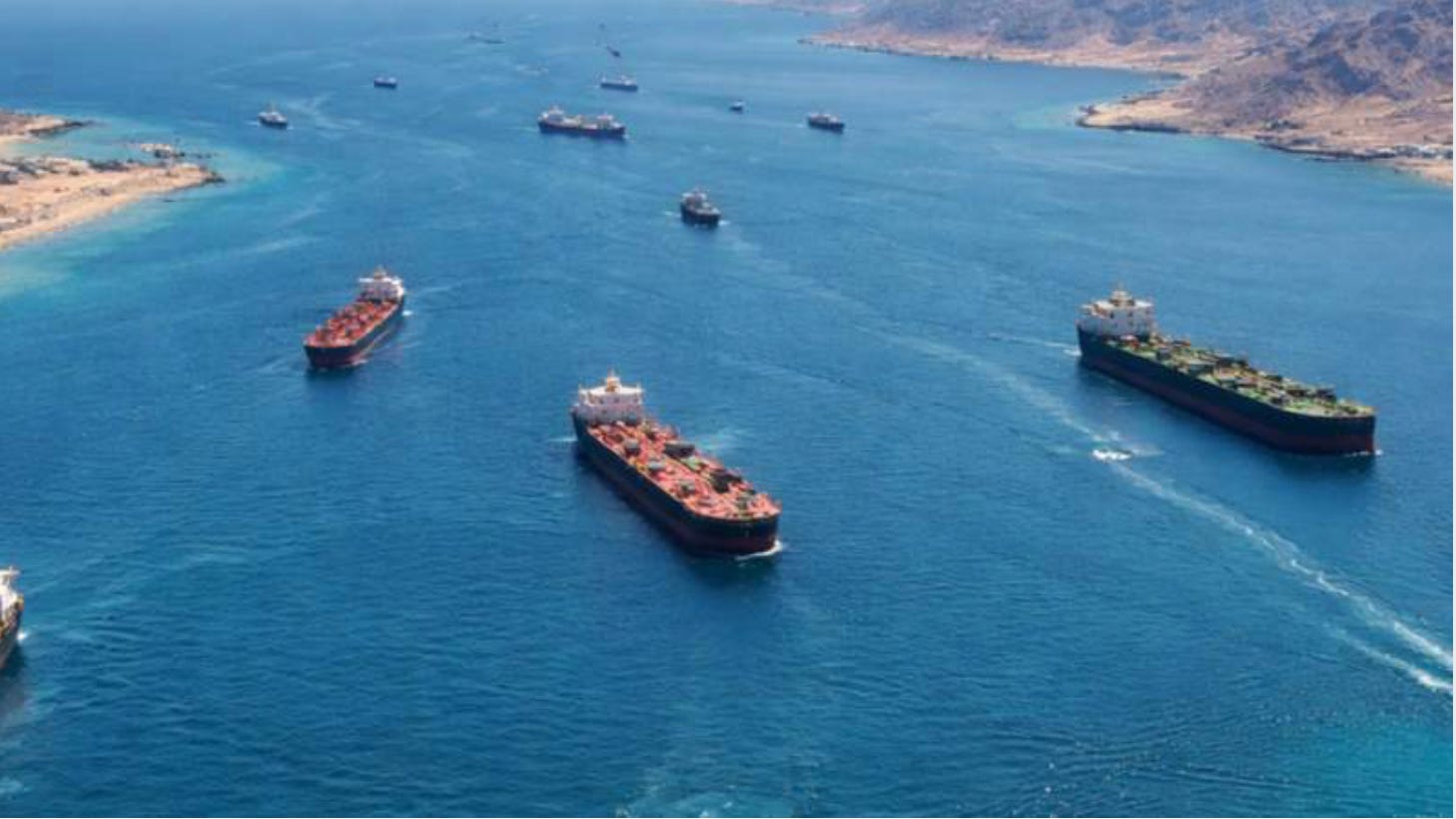
But shipping flows are unlikely to recover quickly. Iran said safe passage would be coordinated with its armed forces and subject to technical limitations, while operators said more clarity was needed before vessels could move in earnest.
More than 800 ships remain stuck in the Gulf, with energy cargoes making up a large share of the backlog, and around 20,000 civilian seafarers remain onboard vessels facing fatigue, dwindling supplies and psychological stress.
Sources: Bloomberg, Reuters

Fuel prices could keep rising for months even after the Strait of Hormuz reopens, according to a new US government forecast that undercuts President Donald Trump’s promises of immediate consumer relief.
The outlook says full restoration of oil flows through the waterway will take months even after the war ends, keeping prices elevated while supply routes and regional output recover.
The forecast raised its estimate for Brent crude this year to $96 a barrel from $78.84 and said both retail gasoline and diesel prices are expected to keep rising. US petrol prices are seen peaking at a monthly average of $4.30 a gallon in April, while diesel is forecast to reach $5.80.
The same outlook also cut expected global oil demand growth this year to about 600,000 barrels a day, with weaker demand expected mainly in Asia.
Sources: Reuters, World Energy News

Taiwan opposition leader Cheng Li-wun began a six-day visit to China, describing it as a peace mission aimed at preventing war and promoting dialogue across the Taiwan Strait. The trip is the first by a sitting leader of the Kuomintang in nearly a decade and comes as Beijing has stepped up military drills around the island and as debate continues in Taipei over a $40 billion defence budget.
The visit also lands ahead of a planned May meeting between Xi Jinping and Donald Trump, giving it wider diplomatic significance beyond party politics. Cheng said Taiwan must seize every opportunity to prevent war, while Beijing’s Taiwan Affairs office said the trip would have a significant and positive impact on peace and stability.
Taiwan’s government, however, stressed that Cheng is not authorised to negotiate on behalf of the elected administration, highlighting the political limits of the mission.
Sources: Associated Press, NPR

US Vice-President JD Vance openly backed Viktor Orbán’s re-election bid during a visit to Budapest five days before Hungary’s parliamentary election, giving the prime minister a high-profile endorsement at a difficult stage of the campaign. Standing beside Orbán, Vance said he was in the city to help him in the campaign cycle, while also saying Washington would work with whoever wins.
The intervention added an international dimension to an election already shaped by tensions with Brussels and by Orbán’s positioning as a close ally of Donald Trump. Vance attacked the European Union for alleged interference in the Hungarian campaign and later urged supporters at a rally to stand with Orbán.
The visit came as Orbán faced a strong challenge from Péter Magyar, who is ahead in most opinion polls and has focused voters on domestic issues including the economy, social services and corruption.
Sources: BBC, FT

President Donald Trump has proposed a sharp rise in military spending for 2027 while seeking broad cuts across domestic programmes, sharpening a spending fight already unfolding during the war with Iran.
His plan would increase defence funding to $1.5 trillion, up from about $1 trillion in 2026, while cutting non-defence spending by 10 percent and slashing about $73 billion across areas including education, health care, housing and nutrition assistance.
The proposal has drawn immediate political resistance and opened a wider debate over how the costs of war and military expansion should be paid for.
The White House said the budget was designed to preserve the world’s most powerful military, while critics said it shifted resources away from programmes that ease pressure on households already facing high fuel prices and wider economic strain. The request still requires approval by Congress, where Trump’s spending choices have already fuelled deep disagreement.
Sources: New York Times, Reuters

Ben Roberts-Smith, Australia’s most decorated living veteran, has been charged with five counts of war crime murder over alleged killings of unarmed Afghans in Afghanistan between 2009 and 2012. The 47-year-old former Special Air Service Regiment corporal was arrested at Sydney Airport on Tuesday and remained in custody overnight ahead of a court appearance and possible bail application on Wednesday.
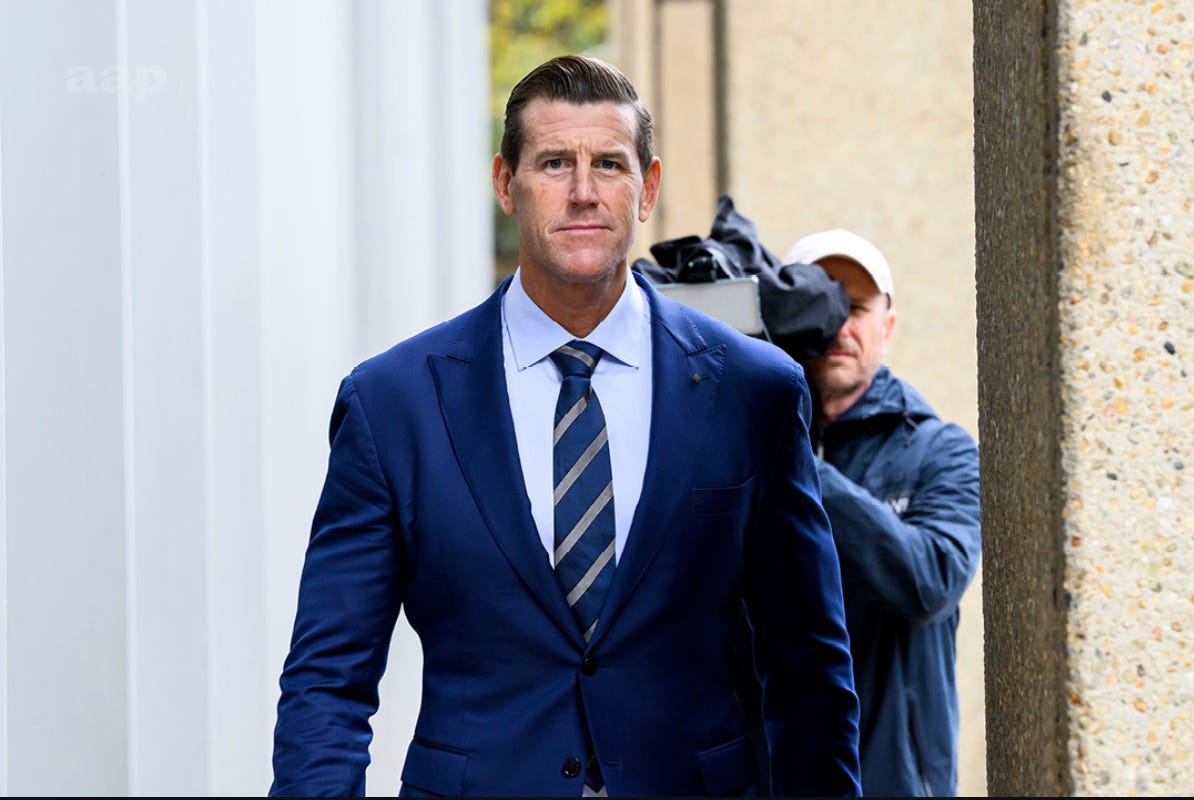
Australian Federal Police Commissioner Krissy Barrett said investigators would allege the victims were detained, unarmed and under the control of Australian Defence Force members when they were killed. She said they were allegedly shot either by the accused or by subordinate ADF members acting in his presence and on his orders.
The charges mark only the second time an Australian veteran of the Afghanistan campaign has been charged with a war crime, bringing a long-running national controversy into the criminal courts.
Sources: Associated Press, BBC
On this day …
On this day in 1898, Spain declared war on the United States after rising tensions over Cuba’s struggle for independence and the explosion of the USS Maine in Havana harbour.
The conflict quickly expanded beyond the Caribbean, with U.S. forces targeting Spanish positions in the Philippines and Pacific territories.
Within months, Spain’s remaining overseas empire began to collapse, marking a decisive shift in global power as the United States emerged as a new imperial actor.
The war reshaped the strategic balance in both the Atlantic and Pacific worlds. Did this moment mark the true beginning of America’s global role?