


Trump Presses Iran With Tanker Strike Threat (Middle East)
Iran Reviews Deal as Core Demands Persist (Geopolitics)
China Presses Iran on Hormuz Reopening (Diplomacy)
Hormuz Ship Attack Undercuts Safe Passage Push (Middle East)
Israel Strike Tests Lebanon Ceasefire (Conflict)
Pope Rejects Trump Nuclear Claim (Europe)
Cuba Condemns US Military Threats (Geopolitics)
DR Congo Hunger Crisis Deepens (Africa)
Putin Tightens Security Amid Assassination Fears (Russia)
Super El Niño Risk Rises (Climate)
A succinct daily briefing delivered each weekday to help you stay on top of the stories shaping the world.

The United States fired on an Iranian oil tanker in the Gulf of Oman on Wednesday as President Donald Trump increased pressure on Tehran to accept a deal to end the war. US Central Command said a fighter jet disabled the tanker’s rudder after it attempted to breach the American blockade of Iranian ports. Trump warned that if Iran rejected the proposed agreement, bombing would resume “at a much higher level and intensity”.
The strike came amid renewed diplomatic efforts involving China and Pakistan. Chinese Foreign Minister Wang Yi called for an urgent “comprehensive ceasefire”, while officials said negotiations remained difficult despite reports of progress towards a temporary framework agreement.
Iran’s parliament speaker Mohammad Bagher Ghalibaf accused Washington of using blockade pressure to force surrender as more than 800 commercial ships remained stranded near the Strait of Hormuz.
Sources: The Guardian, Associated Press

Iran said it was reviewing a US peace proposal that sources said would formally end the war, while leaving unresolved Washington’s demands that Tehran suspend its nuclear programme and reopen the Strait of Hormuz. President Donald Trump said Iran wanted an agreement and that talks over the previous 24 hours had been “very good”.
The proposal followed reports of a one-page memorandum that could begin discussions on shipping access, sanctions relief and curbs on Iran’s nuclear programme. Pakistani mediation sources said a preliminary agreement was close, but Iran had not responded and lawmaker Ebrahim Rezaei dismissed the text as “more of an American wish-list than a reality”.
Reports of possible progress sent oil prices lower, though the US military continued its blockade and disabled an Iranian-flagged tanker that tried to sail towards an Iranian port.
Sources: BBC, Reuters
China urged Iran and the United States to reopen the Strait of Hormuz “as soon as possible” as Foreign Minister Abbas Araghchi met Wang Yi in Beijing, his first visit to China since the Iran war began. Wang said a complete cessation of fighting was needed without delay and that continuing negotiations remained essential.
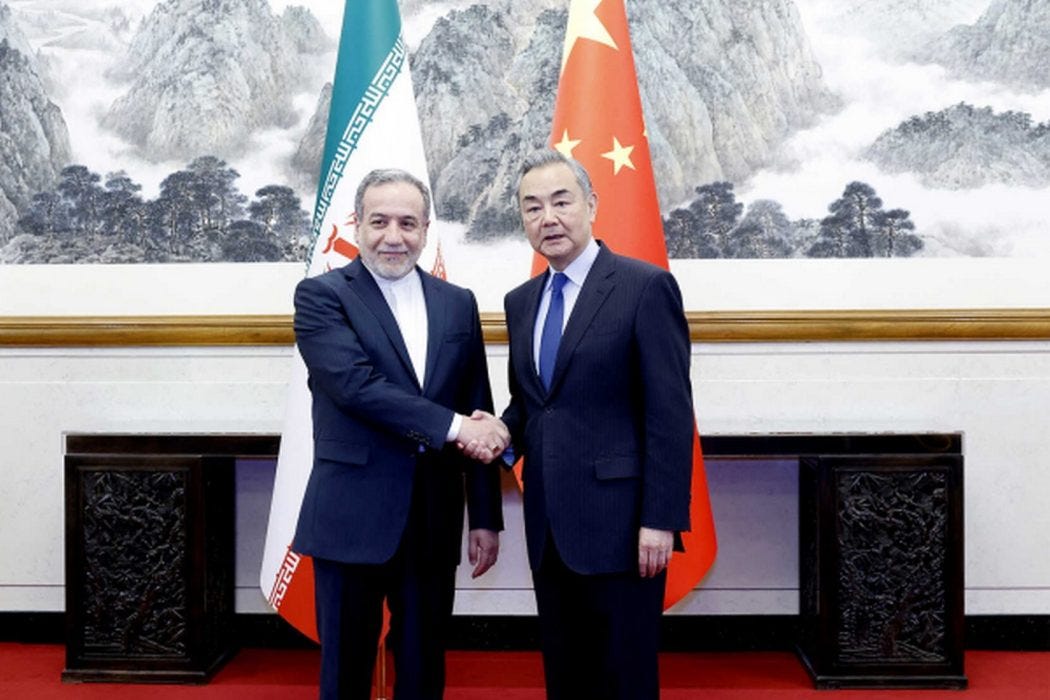
The meeting came one week before President Donald Trump is due to visit Beijing for talks with Xi Jinping. Araghchi said China was a close friend of Iran and that bilateral cooperation would become stronger, while saying Tehran would accept only “a fair and comprehensive agreement” in negotiations with Washington.
The strait has been largely impassable since the war, after blockades imposed by Iran and the US. China has criticised the US naval blockade but is also increasingly frustrated with Tehran’s continued closure of a route carrying one-fifth of global oil and liquefied natural gas supplies.
Sources: BBC, Al Jazeera

An attack on the French cargo ship San Antonio in the Strait of Hormuz injured eight crew members, according to the International Maritime Organization, underlining the risks still facing vessels crossing the waterway. The ship’s owner, CMA CGM, said the injured crew had been evacuated and given medical care.
The strike occurred before President Donald Trump paused Project Freedom, a US military effort to protect commercial ships moving through the strait while talks on ending the Iran war continued. The US military and CMA CGM disagreed over whether the vessel had followed the project’s procedures.
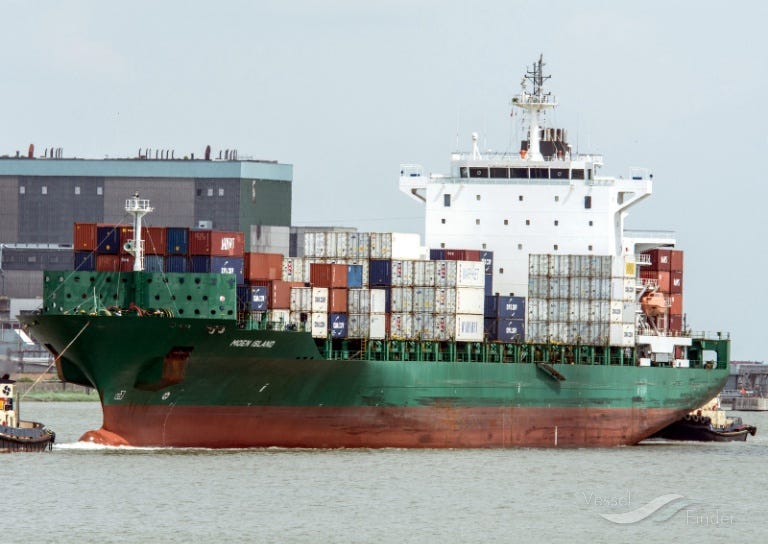
Iran’s attacks on shipping have sharply reduced traffic through the strait, cutting oil and gas supplies and raising fuel prices. No ships crossed on Wednesday, compared with about 130 daily before the war, while France said it was sending a carrier group towards the Red Sea.
Sources: New York Times, Jerusalem Post
Israel struck Beirut’s southern suburbs on Wednesday for the first time since a US-brokered ceasefire with Hezbollah, putting further pressure on a deal that has failed to stop the conflict. Israeli authorities said the strike targeted a commander of Hezbollah’s elite Radwan Forces in Haret Hreik, a residential area that houses many of the group’s main offices.
Israeli Prime Minister Benjamin Netanyahu said he had personally approved the attack, while he and Defence Minister Israel Katz said “the long arm of Israel” would reach every enemy. Local officials said at least one person was killed, and images showed a damaged building and excavation beneath the rubble.
The ceasefire began in mid-April, but both sides have continued attacks. Lebanon’s health ministry says more than 2,700 people have been killed since 2 March, while Israeli authorities say 20 Israelis have died.
Sources: Washington Post, BBC
Restacking or sharing this publication means more people can read it. Commenting extends the conversation. Liking shows your appreciation.
Pope Leo said he had never supported nuclear weapons after President Donald Trump accused him of “endangering a lot of Catholics” with his stance on the Iran war. Speaking after leaving Castel Gandolfo, the first US-born pontiff said the mission of the church was “to preach the gospel, to preach peace”.
Leo said critics should speak truthfully, adding that the church had opposed all nuclear weapons for years. He is due to meet US Secretary of State Marco Rubio at the Vatican on Thursday, with both sources describing the meeting as part of efforts to manage tensions.
Trump had claimed the pope thought it was acceptable for Iran to have a nuclear weapon. Rubio said the trip had been planned earlier and rejected the suggestion that it was intended to repair relations after Trump’s comments.
Sources: The Guardian, Time

Cuba’s top officials condemned growing US statements and threats of military action against the island, calling them dangerous amid an oil blockade that has sharply restricted fuel shipments during an energy crisis. Foreign Minister Bruno Rodriguez said the United States was “hinting at a military action” to “liberate” Cuba, and called the threat of attack an international crime.
US Secretary of State Marco Rubio said the status quo in Cuba was unacceptable and that Washington would address it, though he gave no timeline. Cuban officials also reacted after President Donald Trump joked that the United States might send an aircraft carrier near Cuba to force surrender.
President Miguel Diaz-Canel called the comments a dangerous and unprecedented escalation, saying “no aggressor, no matter how strong” would be met with surrender. Cuba has returned to regular, hours-long blackouts as Russian oil supplies run short.
Sources: Reuters, Miami Herald

Severe hunger is worsening in the Democratic Republic of the Congo as climate shocks, conflict and falling foreign aid strain food supplies and humanitarian response. Régis Ngudie, of Mapendo Banque Alimentaire in Kinshasa, said the crisis was driven by climate pressures, prolonged conflict in the east and a weak economy, with the food bank able to meet only a fraction of the capital’s needs.
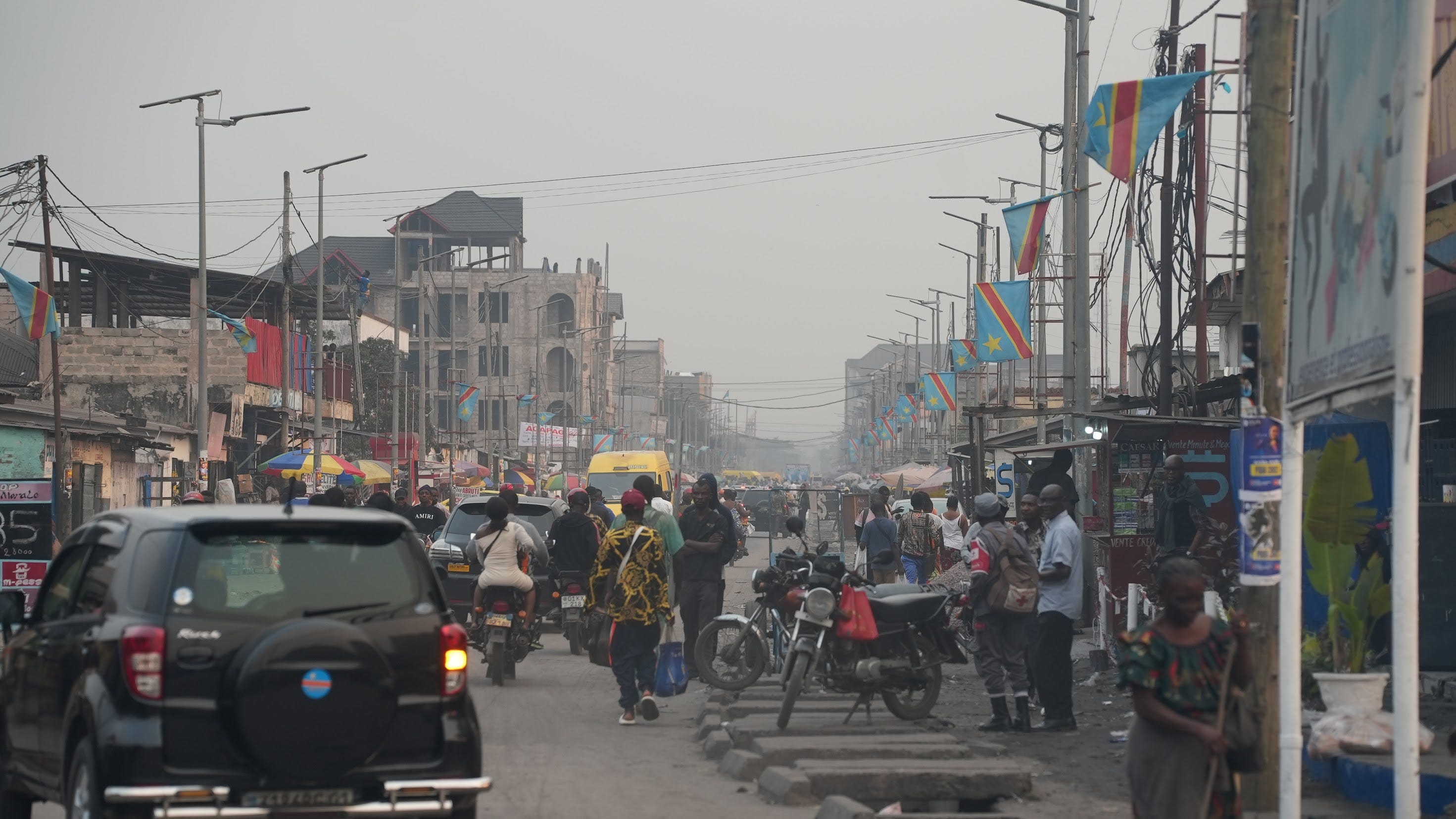
Kinshasa’s population has risen from 3.5 million in 1990 to about 18 million today, while public services are under severe pressure. Floods, weak harvests and conflict have disrupted supply chains, pushed up prices and brought more internally displaced people to the city.
Ibrahima Diallo, deputy country director for the World Food Programme in the DRC, said needs were rising as support declined. WFP expects to assist about one million people this year, despite five million needing food assistance.
Sources: Al Jazeera, The Independent

Russian President Vladimir Putin has tightened security precautions over fears of assassination, according to a leaked European intelligence report cited in the sources. The report claims the 73-year-old has spent weeks in an underground bunker in the Krasnodar region and reduced visits to residences in Moscow Oblast and Valdai.
People working near Putin, including bodyguards, cooks and photographers, are reportedly screened and barred from using personal phones or internet-enabled devices. The Institute for the Study of War said it had observed corroborating evidence of enhanced security measures for Putin and senior Russian officials.
Kremlin spokesperson Dmitry Peskov said all measures were being taken to minimise danger amid a terrorist threat. The report also linked the precautions to assassinations of senior officers, longer-range Ukrainian drone strikes, internet shutdowns in Moscow and protection assigned to senior generals.
Sources: The Independent, NDTV

Forecasters say the odds are rising that one of the most powerful El Niño events on record could form in the coming months, raising concerns over global temperatures, hurricanes, drought and other extremes. New forecasts show warmer-than-usual Pacific sea surface temperatures expanding, with central equatorial waters potentially reaching 3C above average by autumn.
El Niño typically boosts global temperatures and can intensify background warming from human-caused climate change. Scientists say a strong event could push 2027 temperatures to record highs, while shifting patterns of drought, floods, heat, humidity and sea ice.
The pattern could suppress Atlantic hurricanes but increase Pacific storm risks, monsoon disruption, drought in parts of Central Africa, Australia and the Americas, and flooding risks in parts of Peru, Ecuador, Brazil, Africa, the Middle East and the southern United States.
Sources: NBC News, Washington Post
Restacking this post will help it reach more readers interested in the world.
On this day …
On this day in 1999, during the NATO bombing of Yugoslavia, NATO aircraft struck the Chinese embassy in Belgrade, killing three Chinese journalists and triggering a major diplomatic crisis with China.
The alliance stated the strike resulted from faulty targeting information, but the incident provoked protests across China and strained relations between Beijing and Western governments.
It highlighted the risks of escalation during intervention campaigns and influenced how China assessed NATO’s intentions and Western military operations in the years that followed.
Did the embassy bombing mark a turning point in how China interpreted Western intervention strategies after the Cold War?