


Trump Pauses Strait Escort Mission Amid Iran Talks (Geopolitics)
UN Draft Threatens Iran Sanctions Over Hormuz (Geopolitics)
Trump Downplays China Strain Before Summit (Diplomacy)
Iran Envoy Visits China Before Trump Summit (Diplomacy)
Trump Criticism Tests Rubio Vatican Visit (Europe)
Romania Government Falls After Confidence Vote (Politics)
Australia Builds Fuel Reserve After Supply Shock (Energy)
Japan And Philippines Deepen Defence Ties (Defence)
Democrats Press Rubio On Israel Nuclear Policy (Politics)
Meloni Warns Over AI Deepfake Attack (Technology)
A succinct daily briefing delivered each weekday to help you stay on top of the stories shaping the world.
President Donald Trump said the United States would pause efforts to guide commercial vessels through the Strait of Hormuz for a “short period of time”, despite senior officials earlier insisting the operation would continue. Trump said the decision followed requests from Pakistan and other countries, alongside what he described as “great progress” towards an agreement with Iran. He added that the broader US blockade around the strait would remain in place.
The announcement undercut messaging from Secretary of State Marco Rubio and Defence Secretary Pete Hegseth, who had framed the operation as necessary to restore freedom of navigation after Iran effectively blocked the waterway following US and Israeli strikes in February.
Around 1,600 ships remain stranded near the strait, while oil and gas prices have risen sharply. Shipping traffic remains far below pre-war levels and uncertainty persists over whether commercial operators will resume transit during the pause.
Sources: New York Times, BBC
The United States and Gulf allies have proposed a UN Security Council resolution threatening Iran with sanctions or other measures unless it halts attacks on ships in the Strait of Hormuz, stops imposing illegal tolls and discloses mine placements.
The draft also demands that Iran enable UN efforts to establish a humanitarian corridor for vital aid, fertiliser and other goods. Marco Rubio said Iran was continuing to hold the world’s economy hostage and said the revised text removed language authorising force while focusing on sanctions.

The proposal follows an earlier resolution vetoed by China and Russia before a temporary ceasefire was announced in early April. Mike Waltz said he believed the narrower draft could gain enough support in the 15-member council, while the waterway remains central to global energy trade after carrying about 20% of the world’s crude oil before the war.
Sources: Associated Press, Times of Israel
Donald Trump said he would discuss the Iran war with Xi Jinping at next week’s Beijing summit, while seeking to downplay tensions over the conflict between Washington and Beijing.
Trump said Xi had been “very respectful” and that the United States had not been challenged by China, even as he acknowledged Beijing’s reliance on oil supplies disrupted by the war. The leaders are due to meet on May 14 and 15, after the conflict had already delayed the summit once and raised anxiety in financial markets.
The war has largely shut energy flows through the Strait of Hormuz, leaving oil-importing countries including China working to prevent domestic shortages. The United States has also sanctioned Chinese refiners processing Iranian oil, while both countries still face existing friction over trade and Taiwan.
Sources: Bloomberg, South China Morning Post
Abbas Araghchi visited China for talks with Wang Yi days before Donald Trump is expected to meet Xi Jinping in Beijing, as Washington urged China to press Iran to reopen the Strait of Hormuz.
Araghchi is the first senior Iranian official to visit Beijing since the war began in late February. China has called for a ceasefire and freedom of navigation while backing Iran’s sovereignty and security, and Beijing is trying to avoid being drawn into the conflict as it prepares for the US summit.
Iran has effectively blocked the strait for two months, while the US Navy has imposed a blockade on ships going to or from Iran. China, the biggest buyer of Iranian oil, has told companies not to comply with US sanctions after Washington targeted a Chinese refinery buying Iranian oil.
Sources: South China Morning Post, New York Times
Donald Trump renewed criticism of Pope Leo XIV before Marco Rubio’s planned Vatican meeting, accusing the pontiff of helping Iran and endangering Catholics by suggesting Tehran could have a nuclear weapon.
Pope Leo has not said Iran should obtain nuclear weapons. He said the Catholic Church had spoken against all nuclear weapons for years and defended his calls for peace and dialogue in the US-Israeli war in Iran as rooted in the Gospel. Rubio said Trump’s remarks reflected concern that Iran could threaten Catholics, Christians and others if it obtained a nuclear weapon.
The dispute adds strain before Rubio’s meeting with Pope Leo on Thursday and has spilled into Italian politics. Antonio Tajani said Trump’s latest comments were neither acceptable nor helpful to peace, while Rubio is also expected to meet Giorgia Meloni and Tajani on Friday.
Sources: Associated Press, Al Jazeera
Restacking or sharing this publication means more people can read it. Commenting extends the conversation. Liking shows your appreciation.
Romania’s parliament voted to remove Ilie Bolojan as prime minister after the Social Democrats joined far-right opposition parties to pass a no-confidence motion against his government.
The motion passed with 281 votes in favour, above the 233 needed to remove him. Bolojan’s coalition had fractured after the Social Democrats left last month over unpopular austerity measures aimed at reducing Romania’s budget deficit, which reached 7.9% of GDP in the last quarter of 2025.
The collapse leaves President Nicușor Dan facing difficult consultations to form a new government in a key NATO member bordering Ukraine. Dan said Romania would continue on its Western path and remain committed to deficit targets, while the leu has slipped against the euro amid uncertainty. Romania also risks losing about €11 billion in EU funding if key reforms are not completed by August.
Sources: DW, Politico Europe
Australia will spend A$10 billion (US$7.4 billion) to increase national fuel stockpiles and create a permanent government-owned reserve after the Iran war disrupted global oil supplies and contributed to shortages.
Anthony Albanese said the package would help protect energy sovereignty during the current crisis and future shocks. The plan includes a government reserve of around 1 billion litres and will expand overall diesel and jet fuel storage to 50 days of supply. Australia imports about 80% of its fuel and currently relies on mandated private-sector reserves of around 30 days.
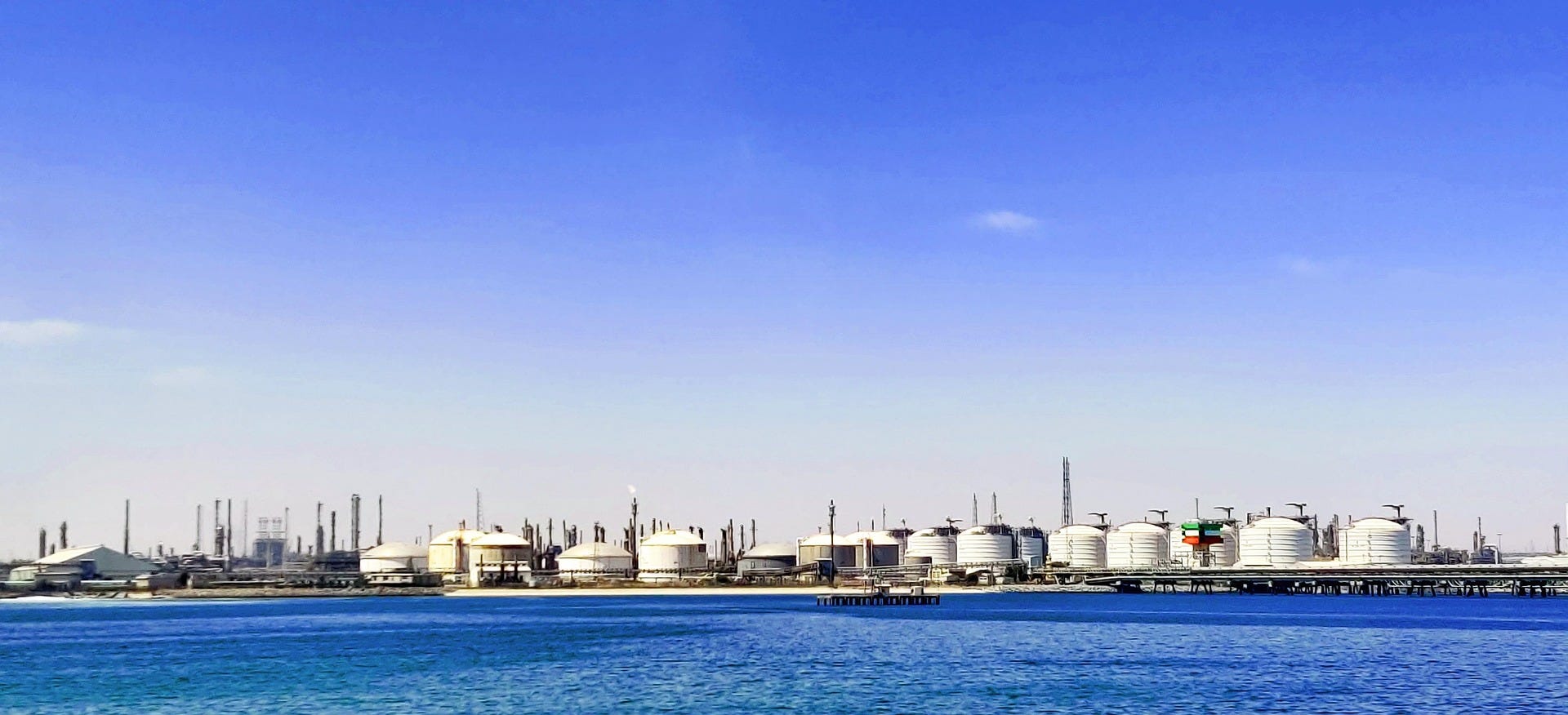
The package includes A$3.2 billion for the reserve and A$7.5 billion for fuel and fertiliser supply and storage support through loans, equity, guarantees, insurance and price support. Chris Bowen said Australia was one of the few International Energy Agency countries without a government-owned fuel reserve.
Sources: Reuters, Bloomberg
Japan and the Philippines agreed to begin talks on a weapons transfer pact that could allow Tokyo to provide used destroyers to Manila, as both countries raised concern over China’s coercive activities in disputed waters.
Shinjiro Koizumi met Gilberto Teodoro Jr. and Ferdinand Marcos Jr. in Manila to broaden defence ties between two US treaty allies. Japan is also taking a combat role in Balikatan drills for the first time, with its forces joining US and Philippine troops in a ship-sinking exercise off the northern Philippines.
The moves follow Japan’s decision to scrap most restrictions on military hardware sales and reflect Tokyo’s greater willingness to project military power near China. China has criticised the drills, while Manila and Tokyo have been drawn closer by shared concerns over Beijing’s actions in the South China Sea.
Sources: Associated Press, Bloomberg
Thirty House Democrats urged Marco Rubio to publicly acknowledge Israel’s undeclared nuclear weapons programme, arguing that decades of US ambiguity are unsustainable during the war with Iran.
The lawmakers, led by Joaquin Castro, said Congress had not received enough information about the nuclear balance in the Middle East, escalation risks or the administration’s contingency planning. Israel does not acknowledge its nuclear weapons programme, and no US administration has publicly stated that it exists, despite what one source described as considerable evidence.
The letter argues that Washington cannot pursue coherent nonproliferation policy while remaining silent about Israel’s capabilities, especially as it seeks to limit nuclear programmes in Iran, Saudi Arabia and the United Arab Emirates. Castro said the United States should not withhold information about a foreign nation when service members, the economy and the country are at stake.
Sources: Washington Post, The Guardian
Giorgia Meloni denounced the circulation of AI-generated deepfake images showing her in lingerie, warning that such fabrications were being used to attack and mislead people online.
Meloni said several fake images had circulated in recent days and criticised opponents who passed them off as real. She said deepfakes could deceive, manipulate and target anyone, adding that she could defend herself but many others could not. She urged people to verify before believing and think before sharing.
The incident follows Italy’s approval last September of a comprehensive law regulating artificial intelligence, including prison terms for those who use the technology to cause harm through deepfakes. The law followed a scandal involving doctored images of prominent Italian women, including Meloni and opposition leader Elly Schlein, on a pornographic website later shut down by police.
Sources: Associated Press, The Guardian
Restacking this post will help it reach more readers interested in the world.
On this day …
On this day in 1937, the German passenger airship LZ 129 Hindenburg caught fire while attempting to land in New Jersey, killing 36 people and ending confidence in large passenger dirigibles.
The disaster occurred as the aircraft completed a transatlantic flight from Europe and was widely reported through photographs and radio coverage, giving the event global visibility.
The destruction of the airship accelerated the shift toward heavier-than-air commercial aviation and reshaped expectations about safety in long-distance travel. It marked a symbolic end to an era in aviation experimentation.
Did the Hindenburg disaster primarily change aviation technology itself, or did it change public willingness to trust emerging transport innovations?