


Trump Signals Role In Iran Leadership Succession
Israel Strikes South Beirut After Mass Evacuation Order
Trump Urges Kurdish Forces To Join War Against Iran
Ukraine Offers Drone Expertise For Middle East War
Azerbaijan Threatens Retaliation After Iran Drone Strike
US Lets India Resume Russian Oil Purchases
UAE Considers Freezing Iranian Assets In Escalation
Trump Fires Kristi Noem In First Cabinet Shake-Up
Finland Moves To Lift Nuclear Weapons Ban
States Sue Trump Over New Global Tariffs

U.S. President Donald Trump said he should be involved in selecting Iran’s next supreme leader as American and Israeli forces continued striking the country for a sixth day in a widening regional war. The Israeli military said its campaign had destroyed most of Iran’s air defences and missile launchers, while U.S. Defence Secretary Pete Hegseth warned American firepower over Tehran was “about to surge dramatically.”
Trump ruled out Mojtaba Khamenei, son of the assassinated supreme leader Ayatollah Ali Khamenei, calling the potential successor “a lightweight.” He said he wanted someone who would “bring harmony and peace to Iran” and compared the situation to his intervention in Venezuela.
The conflict has expanded across the region, with Iranian attacks targeting Israel, U.S. bases and neighbouring countries. Oil supplies and global air travel have been disrupted, while ships have been attacked in the Gulf of Oman and the Strait of Hormuz, through which about a fifth of the world’s oil is shipped.
Sources: Axios, Associated Press

Israel launched massive strikes against the southern suburbs of Beirut hours after ordering the entire population of the area to evacuate immediately, triggering scenes of panic across the Lebanese capital. Residents fled in heavy traffic and on foot after the military warned them to “save your lives and evacuate your homes immediately” before warplanes struck what Israel said were Hezbollah targets.
The assault marked a significant escalation in Israel’s offensive in Lebanon after Hezbollah fired missiles and drones into Israel earlier in the week. Hezbollah has since deployed elite fighters to confront Israeli troops in southern Lebanon, sending forces back into the border region from which they withdrew after a ceasefire in the 2024 war.
The conflict is unfolding as the wider regional war intensifies. Iran has launched retaliatory strikes across the region, while Israeli and U.S. forces continue attacks on Iranian targets, raising fears the fighting could spread further across the Middle East.
Sources: Reuters, The Guardian

The Trump administration has reached out to Kurdish leaders in Iran and neighbouring Iraq, offering support for efforts to challenge Tehran as the regional war expands. According to officials familiar with the contacts, President Donald Trump offered extensive U.S. air cover and other backing for Iranian Kurdish groups to seize parts of western Iran.
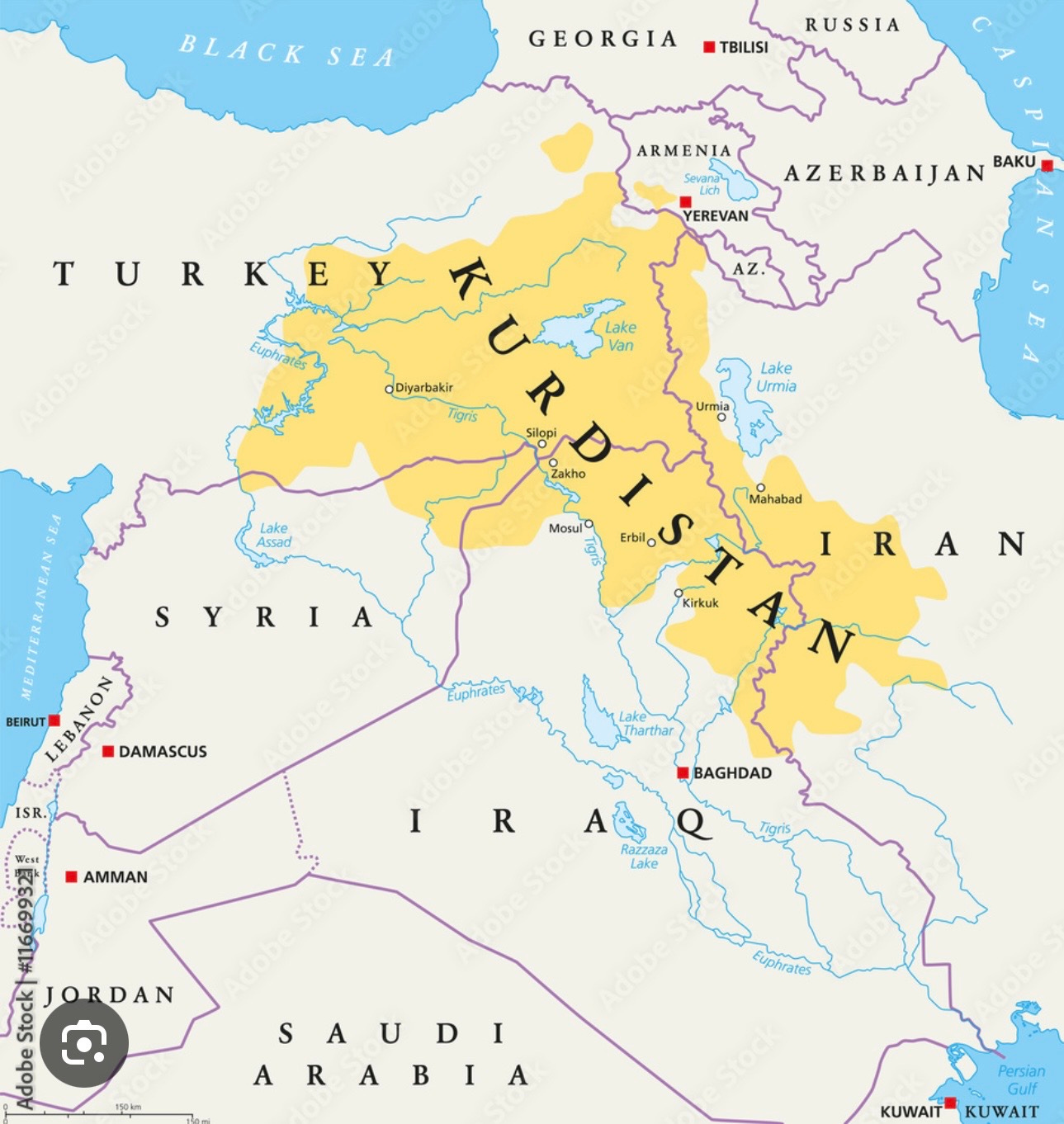
Trump also encouraged Kurdish forces to attack Iran, saying he would support such an effort. Kurdish parties in Iraq confirmed that the president urged them to choose sides in the conflict between the United States and Iran.
Iranian Kurdish opposition groups have been discussing how they might target Iranian security forces, though their leaders have denied launching any invasion from Iraqi territory. Iraqi Kurdish authorities have also said they will not allow their territory to be used for hostile actions against neighbouring countries.
The outreach highlights Washington’s effort to engage domestic opposition inside Iran as the war widens across the Middle East.
Sources: Washington Post, Reuters

The United States has asked Ukraine for help defending against Iranian drone attacks in the Middle East, and President Volodymyr Zelensky said he had ordered support to be provided. After years of Russian strikes, Kyiv has developed cheap interceptor drones designed to hit incoming attack drones in mid-air.
Zelensky said Ukrainian specialists could be sent to help guarantee security, while stressing that any assistance must not weaken Ukraine’s own defence. He has also proposed swapping interceptor drones for additional Patriot air defence missiles.
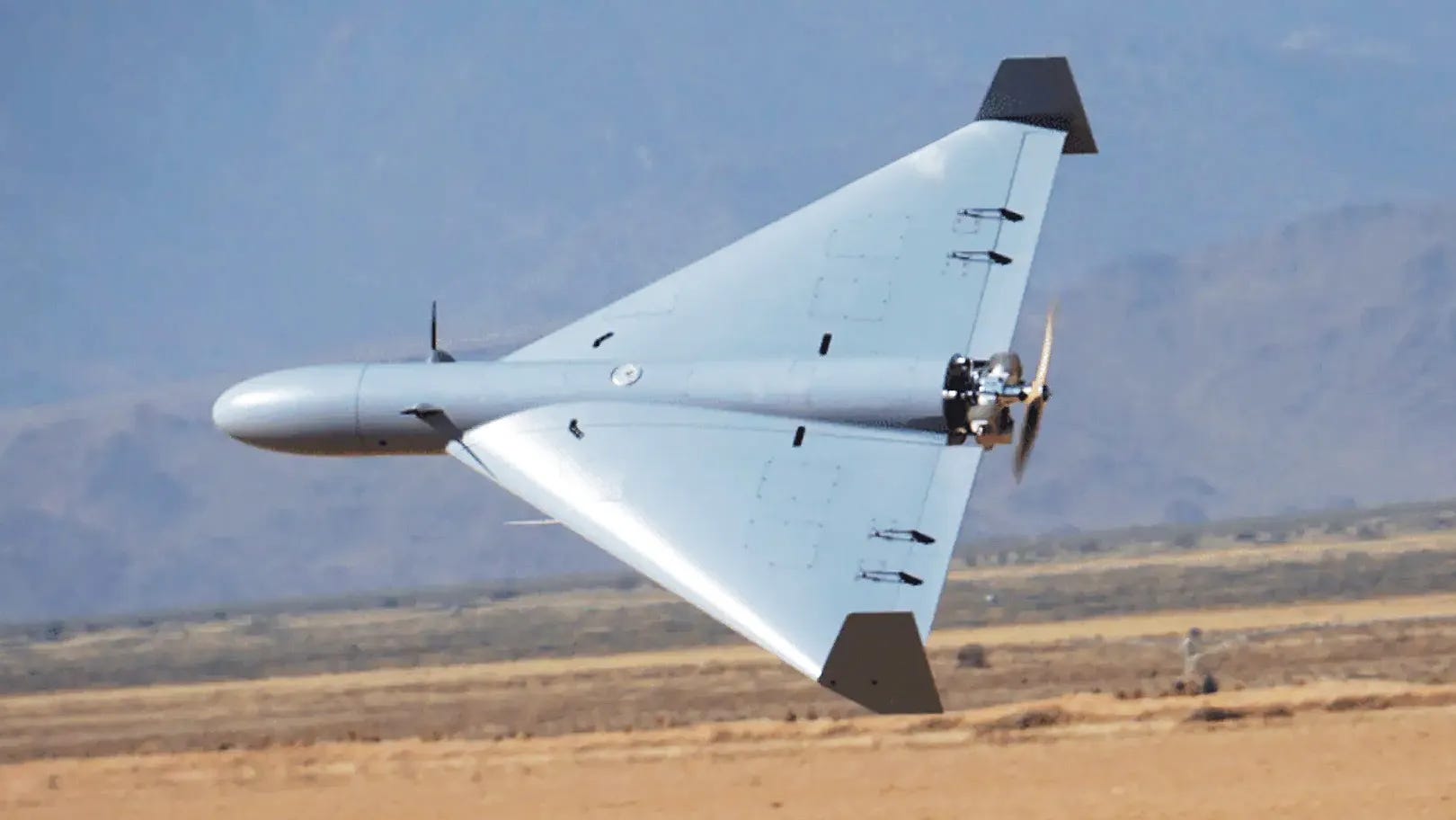
The request highlights how the widening Middle East war is creating new demands on Ukraine’s battlefield experience. Zelensky has said partners are seeking Ukrainian expertise and practical support against Shahed drones, which have been used extensively in attacks on residential areas, civilian infrastructure and energy sites during Russia’s invasion.
Sources: South China Morning Post, BBC

Azerbaijan accused Iran of a drone attack on its exclave of Nakhchivan after drones hit near an airport and a school, injuring four civilians. President Ilham Aliyev called it “a groundless act of terror and aggression” and said the military had been instructed to prepare and implement retaliatory measures. Azerbaijan also halted truck traffic across its border with Iran.
Iran denied launching a drone toward Azerbaijani territory. Azerbaijan’s Foreign Ministry summoned the Iranian ambassador, demanded an explanation and urged measures to prevent a repeat of the incident.
The clash pushed the Middle East war into another country and exposed the fragility of Azerbaijan’s relationship with Iran. Baku has said it is not participating in operations against Iran, even as its ties with Israel and the United States have deepened and its territory has become entangled in the wider conflict.
Sources: Associated Press, Axios

The United States has issued a 30-day waiver allowing India to buy Russian oil currently stuck at sea, offering a temporary response to supply disruption caused by the widening Middle East war. Treasury Secretary Scott Bessent described the move as a stopgap measure intended to keep oil flowing into the global market.
Indian refiners are buying millions of barrels of prompt Russian crude cargoes as the country tries to manage an oil supply crunch. India is especially exposed to disruption because about 40% of its oil imports come from the Middle East through the Strait of Hormuz, and its crude stocks cover only about 25 days of demand.
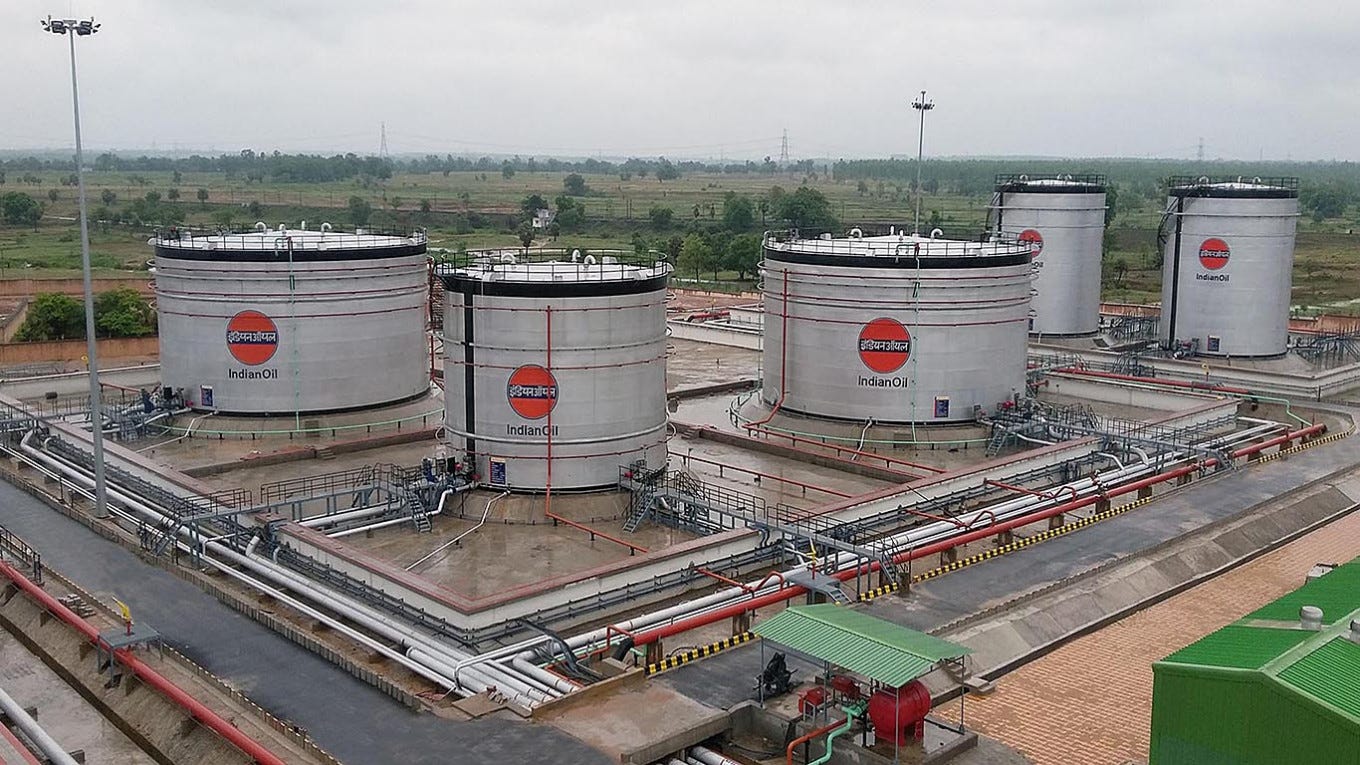
The waiver marks a sharp adjustment after months of U.S. pressure on New Delhi to cut Russian purchases. Indian state refiners are now seeking prompt deliveries, and one source said they have already bought about 20 million barrels from traders.
Sources: The Guardian, Reuters

The United Arab Emirates is considering cutting off Iranian access to billions of dollars held in the Gulf state as the Middle East conflict intensifies. Emirati authorities have warned Iranian officials that such a move is under consideration, though no final decision has been made on whether or when to act.
The potential step would target a financial corridor that has long helped Iranian businesses and individuals bypass Western sanctions. Dubai has served as a hub for shell companies and currency exchange networks used to move funds and mask the origin of oil and commodity trade.
The review comes after Iranian strikes against the UAE damaged infrastructure including Dubai International airport, a hotel, and residential and tourist areas. The attacks appear to be prompting a rethink in Abu Dhabi, which had reaffirmed only days earlier that it would maintain a defensive posture and not join military action against Iran.
Sources: Times of India, CNBC

Donald Trump fired homeland security secretary Kristi Noem on Thursday, making her the first cabinet secretary to be removed in his second term. He said she would move to a new role as special envoy for the Shield of the Americas and announced plans to nominate Senator Markwayne Mullin to lead the Department of Homeland Security.
Noem’s removal followed mounting pressure over her handling of the administration’s mass deportation efforts, allegations that she misused public funds and growing scrutiny of her leadership. Her combative Senate hearing this week accelerated the decision, after Trump was angered by her testimony on a more than $200 million advertising campaign that prominently featured her.
Her departure comes while the department faces a partial shutdown after Democratic lawmakers refused to continue funding its agencies in protest at the administration’s immigration enforcement tactics.
Sources: Wall Street Journal, FT

Finland plans to remove a legal ban that blocks nuclear weapons from entering the country, arguing the change is needed to align more closely with Nato’s deterrence policy after a worsening security environment. Defence minister Antti Häkkänen said the legislation no longer matches Finland’s needs as a Nato member and would allow a nuclear weapon to be brought into, transported through or possessed in Finland if connected to military defence.
The government said the reform would not mean nuclear weapons will be stationed in Finland. Permanent deployment would require a separate international treaty and approval by parliament and the Finnish state leadership.
The proposal would amend the Nuclear Energy Act and shift rules on nuclear explosives into the criminal code. It has been opened for consultation and has already drawn criticism from opposition parties, which said parliament received limited information before the announcement.
Sources: Helsinki Times, BBC

More than 20 states sued Donald Trump on Thursday over new global tariffs imposed after the Supreme Court struck down his earlier import taxes. The lawsuit argues that Trump is overstepping his authority by using Section 122 of the Trade Act of 1974 to impose a 10% tariff, with plans to raise it to 15%.
The states say Section 122 was intended for specific and limited circumstances, not sweeping import taxes designed to address trade deficits. They also argue the tariffs will raise costs for states, businesses and consumers. One estimate cited by Arizona’s attorney general put the burden on households at about $1,200 a year.
The case sends Trump’s trade strategy back to court just days after his previous tariff framework was invalidated. The White House said the administration would vigorously defend the new action as a lawful response to international payments problems and large balance-of-payments deficits.
Sources: New York Times, Associated Press
On this day ….
On this day in 1899, the German company Bayer registered “Aspirin” as a trademark. The drug’s active ingredient, acetylsalicylic acid, had been synthesised in the late nineteenth century, but trademark protection helped transform it into a global commercial product.
Marketed as a reliable treatment for pain and fever, Aspirin quickly became one of the most widely used medicines in the world.
Although the trademark was later lost in some countries after the First World War, the brand name endured.
It marked an early moment in the modern pharmaceutical industry, when chemistry, branding and intellectual property combined to shape global healthcare.