


Maduro Pleads Not Guilty After US Seizure
US Venezuela Raid Raises Taiwan Decapitation Fears
Maduro Raid Exposes Limits of Moscow’s Alliances
Fraud Probe Jolts Japan Nuclear Restart at Hamaoka
Zelensky Ousts Security Chief Amid Wider Leadership Shake-Up
Denmark Warns US Threat to Greenland Would End Nato
Israel Strikes Lebanon Ahead of Hezbollah Disarmament Talks
South Korea Seeks Reset With China Amid Regional Tensions
US Warns Europe to Deregulate or Face Economic Decline
Iran Offers Cash Payments as Protests Spread Nationwide

Nicolás Maduro pleaded not guilty in Manhattan on Monday after US forces captured him in Caracas and brought him to New York. Through an interpreter, he said he had been “kidnapped” and remained Venezuela’s president. His wife, Cilia Flores, also pleaded not guilty, and Judge Alvin Hellerstein set the next hearing for March 17.
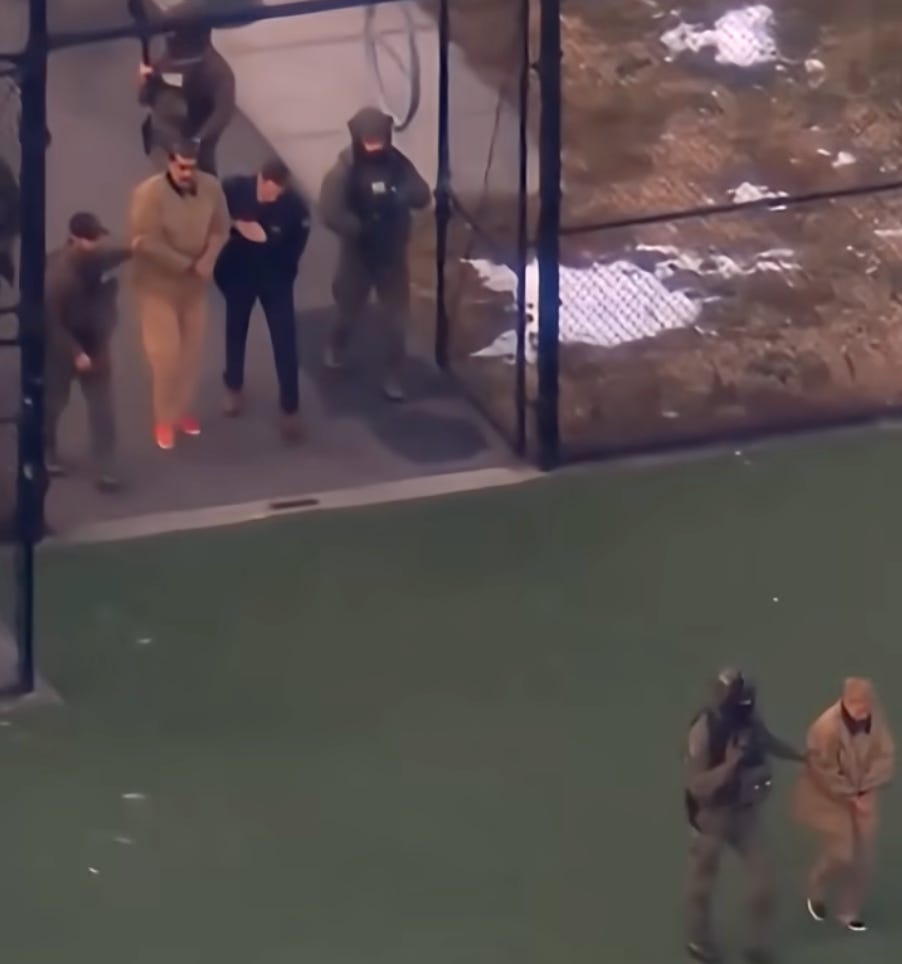
Prosecutors accuse Maduro of overseeing a cocaine-trafficking conspiracy and charge narco-terrorism, conspiring to traffic cocaine into the US, and possessing machine guns and destructive devices. However, experts have questioned the legality of the raid, while Deputy Attorney General Todd Blanche said the administration acted within the law and had a legal right to arrest him.
Later, Venezuela’s vice president Delcy Rodriguez was sworn in. Meanwhile, the UN Security Council debated the seizure, condemned by Russia and China, as Trump said the United States was “running Venezuela” and was at war with drug sellers, not the country.
Sources: Reuters, BBC

The US seizure of Venezuela’s president has heightened anxiety in Taiwan that China could one day attempt a similar leadership strike, even as Taipei has downplayed the risk. Concerns intensified after the People’s Liberation Army conducted two days of drills around Taiwan last week, including simulated joint operations aimed at paralysing political and military command structures.
Taiwanese officials say their forces are prepared for all contingencies. However, security experts warn Beijing is refining its ability to pivot rapidly from exercises to real-world operations, drawing lessons from what supporters describe as Washington’s precision and intelligence integration in Caracas. Critics argue the raid risks normalising lightning operations to topple governments.
Meanwhile, analysts say the operation may also reduce constraints on China by weakening US credibility in opposing rule-breaking abroad. Beijing, which claims Taiwan as part of China, has previously released footage simulating attacks on Taiwan’s leadership. As a result, Taiwanese analysts argue command resilience and public confidence are becoming as critical as military hardware.
Sources: South China Morning Post, New York Times

A US raid that captured Nicolás Maduro has prompted Russian condemnation, but no action, and sharpened claims that Moscow is an unreliable ally. Commentators said the episode undercut Russia’s image of a “multipolar” camp resisting American-led power, and left Venezuela humiliated in public view.
Recent cases have reinforced that perception. Russia did not stop Azerbaijan from seizing Nagorno-Karabakh in a lightning war in 2023, and later watched the collapse of Bashar al-Assad’s regime, abandoning Tartous, its vital Mediterranean port. Furthermore, Russia was unable to help Iran when Israel and the US bombed it last year.
As a result, some Russian nationalists framed the Caracas operation as proof that “might makes right”, while others focused on envy that the United States can act without the repercussions Russia faces over Ukraine.
Sources: Politico, New York Times

Chubu Electric Power said it is investigating potential misconduct that could amount to fraud in how earthquake safety data was compiled for its Hamaoka nuclear power plant, threatening further delays to a long-blocked restart. The company said employees may have selected seismic data differently from what was presented to regulators during safety reviews of units three and four.
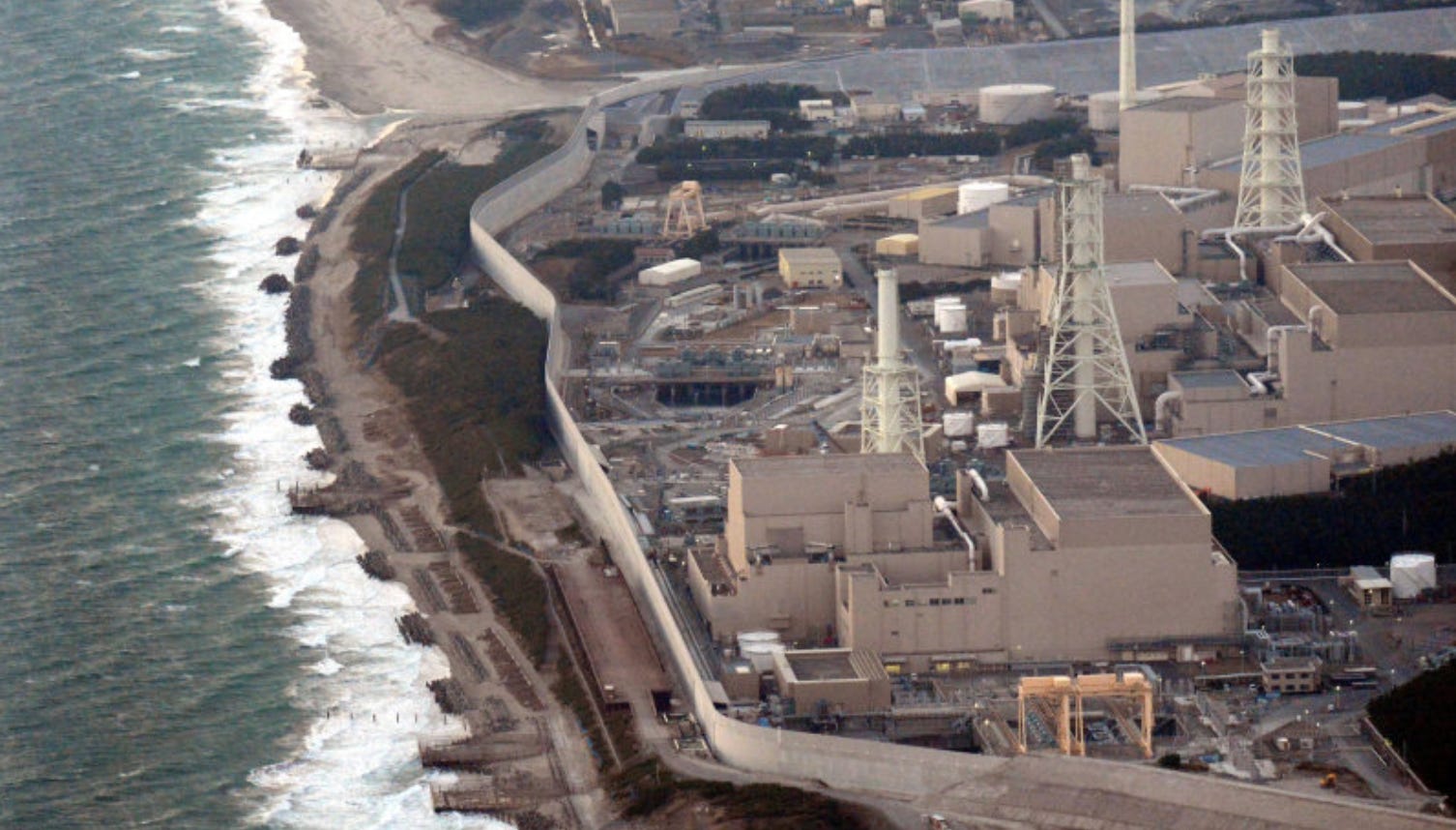
The admission prompted Japan’s Nuclear Regulation Authority to halt the screening process, calling the conduct “wrongdoing”. Chubu Electric said it has established an independent panel of external experts to determine whether data was deliberately cherry-picked to smooth regulatory approval, a move the watchdog said undermines trust in the safety regime.
However, the fallout extends beyond a single plant. The Hamaoka facility sits in an area expected to be hit by a major Nankai Trough earthquake, and the case risks reigniting public concern over nuclear oversight. As a result, the episode complicates government efforts to revive nuclear power under stricter rules after the 2011 Fukushima disaster.
Sources: Bloomberg, South China Morning Post

President Volodymyr Zelensky has dismissed Vasyl Maliuk as head of Ukraine’s Security Service, triggering rare public criticism from senior military commanders who warn the move risks destabilising the chain of command during wartime. Maliuk, a central figure behind Operation Spiderweb, confirmed he was stepping down after Zelensky said he should refocus on combat work.
Zelensky appointed Yevhen Khmara as the new security service chief and announced a broader reshuffle across government and intelligence posts. He also named former Canadian deputy prime minister Chrystia Freeland as an adviser on economic development, adding an experienced international figure to his team as Ukraine manages both war and governance pressures.
However, the removal of Maliuk angered frontline commanders. The head of Ukraine’s Joint Forces Group publicly defended him, while the commander of the Unmanned Systems Forces warned replacing the security chief was a risk during active fighting. The shake-up follows a major corruption scandal and comes as Russian air attacks on Ukrainian infrastructure continue.
Sources: Washington Post, Kyiv Independent

Denmark’s prime minister has warned that any US military move against Greenland would mark the collapse of Nato and post-war European security, after President Donald Trump again said Washington needed the Arctic territory. Mette Frederiksen said an attack on a Nato ally would mean “everything would stop”, including the alliance itself.
The comments followed Trump’s remarks that the US needed Greenland for national security, days after a US operation in Venezuela heightened fears he might act on earlier threats. Greenland remains part of the Danish kingdom, with defence and foreign policy handled by Copenhagen.
Meanwhile, Greenland’s prime minister, Jens-Frederik Nielsen, urged Trump to abandon what he called “fantasies about annexation”, saying threats and pressure had no place between allies. The European Union and several Nato states backed Denmark, stressing territorial integrity. However, Greenlandic politicians warned the rhetoric signalled a harsher strategic environment in the Arctic as competition intensifies over security and resources.
Sources: Euronews, The Guardian

Israel carried out airstrikes across southern and eastern Lebanon, including in the coastal city of Sidon, days before a Lebanese government meeting on disarming Hezbollah. A pre-dawn strike levelled a three-storey commercial building in Sidon, while other attacks hit villages in the Bekaa Valley and the south after Israeli warnings prompted evacuations.
Lebanon’s president condemned the strikes as undermining efforts to de-escalate tensions and extend state authority into areas long dominated by Hezbollah. Israel’s military said it targeted weapons storage sites and infrastructure belonging to Hezbollah and Hamas, acknowledging some were in civilian areas but blaming the groups for operating there.
Meanwhile, the attacks came as Lebanon prepares to review progress on disarming militant groups under a ceasefire that ended the latest Israel-Hezbollah war in late 2024. Israel says the pledge has not been fulfilled and has continued near-daily strikes, raising pressure on Beirut as international scrutiny intensifies.
Sources: Associated Press, Al Jazeera

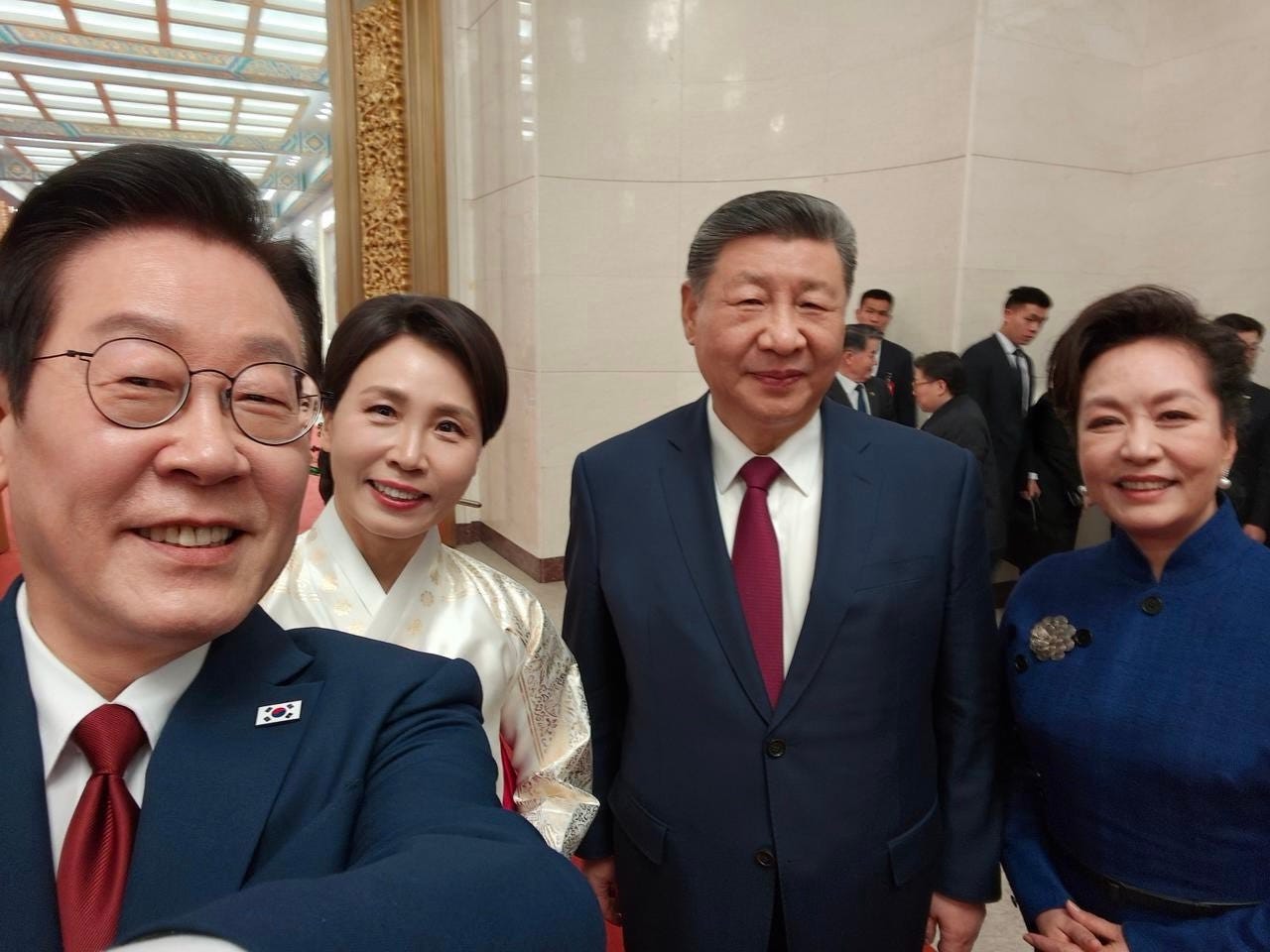
South Korea’s President Lee Jae Myung has called for a “new phase” in relations with China after meeting Xi Jinping in Beijing, the first visit by a South Korean leader since 2019. Lee said the trip was an opportunity to restore and upgrade ties that deteriorated under his predecessor, while balancing security concerns and economic dependence on China.
The talks covered regional security, trade and technology cooperation, and the easing of China’s unofficial restrictions on Korean popular culture. Meanwhile, Xi urged Lee to make “correct strategic choices” as global conditions grow more turbulent, referencing recent international events and stressing shared historical narratives.
However, Lee faces a diplomatic tightrope. South Korea remains a US security ally but relies heavily on China for trade and for leverage over North Korea. The leaders agreed to continue dialogue on maritime disputes and cultural exchanges, as Lee signalled Seoul’s intent to strengthen ties with both Beijing and Tokyo amid rising regional uncertainty.
Sources: BBC, Times of India

The Trump administration has doubled down on its criticism of Europe, arguing that stark language in its national security strategy was intended as a warning rather than an insult. US officials said the aim was to jolt Europe out of what Washington sees as an economic crisis driven by slow growth and heavy regulation.
Speaking in Brussels, Jacob Helberg US Undersecretary of State for Economic Affairs said there was growing alarm in the United States about Europe’s relative economic decline and its shrinking share of global GDP. He argued that complex regulation, particularly in technology and artificial intelligence, was holding back investment and innovation, while the US economy expanded at an annualised rate of 4.3 percent in late 2025.
However, the comments drew sharp reactions in Europe, where leaders condemned suggestions of interference in domestic politics and rejected claims of “civilisational erasure”. European officials stressed that sovereignty and regulatory autonomy remain central, even as economic divergence with the United States becomes more pronounced.
Sources: The Guardian, Kyiv Post

Iran’s government has announced monthly payments of around seven dollars (US$) to most citizens in an attempt to ease economic pressures driving protests across the country. Officials said the payments are intended to preserve purchasing power, control inflation and ensure food security, but critics argue the sums are too small to address the depth of the crisis.
The protests, now in their ninth day, have spread to more than two dozen provinces after inflation surged above 40 percent in December and the currency lost more than half its value against the dollar over the past year. Demonstrations have shut markets and erupted on university campuses, with chants increasingly calling for political change.
However, the authorities have paired limited economic concessions with warnings of a tougher security response. As a result, analysts say the payments may marginally help the poorest households but are unlikely to reverse broader public anger over sanctions, mismanagement and corruption that continue to erode living standards.
Sources: New York Times, The Guardian
On this day …..
On this day in 2021, a mob breached the United States Capitol as Congress met to certify the presidential election results. The attack disrupted a core democratic process, forced lawmakers into lockdown, and left several people dead in its aftermath.
It marked the first time in over two centuries that the seat of US legislative power had been overrun by internal actors seeking to overturn an election outcome.
The event reverberated globally, raising questions about democratic stability in established systems and the power of political misinformation.
It also exposed vulnerabilities in institutional norms once assumed to be self-reinforcing rather than actively defended.