


US-Iran Talks Open in Oman as Military Threats Loom
US and China Decline Military AI Declaration at Summit
Russia, Ukraine Agree Prisoner Swap After Abu Dhabi Talks
US and Russia Resume Military Dialogue After Ukraine Talks
Trump Backs UK Chagos Deal After Reversing Earlier Criticism
US Strips Job Protections From Tens of Thousands of Federal Workers
Last US-Russia Nuclear Arms Treaty Expires as Trump Seeks New Pact
Russia Could Exploit NATO Hesitation in Baltics, Wargame Finds
Italy Questions First Suspect in Sarajevo “Human Safari” Probe
Rio Tinto and Glencore Abandon $260bn Merger Talks

Senior US and Iranian officials are due to meet in Oman for direct talks aimed at easing a crisis that has raised fears of military confrontation. The meeting follows a US military build-up in the Middle East and comes after violent repression of nationwide protests in Iran last month, which human rights groups say killed thousands and led to mass arrests.
Washington says the talks should address Iran’s nuclear programme, ballistic missiles, support for regional armed groups and its treatment of citizens. Tehran insists discussions be limited to nuclear issues, arguing that missile capabilities and regional alliances are matters of sovereignty. Both sides have acknowledged that their positions remain far apart.
The talks come amid explicit US threats of military action if no deal is reached, and Iranian warnings of retaliation against US assets and Israel. For Iran’s leadership, the meeting is seen as a chance to avert further destabilisation. For the US, it offers a potential diplomatic off-ramp from escalating military pressure.
Sources: Straits Times, BBC

The United States and China declined to sign a declaration on the military use of artificial intelligence at a summit in Spain, highlighting divisions among major powers over how the technology should be governed. Only 35 of the 85 states attending the Responsible AI in the Military Domain meeting endorsed the non-binding principles.
The declaration affirms that humans must retain responsibility for AI-enabled weapons and calls for clear chains of command, information sharing on oversight systems, and robust risk assessments, testing and training. Several European and allied countries signed, including Canada, Germany, France, Britain, the Netherlands, South Korea and Ukraine.
Delegates said tensions between Washington and its European allies, and uncertainty about future transatlantic relations, made some governments reluctant to commit. Officials also warned that rapid advances in military AI could outpace rules, creating a dilemma between restraining use and keeping pace with rivals.
Sources: Reuters, News Ukraine

The second round of talks between Russia, Ukraine and the United States in Abu Dhabi ended with an agreement on a new prisoner exchange, offering a limited humanitarian outcome but little clarity on progress toward a peace deal. US envoy Steve Witkoff said the sides agreed to release 314 prisoners, the first exchange in five months.
Russia’s defence ministry said each side released 157 prisoners of war, with three Russian civilians also returned. Ukrainian officials said 150 of those freed were service members and seven were civilians held in captivity. Witkoff described the talks as detailed and productive, adding that further steps could follow.
The exchange came amid continued fighting and fresh attacks on energy infrastructure, reinforcing doubts about diplomatic momentum. Ukrainian and Russian officials reiterated entrenched positions on territory and security, underlining how confidence-building measures are proceeding alongside a stalled political process.
Sources: Moscow Times, Reuters

The United States and Russia have agreed to resume high-level military-to-military dialogue after a suspension that began in late 2021, marking a cautious step to manage risks as the war in Ukraine grinds on.
US officials said the channel will provide consistent contact as peace efforts continue, following talks between senior American and Russian officers in Abu Dhabi that also involved Ukrainian representatives, without any disclosed breakthrough.
The decision comes amid ongoing fighting along the front line and renewed Russian strikes on Ukraine’s energy infrastructure, heightening concerns about incidents between forces operating in proximity. By restoring routine communication, Washington and Moscow aim to reduce miscalculation while broader diplomacy remains stalled and core positions unchanged. Officials framed the move as a confidence-building measure rather than a reset, underscoring stabilisation over settlement as battlefield pressure and negotiations proceed in parallel. No timelines or outcomes were specified publicly.
Sources: Associated Press, Washington Post

Donald Trump has signalled support for the United Kingdom’s agreement to hand sovereignty of the Chagos Islands to Mauritius, weeks after branding the deal an act of great stupidity. The shift followed a phone call with British Prime Minister Keir Starmer, which Trump described as productive.
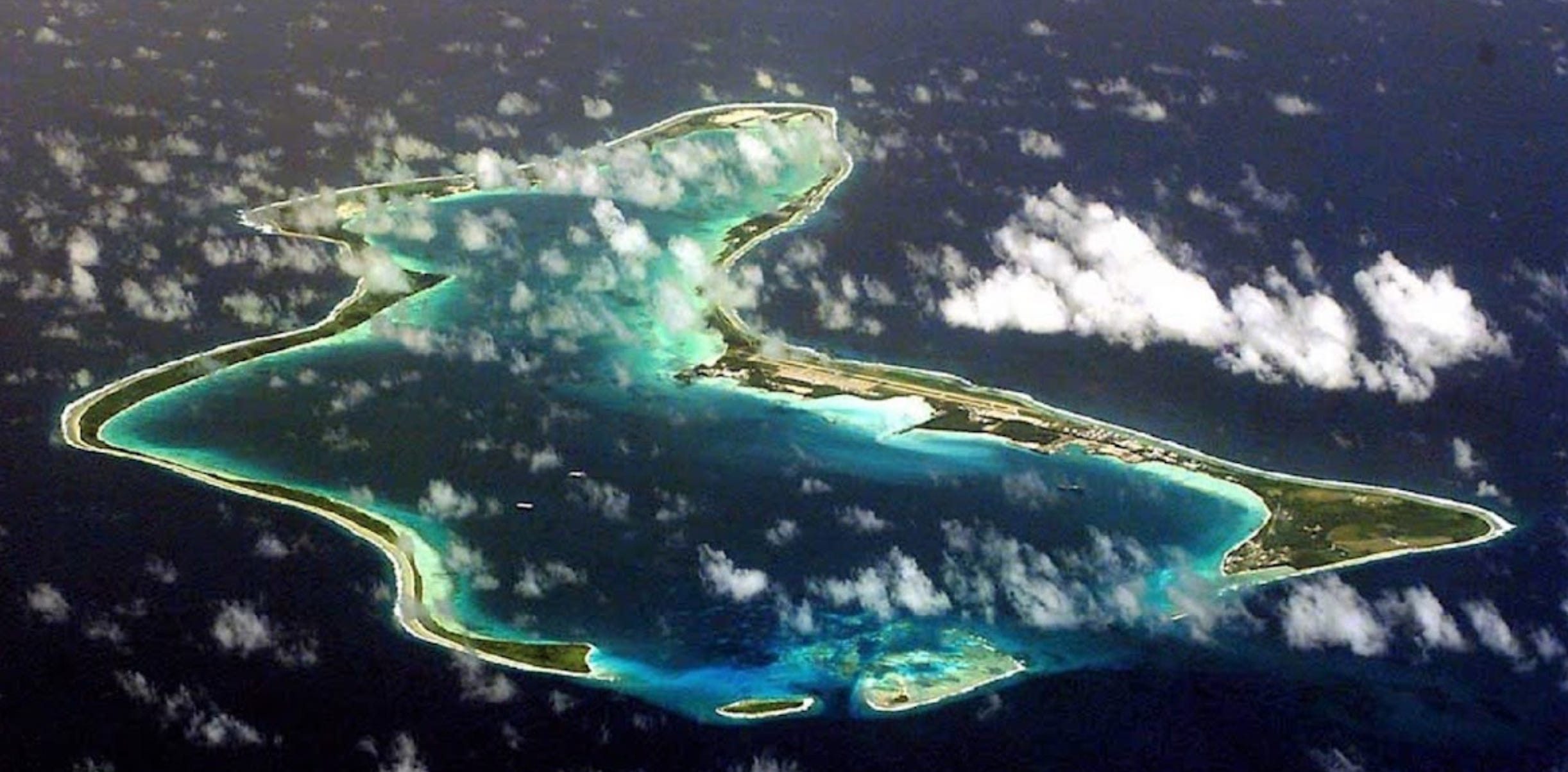
Under the agreement announced last year, Britain will transfer sovereignty of the archipelago to Mauritius while securing a 99-year lease allowing continued operation of the joint US-UK military base on Diego Garcia. Trump said Starmer had made the best deal he could, while stressing that the United States would retain the right to reinforce the base if its operations were threatened.
Downing Street said both leaders agreed to work closely to guarantee the future of the base, which is seen as strategically vital. The handover has drawn criticism from opposition parties in the UK and revived long-standing demands from displaced Chagossians seeking the right to return to their islands.
Sources: The Guardian, Al Jazeera

The Trump administration has finalised a rule allowing up to 50,000 federal employees to be reclassified into at-will positions, significantly weakening long-standing job protections for parts of the civil service. The change expands dismissal powers beyond political appointees to include career staff deemed to hold policy-related roles.
Under the new category, affected employees would lose access to independent appeals and whistle-blower protections, with complaints handled internally by agencies. The White House said the move restores accountability and allows quicker action against poor performance or misconduct.
Critics argue the rule opens the door to politically motivated firings and undermines the principle of a nonpartisan civil service. Unions and advocacy groups have promised legal challenges, warning the change could deter staff from raising concerns or offering independent expertise. The rule revives an approach Trump pursued unsuccessfully in his first term and reverses protections strengthened under the previous administration, marking a sharp escalation in efforts to reshape the federal workforce.
Sources: New York Times, CNN
The final remaining nuclear arms control treaty between the United States and Russia expired on Thursday, leaving the world’s two largest nuclear powers without formal limits on their arsenals for the first time in more than half a century. Moscow said it regretted the lapse, while President Donald Trump rejected extending the agreement and called instead for a new deal.
Russia said it viewed the treaty’s expiration negatively and would act responsibly based on its national security interests, while warning it could take military-technical measures to counter new threats. Trump said the agreement was badly negotiated and argued that any future pact must include China, an idea Beijing has repeatedly rejected.
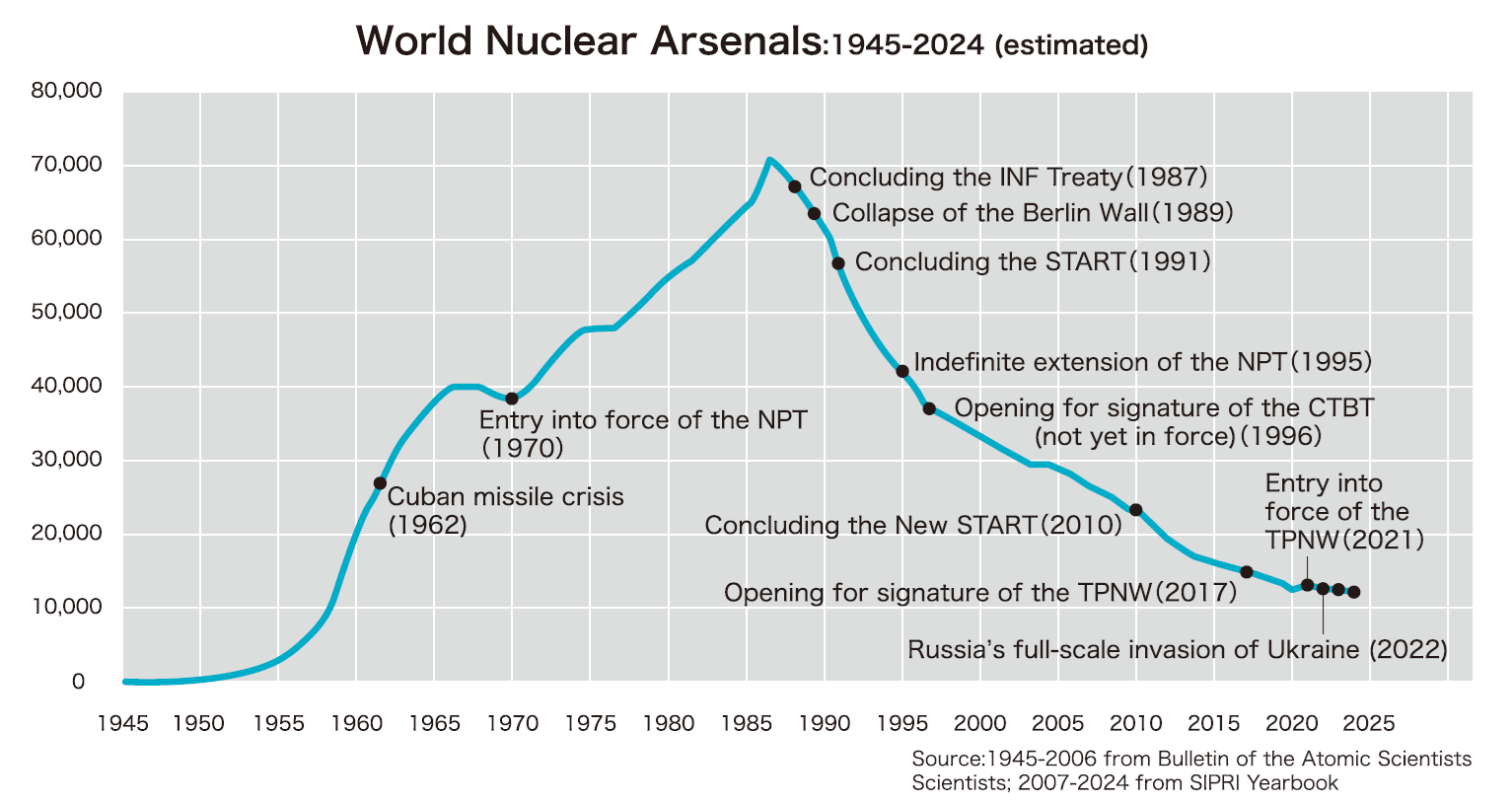
The treaty had capped deployed strategic warheads and delivery systems and provided verification through inspections that stopped during the pandemic. Its collapse has raised fears of a renewed arms race, even as Washington and Moscow agreed to reestablish military-to-military dialogue following talks in Abu Dhabi.
Sources: Associated Press, BBC

European security officials warn that Russia could mount a limited military incursion against NATO territory far sooner than previously assumed, exploiting political hesitation rather than overwhelming force. A recent wargame simulating a Russian move against Lithuania concluded that Moscow could achieve most of its objectives within days if allied responses falter.
The exercise, set in October 2026, modelled Russia using claims of a humanitarian crisis in Kaliningrad to seize the Lithuanian city of Marijampole, a strategic transport hub. Participants found that the United States declined to invoke NATO’s collective defence clause, Germany hesitated, and Poland mobilised without crossing the border. Russia relied on an initial force of about 15,000 troops and hybrid tactics, including drone-laid mines, to paralyse responses.
European officials say Russia is expanding forces and inventories along NATO borders and could move large troop formations within a year. The findings have intensified debate over deterrence, with analysts warning that uncertainty over allied resolve, rather than military capacity, may present Moscow with an opening.
Sources: Wall Street Journal, The Independent

Italian prosecutors have summoned their first suspect in an investigation into alleged organised trips during the Bosnian war in which foreign civilians paid to shoot residents of besieged Sarajevo. An 80-year-old former truck driver from northern Italy has been formally registered as a suspect and called to testify.
Investigators allege the man took part in coordinated shootings of civilians from the hills surrounding Sarajevo, acting with others under a single criminal plan. He is under investigation for aggravated and repeated voluntary homicide, with prosecutors citing possible abhorrent motives. Police searches of his home recovered seven legally owned firearms.
The Milan inquiry follows complaints from journalists and former officials and draws on testimony gathered over decades. Prosecutors say similar investigations are under way in other European countries. The case centres on the siege of Sarajevo from 1992 to 1996, when thousands of civilians were killed by shelling and sniper fire, and on claims that some foreign visitors joined Bosnian Serb forces to shoot civilians for payment.
Sources: El Païs, The Guardian

Rio Tinto and Glencore have abandoned plans for a $260bn merger that would have created the world’s largest mining group, ending more than 18 months of intermittent talks. Both companies said they failed to reach agreement before a regulatory deadline, citing differences over valuation and governance.

Rio said it could not secure a deal that would deliver value to its shareholders, while Glencore argued that proposed terms significantly undervalued its business, including its copper assets. People close to the discussions said the gap between the two sides remained too wide, even after weeks of intensive negotiations. Glencore had sought a premium that would have given its shareholders about 40 per cent of the combined company.
The collapse underscores the difficulty of large-scale consolidation in a sector being reshaped by demand for copper and other metals tied to electrification and the AI boom. Shares in Glencore fell sharply after the announcement, while Rio’s stock moved modestly, and both sides face a six-month pause before any renewed talks.
Sources: FT, Bloomberg
On this day …..
On this day in 1840 the Treaty of Waitangi was signed between representatives of the British Crown and Māori chiefs, establishing the legal basis for British sovereignty in New Zealand.
The agreement sought to balance Crown authority with guarantees over Māori land, resources, and status, but significant differences between the English and Māori versions soon became apparent.
These ambiguities shaped decades of conflict, negotiation, and legal challenge.
Over time, the treaty evolved from a contested colonial instrument into a central reference point for constitutional debate, indigenous rights, and reconciliation.
It remains a living document, shaping how modern states confront the legacies of empire.