


Ukraine, Russia Call First Day of US-Mediated Talks “Productive”
Zelenskyy Says 55,000 Ukrainian Soldiers Killed in War
U.S. and Iran Agree to Hold Nuclear Talks in Oman
Israeli Strikes Kill at Least 20 in Gaza Amid Ceasefire Strain
Sudan Conflict Worsens as Mass Killings and Famine Deepen
Xi Warns Trump on Taiwan as Leaders Hold Long Call
U.S. Builds Minerals Bloc to Counter China’s Dominance
Gunmen Kill Nearly 200 in Coordinated Attacks in Nigeria
Trump Policies Draw Human Rights Warning in Global Report
Washington Post Cuts a Third of Staff in Major Newsroom Overhaul
Ukrainian and Russian officials have concluded the first day of United States-mediated peace talks in Abu Dhabi, with both sides describing the discussions as productive and substantive. Kyiv’s chief negotiator, Rustem Umerov, said the talks focused on concrete steps and practical solutions, with a second day of meetings scheduled. No major breakthrough was announced, but Ukraine said it expected progress toward a prisoner exchange.
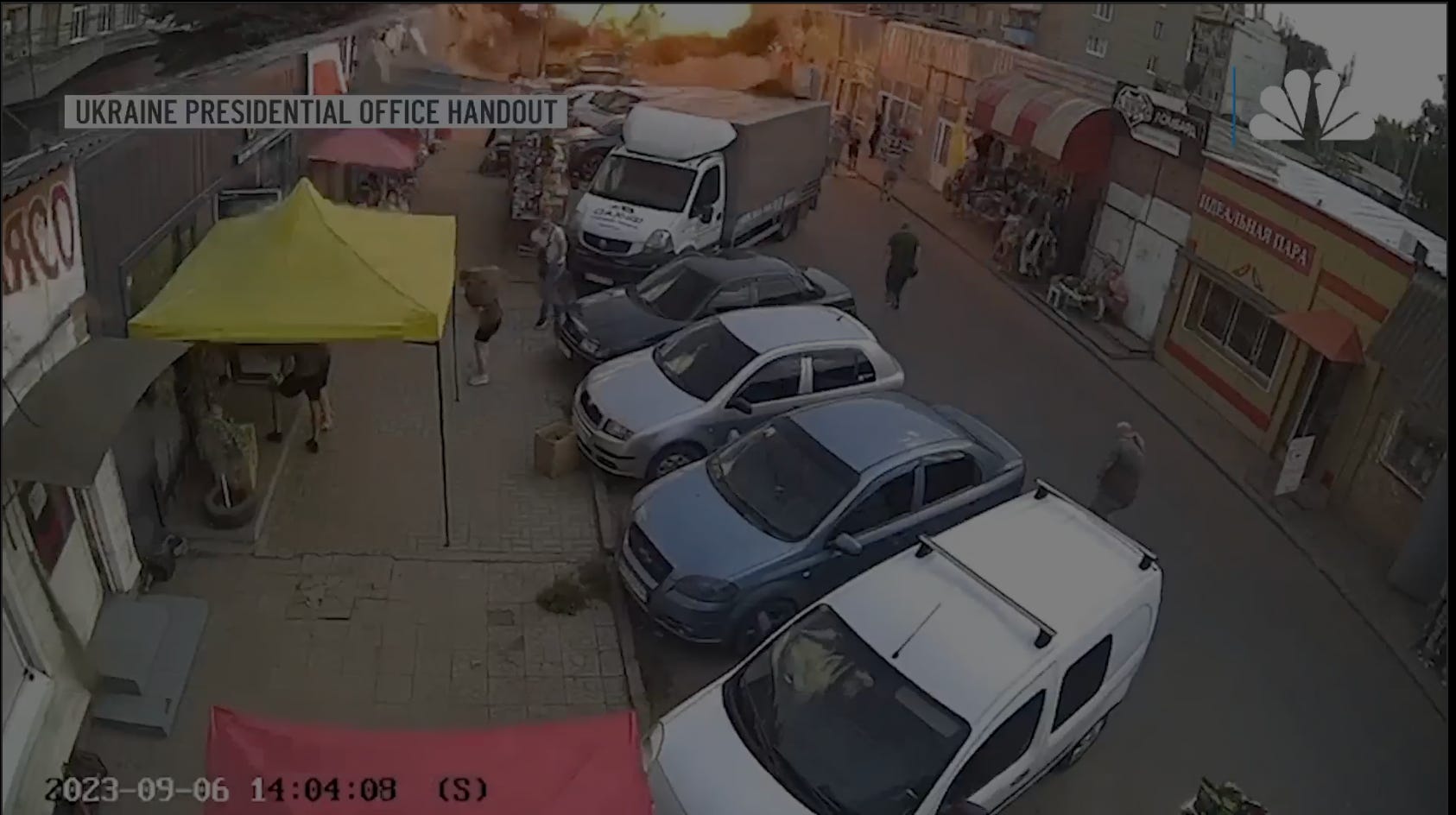
The talks took place amid continued fighting. Ukrainian authorities reported fresh Russian strikes, including an attack on a crowded market that killed at least seven people and further damage to power infrastructure during freezing conditions. President Volodymyr Zelenskyy said any negotiations must lead to tangible movement toward peace rather than allowing Russia to prolong the war.
Key differences remain unresolved. Moscow is demanding Ukrainian troop withdrawals from parts of eastern Ukraine and recognition of territory it occupies, while Kyiv is calling for front lines to be frozen at current positions. US Secretary of State Marco Rubio said unresolved issues had diminished, but the most difficult questions remain.
Sources: Al Jazeera, ABC

Ukrainian President Volodymyr Zelenskyy has said that 55,000 Ukrainian soldiers have been killed on the battlefield since Russia launched its full-scale invasion in February 2022. Speaking in an interview with French public broadcaster France 2, Zelenskyy said the figure included both professional and mobilised troops, adding that a large number of service members were also officially missing.
The remarks came as fighting continued and diplomatic efforts resumed. Zelenskyy said Russia was seeking to increase pressure on Ukraine through continued attacks, including strikes on energy infrastructure during extreme cold, while pushing what he described as an ultimatum disguised as compromise. He warned that losing the war would mean the loss of Ukraine’s independence.
Zelenskyy also addressed Europe’s role, arguing that Russia sought to humiliate the continent and warning that neighbouring countries could face future aggression. He said some European states understood the stakes and were supporting Ukraine effectively, framing the conflict as a defence of Europe’s broader way of life.
Sources: Euronews, Al Jazeera

The United States and Iran have agreed to hold nuclear talks in Oman on Friday, ending uncertainty over the agenda, format and location of negotiations that had appeared close to collapse. Both sides confirmed the meeting, which will be the first formal talks on Iran’s nuclear programme since last May.
The agreement followed a dispute after Iran pushed to narrow the talks to nuclear issues only, exclude regional participants and move the venue from Turkey to Oman. US officials had sought broader discussions, including Iran’s ballistic missile programme, support for regional proxies and its treatment of protesters, and warned that diplomacy might fail.

The talks come amid heightened tension. The United States has increased its military presence in the region, while Iran has taken actions that strained relations further. Analysts said Tehran’s manoeuvring reflected a familiar tactic in high-stakes negotiations. Despite scepticism from regional mediators, the White House said it still hoped diplomacy could avert escalation, even as officials warned that military options remained on the table.
Sources: Wall Street Journal, Washington Post

Israeli strikes in Gaza have killed at least 20 Palestinians, including several children and a paramedic, according to hospital officials, as violence continues despite a three-month-old ceasefire. Nearly 40 others were reported wounded. The Israeli military said its forces carried out precise strikes after gunfire seriously wounded an officer near the Yellow Line, calling the incident a violation of the ceasefire.
Hospitals in Gaza City and Khan Younis reported that homes and tents sheltering displaced families were hit in multiple locations. Medical officials said a paramedic was killed while responding to a strike, with aid groups condemning the incident and warning that first responders remain at serious risk while carrying out humanitarian duties.
Israel said one strike targeted a Hamas platoon commander and that steps were taken to mitigate civilian harm. Hamas rejected Israel’s account and accused it of using the shooting as a pretext for renewed attacks. Both sides have accused each other of repeated violations since the ceasefire began in October, with casualty figures continuing to rise.
Sources: BBC, The Guardian

Sudan’s war is worsening, marked by mass killings, famine and the deliberate obstruction of aid, according to Human Rights Watch, as the United Nations warns the conflict has become the world’s worst humanitarian crisis. Fighting between the Sudanese Armed Forces and the Rapid Support Forces has devastated cities, displaced millions and left vast areas facing acute hunger since April 2023.
Human Rights Watch said both sides have attacked civilians, blocked humanitarian assistance and committed serious abuses. The UN World Food Programme reported that 24.6 million people are suffering acute hunger, with 2 million facing famine or the risk of famine, while more than 11.8 million people have been displaced inside Sudan and across borders.
suc

Recent fighting has been particularly severe in Khartoum and Darfur. The fall of El Fasher followed months of siege and attacks that triggered famine in displacement camps, with reports of mass killings and sexual violence. Investigators said starvation was used as a method of warfare, a war crime, while aid workers and medical staff continue to face deadly risks.
Sources: All Africa, Human Rights Watch

President Donald Trump and President Xi Jinping of China had a lengthy phone call on Wednesday. Mr. Trump said the two leaders discussed a wide range of issues - including Iran, the war in Ukraine and soybeans - ahead of Mr. Trump’s visit to China this spring.
But Chinese state media said Mr. Xi told Mr. Trump that the American position on Taiwan was “the most important issue in China-U.S. relations” and that China “will never allow Taiwan to be separated from China.” The readout added: “The U.S. must handle arms sales to Taiwan with extreme caution.”
Mr. Trump wrote that the relationship with China and his personal relationship with President Xi was “an extremely good one.” A White House official said the American position on Taiwan has not changed. The warning came after the U.S. in December approved an arms package for Taiwan valued at more than $11 billion.
Sources: New York Times, Associated Press

The United States has agreed to work with Japan, Mexico and the European Union to develop critical minerals supply chains, as Washington steps up efforts to counter China’s dominance in the sector. The initiative focuses on minerals used in defence, energy and advanced manufacturing, including rare earths essential for products from electric vehicles to military systems.
Under the plans, the U.S., EU and Japan will conclude a memorandum of understanding within 30 days to support mining, refining, processing and recycling projects. A similar cooperation plan with Mexico is due within 60 days. Officials said the aim is to create preferential trade arrangements among partner countries, including possible price floors, to reduce reliance on China.
China currently accounts for about 90 percent of global rare earth processing capacity and has imposed export licensing requirements in recent years. U.S. officials warned that such dominance allows Beijing to disrupt supply chains by flooding markets or restricting access. Washington says coordinated trade policies are needed to diversify supply, strengthen economic security and encourage investment outside China.
Sources: Wall Street Journal, Straits Times

Nearly 200 people were killed in separate attacks by armed men on villages in central and northern Nigeria, according to local officials, residents and police, as security forces searched for survivors and pursued the attackers. The assaults are among the deadliest this year and underscore the scale of Nigeria’s worsening security crisis.
In Kwara state, gunmen attacked the Woro community on Tuesday, killing at least 170 people, a local lawmaker said. Residents said villagers were rounded up, had their hands bound and were executed. Homes and shops were torched, and several people remained missing. Police confirmed that scores were killed, without giving a figure, while Amnesty International said more than 170 died.
In a separate attack in Katsina state, gunmen killed at least 21 people, moving from house to house. The assault broke a six-month peace pact between the community and the armed group, highlighting the vulnerability of remote areas.
Sources: Al Jazeera, South China Morning Post

Human Rights Watch has warned that President Donald Trump has attacked key pillars of US democracy, citing immigration policies, threats to voting rights and a broader retreat from human rights commitments. The criticism appears in the organisation’s annual global report, which reviews rights practices in more than 100 countries and places unusual emphasis on the United States.
The group’s executive director said the Trump administration has leaned on racist tropes, undermined democratic institutions and shifted away from promoting human rights abroad, while praising or accommodating autocratic leaders. Human Rights Watch argued that Washington is now contributing to the erosion of global human rights norms alongside countries such as China and Russia.
The White House rejected the assessment, accusing the organisation of political bias and defending the president’s record on immigration, security and foreign policy. Human Rights Watch said the stakes extend beyond the United States, warning that actions taken in Washington have global consequences for the rules-based international order.
Sources: Reuters, Human Rights Watch

The Washington Post has laid off roughly one third of its workforce, eliminating its sports section, several foreign bureaus and its books coverage in what executives described as a painful but necessary restructuring. The cuts affected nearly every department and followed weeks of speculation inside the newsroom about impending job losses.
Executive editor Matt Murray told staff the newspaper could no longer be everything to everyone, citing shifts in technology, declining traffic and changing reader habits. He said the organisation was too rooted in an earlier era and needed to focus on areas where it could demonstrate authority, impact and distinctiveness.
The layoffs prompted condemnation from journalists, former editors and political figures, who warned that hollowing out newsrooms weakens democratic accountability. Critics said the scale of the cuts risked long term damage to one of America’s most influential news brands, even as management argued the changes were required to stabilise the paper and secure its future.
Sources: Associated Press, BBC
On this day ……
On this day in 2009 a pricing dispute between Russia and Ukraine led to major interruptions in natural gas supplies across Europe.
Several EU countries experienced shortages during winter, exposing how energy transit routes could be leveraged as geopolitical pressure points.
The crisis sharpened European awareness of its dependence on external energy suppliers and accelerated debates over diversification, storage, and energy security.
In hindsight, the episode foreshadowed later confrontations between Moscow, Kyiv, and the EU, demonstrating how infrastructure, trade, and diplomacy can become tightly entangled during political conflict.