


Second Strike Testimony Deepens Legal Questions
Modi And Putin Set For High-Stakes Summit In Delhi
Europe Warns Of US Shift On Ukraine Peace Plan
UK Sanctions GRU After Inquiry On Novichok Attack
NYT Sues Pentagon Over Press Restrictions
Seizing Donbas by Force, Putin Warns
Macron Presses Xi Over Rising Trade Imbalances
Sudan Faces Atrocities As Diplomacy Stalls
Aukus Pact Endorsed After US Review
Supreme Court Allows Texas To Use Disputed Voting Map
On this day ….
Nelson Mandela died on this day in 2013, prompting a global outpouring of reflection on leadership, reconciliation and democratic transition. His presidency marked South Africa’s shift from apartheid to majority rule, but his influence extended far beyond national politics.
Mandela’s emphasis on negotiation, constitutionalism and inclusive nation-building shaped international thinking on post-conflict governance. His legacy continues to inform debates on justice and the long arc of political reform.
It remains a moment that invites reflection on what effective leadership looks like in divided societies.

A closed-door briefing on the 2 September double strike offered sharply conflicting reactions from US lawmakers as Admiral Frank Bradley testified that Defence Secretary Pete Hegseth did not order anyone to “kill them all”. Members of both parties viewed classified footage and heard Bradley’s account, which the White House says shows he acted within the law. However, Democrats including Jim Himes said the material raised troubling questions, while others argued it confirmed lawful conduct.
Meanwhile, the Pentagon faces scrutiny because two survivors from the first strike were hit again while clinging to the wrecked vessel. As a result, the legality of targeting wounded individuals has become central to the debate, with experts disputing whether the survivors could be considered legitimate targets under international law.
The issue intensified hours later when Hegseth directed another strike in the Eastern Pacific that killed four people. In contrast, Trump defended the broader campaign and said the attacks may expand onto land, even as lawmakers and rights groups continued to challenge the lack of publicly released evidence.
Sources: BBC, The Independent
Prime Minister Narendra Modi and President Vladimir Putin meet in Delhi today for the annual India–Russia summit, with a packed agenda covering defence, energy and trade. Putin arrived on Thursday evening for his first visit to India since 2021, and Modi broke protocol to personally receive him before hosting a private dinner. The two leaders will begin Friday with a ceremonial welcome at Rashtrapati Bhavan, followed by a visit to Rajghat.
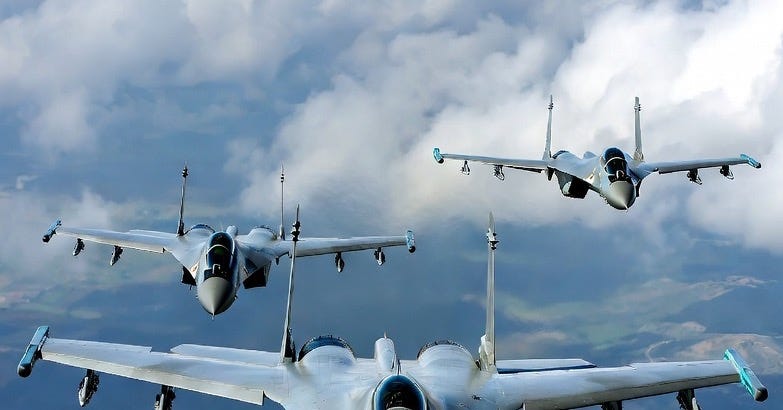
Talks at Hyderabad House will take place in a restricted format, with discussions expected to focus on additional S-400 air-defence systems, possible Su-57 fighter acquisitions, civil nuclear cooperation and a series of trade and cultural agreements. Up to ten intergovernmental documents and more than fifteen commercial memorandums are being prepared.
The war in Ukraine is also likely to feature in the talks, as a result of renewed attempts to end the conflict and the wider geopolitical pressures shaping India’s ties with Russia.
Sources: Times of India, Al Jazeera

European leaders expressed deep concern over Washington’s approach to Ukraine peace talks after a leaked transcript revealed Emmanuel Macron warning that Donald Trump could “betray Ukraine”. According to Der Spiegel, Macron told fellow leaders that the US might try to force Kyiv to give up territory without clear security guarantees, exposing a sharp divide over how to end the nearly four-year-old conflict.
German chancellor Friedrich Merz reportedly urged Volodymyr Zelenskyy to be “very careful”, while Finnish president Alexander Stubb warned that Europe must not leave Ukraine “alone with these guys”. NATO secretary general Mark Rutte is also quoted as agreeing that Kyiv requires stronger protection.
The leak comes as US envoys continue talks with Russian officials, however European capitals remain wary. As a result, several leaders stressed that any imposed settlement would be dangerous, with Der Spiegel quoting participants who said the reported remarks were accurately reproduced.
Sources: The Independent, The Guardian

Britain has sanctioned Russia’s GRU military intelligence agency after a public inquiry concluded that President Vladimir Putin authorised the 2018 Novichok attack targeting former double agent Sergei Skripal. The UK summoned Moscow’s ambassador and said the GRU was being penalised for “reckless” acts, including the poisoning in Salisbury that seriously sickened Skripal, his daughter Yulia and a police officer.
The inquiry, led by former Supreme Court justice Anthony Hughes, found that the attempt to kill Skripal must have been approved “at the highest level” and that Dawn Sturgess, who died after handling a discarded perfume bottle containing the agent, was an innocent victim. However, her family criticised British authorities for failing to assess the risk to Skripal, saying this lapse put the public in danger.
Russia has denied responsibility, but the UK imposed sanctions on the entire GRU and several officers. In contrast, Prime Minister Keir Starmer said the findings showed Russia’s “shocking and reckless” activity on British soil.
Sources: Associated Press, Reuters

The New York Times has sued the Pentagon, arguing that new reporting rules imposed in October violate constitutional protections for journalists. The lawsuit, filed in federal court in Washington, challenges a policy requiring credentialled reporters to sign a 21-page form restricting news-gathering and allowing the Defence Department to revoke access at its discretion. The Times said the rules threaten due process and the First Amendment.
The policy asserts that reporters may be punished for soliciting information not expressly approved for release, even when that information is unclassified. However, the Times said this stance undermines routine journalistic practices, and several media organisations condemned the rules as unprecedented.
Dozens of reporters surrendered their badges rather than sign the agreement, while the Pentagon accredited a new group of outlets in their place. In contrast, Pentagon officials defended the policy as a set of basic guidelines for protecting sensitive information.
Sources: New York Times, Washington Post

Russia has restated its demand that Ukrainian forces withdraw from the Donbas, with President Vladimir Putin insisting that Moscow will seize the remaining territory by force if Kyiv refuses. He told India Today that Russia already controls about 85% of the region and rejected any compromise over its fate. However, Ukraine has repeatedly ruled out ceding land it still holds.
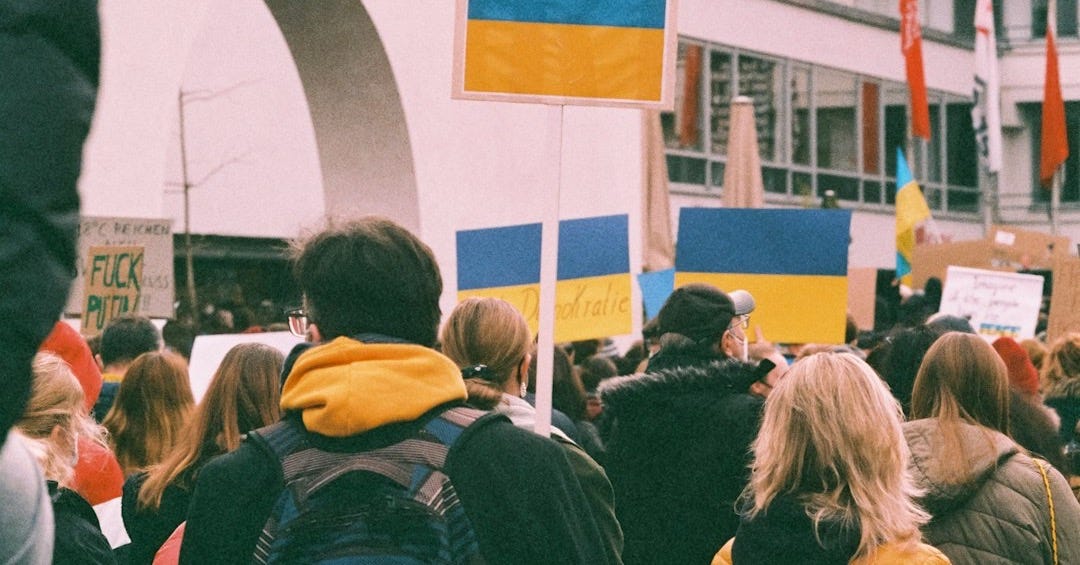
His comments follow talks in Moscow between Russian officials and US envoy Steve Witkoff, who is due to brief Ukraine’s team in Florida. Trump said the discussions were “reasonably good”, though he stressed that progress required agreement from both sides. However, the Kremlin said there was no plan for a Putin-Trump call and that Moscow was waiting for Washington’s response.
Meanwhile, Kyiv accused Russia of stalling and warned that any meaningful negotiation must be backed by sustained pressure on Moscow.
Sources: BBC, The Independent

France has urged China to increase investment and address widening economic imbalances as Emmanuel Macron used a Beijing meeting with Xi Jinping to push for a clearer framework governing bilateral trade.
He warned that China’s growing trade surplus has become unsustainable and said Europe must remain competitive while avoiding a shift towards protectionism. However, he stressed that a trade war would be the worst way to manage the current tensions.

Xi described their talks as frank and friendly, and said both sides agreed to deepen cooperation in areas ranging from aerospace to green industries. However, major political differences remain unresolved, while EU concerns about China’s export controls and wider supply chain risks continue to overshadow the relationship.
Meanwhile, both leaders repeated calls for progress on Ukraine, though Beijing declined to shift its position publicly.
Sources: Bloomberg, Reuters

Sudan’s war has entered a more volatile phase, with fresh atrocities and stalled diplomacy deepening the crisis. In Kalogi, South Kordofan, attacks by the Rapid Support Forces killed about 47 people, mostly children, after a strike on a kindergarten and follow-on attacks against civilians who had gathered to help. The city’s hospital and a government building were also hit, prompting warnings that this toll could rise due to severe injuries.
However, international efforts to halt the fighting have made little progress. The UN said Kordofan risks a new wave of mass atrocities after documenting at least 269 civilian deaths since late October. Meanwhile, US mediation has struggled; Washington’s envoy has been unable to secure a ceasefire despite months of talks, and the US is now considering broader sanctions on both sides. As a result, concern is growing that the conflict will continue to escalate without coordinated external pressure.
Sources: Al Jazeera, The Guardian

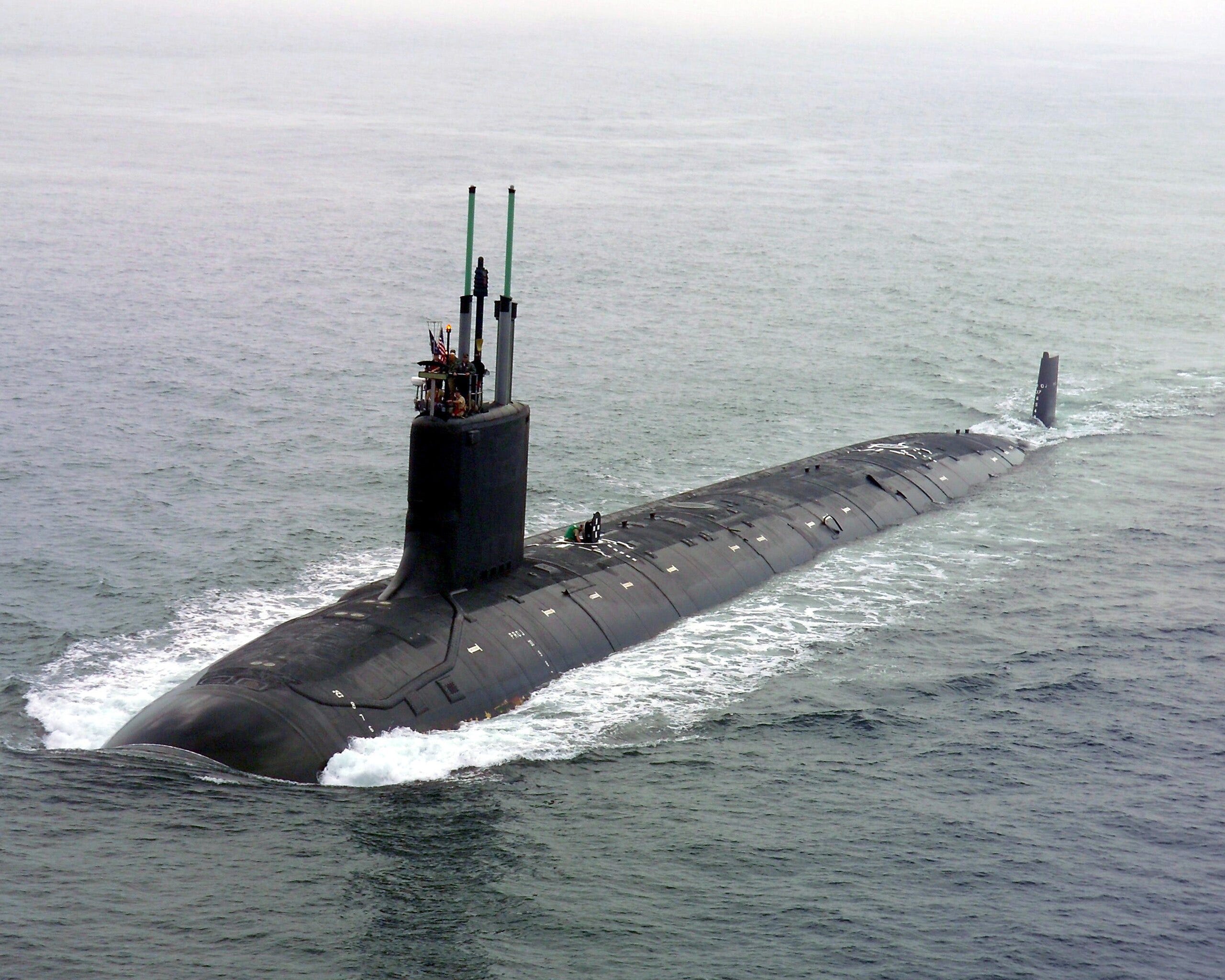
The United States has completed its review of the Aukus security pact, confirming it will move forward with Australia’s acquisition of nuclear-powered submarines. The Pentagon said the five-month assessment endorsed the agreement and identified opportunities to place the trilateral partnership on its strongest footing. It added that the pact remained aligned with President Trump’s “America first” agenda.
However, the review’s recommendations have not been released publicly, and Australia is still working through the findings. A senior US lawmaker who has seen the document said the pact survived three changes of government in all three nations and highlighted critical deadlines that must be met.
Meanwhile, questions remain over the feasibility of the submarine plan, as US shipyards are not yet producing Virginia-class vessels at the required pace. As a result, all three partners face growing pressure to expand capacity and maintain strict timelines.
Sources: South China Morning Post, ABC

The US Supreme Court has cleared Texas to use newly redrawn congressional maps that favour Republicans in the 2026 midterm elections. The unsigned order reversed a lower court’s finding that the map was likely an unconstitutional racial gerrymander, allowing the state to proceed just days before candidate filing closes. The ruling is a significant win for Texas Republicans and for President Trump, who has urged GOP-led states to revise maps ahead of next year’s vote.
However, the decision arrives as legal challenges continue to move through the courts. A panel of federal judges had previously found that challengers were likely to prove racial discrimination, while dissenting Supreme Court justices warned that many Texans would now be placed in districts based on race. Meanwhile, the broader redistricting fight is intensifying across the US, with states on both sides of the political divide seeking new maps as parties attempt to shape control of the House.