


US-Israel Strikes Escalate Iran War For Fourth Day
European Forces Deploy To Cyprus After Drone Strike
Trump Floats Militia Option As Iran Succession Unclear
Mojtaba Khamenei Emerges In Iran Succession Vote
Trump Rebukes Starmer Over UK Bases In Iran Strikes
Trump Threatens Spain Trade Cutoff Over Iran Base Access
White House Shifts Rationale For Iran War
US To Escort Oil Tankers Through Strait Of Hormuz
Merz Warns EU Won’t Accept Worse US Tariff Terms
US Joins Ecuador Raids In New Anti-Drug Phase

The United States and Israel continued joint air strikes across Iran for a fourth day, targeting military facilities, leadership sites and suspected nuclear-related locations. The Israeli military said it struck Iran’s presidential office in Tehran, a covert compound linked to defence ministry scientists, and a Revolutionary Guards commander, while US forces reported destroying command facilities, missile launch sites and airfields.
The campaign began on Saturday with strikes that killed Supreme Leader Ayatollah Ali Khamenei and senior officials.
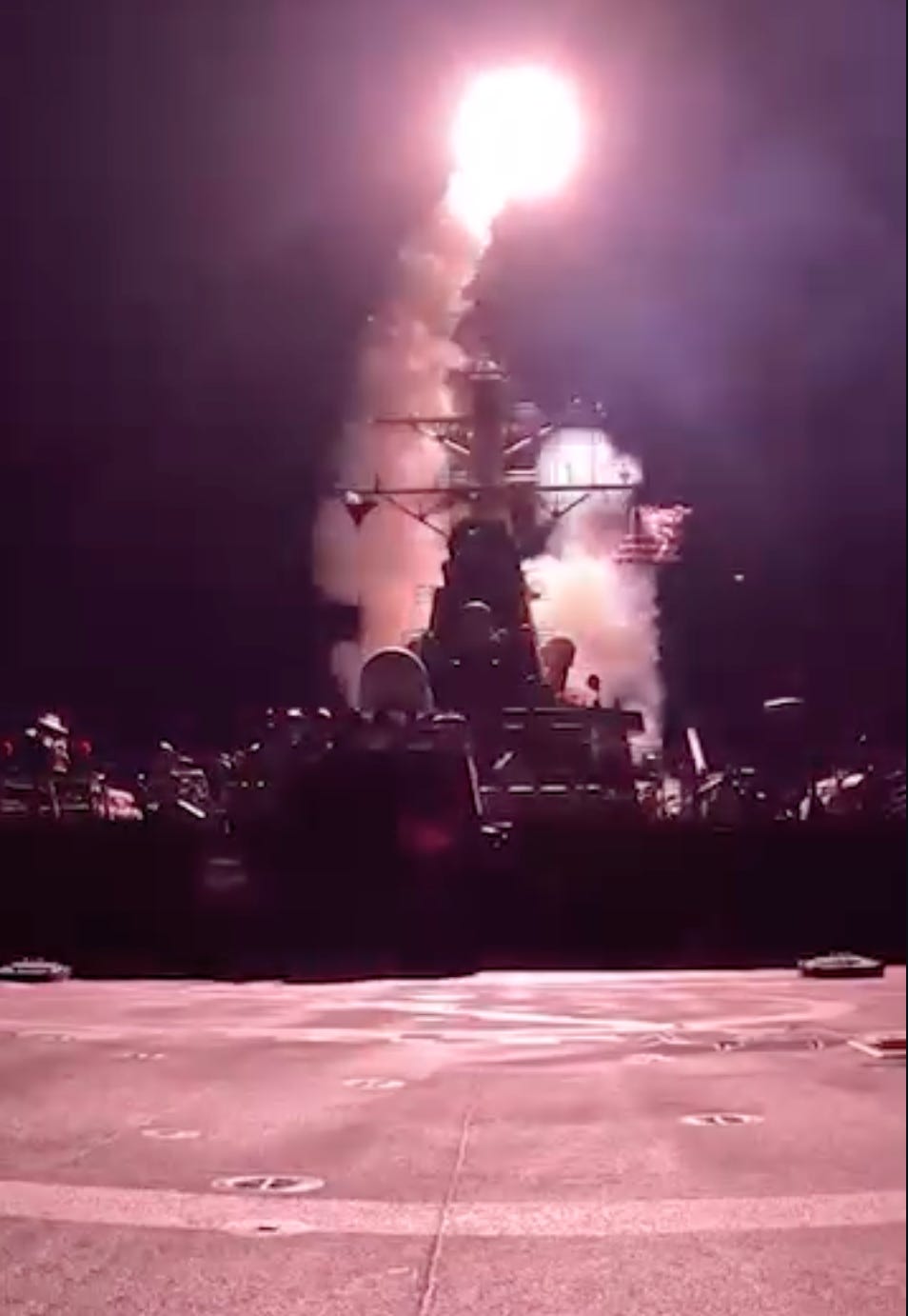
Iran responded by launching hundreds of missiles and drones at Israel and neighbouring Gulf states hosting US military installations. Some attacks caused fatalities in Israel, Kuwait, the United Arab Emirates, Bahrain and on a tanker off Oman’s coast. Iranian authorities reported at least 787 deaths from 1,039 strikes inside the country since Saturday, while Tehran also declared the closure of the Strait of Hormuz, a vital route for roughly 20% of global oil and gas shipments.
Sources: BBC, Times of India

Britain and France have begun deploying naval and air defence assets to Cyprus after drones struck a British military base on the island, heightening fears that the Iran conflict is widening across the eastern Mediterranean. A Shahed-type drone crashed into facilities at the RAF Akrotiri base early on Monday, causing minor damage to an aircraft hangar.
The United Kingdom said it was sending the Type-45 destroyer HMS Dragon and two Wildcat helicopters to bolster drone defence around Cyprus. France announced it would dispatch the frigate Languedoc and move the aircraft carrier Charles de Gaulle towards the Mediterranean, alongside deploying Rafale fighter jets, air defence systems and airborne radar capabilities in the region.
Several European countries have also moved forces. Greece has sent four F-16 fighter jets and two frigates, while Germany agreed to provide a warship. The deployments follow a series of Iranian missile and drone attacks across the Middle East after US-Israeli strikes on Iran.
Sources: Al Jazeera, Euronews

President Donald Trump is open to supporting groups in Iran willing to take up arms to dislodge the regime, U.S. officials said. He said “somebody from within” would be the best option to lead the country, and officials said he spoke Sunday with Kurdish leaders.
Three days after U.S.-Israeli strikes killed Iran’s supreme leader, Ayatollah Ali Khamenei, U.S. officials remain uncertain who will emerge in charge in Tehran and have not identified a viable successor to engage with. Trump has urged Iranians to rise up and “take over your government”.
Iranian Kurdish militias have consulted with the United States about whether, and how, to attack Iran’s security forces in western Iran, according to sources. The coalition is based on the Iran-Iraq border in Iraqi Kurdistan, has requested U.S. support, and is in talks about CIA help to provide weapons, but no final decision has been made.
Sources: Wall Street Journal, Reuters

Senior clerics responsible for selecting Iran’s next supreme leader met on Tuesday to deliberate, and Mojtaba Khamenei, the son of Iran’s previous leader killed in a US-Israeli attack on Saturday, emerged as the clear front-runner, according to three Iranian officials familiar with the discussions. The officials said the clerics were considering announcing him as early as Wednesday morning, but some expressed reservations, fearing that it could expose him as a target for the United States and Israel.
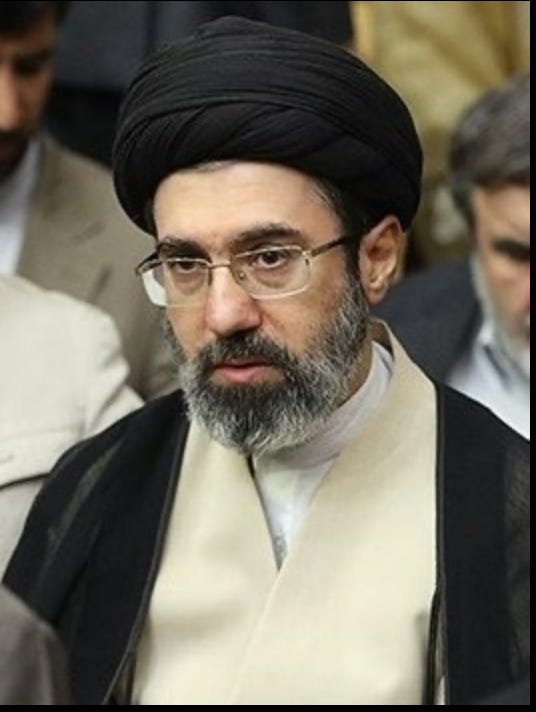
The Assembly of Experts held two virtual meetings on Tuesday, one in the morning and one in the evening, the officials said. Israel struck a building in Qum where the assembly was scheduled to meet and elect the new supreme leader, but the building was empty, according to the Fars News agency.
Mojtaba Khamenei, 56, is known for close ties to the Revolutionary Guards, who pushed for his appointment, the officials said.
Sources: New York Times, Times of India

President Donald Trump criticised Prime Minister Keir Starmer over the UK refusal to permit the use of British bases for the initial US-Israel strikes on Iran, saying he was “not happy with the UK” and that Starmer was “no Winston Churchill”. Trump said the decision meant US planes were “flying many extra hours”, and said it had taken “three or four days” to work out where they could land.
Starmer told MPs the UK government “does not believe in regime change from the skies” and said it was his duty to judge what was in Britain’s national interest. He said the UK later agreed to US use of bases for “defensive” action to hit Tehran’s missile infrastructure after Iran’s response became “a threat to our people, our interests and our allies”.
A YouGov poll found 49% of Britons opposed the US strikes, while 32% supported US use of RAF bases if targets were restricted to missile sites.
Sources: BBC, The Guardian

President Donald Trump threatened to cut off all trade with Spain after it blocked the use of Spanish military bases for U.S. missions linked to strikes on Iran. He said Spain had been “terrible”, told Treasury Secretary Scott Bessent to “cut off all dealings”, and said the United States had moved 15 aircraft, including refuelling tankers, from the Rota and Moron bases after Spain’s Socialist leadership would not allow the bases to be used to attack Iran.
Spain replied that trade policy is handled at the European Union level, and said any change must respect international law and EU-U.S. agreements. German Chancellor Friedrich Merz said Spain could not be excluded from a trade agreement reached between Brussels and Washington last year.
Trump linked his criticism to defence spending, saying Spain would not agree to 5% of GDP.
Sources: El Païs, Reuters

As the conflict entered its fourth day, the administration gave shifting rationales for attacking Iran, while U.S. officials with access to intelligence reports said they saw no sign Iran posed an imminent threat to the United States. President Donald Trump and top aides emphasised Iran’s ballistic missiles, and Trump said on Monday that Iran would “soon” have missiles that could hit targets inside the United States.
Trump on Monday did not frame the operation as deposing Iran’s theocratic regime, and Defence Secretary Pete Hegseth said it was “not a so-called regime change war”. Secretary of State Marco Rubio said the United States knew Israel was going to strike Iran and decided to strike first to minimise risks to U.S. forces.
Trump said operations could last four to five weeks, or longer, and would not rule out ground troops, adding they were “probably” not needed. A poll found 52% opposed the strikes and 39% supported them, and the U.S. death toll rose to six.
Sources: Washington Post, The Independent

President Donald Trump said the United States will provide insurance guarantees and naval escorts to ensure oil tankers can transit the Strait of Hormuz during the war with Iran. He said the U.S. International Development Finance Corporation would offer political risk insurance to shipping companies and that the U.S. Navy could begin escorting vessels “as soon as possible”.
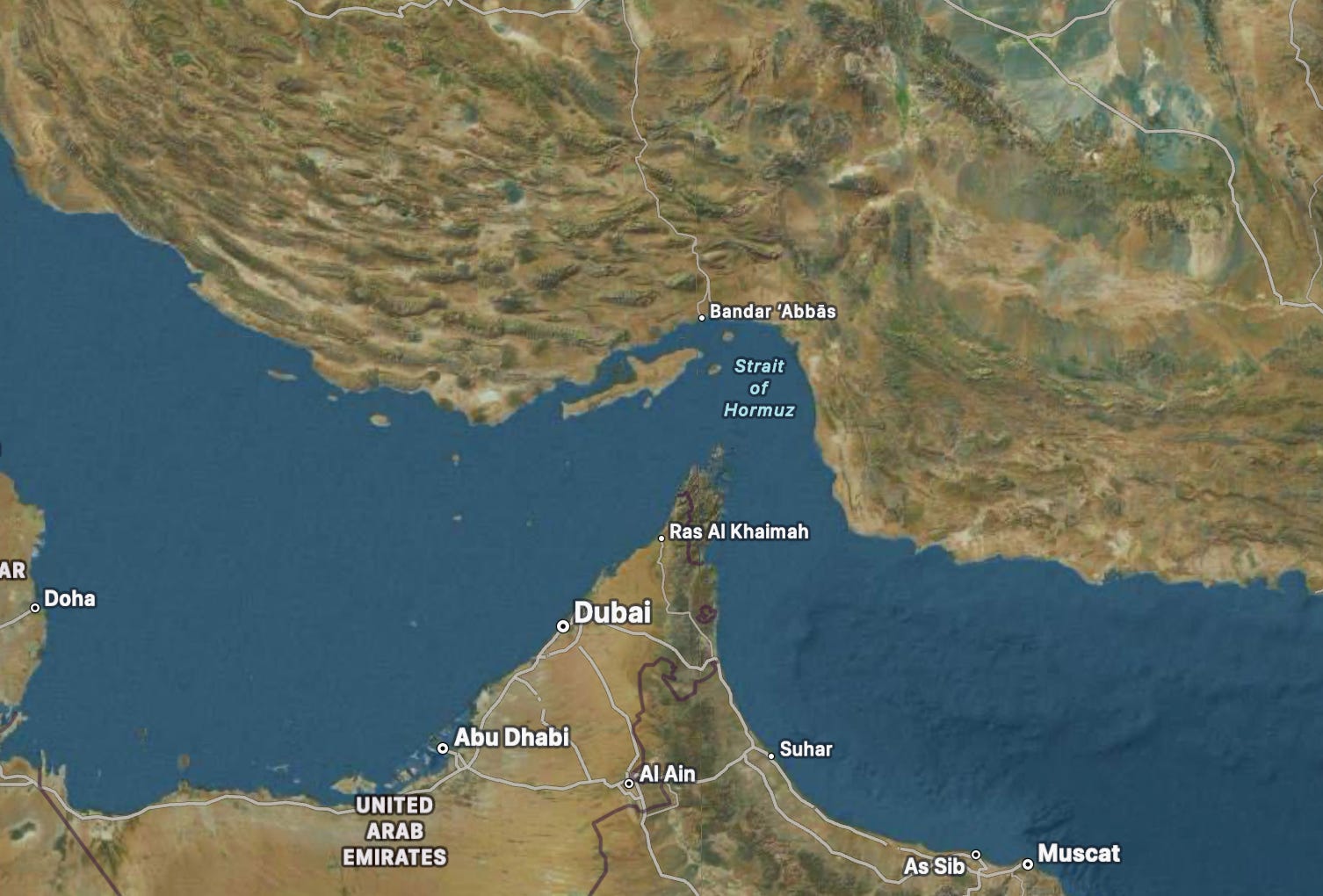
The move followed disruptions to shipping and energy markets after the United States and Israel launched strikes on Iran. Oil prices have surged more than 10% since the attacks, while insurers have raised war risk premiums or withdrawn coverage for ships entering the Persian Gulf. The Strait of Hormuz carries roughly a fifth of the world’s waterborne oil supply.
Trump said the policy was intended to ensure the “free flow of energy to the world”. Analysts said escorting ships and restoring flows could take weeks if the conflict continues.
Sources: Bloomberg, Politico

In a White House meeting Germany’s chancellor told the US president he wanted the EU’s trade agreement with the United States implemented quickly, but said the bloc could not accept a deal with worse conditions. He said a limit had been reached on what the EU was willing to accept regarding a disproportionate tariff burden.
He also said the US could not impose prohibitive trade measures just on Spain after threats to cut off trade with Madrid. EU institutions have delayed final ratification while seeking clarity about Washington’s intentions, with trade committee leaders due to meet on Wednesday to decide whether to unfreeze the process.
In the same meeting, he voiced hope the Iran war would end as soon as possible, saying it was damaging economies through oil and gas prices. The US president has backtracked on calls for regime change after the killing of Iran’s supreme leader, focusing instead on militarily degrading Iran.
Sources: Le Monde, Bloomberg

The United States and Ecuador launched joint operations on Tuesday aimed at combating illicit drug trafficking, with Ecuador saying details were classified. The mission involves raids against suspected drug shipment facilities and other drug-related sites, supported by U.S. Special Forces advisers.
A U.S. official said the Americans were not believed to be participating in the raids, but were helping plan operations and providing intelligence support. A video showed a helicopter taking off and picking up soldiers, but the official said it was unclear what the objective was or whether it was successful.
On Monday, President Daniel Noboa met Gen. Francis L. Donovan and Rear Adm. Mark A. Schafer in Quito to discuss security cooperation and coordination at airports and seaports. About 70% of drugs produced by Colombia and Peru are shipped through Ecuador, and the United States deployed air force personnel to a former base in Manta in December.
Sources: New York Times, The Guardian
On this day ….
On this day in 1789, the United States Constitution formally came into effect, establishing the structure of the federal government still in place today.
It created separate executive, legislative, and judicial branches, designed to balance power and prevent authoritarian rule. The Constitution replaced the weaker Articles of Confederation, which had struggled to unify the new nation.
Its framework enabled a stable national government capable of taxation, defence, and lawmaking.
More than two centuries later, it remains one of the world’s oldest written constitutions still in continuous use.
Its endurance reflected the lasting influence of institutional design on political stability.