


Kuwait Airport Strike Tests Fragile Gulf Ceasefire (Conflict)
Israel Lebanon Ceasefire Hinges on Hezbollah Zones (Middle East)
House Rebukes Trump Over Iran War Powers (Politics)
Five Eyes Warns of Online China Spy Threat (Security)
Germany Misses Out in UN Security Council Vote (Geopolitics)
South Korea Ruling Party Wins but Loses Seoul (Politics)
Ukraine Hits St Petersburg as Putin Forum Opens (Conflict)
Hungary Clears Path for Ukraine EU Talks (Europe)
Senate GOP Drops Trump Ballroom Funding (USA)
Freedom Ship Revives Floating City Plan (Society)
A succinct daily briefing delivered each weekday to help you stay on top of the stories shaping the world.

Kuwait’s main airport became the latest test of the fragile US-Iran ceasefire after drones hit a passenger terminal, killing one person and wounding dozens. Kuwait said the dead person was an Indian national, while authorities said 63 people were injured, including passengers and workers.
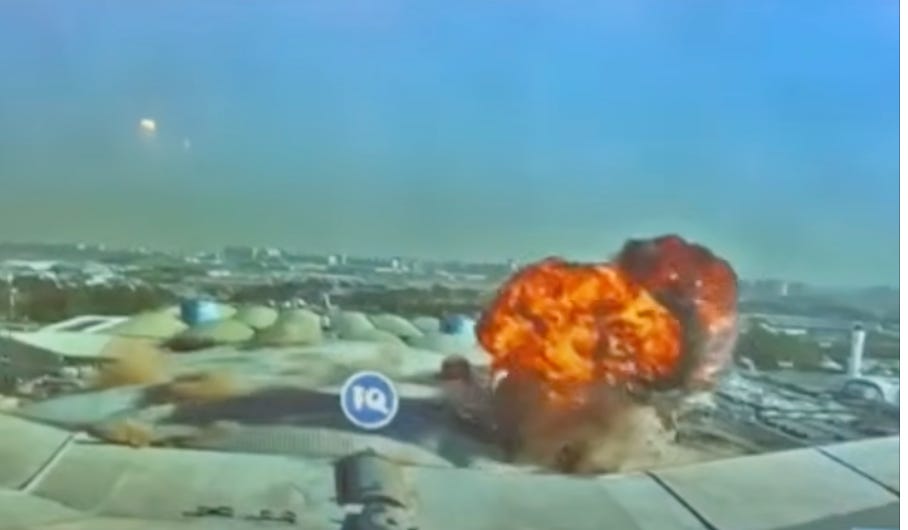

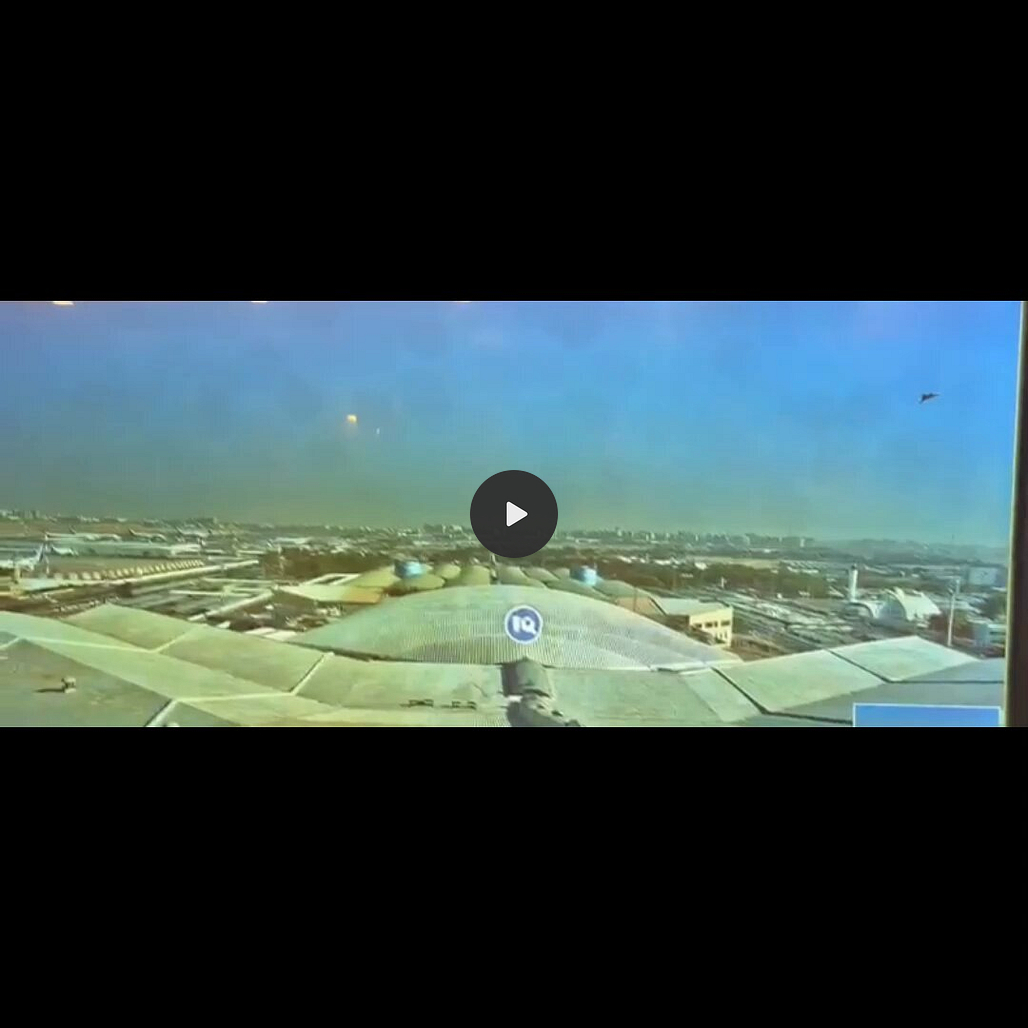
Iran denied responsibility, saying the damage was caused by a failed US-made interceptor. US Central Command rejected that account and said Iranian drones carried out a deliberate attack. Kuwait’s foreign ministry expelled two Iranian diplomats, while flights resumed only partially from another terminal.
The strike widened the conflict’s civilian footprint beyond military sites and shipping routes. With Iran holding the Strait of Hormuz, the US maintaining a blockade of Iranian ports and talks strained by fighting in Lebanon, the ceasefire is being tested by overlapping fronts rather than one clear negotiation track.
Sources: BBC, Associated Press

Israel and Lebanon have agreed to renew implementation of a fragile ceasefire, with new pilot security zones inside Lebanon where Hezbollah operatives would be excluded. The arrangement, reached after a fourth round of US-mediated talks in Washington, is contingent on a complete cessation of Hezbollah attacks and the evacuation of its operatives from areas south of the Litani River.
The Lebanese army would take exclusive control of the zones, while the two governments said Lebanon’s future must be decided by sovereign governments, not state or non-state actors. Hezbollah has not joined the talks and has not publicly commented on the announcement.
The deal follows Israeli strikes that killed at least nine people in southern Lebanon and Hezbollah fire into northern Israel. The next talks are set for 22 June, with Washington seeking a comprehensive agreement while fighting continues to test the truce.
Sources: PBS, BBC

The House has approved a war powers resolution to halt US military action against Iran, handing President Donald Trump a rare congressional rebuke over the three-month conflict. The measure passed 215-208 after four Republicans joined Democrats, despite House Speaker Mike Johnson’s efforts to block an outcome exposing growing opposition to the war.
The resolution would not immediately stop the fighting and its next steps remain uncertain. Trump would likely reject any congressional move to limit his commander-in-chief authority, while the measure still faces the Senate, where a similar resolution has advanced but not received a final vote.
The vote reflects widening political unease as the conflict drags on, a ceasefire remains uncertain and talks are complicated by Lebanon. If Congress ultimately approves the resolution, it could open a new legal test over war powers.
Sources: Associated Press, CNN

The Five Eyes intelligence alliance has issued an unprecedented joint warning that China’s military intelligence services are using professional networking and online recruitment platforms to target people with access to sensitive information. The agencies said the campaign focuses on government and military personnel, as well as people with access to classified or privileged material.

The bulletin said intelligence officers or affiliates pose as private consultancies, think tanks or human resources firms, using job adverts to approach foreign policy and defence analysts. Targets include those working in defence, foreign affairs, security and intelligence, military personnel in the Indo-Pacific, plus academics, journalists and think tank employees.
Those recruited could be paid from a few hundred to several thousand dollars per report, sometimes in cryptocurrency. Beijing rejected the allegations as fabricated and malicious slander.
Sources: Japan Times, South China Morning Post

The UN General Assembly has elected Austria, Kyrgyzstan, Portugal, Trinidad and Tobago and Zimbabwe to two-year terms on the Security Council starting on 1 January 2027. Germany missed out after coming third in the contest for two Western European and Others Group seats, receiving 104 votes behind Portugal’s 134 and Austria’s 131.
Kyrgyzstan secured its first Security Council seat after four rounds of voting, defeating the Philippines by 142 votes to 49. Zimbabwe and Trinidad and Tobago were elected unopposed to seats reserved for their regions.

The outcome is a diplomatic setback for Germany, which had pushed hard for a seat. German Foreign Minister Johann Wadephul called the result “a real disappointment”, while Chancellor Friedrich Merz said Germany remained a reliable pillar of the multilateral system.
Sources: Reuters, DW
Restacking this post will help it reach more readers interested in the world.

South Korea’s ruling Democratic Party won 12 of 16 mayoral and gubernatorial races in local elections, but lost the crucial Seoul contest to the conservative People Power Party. The result gave President Lee Jae Myung more regional allies, yet denied his party the clean mandate that victory in the capital would have signalled.
In Seoul, incumbent Mayor Oh Se-hoon overtook Democratic challenger Chong Won-o after early results had shown Chong ahead. With 97.7 percent of ballots counted, Oh led by 48.94 percent to 48.34 percent, a margin of 30,359 votes.
The election also strengthened the Democratic Party’s parliamentary majority, with nine wins in 14 by-elections. But the People Power Party won four seats, while former party chair Han Dong-hoon won as an independent in Busan, pointing to unresolved conservative realignment.
Sources: Korea Herald, Associated Press

Ukraine struck the St Petersburg region with drones as President Vladimir Putin’s flagship economic forum opened in his hometown, sending black smoke over Russia’s second-largest city. President Volodymyr Zelensky said Ukrainian forces hit the St Petersburg oil terminal, military targets at the Kronstadt naval base and a weapons production site in Tambov.
Regional officials said infrastructure facilities were hit across three city districts, several people were injured and air defences shot down nearly 60 drones in the surrounding Leningrad region. Pulkovo Airport suspended operations for almost five hours, delaying or diverting about 30 flights.
The strike formed part of Ukraine’s expanding long-range campaign against Russian economic and military targets. Dmitri Peskov, the Kremlin spokesman, said Russia’s response would be “systematic”, while Zelensky described the campaign as “long-range sanctions” aimed at bringing peace closer.
Sources: New York Times, Washington Post

Hungary has lifted its 17-month veto on Ukraine’s EU accession process, clearing the way for formal talks with Ukraine and Moldova to open on 15 June. The shift followed a decision by Hungarian Prime Minister Péter Magyar after weeks of negotiations between Kyiv, Budapest and Brussels.
Magyar said Budapest would support Kyiv’s membership process in exchange for an agreement expanding the linguistic, educational, cultural and political rights of Ukraine’s Hungarian minority. Kyiv has yet to publicly confirm the agreement, but Magyar said Ukraine would translate the measures into law in the near future.
The breakthrough allows the two candidate countries to begin aligning laws with EU standards in the first of six negotiating clusters covering 33 policy areas. It also marks a sharp change from the previous Hungarian blockade, which had stalled progress since January 2025.
Sources: FT, Politico Europe

Senate Republicans have removed up to $1 billion for security upgrades to President Donald Trump’s proposed White House ballroom from a revised budget reconciliation bill. The decision, made official in updated Judiciary Committee text, strips the project from legislation focused on long-term immigration enforcement funding.
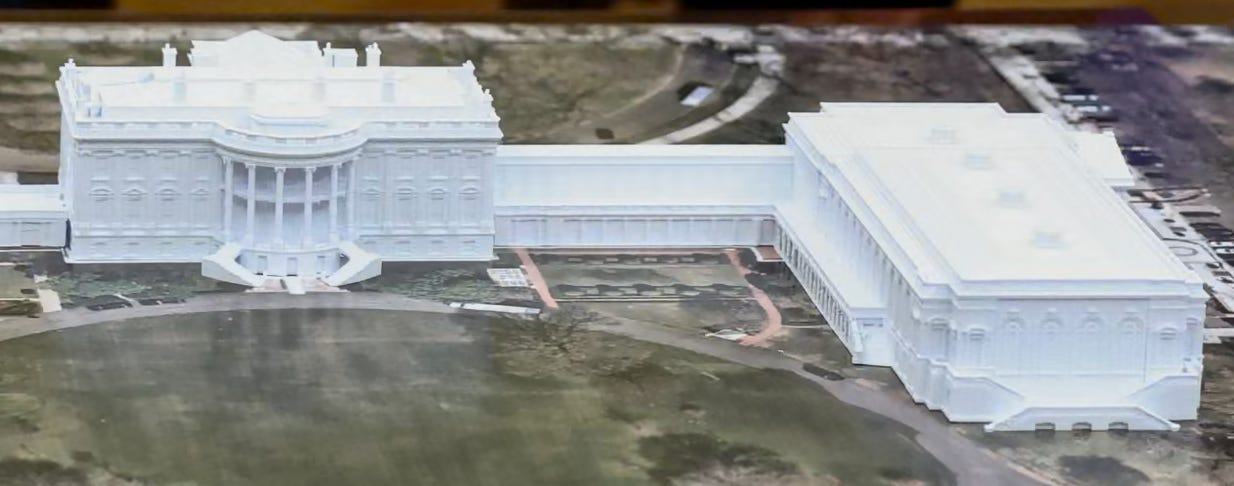
The removal is a setback for Trump, who had pressed Republican senators to authorise the project after an armed man tried to storm the annual White House Correspondents Association dinner in April. The ballroom proposal had also triggered Democratic resistance and faced a ruling from the Senate parliamentarian that it did not comply with reconciliation rules.
The revised package still advances major security and immigration spending, including funding for Customs and Border Protection, Immigration and Customs Enforcement and the Department of Homeland Security through 2029.
Sources: The Hill, The Guardian

A proposed floating city called Freedom Ship would carry up to 80,000 residents, visitors and crew while continuously circling the globe. The mile-long vessel would be 800 feet wide, 30 decks high and cost about £12 billion, with homes for 50,000 permanent residents, 10,000 temporary visitors and 20,000 crew.
The project would include schools, parks, shops, banks, hotels, a hospital, a 15,000-seat sports stadium, museums, a convention centre, a symphony hall, a water park and eight helipads. It would be too large to dock, staying in international waters while ferries transfer passengers to and from land.
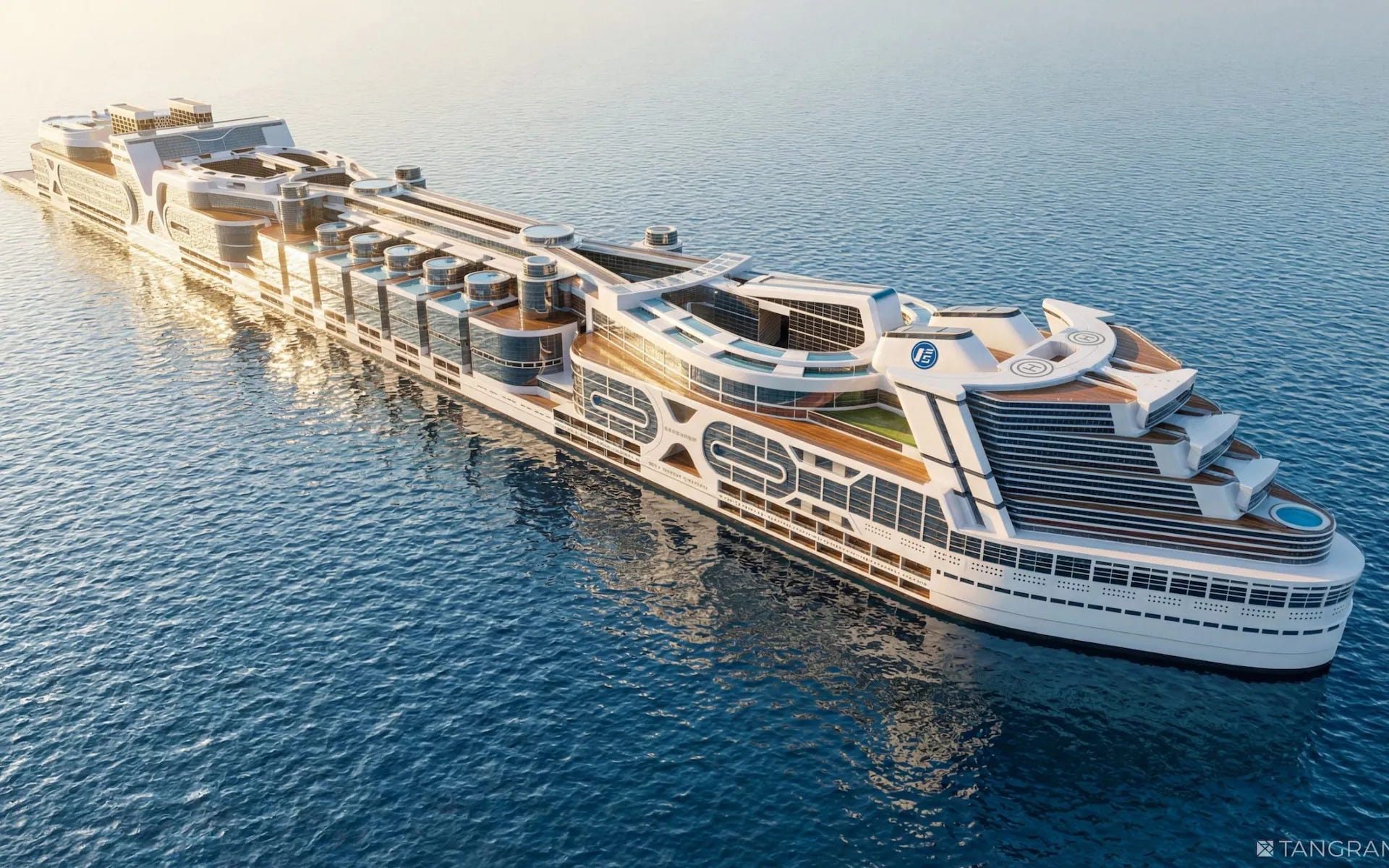
The concept was first proposed in the late 1990s and has not begun construction. Freedom Cruise Line International is still raising start-up funds, with Indonesia identified as the construction site once financing is secured.
Sources: The Telegraph, Euronews
Restacking or sharing this publication means more people can read it. Commenting extends the conversation. Liking shows your appreciation.
On this day …
On this day in 1989, Chinese authorities moved to end weeks of pro-democracy demonstrations centred on Beijing’s Tiananmen Square. The protests had drawn students, workers and citizens calling for political reform, greater transparency and action against corruption.
The government’s decision to deploy military force became one of the defining political events of the late twentieth century and drew widespread international condemnation.
While discussion of the events remains heavily restricted within China, Tiananmen continues to influence debates about state power, political reform and collective memory.
The legacy of the crackdown remains a point of reflection for governments, historians and citizens around the world. How should societies remember events that remain politically sensitive decades later?
Good Morning ☕