


Iran War Escalates as Oil Prices Rise (Conflict)
Trump Move Pauses Beirut Strike Threat (Conflict)
Trump And Netanyahu Show Signs Of Rift (Geopolitics)
War Clouds Putin’s Showcase Investment Forum (Russia)
Trump Names Housing Official As Spy Chief (USA)
Trump Drops Contested Payout Fund (USA)
UK Murder Case Fuels Police Backlash (UK)
Trump Moves to Rebuild Tariff Wall (Trade)
UN Warns El Nino May Return Soon (Climate)
Albania Protests Kushner Linked Resort (Europe)
A succinct daily briefing delivered each weekday to help you stay on top of the stories shaping the world.

Fresh exchanges of missiles, drones and strikes have pushed the Iran war back into open escalation, even as Washington and Tehran remain short of a signed ceasefire deal.
The US military said Iranian missile attacks on Bahrain, Kuwait and other regional targets were thwarted or failed, while US forces struck sites on Iran’s Qeshm Island after attempted attacks. Iranian state media said the Revolutionary Guards attacked the US Fifth Fleet headquarters in Bahrain and other regional targets in response to a US strike.
The flare-up lifted oil prices by more than 1% and underlined the wider cost of a conflict that has largely closed the Strait of Hormuz to maritime traffic. President Donald Trump said negotiations were continuing, but Iranian media reported that Tehran had not communicated with Washington for several days, leaving talks stalled as hostilities spread.
Sources: Reuters, The Guardian

Israel stepped back from threatened strikes on Beirut’s southern suburbs after US President Donald Trump asked Israeli Prime Minister Benjamin Netanyahu not to attack the city, but the wider campaign against Hezbollah continued in southern Lebanon.
Lebanon’s government said Israel would refrain from strikes on the Hezbollah-controlled suburbs and Hezbollah would halt attacks on Israel, yet residents remained unsettled as Israeli drones flew over Beirut. Israeli airstrikes and artillery hit southern Lebanon, killing at least four people, while residents of Nabatiyeh were ordered to leave before further strikes.
The episode exposes how Lebanon has become tied to efforts to end the three-month war involving Iran, the US and Israel. Iran has demanded a Lebanon ceasefire as part of any wider deal, while Washington talks are exploring phased ceasefire measures, including pilot zones where hostilities would stop and troops would withdraw.
Sources: BBC, Reuters

US President Donald Trump and Israeli Prime Minister Benjamin Netanyahu appear to be facing growing strains in their relationship as differences emerge over the direction of the Iran war and the conflict in Lebanon. Reports of a tense phone call between the two leaders included Trump allegedly telling Netanyahu that he was “crazy” over Israeli threats to attack Beirut, amid concerns such action could undermine talks with Tehran. Israeli media rejected the account of the conversation.
The dispute comes as both leaders face mounting political pressure at home. Trump is seeking a path out of a war that has damaged the US economy ahead of midterm elections, while criticism is growing within parts of his MAGA coalition over US involvement alongside Israel. Netanyahu, meanwhile, faces pressure over security decisions and the stability of his governing coalition.
Analysts said tensions between Netanyahu and US presidents are not unusual, but the latest dispute highlights diverging priorities as Trump seeks to move negotiations forward while Netanyahu remains focused on the war effort.
Sources: South China Morning Post, NDTV

President Vladimir Putin opens Russia’s flagship investment forum this week against a backdrop of slowing growth, continued war in Ukraine and mounting questions about the country’s economic direction. The gathering, often described as Russia’s answer to Davos, comes just hours after a deadly attack on Kyiv and as the Kremlin seeks to project stability despite deepening economic pressures.
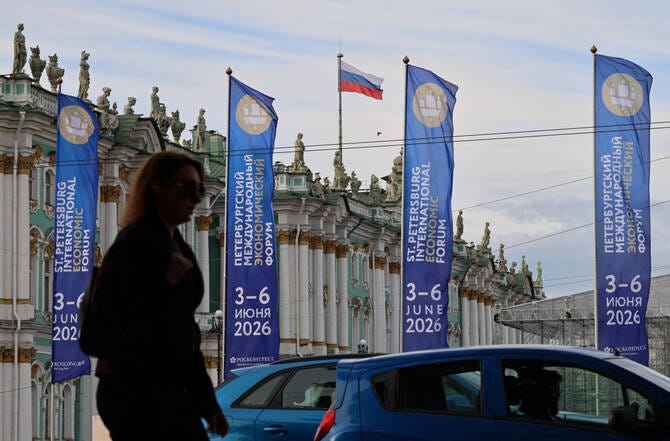
The forum will feature a mix of foreign guests, including American participants attending for the first time since 2017-2018. Yet the war remains the dominant concern. One participant questioned whether the conflict would end or whether Russia faced “a much tougher future”, reflecting wider unease about the country’s trajectory.
Russia’s economy grew strongly in 2023 and 2024 but has since slowed sharply. Growth is forecast at just 0.4% this year after the economy shrank by 0.2% in the first quarter of 2026. Former central bank official Oleg Vyugin said Russia faced a choice between reducing military spending or risking a slide into recession.
Sources: Reuters, TV2

US President Donald Trump has named Federal Housing Finance Agency director Bill Pulte as acting Director of National Intelligence, putting a housing finance official with no known intelligence background in temporary charge of 18 government intelligence agencies.
Trump said Bill Pulte had experience managing sensitive financial matters at Fannie Mae and Freddie Mac, and would keep his housing finance roles while filling in for outgoing director Tulsi Gabbard. But the appointment drew criticism because Pulte has been accused of using his current post to pursue Trump’s perceived political enemies through mortgage fraud referrals.
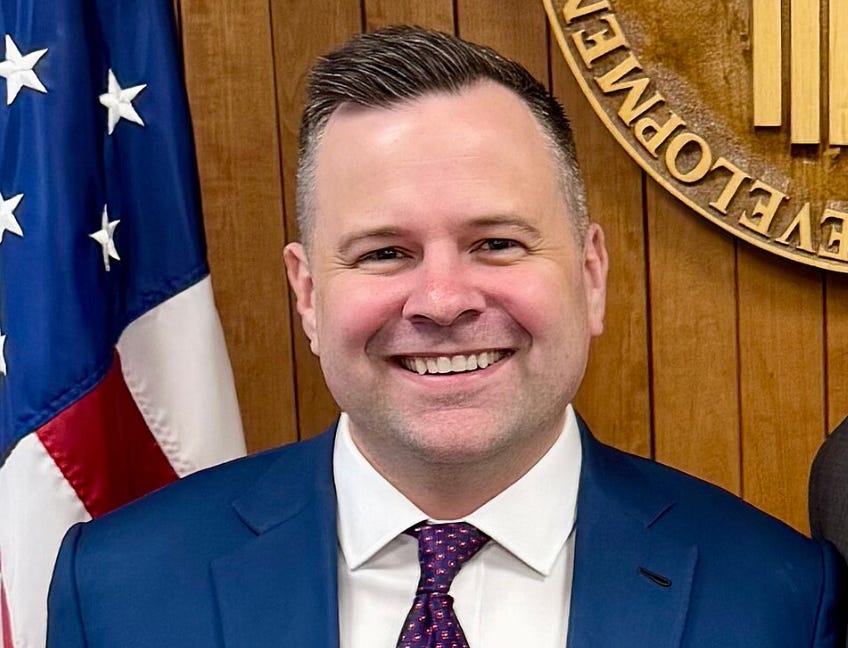
Senator Mark Warner, the top Democrat on the Senate Intelligence Committee, said the choice showed Trump wanted an intelligence official willing to use government authority for political retribution. Some Republicans were also wary, with Senator John Cornyn saying he saw no evidence of Pulte’s qualifications but was willing to listen.
Sources: BBC, PBS
Restacking this post will help it reach more readers interested in the world.

US President Donald Trump’s administration has abandoned plans for a $1.8 billion anti-weaponisation fund after legal challenges and bipartisan political pressure, including concern from Republicans in Congress.
The fund was announced as part of a settlement after Trump dropped a lawsuit against the Internal Revenue Service over the leak of his tax returns. It was intended to compensate people described as victims of government weaponisation, but critics said it could become a payout scheme for Trump allies, including some involved in the January 6 attack on the US Capitol.
Acting Attorney General Todd Blanche told lawmakers the administration was “not moving forward with the fund, period”, although an agreement barring future audits into Trump and his family’s past tax records will remain in place. The reversal followed a federal court pause, lawsuits challenging the fund’s legality and pressure from Republican leaders seeking to advance a separate $72 billion immigration enforcement package.
Sources: Al Jazeera, The Times

The killing of 18-year-old Henry Nowak has triggered a police watchdog investigation and political backlash in Britain after body camera footage showed officers handcuffing him as he lay dying from stab wounds.
Vickrum Digwa, 23, was sentenced to life in prison with a minimum term of 21 years after being found guilty of murder. Police initially handcuffed Nowak after Digwa falsely claimed he had been the victim of a racist attack, before officers realised Nowak was severely injured and began first aid. Footage showed Nowak saying “I can’t breathe” and repeatedly telling officers he had been stabbed.
Home Secretary Shabana Mahmood told Parliament the footage was “disturbing and tragic”, but warned that misinformation and inflammatory commentary were worsening the situation. Protests later turned violent in Southampton, while Nowak’s family said they did not want his death used to create further division.
Sources: New York Times, France 24

US President Donald Trump is proposing new tariffs of at least 10% on imports from 60 trading partners, using forced labour investigations to rebuild a wider tariff system struck down by the US Supreme Court.
The 10% rate would apply to imports from Canada, Mexico, the European Union, Taiwan and the UK, while products from countries including China, India, Japan, South Korea, Brazil and Switzerland would face a 12.5% levy. The trade office said lower rates would apply to economies that prohibit forced labour imports or have committed to doing so, while higher rates would apply where enforcement was judged weaker.
The tariffs are not final. Written comments are due by July 6, with public hearings expected from July 7. US Trade Representative Jamieson Greer said failures to address forced labour imports forced American workers to compete on an uneven global playing field.
Sources: Bloomberg, Politico

The United Nations has warned governments to prepare for the likely return of El Nino, with an 80% chance of the warming climate phenomenon developing between June and August and a 90% chance by November.
The World Meteorological Organization said unusually warm waters in the tropical Pacific were shifting global temperature and rainfall patterns, increasing the risk of drought, heavy rainfall and heatwaves on land and in the ocean. Forecast models suggest the event would be at least moderate and possibly strong, though the agency said there was still uncertainty about its strength.
UN Secretary General Antonio Guterres said El Nino conditions would “pour fuel on the fire of a warming world”, while WMO chief Celeste Saulo said advance warning should guide preparedness in sectors including agriculture, water management, energy and health. Forecasts point to above-normal temperatures across nearly all regions from June to August.
Sources: South China Morning Post, The Guardian

Thousands of people have protested in Albania against a luxury resort project linked to Jared Kushner, US President Donald Trump’s son-in-law, amid concern over protected coastal land, biodiversity and transparency.
The project is planned for the Vjosa-Narta coastal landscape in Zvërnec and the uninhabited Adriatic island of Sazan. Environmental groups say it could threaten biodiversity and disrupt bird migration routes, while public concern grew after excavators began clearing pine forests and dunes for access roads and construction sites. Protesters chanted “Albania belongs to Albanians” and demanded the resignation of Prime Minister Edi Rama.
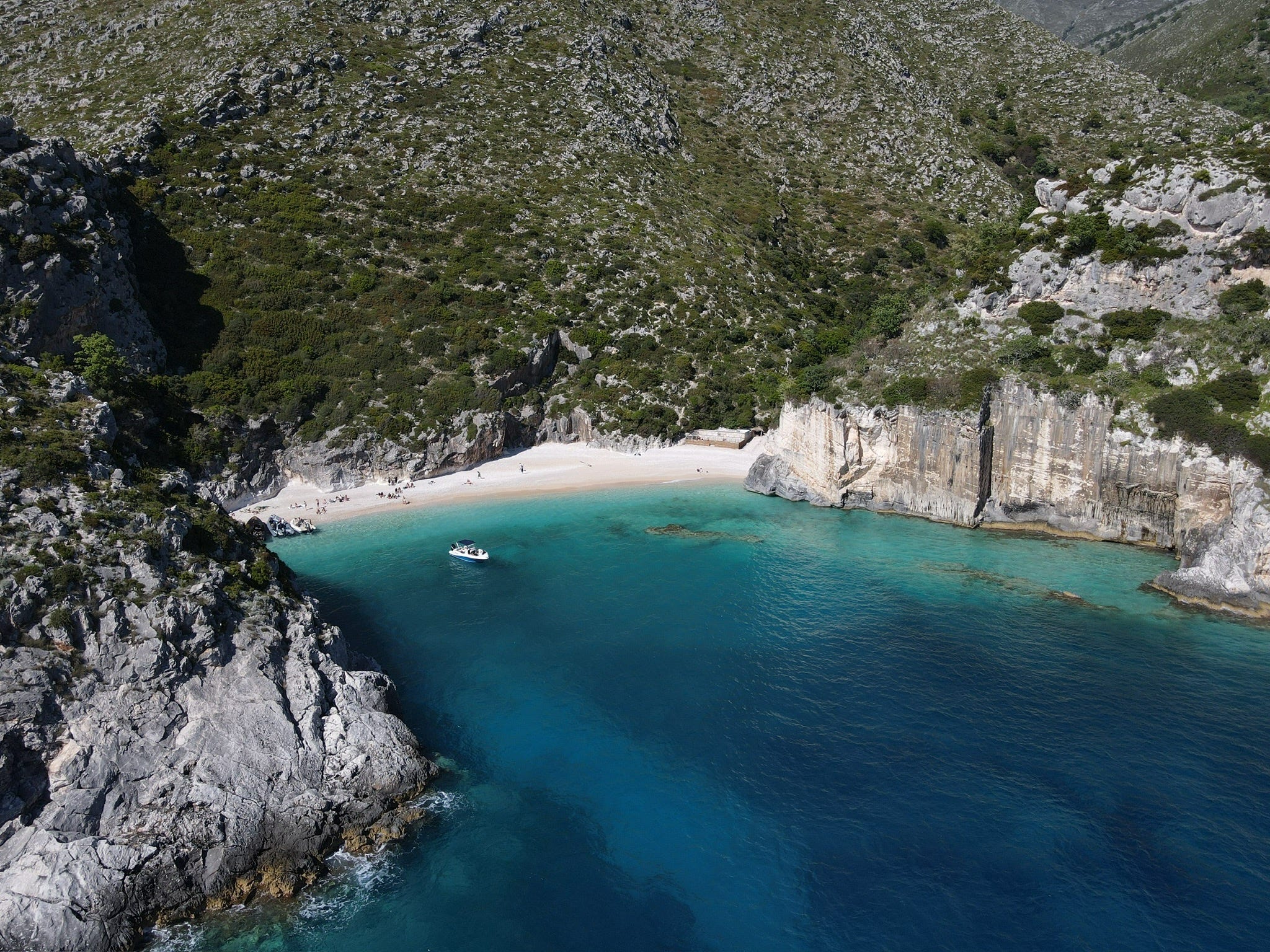
Edi Rama, Albania’s prime minister, has defended the development as lawful and part of a wider effort to attract foreign capital and expand luxury tourism. Opponents say no environmental impact report has been publicly released and warn the project could set a precedent for other sensitive areas.
Sources: Euronews, New York Times
Restacking or sharing this publication means more people can read it. Commenting extends the conversation. Liking shows your appreciation.
On this day …
On this day in 1989, Iran announced the death of Ayatollah Ruhollah Khomeini, the leader of the 1979 Islamic Revolution and the founder of the Islamic Republic.
During his decade in power, Khomeini transformed Iran’s political system and established a model of religious governance that continues to shape the country.
His death prompted one of the largest public funerals of the twentieth century and raised questions about the future direction of the state. Iran’s leadership ultimately transferred to Ayatollah Ali Khamenei, ensuring continuity in the revolutionary system.
More than three decades later, many of the political structures established under Khomeini remain central to Iranian domestic and foreign policy.
To what extent do revolutionary movements remain shaped by the ideas of their founders long after they are gone?