


Putin Warns Europe as Peace Talks Stall
Putin Threatens New Escalation at Sea
Trump Pardon Reshapes Honduras Turmoil
Former Senior EU Official Detained In Procurement Fraud Probe
Guinea-Bissau Vote Collapses After Military Seizes Ballots
Trump Moves To Void Biden Documents Over Autopen Use
SEAL Admiral Faces Scrutiny Over Deadly Strike
Drone-Led Attacks Spread Across Northern Nigeria
Myanmar Opium Cultivation Reaches Decade High
OECD Upgrades Global Growth Outlook for 2025
On this day ……
The Bhopal gas leak occurred on this day in 1984, releasing toxic methyl isocyanate from a Union Carbide plant and triggering one of the world’s deadliest industrial accidents. Thousands died in the immediate aftermath, with long-term health and environmental effects still felt today.
The tragedy exposed deep weaknesses in industrial safety, regulatory oversight and corporate responsibility, and it prompted worldwide scrutiny of hazardous-chemical management.
It remains a defining example of how industrial growth without adequate safeguards can carry generational consequences.

Russia’s latest round of diplomacy with the United States ended without progress, as Vladimir Putin warned that Moscow was prepared to fight Europe if conflict broke out. His remarks followed a five-hour meeting between Kremlin officials and US envoys Steve Witkoff and Jared Kushner, with both sides acknowledging that key issues in a potential peace deal for Ukraine remained unresolved. Kremlin aide Yuri Ushakov described the talks as constructive but said they did not narrow disagreements on territorial arrangements or broader terms for ending the war.
Meanwhile, the US secretary of state, Marco Rubio, said there had been “some progress” on security guarantees for Ukraine, though major gaps remained.
The contrast highlighted how the diplomatic track is struggling to gain traction. Putin also accused European states of sabotaging peace efforts and maintained that Russia would continue fighting if negotiations failed, underscoring the limited scope for compromise.
Sources: The Guardian, Reuters

Russian President Vladimir Putin has threatened to sever Ukraine’s access to the sea after a series of attacks on tankers linked to Russia’s shadow fleet. He said the “most radical solution” would be to cut Ukraine off entirely, arguing that such a step would end what he called “piracy”.
However, Ukraine denied involvement in a drone strike on a Russian-flagged tanker off Turkey, indicating it might have been staged by Moscow.
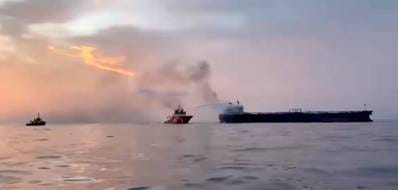
Russia has vowed to intensify strikes on Ukrainian ports and vessels, while also considering action against ships belonging to countries that support Ukraine. Meanwhile, recent missile and drone strikes on Novorossiysk have disrupted oil shipments, adding further strain to a key trade route. By comparison, Ukraine still controls major ports including Odesa, underscoring the strategic stakes around Black Sea access.
Sources: Kyiv Post, Reuters

Donald Trump’s decision to pardon former Honduran president Juan Orlando Hernandez has upended both US anti-narcotics policy and Honduras’ volatile election. Hernandez, who was serving a 45-year sentence for running the country as a “narcostate”, was freed on Monday after appealing to Trump from prison and casting himself as a political target. The move has drawn sharp rebukes from Democrats, who say it undermines long-standing efforts to curb drug trafficking and weakens US credibility across Latin America.
Meanwhile, the pardon has overshadowed Honduras’ presidential vote, where Trump-backed candidate Nasry Asfura has lost a narrow lead to Salvador Nasralla amid technical problems and contested results. Asfura’s conservative National Party has claimed alternative data pointing to a win, while Nasralla warned his margin would widen as counting resumed.
However, the dispute has accelerated political tensions, as Trump accused Honduras of trying to “change the results” and critics warned that multiple candidates could reject the outcome.
Sources: South China Morning Post, FT

Former E.U. foreign policy chief Federica Mogherini has been detained in Belgium as part of a widening investigation into suspected procurement fraud involving the bloc’s diplomatic service. Belgian police raided the European External Action Service and the College of Europe, the academic institution she leads, after the European Public Prosecutor’s Office cited strong suspicions that confidential tender information had been improperly shared during the award of a training programme for junior diplomats in 2021 and 2022.
Two other individuals were also detained, including a senior E.U. official, while authorities searched offices, private homes and the Bruges campus. The probe is examining whether the College of Europe gained an unfair advantage in bidding for the publicly funded project, and whether the tender breached rules intended to ensure fair competition.
However, investigators said the inquiry remained ongoing, with immunity lifted for several suspects and further assessments underway.
Sources: Washington Post, Euronews

Guinea-Bissau’s electoral commission says it cannot complete last month’s presidential election after armed men stormed its offices, seizing ballots and tally sheets and destroying the server that held the results. The attack took place on 26 November, the day before results were due, when military officers seized power and installed Major-General Horta Inta-a as transitional president. He later said the takeover was necessary to prevent “narco-traffickers” from capturing the country’s democracy.
The commission told visiting ECOWAS leaders that all computers and tallies were confiscated, making it impossible to certify the vote. Meanwhile, questions persist over the nature of the takeover.
President Umaro Sissoco Embaló was arrested but swiftly flown to Senegal, prompting critics to argue the events resembled a staged intervention rather than a conventional coup. However, others note that political tensions and disputes over candidate eligibility had already strained the process.
Sources: BBC, Reuters

Donald Trump has declared that all pardons, commutations and official documents signed by Joe Biden using an autopen are “terminated”, an unprecedented attempt to invalidate a predecessor’s actions. The autopen, a device used by presidents of both parties for routine or ceremonial documents, produces mechanically reproduced signatures.
Legal scholars cited in the reporting say the constitution does not require handwritten signatures for many presidential acts and that federal law provides no mechanism to overturn a previous president’s pardons.
Trump claimed on Truth Social that documents signed with the device have “no legal effect”, repeating allegations by his supporters that Biden’s use of the autopen implied limited awareness of presidential actions. However, it is not known whether Biden used the device for pardons, and experts argue the method of signing does not affect their validity.
Meanwhile, Newsweek reported that legal analysts expect immediate court challenges if agencies attempt to enforce Trump’s directive.
Sources: The Guardian, Newsweek

Admiral Frank Bradley is facing growing pressure in Washington after a September strike on a boat in the Caribbean and a second attack that killed two survivors. He had been overseeing a mission the Trump administration said targeted drug smugglers, but lawmakers and legal experts have questioned whether the operation was lawful. However, the Pentagon has said he was authorised to destroy the vessel and acted within his authority.
The incident has exposed divisions between military and civilian leaders, as public statements by President Trump and Defence Secretary Pete Hegseth have distanced them from the second strike.
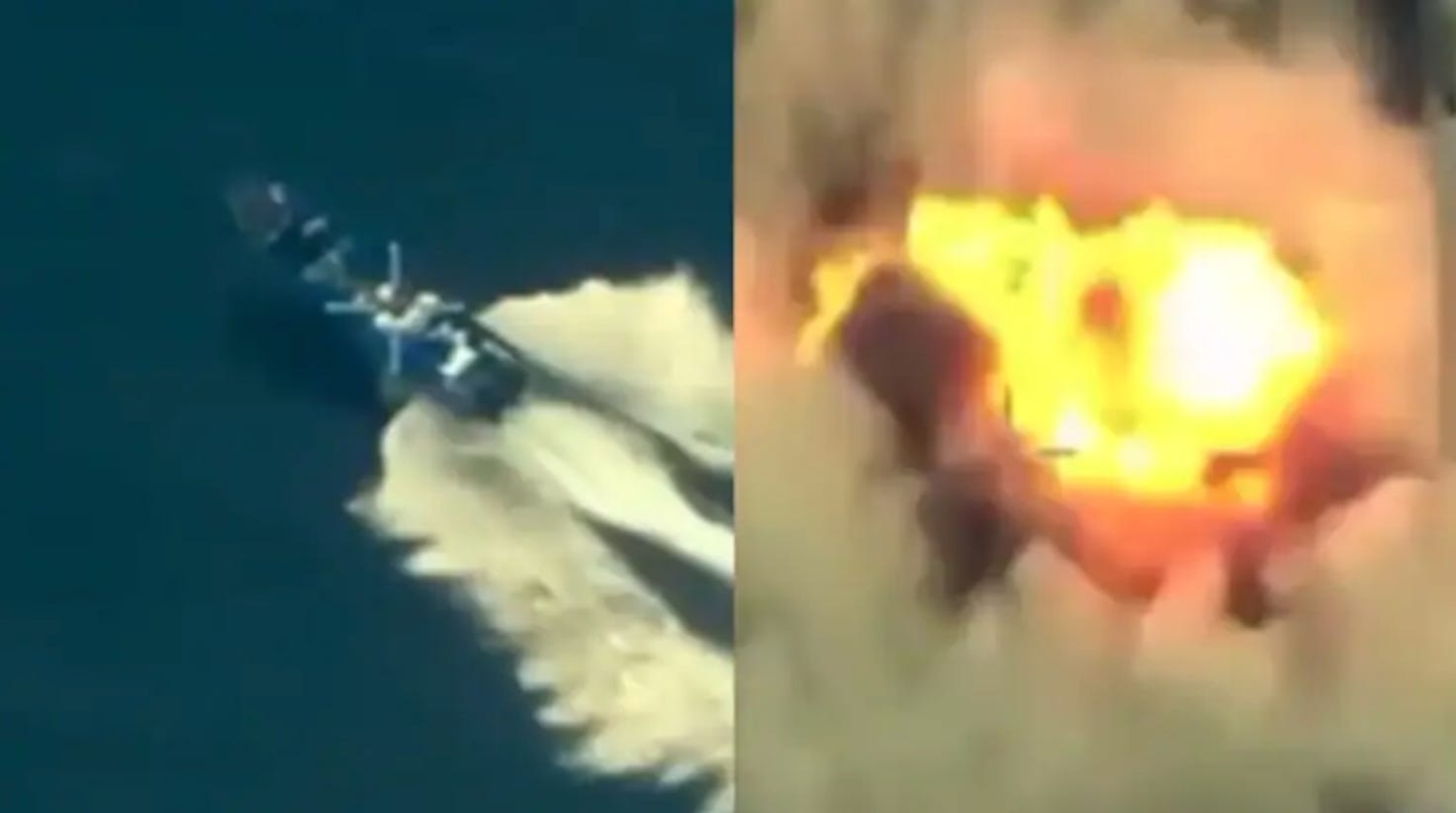
Meanwhile, officials have raised concerns that Bradley is being scapegoated as inquiries widen. In contrast, legal specialists warn the case highlights broader issues about rules of engagement and the limits of presidential authority in operations not explicitly approved by Congress.
Sources: New York Times, Washington Post

Nigeria is confronting a new level of insecurity after coordinated attacks swept through four northern states over the weekend. In Kogi, residents saw a drone circling above Ejiba shortly before armed men stormed a church and abducted the pastor, his wife, and several worshippers. Officials questioned why the service was held in a remote area, however the incident signalled a more sophisticated threat as attackers used the device to guide their movements.
Meanwhile, violence in Sokoto state disrupted a wedding ceremony where gunmen abducted the bride and several guests. In contrast, traditional leaders in Kwara and residents in Kano were targeted in separate raids that included kidnapping and the killing of a woman.
Security analysts say the drone likely offered real time surveillance, highlighting a shift in tactics that allows armed groups to watch communities from above. The incidents have deepened fear that no space is safe.
Sources: Ghana Webbers, Premium Times

Opium poppy cultivation in Myanmar has surged to its highest level in ten years, rising 17 per cent to more than 53,000 hectares as conflict and economic hardship push farmers deeper into the illicit trade. UN officials say the expansion confirms a steady increase since 2020, driven by rising opium prices and instability across regions under military and armed group control. However, the trend also reflects wider pressures created by the civil war that began after the 2021 coup.

Meanwhile, early signs indicate that heroin produced in Myanmar is beginning to enter Western markets. Seizures linked to passengers travelling from Thailand to Europe suggest shifting trafficking routes, as a Taliban crackdown has constrained production in Afghanistan.
In contrast, new cultivation detected in Sagaing shows a broader geographic spread. With the junta preparing for elections in late December, UN analysts warn that conflict both fuels and disrupts poppy farming, leaving farmers trapped between danger and dependency.
Sources: South China Morning Post, Barrons

The OECD has raised its expectations for the world economy, projecting 3.2 per cent growth this year as artificial intelligence investment and resilient demand help offset the drag from higher United States tariffs. The figure is slightly below last year but marks an improvement on the organisation’s earlier forecast, suggesting global momentum has held up better than anticipated. However, the outlook remains vulnerable to renewed trade tensions as the full effects of tariff increases work through inventories and supply chains.
The OECD also upgraded its forecast for the US economy to 2 per cent this year, supported by AI spending, fiscal measures and expected Federal Reserve rate cuts. In contrast, the organisation noted that higher tariffs are likely to lift prices and weigh on consumption and investment over time.
Meanwhile, China’s growth is projected to hold at 5 per cent, and the eurozone is expected to expand by 1.3 per cent, reflecting modest improvements across major economies.