


US Threatens Energy Strikes As Hormuz Standoff Shifts
Spain Blocks US Iran War Flights
Iran Presses Houthis Over Red Sea Threat
Trump Floats Arab Funding For Iran War
Iran Strike On Tanker Deepens Gulf Shipping Risks
Zelenskiy Offers Energy Truce With Russia
Two More UN Peacekeepers Killed In Lebanon
Israel Passes Law On Executions For Palestinians
Israel Suspends Battalion After West Bank News Crew Assault
Haiti Gang Attack Toll Rises Sharply

The White House again threatened to escalate attacks on Iran’s electricity plants, oil facilities and possibly desalination infrastructure if Tehran does not reopen the Strait of Hormuz, as the conflict entered its fifth week and the near-closure of the waterway continued to choke supplies of energy, fertiliser and other critical commodities. US crude futures ended above $100 a barrel for the first time since 2022.
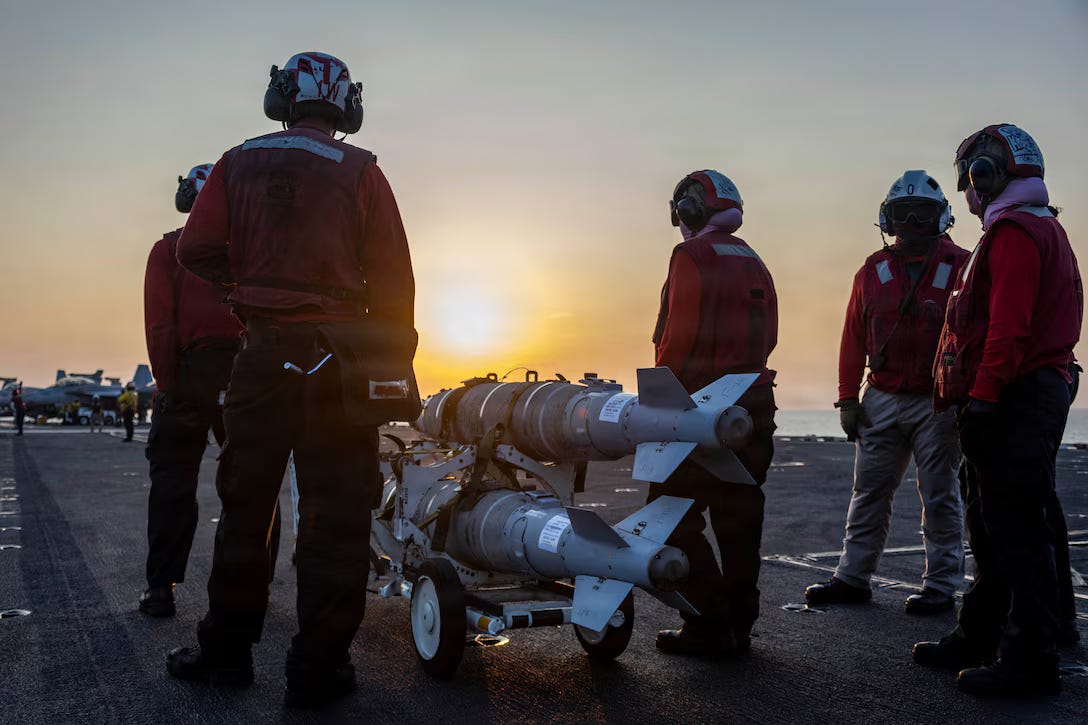
At the same time, President Donald Trump told aides he was willing to end the war without reopening the strait after concluding a military effort to force access could prolong the conflict beyond his preferred timeline. He granted Iran a 10-day cooling-off period after eight oil tankers passed through Hormuz and prioritised weakening Iran’s naval capabilities and missile reserves before scaling back hostilities.
Washington said Iran agreed to US proposals and was eager to negotiate, but Tehran rejected the demands as excessive while Egypt, Pakistan and Turkey attempt to mediate conflict
Sources: Japan Times, Times of India

Spain closed its airspace to US planes involved in the Iran war, extending an earlier decision that barred Washington from using jointly operated military bases in the conflict. Defence Minister Margarita Robles said the same logic applied to Spanish airspace, while Prime Minister Pedro Sánchez has described the war as illegal, reckless and unjust.
The move added further strain to an already tense trans-Atlantic relationship. Secretary of State Marco Rubio said the US may need to reexamine its relationship with NATO after the operation, arguing that an alliance cannot work if Washington defends Europe but is denied basing rights when it needs them.
The dispute comes as NATO members have largely rebuffed US requests to help reopen the Strait of Hormuz, a passageway effectively shut since late February, with oil and gas prices soaring and allied cooperation under new pressure.
Sources: Associated Press, Bloomberg

Iran is pushing the Houthis to prepare for a renewed campaign against Red Sea shipping if the United States escalates further in its war, according to European officials. Houthi leaders are weighing more aggressive action after launching ballistic missiles at Israel, though officials said divisions inside the group help explain why it entered the conflict only a month in.
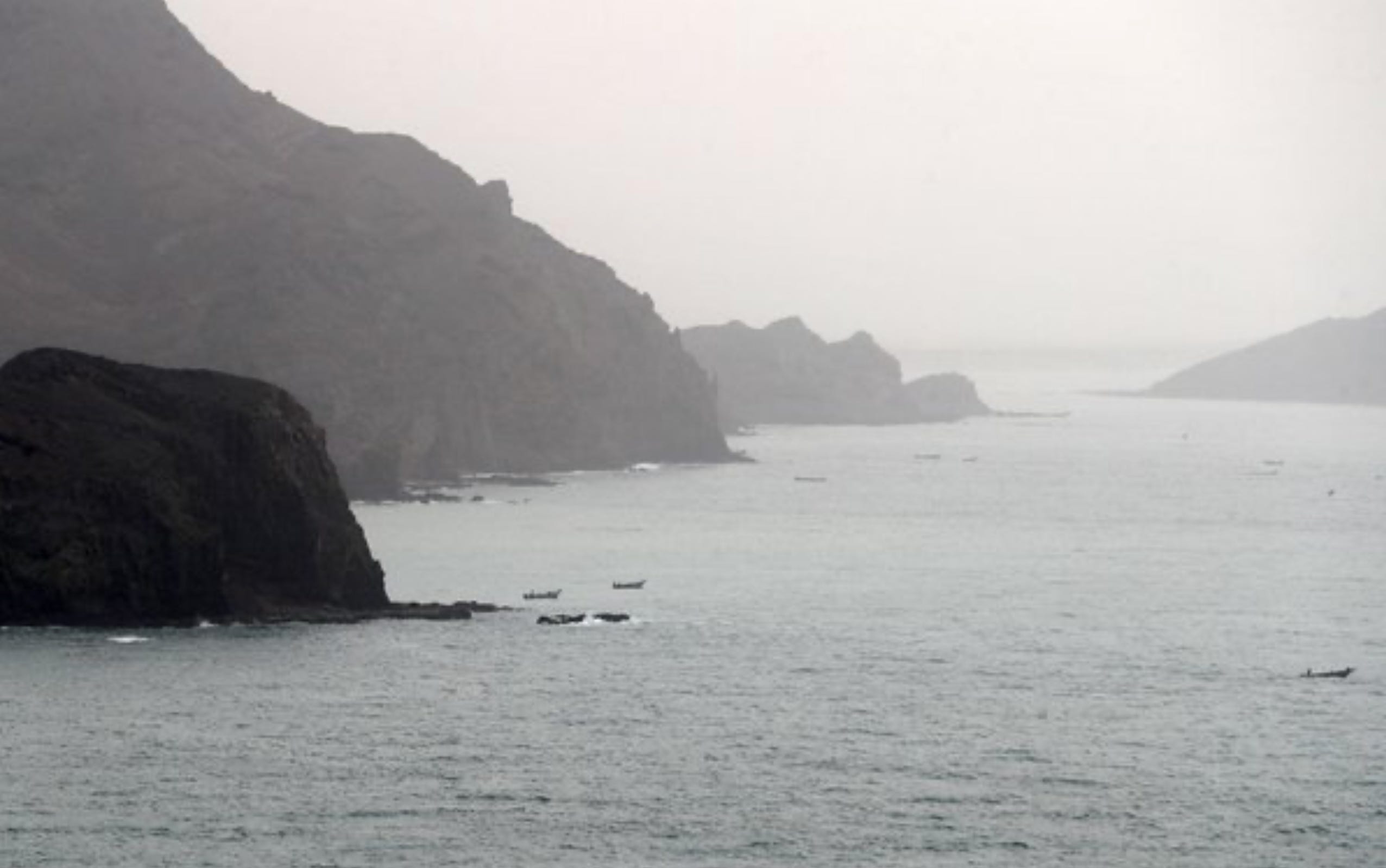
The risk is significant because any campaign near the Bab el-Mandeb strait would further upend global energy markets at a time when the Strait of Hormuz has been effectively closed since late February. With Hormuz blocked, Saudi Arabia has ramped up crude exports from Yanbu on the Red Sea, making the southern route especially important for oil moving to Asia.
Officials said the Houthis may delay a decision to retain leverage against Washington, even as Tehran sees the group’s threat to shipping lanes as another bargaining chip in any negotiations.
Sources: Bloomberg, France 24

The White House said Donald Trump is interested in asking Arab countries to help pay for the cost of the Iran war, reviving a burden-sharing idea from the 1990 Gulf War even as Washington says talks with Tehran are progressing well. Karoline Leavitt said it was an idea Trump has and suggested more would be heard from him on the subject.
The proposal surfaced as the administration argued that Iran’s public statements differ from its private messages and that Tehran had privately agreed to some US points. Trump earlier warned that Iran’s energy plants and oil wells would be obliterated if it did not open the Strait of Hormuz.
The financial question is gaining weight as the conflict enters its 31st day, with reports that the White House is seeking at least $200bn in additional military spending from Congress while energy prices continue to rise.
Sources: Reuters, Al Jazeera

Iran struck a fully loaded crude oil tanker anchored at Dubai port, setting it on fire and damaging its hull in an attack that raised fresh fears over commercial shipping in the Gulf. Dubai authorities said the blaze, caused by a drone strike, was extinguished early on Tuesday and later confirmed there was no oil leak. All 24 crew members were safe.
The tanker was carrying 2m barrels of oil from Kuwait and Saudi Arabia and was bound for Qingdao, China. Crude prices briefly spiked after the attack, which came hours after Donald Trump warned the US would obliterate Iran’s energy plants and oil wells if Tehran did not open the Strait of Hormuz.
The strike added to fears of wider disruption as the month-long conflict continues to threaten energy supplies and broader economic stability.
Sources: Times of India, The Guardian

Volodymyr Zelenskiy said some of Ukraine’s partners had urged Kyiv to scale back attacks on Russian oil infrastructure after turmoil on global energy markets. He said Ukraine would stop hitting Russian energy facilities if Moscow halted its own strikes on Ukraine’s energy system, adding that Kyiv was ready for a ceasefire at any time and that an Easter truce was one option.
The comments came after Ukrainian attacks in recent weeks on Russian refineries, export pipelines and sea terminals, including the Ust-Luga oil terminal. Zelenskiy said Ukraine had received messages from partners asking how responses against Russia’s energy sector could be reduced.
The issue has gained weight as higher oil prices linked to the war in Iran and the effective closure of the Strait of Hormuz strengthen Russia’s war economy while also threatening Ukraine’s ability to fight.
Sources: Bloomberg, BBC

Two Indonesian peacekeepers were killed in southern Lebanon on Monday when an explosion of unknown origin destroyed their vehicle, and two others were injured. The incident came a day after another Indonesian peacekeeper was killed when a projectile hit a mission base and exploded, making it the second fatal incident in 24 hours.
The deaths came shortly after Israel said it would step up ground and air attacks against Hezbollah. The mission said investigations were under way into both incidents, while Israel said the circumstances were being reviewed and it should not be assumed that the harm to peacekeepers was caused by its forces.
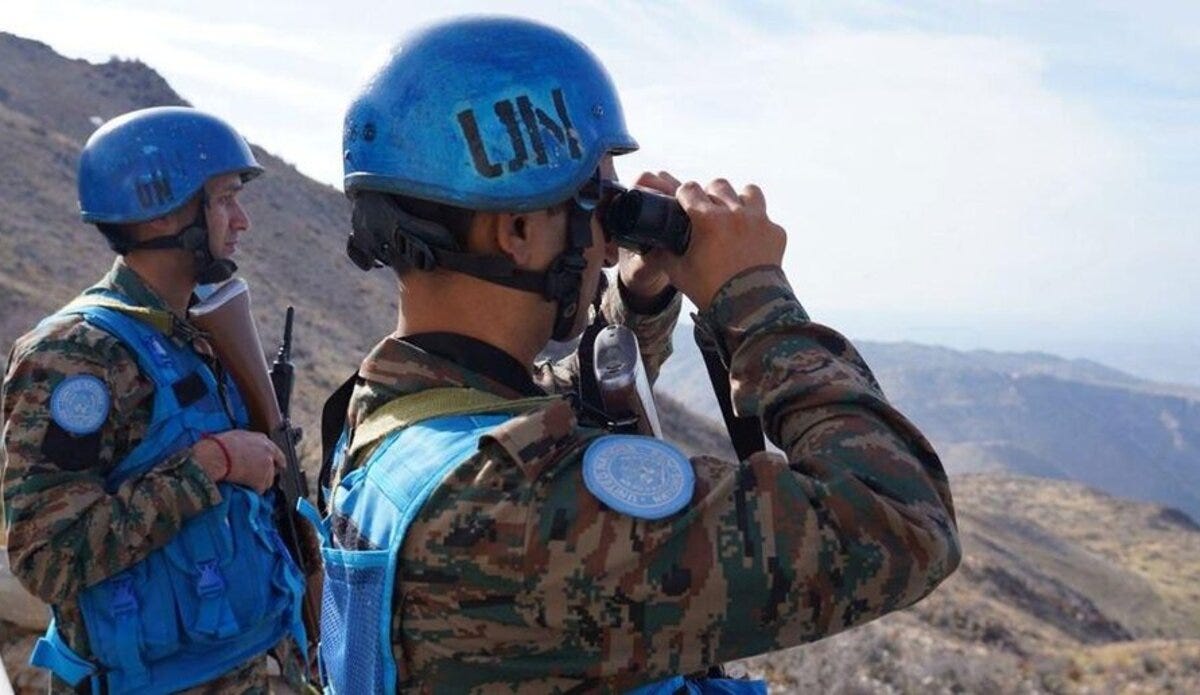
The United Nations condemned the attacks and said peacekeepers must never be a target, as rising hostilities in Lebanon added to wider regional risks more than a month after the United States and Israel bombed Iran.
Sources: BBC, UN Peacekeeping

Israel’s Parliament passed a law allowing the death penalty for Palestinians convicted of deadly attacks, marking a significant hardening of policy after the 2023 Hamas-led attack and the Gaza war that followed. The legislation makes death by hanging the default sentence in military courts and allows a simple majority of judges to impose it.
The law leaves those sentenced in military courts with no clear path to a pardon and requires execution within 180 days at most, limiting the scope for retrials. It does not apply retroactively to Palestinians already jailed by Israel. Critics said the measure was designed to target Palestinians while making it highly unlikely that Jewish extremists convicted of similar crimes would face the same punishment.
Britain, France, Germany and Italy had urged lawmakers not to pass the bill, and rights groups immediately filed petitions seeking to have it struck down.
Sources: New York Times, The Guardian

Israel’s military suspended all operational activities of a reserve battalion after soldiers involved in the detention and assault of a CNN news crew in the West Bank were disciplined. The battalion will be withdrawn from the territory and reassigned to training, while one soldier was dismissed from military service and others were reprimanded.
The military described the incident as a serious ethical and professional failure and said weapons must never be used for revenge. It said the battalion would undergo training aimed at reinforcing its professional and ethical foundations before any return to operational activity.
The episode has drawn unusual scrutiny because it followed reporting on surging settler violence in the village of Tayasir. During the detention, soldiers said the entire West Bank belongs to Jews and that they were avenging the alleged killing of an Israeli settler days earlier. The assault of a photojournalist will be investigated by military police.
Sources: CNN, The Independent

At least 70 people were killed and 30 injured in a gang attack in Haiti’s Artibonite region, according to a human rights group, far above earlier official estimates of about 16 dead. The assault began in the early hours of Sunday in rural communities around Jean-Denis, with gang members storming the area, setting homes on fire and forcing thousands to flee.
The rights group estimated that 6,000 people were displaced, while the United Nations said reported death toll estimates ranged from 10 to 80 and called for a thorough investigation. Police said they deployed three armoured vehicles, but progress was slowed by holes dug in the road, and officials said the attackers were fleeing when officers arrived.
The attack underlined the worsening insecurity in Artibonite, a key agricultural region where gang violence has spread beyond the capital despite more aggressive policing and promises of more foreign support.
Sources: DW, Al Jazeera
On this day …
On this day in 1889, the Eiffel Tower was officially inaugurated in Paris as the centrepiece of the Exposition Universelle marking the centenary of the French Revolution.
Rising over 300 metres, it briefly became the tallest man-made structure in the world and demonstrated the possibilities of modern steel engineering.
Initially criticised by many artists and intellectuals, the tower soon became a global symbol of industrial modernity and technological ambition, reflecting Europe’s late-nineteenth-century confidence in progress and infrastructure.
How often do structures that are widely disliked when they are built end up being popular?