


Trump Weighs Broader Military Options Against Iran
EU Designates Iran’s Revolutionary Guards as Terrorist Group
Trump Warns UK Over China Ties as Starmer Courts Beijing
Trump Threatens Canada With Aircraft Tariffs
Democrats And White House Cut Deal To Avoid Shutdown
Trump Says Putin Agreed To Weeklong Strike Pause
Forever Chemical Costs Put EU On Ban Path
Trump Declares Emergency And Targets Oil Shipments To Cuba
Israel Accepts Gaza Health Ministry Death Toll
Carlyle Agrees Deal For Lukoil Foreign Assets

President Donald Trump has been presented with an expanded range of military options against Iran that go beyond proposals considered earlier this month, according to U.S. officials. The options include further strikes on nuclear and missile facilities and, in some cases, potential raids inside Iran. They are being weighed after protests were brutally quashed and amid renewed pressure on Tehran to curb its nuclear programme and regional activities.
Trump has not authorised any action and remains open to diplomacy, with officials saying threats were partly intended to force negotiations. His demands include a permanent end to uranium enrichment, surrender of nuclear stockpiles and limits on ballistic missiles, alongside ending support for proxy groups. Officials remain sceptical Iran would accept those terms, and note regime change would be far more complex than recent U.S. action in Venezuela.
The Pentagon has increased its regional presence, including deploying an aircraft carrier, additional strike aircraft and air defences. Officials say options remain under debate, with no consensus yet on objectives or legal authority.
Sources: New York Times, Bloomberg

The European Union has designated Iran’s Islamic Revolutionary Guard Corps as a terrorist organisation, ending years of internal division after a deadly crackdown on mass protests. EU foreign policy chief Kaja Kallas said repression could not go unanswered, citing the Guard’s central role in suppressing demonstrations across the country.
The designation carries legal consequences, including asset freezes and criminal liability for providing financial or material support. The EU also imposed sanctions on senior Iranian officials and state-linked bodies involved in repression, including the interior minister and organisations accused of censorship and disinformation. EU officials said the move was made possible after France dropped its long-held opposition.
Iran condemned the decision as a strategic mistake and warned it would inflame regional tensions. Tehran said the designation ignored efforts to prevent wider conflict, while Russia cautioned against destabilising military action. The IRGC has already been listed by the United States, Canada and Australia, increasing pressure on other European governments to follow suit.
Sources: The Guardian, Le Monde
Donald Trump has warned Britain that closer economic ties with China would be “very dangerous”, just hours after Prime Minister Keir Starmer hailed progress during talks in Beijing. The comments came as Starmer sought to reset relations with China, promising a more sophisticated relationship and securing commitments on market access, lower tariffs and investment.
Speaking in Washington, Trump criticised the UK’s engagement with Beijing, echoing earlier threats against allies pursuing deals with China. Downing Street officials said the United States had been informed in advance of the visit and its objectives, and stressed that relations with Washington remained close.
In Beijing, Starmer described meetings with President Xi Jinping as warm and productive, saying they delivered real progress. He insisted Britain would not have to choose between the United States and China, arguing that stronger economic ties with Beijing could coexist with security and defence cooperation with Washington. The episode highlights growing strains for US allies navigating trade and diplomacy amid Trump’s unpredictable approach.
Sources: Reuters, The Guardian
President Donald Trump threatened to impose a 50% tariff on any aircraft sold into the United States from Canada and said he was “hereby decertifying” Bombardier Global Express business jets. The threat was posted on social media and framed as retaliation for Canada’s refusal to certify planes made by Gulfstream.
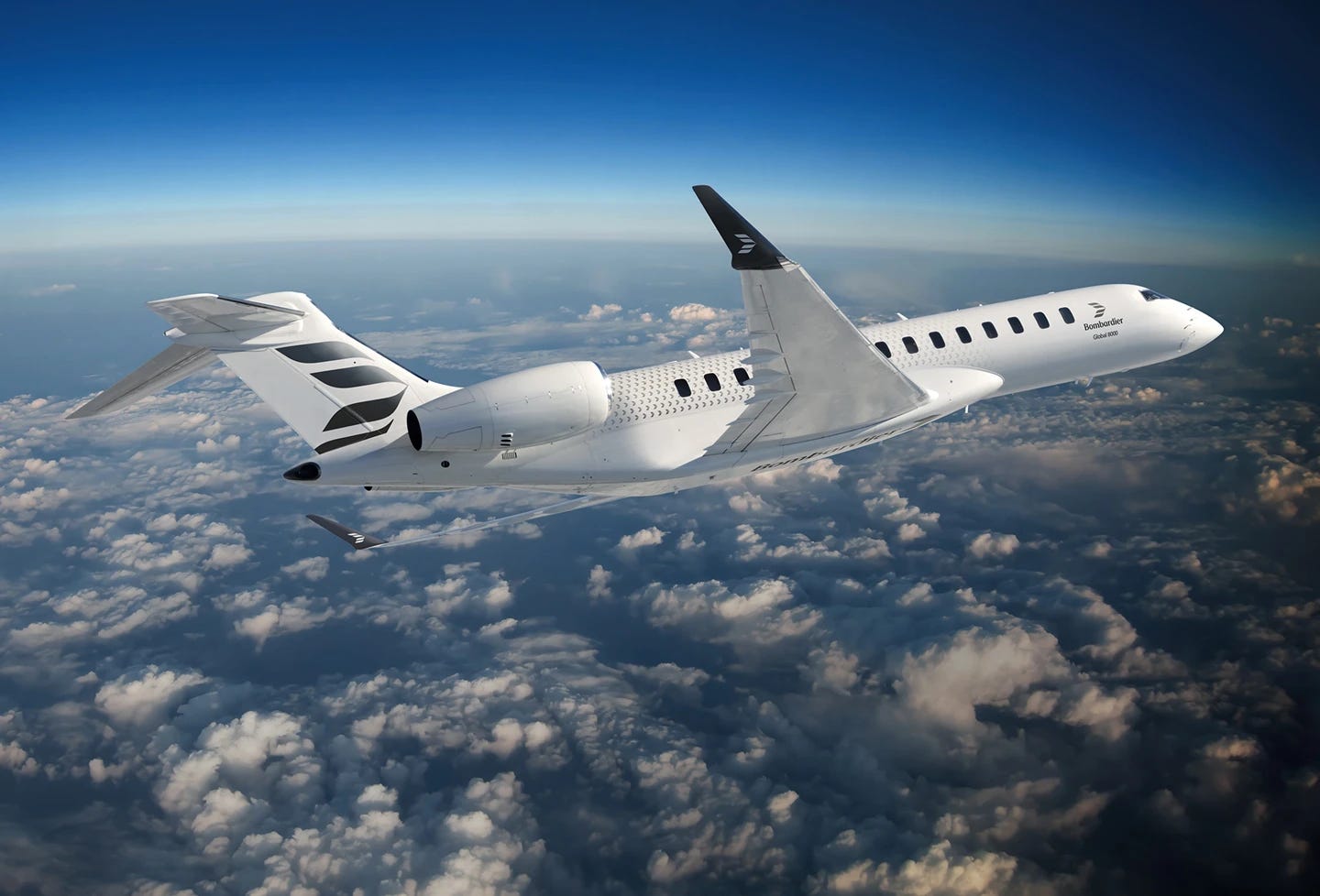
Trump said Canada has refused to certify the Gulfstream 500, 600, 700 and 800, and warned the United States would decertify all Canadian aircraft unless the situation was “immediately corrected”. Data provider Cirium said there were 150 Global Express aircraft registered in the United States, operated by 115 operators.
Bombardier said it was in contact with the Canadian government and warned of a significant impact to air traffic and the flying public if the dispute was not resolved. A White House official told Reuters the president was not suggesting decertifying Canadian-built planes currently in operation.
Sources: Associated Press, Reuters

Democrats and the White House struck a deal to avert a partial government shutdown and temporarily fund the Department of Homeland Security, separating it from a wider spending bill before a midnight Friday deadline. The department would be funded for two weeks as talks continue on Democratic demands for new restrictions on Immigration and Customs Enforcement.
The negotiations came as the country reels from the deaths of two US citizens, 37-year-old Alex Pretti and 37-year-old Renee Good, at the hands of federal agents in Minneapolis. Trump endorsed the agreement in a social media post and urged a bipartisan “YES” vote to fund most of the government until September.
Passage was delayed late Thursday as leaders scrambled for support. Senate Majority Leader John Thune cited “snags on both sides”, while Sen. Lindsey Graham said he was objecting. Democrats said they are prepared to block the broader bill if their demands are not met.
Sources: Associated Press, Euronews

President Trump said Vladimir Putin had agreed to a one-week pause in firing into Kyiv and “various towns” amid extreme cold, framing it as a step that could show momentum in peace talks. Russia and Ukraine have not officially confirmed a partial ceasefire, and President Volodymyr Zelensky said the situation at energy facilities and in cities over coming days would show how things stand.
A Ukrainian presidential adviser said Ukraine requested a pause at talks with Russian negotiators last weekend, and that Russia agreed but not in writing. Reports of a temporary hold on strikes circulated on Telegram, and there were no major airstrikes on Ukrainian cities on Thursday after heavy strikes earlier in the week. Kyiv has seen thousands of apartment buildings left without heat during recent extreme cold.
Negotiators met in the United Arab Emirates last weekend and are expected to meet again in coming days, Marco Rubio said. Zelensky later said Ukrainian intelligence indicated Russia was preparing for a new strike.
Sources: New York Times, The Guardian

PFAS pollution in Europe could cost society up to €1.7 trillion by 2050, according to a European Commission study that examined environmental damage alongside health impacts if pollution continues at current levels.
If regulations and standards remain unchanged, the study estimates costs of around €440 billion by 2050, covering health costs linked to a small number of currently regulated PFAS substances. It also finds treating polluted water alone would cost more than €1 trillion, while cutting PFAS releases at the source by 2040 could save around €110 billion.
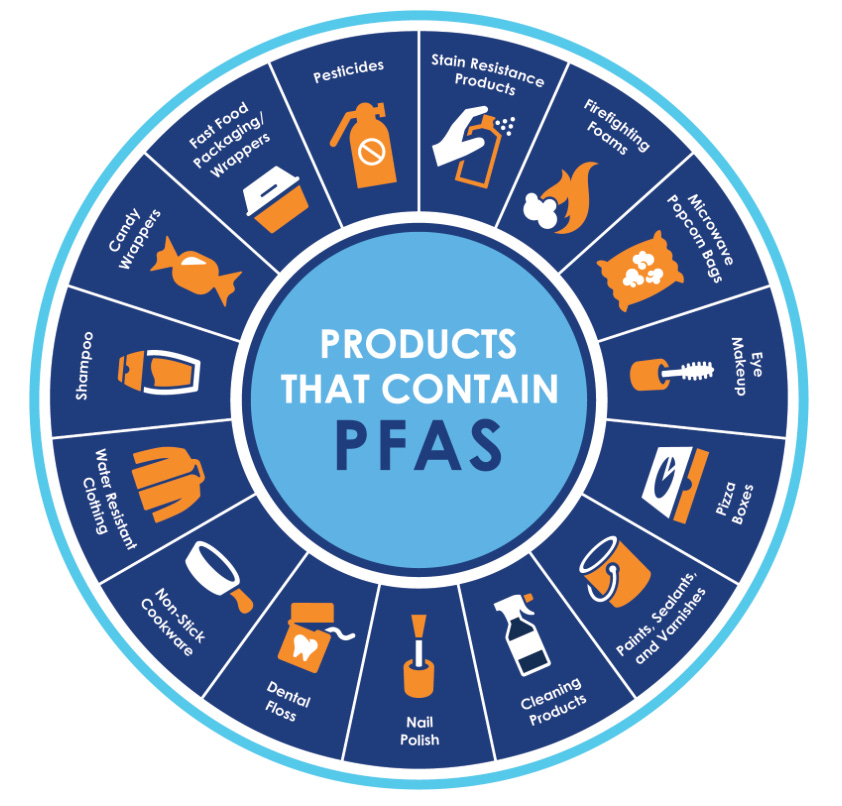
The Commission says PFAS persist in human bodies and the environment for decades, making early action essential. The study identifies newborns, children, people living near contaminated sites and workers at those sites as most exposed, as the EU weighs stricter standards, consumer bans and wider restrictions.
Sources: RFI, European Commission

President Donald Trump signed an executive order declaring a national security emergency regarding Cuba and warning of additional tariffs on imports from “any other country that directly or indirectly sells or otherwise provides any oil to Cuba”.
The order says the “policies, practices, and actions of the Government of Cuba constitute an unusual and extraordinary threat” to US national security and foreign policy, citing alignments with Russia, China, Iran, Hamas and Hezbollah. It does not specify tariff rates, saying Commerce, State, Treasury and Homeland Security and the US trade representative will determine whether additional tariffs should be imposed, with Trump to decide the final level.
Cuba’s foreign minister, Bruno Rodriguez, called the order a “brutal act of aggression”. Mexico’s Claudia Sheinbaum said her government had at least temporarily stopped oil shipments to Cuba.
Sources: ABC News, Al Jazeera

Israel’s military has for the first time accepted figures from Gaza’s health ministry showing more than 70,000 Palestinians were killed in the war, according to a report citing IDF sources speaking to Haaretz. The ministry says 71,667 people have been killed since Israel’s military operations began on 7 October 2023.
The figures are regarded as reliable by organisations including the United Nations. The tally covers those killed directly by Israeli fire, not deaths from other causes such as starvation. The health ministry also reports 171,343 people have been wounded, and Israel is analysing the data to estimate how many killed were combatants and how many were civilians.
Israel and Hamas are preparing for a second phase of the ceasefire after the body of the final Israeli hostage remaining in Gaza, police officer Ran Gvili, was found on Monday. Israel said it had agreed to reopen the Rafah crossing linking Gaza to Egypt.
Sources: TRT World, The Independent
U.S. investment firm Carlyle Group has agreed an initial deal to buy most of Lukoil’s foreign assets, which the Russian oil company is being forced to sell because of U.S. sanctions. Neither side gave a price, and the transaction requires approval from the Office of Foreign Assets Control.
The U.S. Treasury had given Lukoil until February 28 to sell its global portfolio, and OFAC has said any sale proceeds should be blocked and placed in an account subject to U.S. jurisdiction until sanctions on Lukoil are lifted. Lukoil said the agreement is not exclusive and it is continuing negotiations with other potential purchasers.
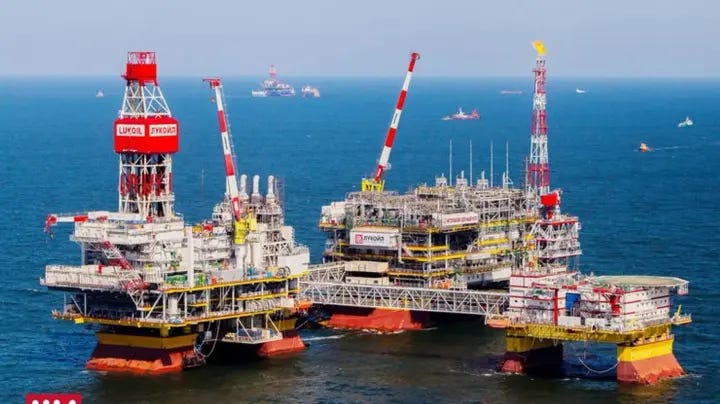
The deal covers assets across Europe, the Middle East, Africa, Central Asia and Mexico, but excludes Kazakhstan, where the government has submitted a formal bid to U.S. authorities for Lukoil’s stakes.
Sources: Reuters, S&P Global
On this day …..
On this day in 1948, Mahatma Gandhi was shot dead in New Delhi by a Hindu nationalist opposed to his efforts at reconciliation between India’s religious communities after independence and partition.
Gandhi had become the most prominent global advocate of non-violent political resistance, influencing civil rights and anti-colonial movements far beyond South Asia.
His death removed a stabilising moral authority at a moment of mass displacement and communal violence across the subcontinent. India’s political system endured, but his approach to power did not dominate the new state.
Can non-violence survive as a governing principle, not just a protest strategy?