


Trump Claim Tests Fragile Regional Truce (Geopolitics)
War Costs Expose Strain In Russian Economy (Conflict)
Russian Barrage Hits Kyiv As Air Defences Strain (Conflict)
Colombia Runoff Tests Political Centre (South America)
Frederiksen Secures Third Term In Denmark (Europe)
Magyar Moves To Oust Hungary President (Europe)
EU Deal Opens Door To Offshore Deportations (Europe)
US Visa Cuts Narrow Access Across Africa (Africa)
Ghana Bill Deepens LGBTQ Fear (Africa)
Court Narrows Transgender Troop Ban (US)
A succinct daily briefing delivered each weekday to help you stay on top of the stories shaping the world.

Donald Trump, the US president, said Israel and Hizbollah had agreed that “the shooting will stop” after calls with Israeli Prime Minister Benjamin Netanyahu and representatives of the Lebanese militant group. He said Israeli troops would not go to into Beirut and that any troops already on the way had been turned back.
The claim came after Iran suspended back-channel talks with the US in response to Israel’s expanded bombing campaign against Hizbollah in Lebanon and what it called ceasefire violations. Iranian state-affiliated media warned Tehran could “complete the closure” of the Strait of Hormuz, sending oil prices sharply higher before they eased after Trump’s comments.
The agreement’s durability remained uncertain. Attacks were reported after Trump’s announcement, Netanyahu said Israel would still strike Beirut if Hizbollah did not stop attacks, and Hizbollah MP Hassan Fadlallah called for a comprehensive ceasefire across Lebanese territory.
Sources: The Guardian, FT

Senior Russian finance officials have warned President Vladimir Putin that war spending is on an unaffordable path, as projected defence expenditure risks widening the budget deficit dangerously. Officials in the Finance Ministry and central bank have proposed new cuts, but the Defence Ministry is resisting reductions and seeking additional funding to cover a possible shortfall of up to three trillion rubles this year.
The warning comes as Russia’s economy slows in the fifth year of the full-scale invasion. Growth is forecast at 0.4 percent in 2026, down from a previous estimate of 1.3 percent, while official data showed a first-quarter contraction.
The budget deficit reached 5.9 trillion rubles in the first four months, about 50 percent above the full-year plan. Higher oil prices have provided only temporary relief, while officials and business figures say sanctions, high rates, drone attacks and declining investment are weighing on growth.
Sources: Bloomberg, Reuters

Russia launched one of its largest air attacks in recent months overnight, targeting Kyiv and other Ukrainian cities with hundreds of drones and dozens of missiles. Ukrainian President Volodymyr Zelensky said 656 strike drones and 73 missiles were launched, while officials reported at least 14 deaths across Kyiv and Dnipro and more than 70 injuries.
Residential buildings, civilian infrastructure and energy facilities were among the sites damaged, with rescue teams searching for people feared trapped beneath rubble.

The attack came after Russian warnings of retaliatory action following recent Ukrainian strikes. President Volodymyr Zelensky said the main assault focused on Kyiv, where dozens of residential buildings were damaged. Ukrainian officials said air defences intercepted most drones but fewer missiles, while Zelensky renewed calls for additional Patriot interceptor missiles, warning supplies were running low as repeated large-scale attacks continue.
Sources: Politico Europe, BBC

Colombia’s presidential election will go to a June 21 run-off between hard-right political outsider Abelardo de la Espriella and leftist Senator Ivan Cepeda after a first-round result that overturned polling expectations. De la Espriella won 43.74 percent of the vote, ahead of Cepeda on 40.90 percent, despite surveys that had expected President Gustavo Petro’s chosen successor to finish first.
The result exposed both anti-establishment momentum and a volatile contest for the centre. De la Espriella, a criminal defence lawyer who has never run for public office before, beat the main conservative establishment candidate, while his campaign’s law-and-order message drew support in Colombia’s interior.
Petro rejected the preliminary count and urged voters to await the official tally, though Cepeda later acknowledged there was no evidence of irregularities. Both finalists now face three weeks to win moderate voters.
Sources: Al Jazeera, Bloomberg

Denmark has a new four-party government after Mette Frederiksen, the prime minister, secured a third consecutive term following more than two months of coalition talks. Her Social Democrats will govern with the Social Liberals, the Green Left and the centrist Moderates in a left-leaning minority administration formed after March elections left parliament fragmented.
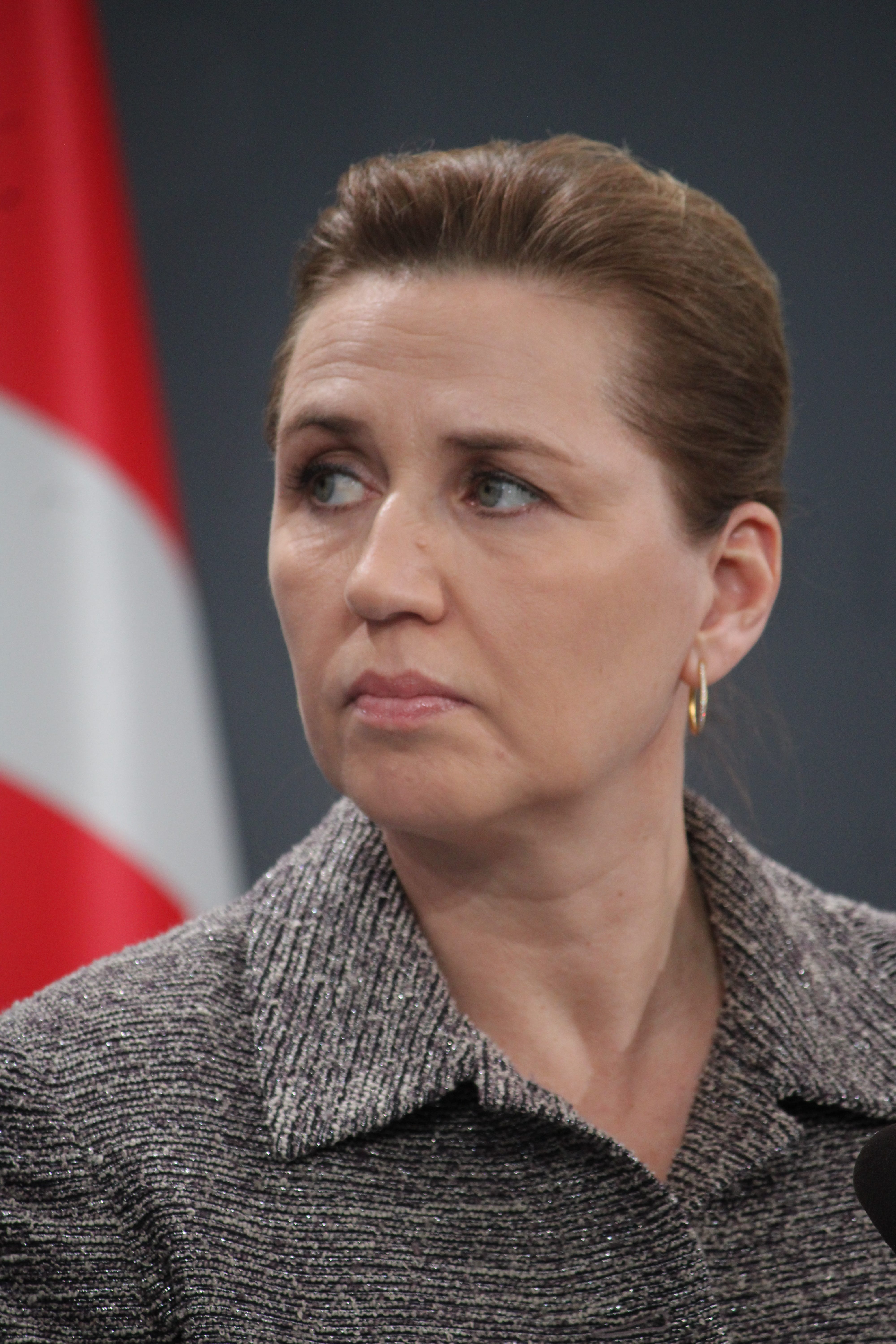
The deal marks a shift left after Frederiksen’s previous left-right alliance, but also underlines her weakened position. Her party recorded its lowest election score since 1903 while remaining the largest in parliament, and analysts said the difficulty of forming a government could affect its durability.
Frederiksen is expected to outline key policies, with Greenland diplomacy, defence spending, cost of living, pensions, a potential wealth tax and animal rights among the issues facing the coalition. Officials from Denmark, Greenland and the US are also discussing Arctic security.
Sources: FT, The Guardian
Restacking this post will help it reach more readers interested in the world.

Hungary’s government will seek to amend the constitution to remove President Tamás Sulyok after Prime Minister Péter Magyar said the Orbán-appointed head of state had refused to resign. Magyar’s Tisza party won an April election with a two-thirds parliamentary majority, giving it power to make sweeping changes to the political system built during Viktor Orbán’s 16 years in office.
The confrontation centres on whether Sulyok could obstruct the new government’s reform agenda. Although Hungary’s presidency is largely ceremonial, the office can sign legislation into law, send bills to the constitutional court, or refer laws back to parliament.
Magyar said lawmakers would begin the necessary procedures, a process he said would take about a month. Sulyok warned the move would deepen division and harm Hungary’s democratic reputation, while Orbán’s Fidesz party accused Magyar of issuing an unlawful ultimatum.
Sources: PBS, CNN

European Union lawmakers and governments have agreed new migration rules allowing member states to send people ordered to leave the bloc to centres in third countries. The provisional deal, which still needs formal approval, is designed to speed returns and give governments more deportation tools, while the European Commission says only about 20 percent of people ordered to leave currently depart.
The overhaul comes as EU policy tightens under pressure from right-wing parties, even though irregular arrivals fell 26 percent last year to their lowest level since 2021. Under the rules, rejected asylum seekers and others ordered to leave could be sent to return hubs in countries to which they have no connection.
Rights groups warned the rules could expand detention, deportations and home searches. The draft also extends detention periods, allows minors to be detained and introduces penalties for non-cooperation.
Sources: NPR, Reuters

The US State Department plans to reduce the number of embassies and consulates in Africa that process visa applications from almost 50 to 20 in the coming weeks. The directive, approved by Secretary of State Marco Rubio, is part of the Trump administration’s broader effort to tighten both immigrant and non-immigrant visa issuance.
The change means applicants in countries without a processing hub would have to travel to one of the approved sites, creating additional cost and logistical barriers. Non-hub consular sections would remain open for services including American citizen assistance, emergency requests, special national interest cases and diplomatic visas.
Visa processing in Africa has already been affected by travel bans on some countries, visa bond requirements of up to $15,000 and restrictions linked to the Ebola outbreak. The State Department said it was aligning resources with security screening and national interests.
Sources: Associated Press, Newsweek

Ghana’s parliament has passed a sweeping bill criminalising LGBTQ+ identity, activity, advocacy and support, with prison sentences ranging from three to 10 years. The legislation, which is expected to be signed by President John Dramani Mahama, would expand criminal liability beyond same-sex relations to include allies and those accused of promoting or funding LGBTQ-related activity.
Community groups say LGBTQ+ people are panicking, deleting online posts and fearing eviction, job loss or reduced access to healthcare. Leila Lariba, director of One Love Sisters Ghana, said the bill could affect where people live and whether they keep their jobs.
The bill includes exemptions for healthcare professionals and lawyers, but activists warned the stigma could still deter people from seeking help, including HIV testing or support over discrimination. A coalition led by Rightify Ghana is preparing a legal challenge.
Sources: The Guardian, Bloomberg

A divided US appeals court panel has ruled that a Pentagon policy illegally banned transgender troops from military service, finding that the Trump administration’s policy was designed to exclude people based on gender identity. The ban remains in effect because the Supreme Court allowed enforcement last year while litigation continues.
The ruling partially upheld a March 2025 decision by US District Judge Ana Reyes, who found that President Donald Trump’s executive order likely violated constitutional rights. The panel said the military should not remove current service members named in the lawsuit, but did not allow new transgender recruits to join.
Judge Robert Wilkins wrote that the policy appeared driven by a desire to harm a politically unpopular group. Defence Secretary Pete Hegseth signalled an appeal, writing: “See you at SCOTUS.”
Sources: Associated Press, CBS
Restacking or sharing this publication means more people can read it. Commenting extends the conversation. Liking shows your appreciation.
On this day …
On this day in 1964, the U.S. Senate voted to end debate on the Civil Rights Act after a lengthy
filibuster by opponents, clearing the way for the legislation’s eventual passage later that month.
The bill sought to prohibit discrimination based on race, colour, religion, sex or national origin and became one of the most significant pieces of civil rights legislation in American history.
The vote reflected years of activism, political pressure and legal challenges aimed at dismantling segregation. Its effects extended far beyond the United States, becoming a reference point for civil rights movements and anti-discrimination laws around the world.
What lessons from the civil rights era remain relevant in debates about equality today?
After meeting Trump the 1st time Mette Frederiksen, was almost crying.