


Russia Pounds Kyiv After Zelenskyy Warning (Conflict)
Ukraine War Casualties Top 2 Million (Conflict)
Europe’s China Trade Push Meets Heat Wave Reality (Europe)
Doha Talks Leave Hormuz Dispute Unsettled (Middle East)
UN Rule Change Averts Collapse For Now (World)
Germany Charges Ukrainian Over Nord Stream Blasts (Europe)
Trump Puts USMCA On Annual Review Track (North America)
AI Boom Drives Big Tech Emissions Higher (Environment)
China’s New Unity Law Draws Rights Alarm (China)
Amnesty Says RSF Committed Ethnic Cleansing (Africa)
A succinct daily briefing delivered each weekday to help you stay on top of the stories shaping the world.

Hours after Ukrainian President Volodymyr Zelenskyy warned of an imminent “massive Russian strike” and cut short a visit to Ireland, Russia hit Kyiv overnight with ballistic missiles and drones.
Journalists in central and eastern districts reported hearing more than a dozen explosions. Tymur Tkachenko, head of Kyiv’s military administration, said eight people were killed in attacks targeting about three dozen locations across the city, while Mayor Vitali Klitschko said 34 were injured.
Klitschko said people were trapped in a damaged nine-storey residential building and that a large part of a high-rise apartment block collapsed after a direct strike. Residents crowded into underground stations with sleeping mats as Zelenskyy said President Vladimir Putin was refusing to end the war and saw only further aggression.
Poland briefly scrambled fighter jets as a preventive measure before saying no airspace violation was recorded.
Sources: Al Jazeera, New York Times

More than two million Russian and Ukrainian troops have been killed, wounded or are missing since Russia invaded Ukraine in February 2022, according to a study by the Center for Strategic and International Studies.
The study said Russia has borne the heavier toll, with 1.4 million casualties, including 400,000 to 450,000 killed. Ukrainian forces were estimated to have suffered 525,000 to 625,000 casualties, including 125,000 to 150,000 deaths.
The study described the figures as a bleak milestone in a war still grinding on despite Russia’s losses. It said Russian forces lost more ground than they captured in both April and May, a net loss of roughly 400 square kilometres and their first monthly net losses since August 2024.

The study also said Russia’s monthly casualty rates this year probably exceeded its recruitment rates, suggesting the battlefield toll is rising faster than it can be replaced.
Sources: New York Times, The Guardian

Europe’s heat wave is colliding with its tougher China trade rhetoric, as demand for Chinese air conditioners rises across the continent. Chinese customs data showed exports of air-conditioning machines to France jumped 57% in May to about $26 million, while exports to Spain rose 41% to about $71 million. Roughly 40% of global air-conditioner exports come from China, and only about one-fifth of European households have an air conditioner.
That dependence sits alongside a wider reluctance inside the EU to escalate. Arianna Podestà, the commission’s deputy chief spokesperson, said Brussels was pursuing engagement through dialogue while seeking to restore balance in the trade relationship.
However officials and member states remain divided over how to respond to a trade deficit that exceeds €360 billion. One anti-coercion instrument that would allow tariff and non-tariff responses has never been used.
Sources: Wall Street Journal, Bloomberg

The United States and Iran concluded another round of indirect talks in Doha with no sign of headway towards a lasting peace, focusing instead on issues they said had been resolved when an interim agreement was announced two weeks ago.
Sources familiar with the discussions said negotiators spent two days discussing maritime traffic in the Strait of Hormuz and unfreezing Iran’s funds.
Qatar’s foreign ministry said the talks produced positive progress on issues related to the memorandum that halted the war in June. President Donald Trump said the sides were making progress on possible limits to Iran’s nuclear programme, though sources said the nuclear programme did not come up in the talks.
The status of the Strait of Hormuz remains unclear even as traffic has partially resumed, and Iran has repeatedly said it will assess tolls on shipping from mid-August.
Sources: Reuters, Al Jazeera

This week the U.N. General Assembly agreed to limit refunds for four years to states that actually paid their obligations, changing a rule that had forced the organisation to credit countries for unspent money even when they paid late or not at all. The U.N. said the change would save $900 million for peacekeeping operations and $400 million for its general budget, helping it avoid an imminent financial collapse.
The immediate pressure has eased, but the cash problem remains. Controller Chandramouli Ramanathan said the organisation had funds only through the end of August and was waiting for collections to survive beyond September.
The United States still has roughly $2 billion in outstanding regular budget dues, while China still owes about $430 million, and Secretary-General António Guterres said the agreement did not resolve the underlying problem of nonpayment and late payment.
Sources: Wall Street Journal, Bloomberg, UN
Restacking this post will help it reach more readers interested in the world.

German federal prosecutors have filed charges against a Ukrainian national over the 2022 explosions that severely damaged the Nord Stream gas pipelines in the Baltic Sea. The accused, identified in court documents as Serhii K, is a 50-year-old Ukrainian soldier from Kyiv. Prosecutors allege he led a team of seven accomplices in the operation and was in command of the sailing yacht Andromeda, from which the attack was allegedly carried out.
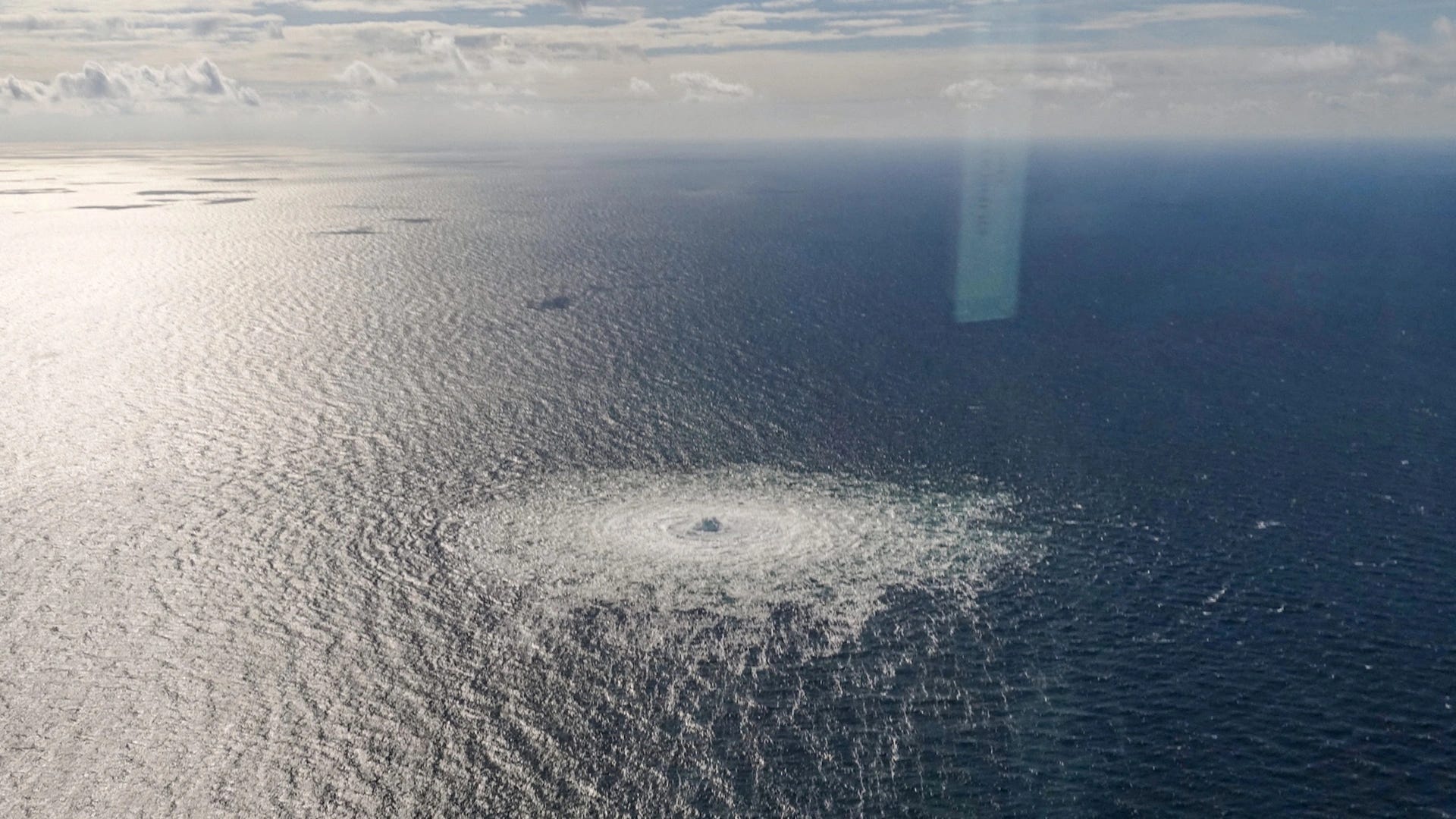
Serhii K was detained in Italy on a German arrest warrant in August 2025 and extradited to Germany in November 2025. He has denied involvement. His lawyer told Reuters he was confident his client would be acquitted.
Asked about the case in Dublin, Ukrainian President Volodymyr Zelenskyy said it was too early to comment in detail and that he had not officially received any details.
Sources: DW, Al Jazeera

The Trump administration declined on Wednesday to extend the U.S.-Mexico-Canada Agreement (sometimes known as NAFTA 2.0), keeping the trade pact in place for another 10 years with annual reviews before it expires unless the three countries renew it with changes.
U.S. Trade Representative Jamieson Greer said the United States did not agree to renew the USMCA in its current form and would continue to engage with Mexico and Canada over the agreement’s shortcomings and U.S. trade deficits.
The decision followed a six-year review and shifts the pact from a six-year renewal cycle to yearly scrutiny. Mexican Economy Minister Marcelo Ebrard said there was no difference between the three countries so large that it could not be resolved, while Canadian minister Dominic LeBlanc said discussions would continue to support North American prosperity and competitiveness. The USMCA underpins a highly integrated regional economy with about $1.6 trillion in annual trilateral trade.
Sources: The Guardian, Reuters

Amazon and Google reported sharp rises in greenhouse gas emissions as AI-driven data centre expansion pushed up energy demand. Amazon said emissions rose 16% from 2024 to about 81 million metric tons of carbon dioxide equivalent in 2025, driven by data centre construction and fuel used for deliveries. Google said its ambition-based emissions climbed 18% overall in 2025 and linked part of the increase to its expanding data centre portfolio.
The company reports highlight a wider energy problem around AI infrastructure. A report by the Environmental Integrity Project said 74 proposed or planned US gas-fired power plants intended to supply data centres directly could generate 143 gigawatts of electricity and produce 662 million tons a year of greenhouse gas emissions.
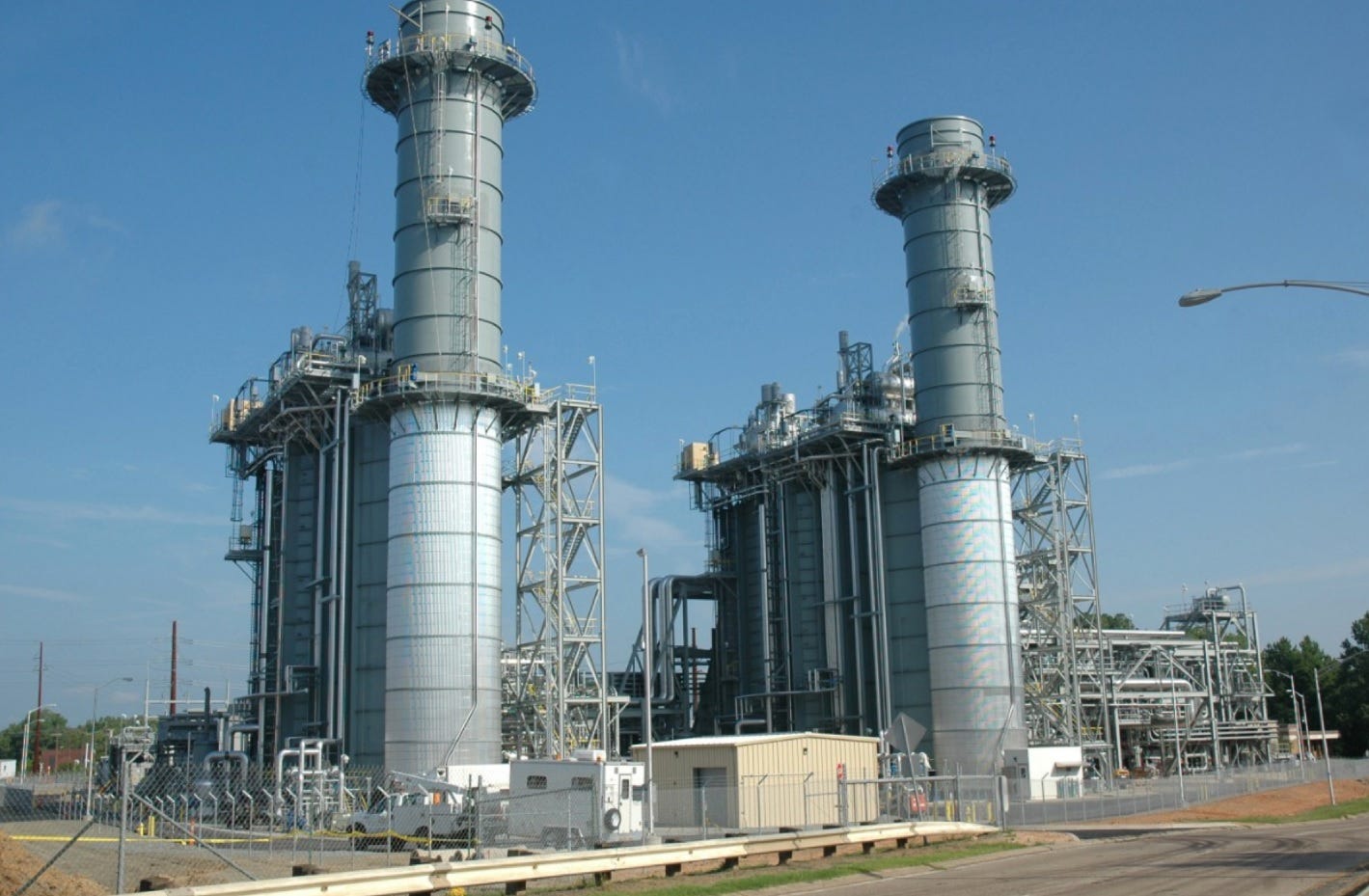
Amazon and Google said they remained committed to sustainability targets, but the data centre boom is making those goals harder to reconcile with rising power use.
Sources: Bloomberg, Reuters

A new ethnic unity law has come into effect in China despite warnings from Taiwan, the United Nations and rights groups that it could threaten freedoms, especially for minorities.
The law aims to forge a shared national identity among ethnic groups, including by strengthening the status of Mandarin as the official language, but critics say it will further erode the rights of Uyghurs, Tibetans and other minorities.
The legislation also allows people to be held liable for violating the law even when outside China, raising concern about wider overseas enforcement. U.N. rights chief Volker Turk said the law risks deepening restrictions on freedoms of language, education, practice of religion, culture, expression and assembly. Vice-minister of justice Hu Weilie defended the overseas enforcement clause as legitimate, lawful and necessary, while Taiwan said the law expanded threats and intimidation against its people and others.
Sources: The Guardian, Amnesty, CNN

Amnesty International said on Wednesday that Sudan’s Rapid Support Forces committed crimes against humanity and ethnic cleansing during their campaign to seize el-Fasher in North Darfur. The report said civilians in and around the city were killed, injured, beaten, tortured and detained between early 2024 and October 2025, and that the RSF’s crimes included murder, forcible transfer, imprisonment, torture, rape, sexual slavery, other forms of sexual violence, enslavement, extermination and persecution.
The rights group said the RSF besieged el-Fasher from May 2024 to October 2025, restricting food and humanitarian aid while shelling the city almost daily. Amnesty said the siege contributed to famine and that hundreds of civilians were executed, with many others tortured or detained, after the RSF’s final offensive on October 26, 2025.
Amnesty Secretary General Agnès Callamard said a nationwide ceasefire was immediately needed, along with an international force to protect civilians.
Sources: BBC, Amnesty, Al Jazeera
Restacking or sharing this publication means more people can read it. Commenting extends the conversation. Liking shows your appreciation.
On this day …
On this day in 1964, President Lyndon B. Johnson signed the Civil Rights Act into law, one of the most significant pieces of legislation in modern American history.
The Act prohibited discrimination based on race, colour, religion, sex or national origin, outlawed segregation in many public places and strengthened the federal government’s ability to enforce equal rights.
It represented the culmination of years of activism, protest and political negotiation during the civil rights movement.
While the legislation transformed American public life, it also demonstrated that lasting social change often requires both public pressure and political leadership.
How much can legislation alone change society?
Meanwhile isn't Amazon contributing to greenhouse gases too ?