


Trump Signals Talks as US Military Pressure Builds on Iran
Rafah Crossing To Reopen With Limited Gaza Travel
Israel Moves To Bar MSF Operations In Gaza
Pakistan Says 145 BLA Fighters Killed In Balochistan
Medvedev Praises Trump, Doubts US Submarine Claim
Mandelson Quits Labour After Fresh Epstein Payment Claims
New START Expires, Raising Arms Race Risks
War Watch Says Humanitarian Law Is At A Critical Breaking Point
Japan PM Takaichi Set For Landslide Election Victory
Costa Rica Elects Laura Fernández on Tough Anti Crime Platform

Donald Trump said Iran was talking to the United States and hinted that a deal could avert military strikes, as Washington deployed a naval battle group led by the USS Abraham Lincoln off Iran’s shores. The comments followed US threats to intervene after Iran’s crackdown on anti-government protests, while Trump declined to say whether he had decided on military action.
Trump said Tehran was “seriously talking” to Washington and should negotiate a deal preventing Iran from acquiring nuclear weapons. He warned that time was running out, but said he did not know whether an agreement would be reached. Regional allies were not briefed on US plans, he added, citing security concerns.
Iran’s supreme leader, Ayatollah Ali Khamenei, warned that any US attack would trigger a regional war, while Iranian officials said they were prepared to negotiate but also ready for conflict. Qatar and other regional states have sought to de-escalate tensions amid fears of wider confrontation.
Sources: The Guardian, FT

Israel said Gaza’s Rafah crossing with Egypt will reopen in a limited pilot phase on Monday, with a test under way on Sunday. COGAT said the crossing will reopen in both directions for Gaza residents on foot only, coordinated with Egypt and the European Union. Limited numbers of people, and no cargo, will be allowed to cross at first.
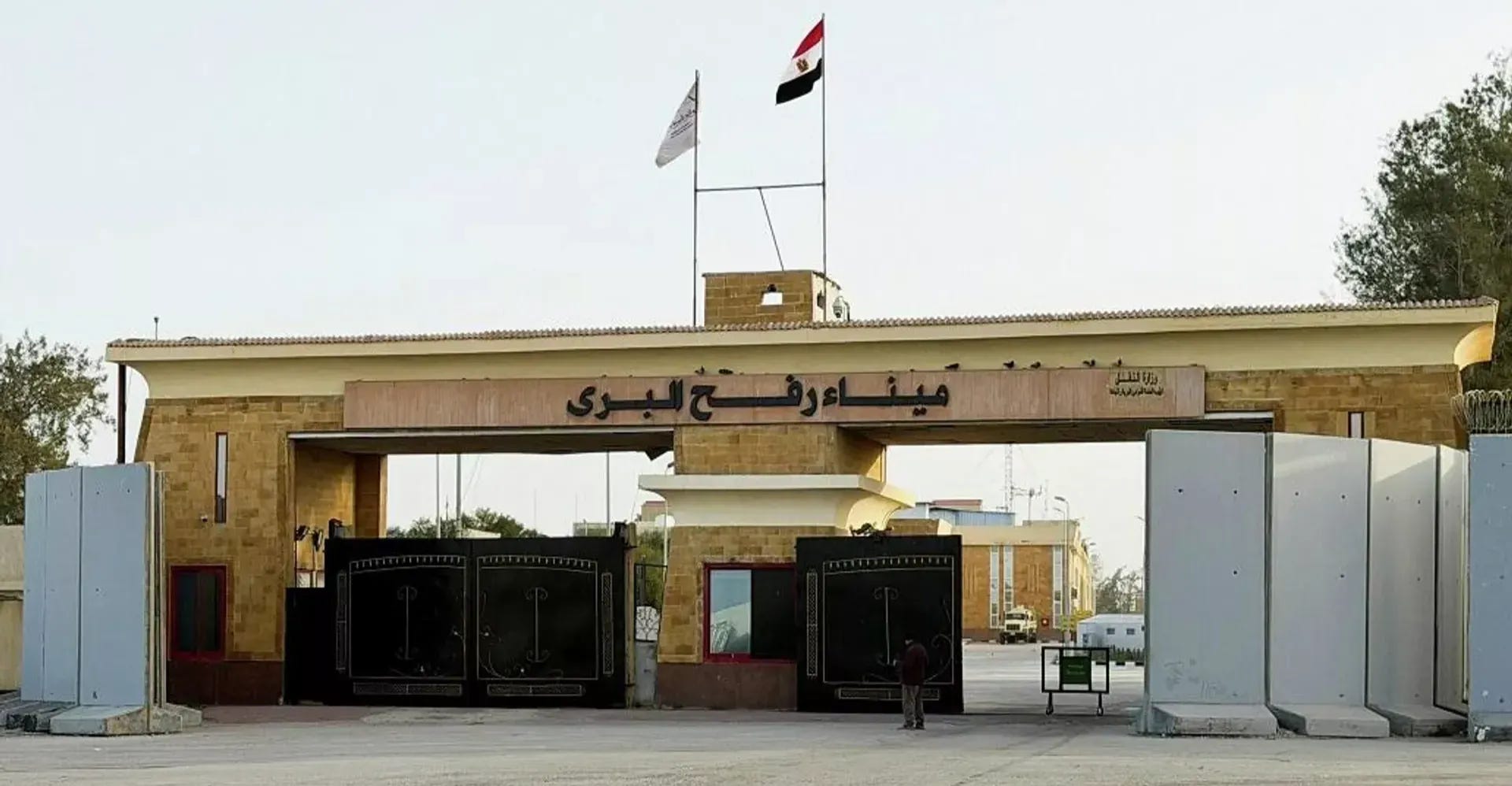
Prime Minister Benjamin Netanyahu has said Israel will allow 50 patients needing medical evacuation to leave daily. An official involved in the discussions said each patient can travel with two relatives, while 50 people who left Gaza during the war can return each day. The Gaza Health Ministry’s documentation department said it had not been notified about the start of medical evacuations.
Meanwhile Israeli strikes killed at least 30 Palestinians on Saturday, one of the highest death tolls since the ceasefire began on Oct. 10.
Sources: Al Jazeera, Associated Press

Israel says it will terminate the activities of Médecins Sans Frontières in Gaza after the medical charity refused to provide a full list of its Palestinian and international staff. The decision follows new registration requirements imposed on 37 aid organisations, which Israeli authorities say are intended to prevent infiltration by armed groups.
MSF said it declined to hand over staff details without assurances the information would be used only for administrative purposes and would not put employees at risk. Israel said it was moving to end the organisation’s operations after what it described as a failure to comply with rules applied to all humanitarian groups.
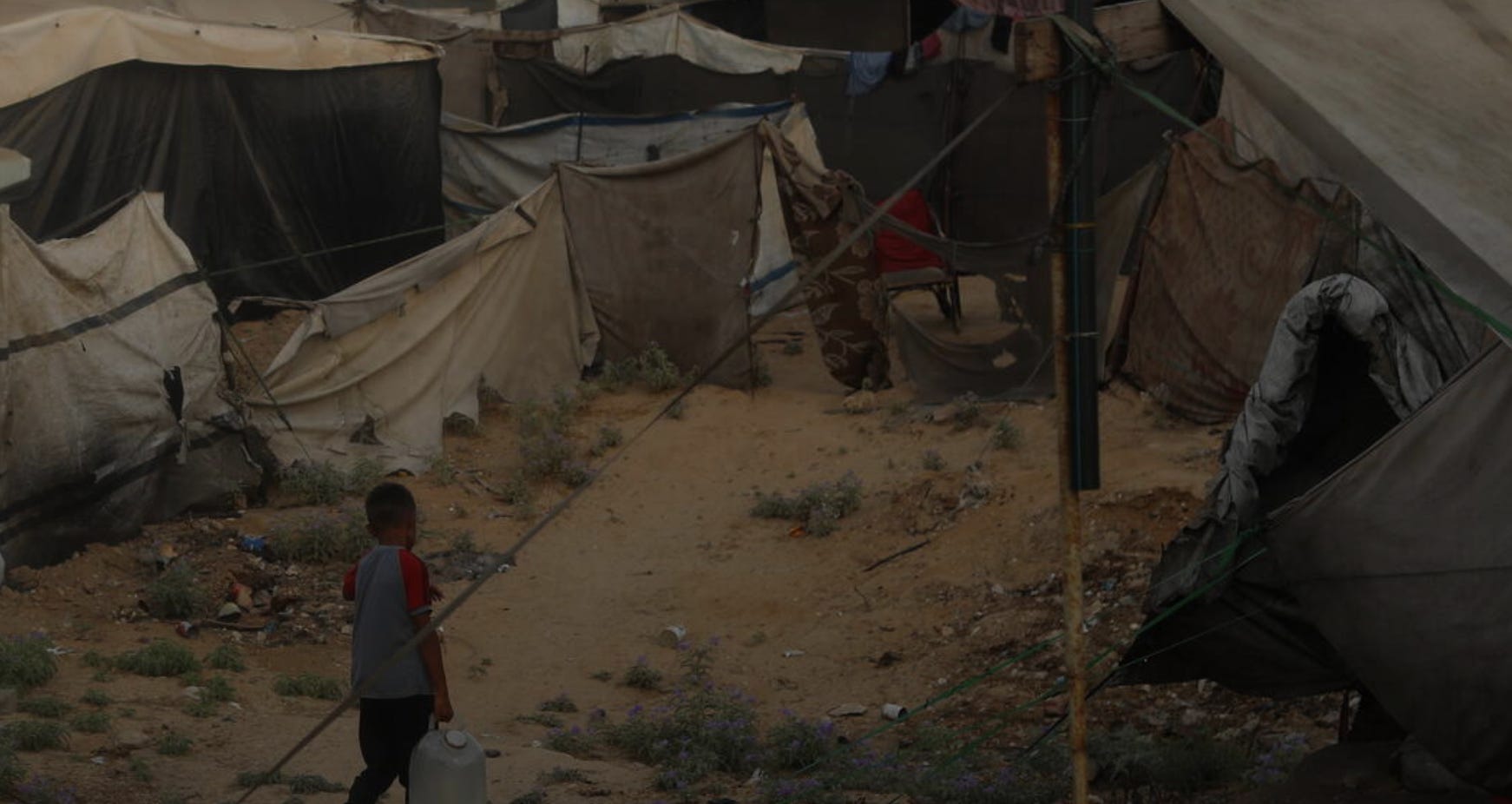
The charity says it currently provides at least 20 percent of hospital beds in Gaza, operates around 20 health centres, and carried out more than 800,000 medical consultations in 2025. Aid officials warned the move would have major negative consequences for healthcare access in the territory.
Sources: BBC, Al Jazeera

Pakistani security forces said they killed at least 145 fighters in Balochistan during a manhunt launched after coordinated gun and bomb attacks across the province. The attacks began early Saturday at multiple locations and left 31 civilians, including five women, and 17 security personnel dead.
Sarfraz Bugti, the provincial chief minister, said troops and police responded swiftly, killing 145 members of “Fitna al-Hindustan”, a phrase the government uses for the banned Balochistan Liberation Army. He said some of the bodies were Afghan nationals and claimed the attackers wanted to take hostages but failed to reach the city centre.
Bugti also accused India and Afghanistan of backing the assailants, allegations both New Delhi and Kabul deny.
Sources: Al Jazeera, Associated Press

Dmitry Medvedev praised Donald Trump as an effective leader seeking peace, while questioning Trump’s claim that two US nuclear submarines were moved closer to Russia. Medvedev said Moscow had seen no trace of the submarines and argued that what looks like chaos in Trump’s actions reflects a conscious and competent line of approach.
Medvedev said a new round of US-Russian-Ukrainian talks is scheduled this week in Abu Dhabi and that contacts with Americans have become much more productive.
He said Russia would soon win military victory in the Ukraine war but that the goal of victory is to prevent new conflicts. Russia controls a fifth of Ukraine, but has so far been unable to take the whole of the eastern Donbas region, where Ukrainian forces hold about 10%.
Sources: Reuters, Al-Ahwaz

Former Ambassador Peter Mandelson said he has resigned from the UK Labour Party to avoid causing “further embarrassment” over his friendship with Jeffrey Epstein. The move followed documents released by the US Department of Justice on Friday that appeared to show payments totalling $75,000 to accounts linked to Mandelson in 2003 and 2004.
Mandelson said he has no record or recollection of receiving the alleged payments and did not know if the documents were authentic. He said the allegations needed investigating by him and that he wrote to Labour’s general secretary, Hollie Ridley. A Labour spokesperson said complaints are investigated in line with party rules.
Mandelson was sacked as ambassador to Washington in September after emails emerged showing supportive messages to Epstein while Epstein faced charges for soliciting a minor in 2008. Earlier this month, Mandelson said he was wrong to have continued the association and apologised “unequivocally” to Epstein’s victims.
Sources: Politico, The Guardian

The New START treaty, the last legal check on the size of US and Russian deployed nuclear weapons, terminates on February 5. Without it, there would be no constraints on long-range nuclear arsenals for the first time since 1972.
Signed in 2010 and extended in 2021, it caps each side at 1,550 deployed strategic warheads and limits delivery systems to 700. New START also required inspections, data exchanges and notifications. Inspections were put on ice during the Covid-19 pandemic and stopped when Vladimir Putin suspended Russia’s participation in 2023.
Putin has proposed that both sides voluntarily stick to existing limits for one more year, but Donald Trump has yet to formally respond and has said the treaty should be replaced with a better one.
Experts warn each side would act on worst-case assumptions about what the other is producing, testing and deploying, while China’s growing arsenal complicates efforts to bring Beijing into any new agreement.
Sources: FT, Reuters

The Geneva Academy of International Humanitarian Law and Human Rights says international humanitarian law is at a critical breaking point after surveying 23 armed conflicts between July 2024 and the end of 2025. The study concludes the number of civilians killed in the conduct of hostilities in 2024 and 2025 was well over 100,000 in each year, alongside torture and rape committed with near impunity.
In Gaza, it records 18,592 children and about 12,400 women killed by the end of 2025. In Ukraine, it records 2,514 civilians killed in 2025, a 70% increase on 2023, and documents drone attacks deliberately targeting civilians.

The authors argue the gap between treaty obligations and practice is widening, and propose safeguards including a ban on arms sales where there is a clear risk of serious violations, restrictions on certain munitions in populated areas, and ensuring the systematic prosecution of war crimes.
Source: The Guardian, Université de Gèneve

Japan’s Prime Minister Sanae Takaichi appears poised for a decisive victory in next week’s lower house election, according to opinion polls that point to a strong mandate for her expansionary economic agenda. A survey by the Asahi newspaper suggests her Liberal Democratic Party is on track to well exceed the 233-seat majority threshold, with the ruling coalition potentially approaching 300 seats.
Such a result would significantly strengthen Takaichi’s grip on power after she dissolved parliament and called a snap election for February 8. She is seeking public backing for policies focused on increased government spending and tax cuts, including a temporary suspension of the consumption tax on food.
Markets have reacted cautiously, with Japanese government bond yields rising as investors price in the likelihood of looser fiscal policy. While the opposition Centrist Reform Alliance is struggling in the polls, uncertainty remains, with a sizeable share of voters still undecided ahead of the vote.
Sources: Reuters, Bloomberg

Costa Rica has elected Laura Fernández as president after she secured a first round victory driven by voter anxiety over surging violence. Preliminary results showed Fernández winning nearly half of the vote, well ahead of her closest rival, crossing the threshold needed to avoid a runoff. At 39, she becomes the country’s second woman president.
Fernández ran as the chosen successor of outgoing president Rodrigo Chaves, capitalising on his popularity and promising tougher action against crime. Once regarded as the most peaceful country in Central America, Costa Rica has recorded nearly 900 homicides each year since 2023, around 50 percent higher than before Chaves took office.
Her win keeps Chaves’s populist movement in power and reflects a wider regional shift as security dominates elections. Fernández has pledged measures inspired by El Salvador’s crackdown on gangs, while critics warn her approach risks eroding democratic checks and balances in a country long seen as one of the region’s most stable democracies.
Sources: New York Times, France 24
On this day ….
On this day in 1970 the United States Environmental Protection Agency formally began operations consolidating federal responsibility for air, water, and chemical regulation under a single authority.
Created amid rising public concern over pollution, industrial waste, and environmental health, the agency marked a shift in how governments treated environmental damage - not as a local nuisance, but as a national policy problem.
Over time, the EPA became a model for environmental regulators worldwide, even as its authority has repeatedly been challenged or narrowed.