


Trump Speech Signals No Clear Iran War End
Trump Weighs Nato Exit As Iran War Strains Alliance
Macron And Japan Push Ceasefire In Hormuz Crisis
Starmer Turns To Europe As Iran War Pressure Grows
Albanese Urges Calm As Fuel Shock Hits Australia
Global Lenders Launch Joint War Response Group
Japan Deploys Missiles As Chinese Fleet Enters Sea of Japan
US Drops Sanctions On Delcy Rodriguez
First UN Troops Arrive In Haiti Ahead Of Vote
Kyiv Rejects Russian Claim On Full Luhansk Control
In a prime-time address on the Iran war, Donald Trump repeated long-standing claims that US military objectives were “nearing completion” but gave no timeline for ending the conflict and made no reference to negotiations. Analysts had expected either escalation or an exit signal, yet the speech largely restated arguments he has circulated for weeks.
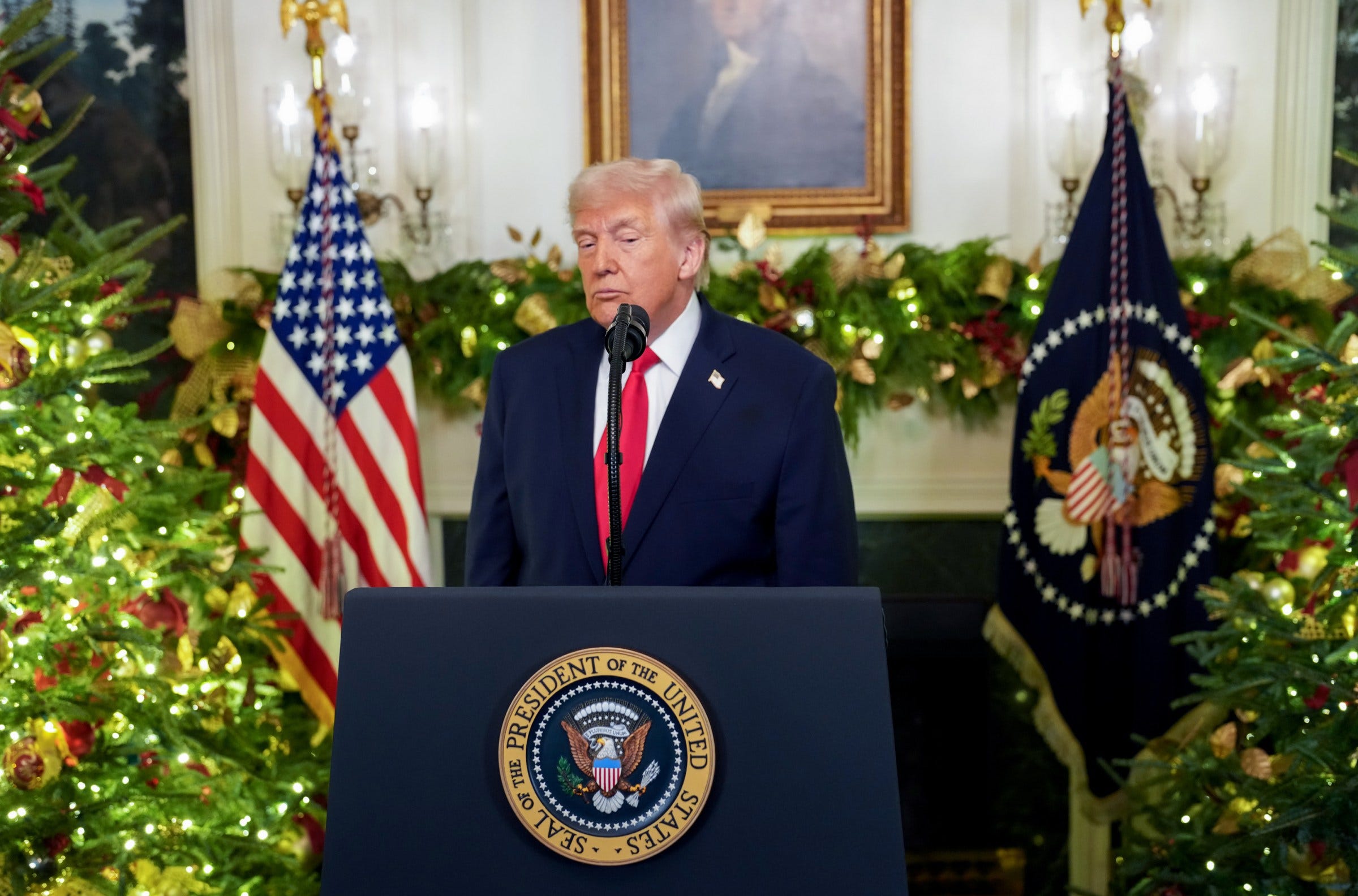
Markets reacted quickly after Trump warned the US would hit Iran “extremely hard” and “send them back to the Stone Age” over the next two to three weeks. Brent crude rose to $106.42 and West Texas Intermediate reached $104.21 while US and Asian equity futures fell about 1 percent and regional indexes in Japan and South Korea declined.
Trump also acknowledged petrol prices above $4 per gallon as Iran partially closed the Strait of Hormuz, a route carrying about a fifth of global oil supply. He urged countries dependent on Gulf energy to secure the passage themselves and renewed threats to strike Iran’s electricity infrastructure if no deal emerges.
Sources: Al Jazeera, Mercopress

Donald Trump stepped up his attack on Nato on Wednesday, saying he was “absolutely” considering withdrawing the United States after allies refused to join the US-Israeli war on Iran. He also suggested to a British newspaper that leaving the alliance was “beyond reconsideration”, widening a transatlantic rift as European governments resisted military involvement.
In his evening address on the war, Trump did not mention Nato by name, but said countries dependent on oil flowing through the Strait of Hormuz should secure the route because the United States would not. European leaders meanwhile reaffirmed support for the alliance, with Keir Starmer calling it the world’s most effective military alliance.
Congress has already passed legislation requiring approval before any president can pull the US out of Nato, underlining the legal and political obstacles to a formal withdrawal.
Sources: Associated Press, The Guardian
French President Emmanuel Macron called for a ceasefire in the Middle East during talks in Tokyo with Japanese Prime Minister Sanae Takaichi on Wednesday. The two leaders said they shared a belief in international law and democratic values, and both backed a return to peace, calm and free passage through the Strait of Hormuz. Takaichi said they agreed on the need to de-escalate quickly, protect navigation and maintain stable supplies of essential goods.
The visit came as Donald Trump said countries using the strait should keep it open and criticised France as “very unhelpful”. Macron did not mention Trump, but said France had not been consulted and was not part of the military offensive. He also praised Europe’s “predictability” at a time when some countries could make decisions that hurt partners without informing them. Japan, which depends on the Middle East for 95 percent of its oil imports, has dipped into stockpiles as prices rose.
Sources: Euronews, Associated Press
Keir Starmer said the UK would seek closer economic and security ties with the European Union as the Iran war increases pressure on Britain’s economy and foreign policy. Speaking on Wednesday, the prime minister said a summit with the EU later this year would be used to pursue stronger cooperation on defence, security, energy, emissions and the economy.
He said the conflict had made this more urgent, pointing to the need for closer partnership with European allies as the world grows more volatile. Starmer also said support for households would be kept under review, with the impact depending on how long the conflict lasts and how quickly the Strait of Hormuz can be reopened.
The move comes as relations with Washington have become more strained after Britain refused to be drawn further into the war. Starmer said the UK remained fully committed to Nato, but repeated that the conflict was not Britain’s war and that the country would not be dragged into it.
Sources: BBC, ABC

Australian Prime Minister Anthony Albanese used a rare national address on Wednesday to warn that the economic shock from the Iran war would be felt in Australia for months, as fuel prices surge and the government moves to conserve supplies. He said Australia was not an active participant in the war, but that households were already paying higher prices because of it.
Albanese urged motorists not to panic or hoard fuel and asked commuters to switch to trains, buses or trams where possible so supplies could be preserved for farmers, miners and other essential industries. He said no government could fully shield Australians from global pressures, with the effective closure of the Strait of Hormuz driving sharp rises in petrol and diesel prices.
The government has announced temporary relief measures including halving fuel excise, scrapping road user charges for heavy vehicles for three months and seeking to boost imports through regional partners under a National Fuel Security Plan.
Sources: New York Times, BBC

The heads of three major international institutions, the IEA, the IMF and the World Bank, said on Wednesday they would form a coordination group to respond to the economic and energy impact of the Middle East war, as disruption spreads across markets and supply chains. The group will monitor developments, align analysis and coordinate support to policymakers, while also assessing country-level impacts and potential financing needs.
The institutions said the conflict had caused one of the largest supply shortages in global energy market history and was already pushing up oil, gas and fertiliser prices. They also warned of concern over food prices, pressure on global supply chains and wider strain on currencies, inflation expectations and growth, with energy importers and low-income countries facing disproportionate risks.
The response could include policy advice, financial support including low or zero-percent financing, and other risk mitigation tools for countries in need.
Sources: Reuters, Bloomberg, IMF
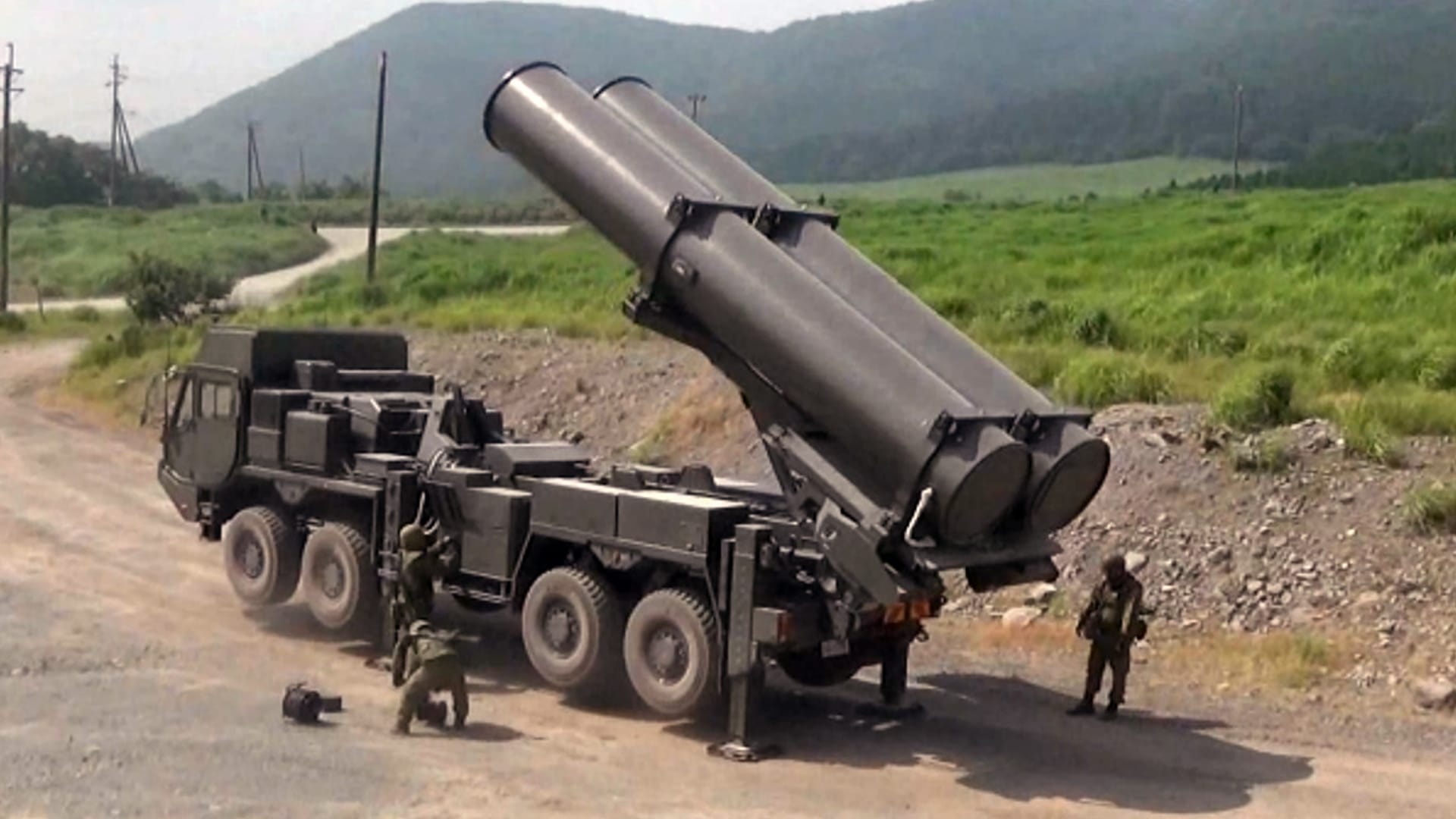
Japan has operationally fielded its first batch of Type 25 long-range strike missiles, with surface-to-ship systems deployed in Kyushu and hypersonic variants stationed at Fuji, as tensions with China sharpen. The deployments give Japanese forces the ability to strike targets over 1,000 kilometres away, while future hypersonic variants are planned to extend range to between 2,000 and 3,000 kilometres.
As Tokyo completed the deployment on Tuesday, a Chinese naval flotilla entered the Sea of Japan after crossing the Tsushima Strait, according to Tokyo. Japan’s defence ministry said the group included five PLA Navy vessels, among them the Lhasa destroyer, two Type 052D destroyers, an intelligence collector and a replenishment ship.
China condemned the missile deployment as “neo-militarism” and said it exceeded Japan’s exclusively defensive stance. Japan described the new systems as important to enhancing deterrence and response capabilities amid growing regional tension.
Sources: South China Morning Post, USNI

The United States lifted sanctions on Delcy Rodriguez on Wednesday, easing restrictions that had barred US-based entities from doing business with her and marking another step in Washington’s growing engagement with Venezuela’s acting president. Rodriguez welcomed the move and said it could help normalise and strengthen relations between the two countries.
The decision follows a broader shift in US policy since the January 3 removal of Nicolas Maduro, after which Rodriguez began leading cooperation with Washington’s plan to turn the country around. The sanctions relief also allows her to work more freely with US companies and investors.
Washington has already eased restrictions on major Venezuelan industries. In March, the Treasury authorised direct oil sales by the state-owned oil company to US companies and on global markets. Rodriguez, who had been under US sanctions since 2018, has also moved to open Venezuela to greater outside investment, including in its oil reserves.
Sources: South China Morning Post, Al Jazeera
The first foreign troops from the new UN-backed Gang Suppression Force arrived in Haiti on Wednesday, marking the start of a deployment intended to address escalating gang violence before the country’s planned election. The advance team came from Chad, and Jack Christofides, a South African UN official appointed as Special Representative of the force, also arrived in Port-au-Prince.

The force is expected to grow to 5,500 personnel and was approved last year with a mandate to help confront gangs that have expanded their reach across the country. Unlike the earlier Kenyan-led mission, which supported local police, the new force is empowered to make arrests in Haiti.
Its arrival comes as Haiti prepares for a first round of voting in August after years of delays. Armed groups control much of Port-au-Prince, and the UN has reported thousands of gang-related deaths and more than 1.5 million people forced from their homes.
Sources: Reuters, Al Jazeera

Ukraine on Tuesday denied Russia’s claim that its forces had fully captured Luhansk Oblast, saying a small area in the region remains under Ukrainian control. Russia’s defence ministry said its troops had completed the occupation of the region, but Ukrainian officials and military units rejected that account and described it as propaganda.
A spokesperson for Ukraine’s Joint Forces said there were no changes to report and that small positions in Luhansk had been held for a long time. Ukraine’s Third Assault Brigade said its troops remained in the region and were holding the last lines of defence there. Battlefield monitoring cited in the source material also showed the relevant settlements as unoccupied as of April 1.
The dispute came as diplomatic efforts remained stalled and Ukrainian President Volodymyr Zelenskyy prepared for talks with US envoys. Russia has continued to demand that Ukraine withdraw from the wider Donbas region as a condition for progress towards a deal.
Sources: Kyiv Independent, PBS
On this day …
On this day in 1982, Argentine forces landed on the Falkland Islands, beginning a ten-week conflict with the United Kingdom over sovereignty in the South Atlantic.
The invasion triggered a rapid British military response and drew international attention to the strategic importance of maritime territory and overseas dependencies.
The conflict reshaped domestic politics in both countries and reinforced the continuing relevance of territorial disputes even late in the Cold War period.
Why do geographically remote territories continue to carry such political weight decades after decolonisation?
☀️ thank you ☀️