


Trump Plans Extended Blockade Of Iran (Conflict)
Vance Questions Pentagon View Of Iran War (US)
Trump Approval Falls As Iran War Costs Bite (Politics)
King Uses Congress Speech To Steady Ties (Diplomacy)
Trump And Merz Clash Over Iran War (Politics)
Comey Charged Over Seashell Post (US)
UAE Exit Weakens OPEC Oil Leverage (Markets)
US Ties UN Dues To China Curbs (Diplomacy)
Mali’s Leader Appears As Russia Claims Coup Halted (Conflict)
EU Warns Israel Over Alleged Stolen Grain Trade (Diplomacy)
A succinct daily briefing delivered each weekday to help you stay on top of the stories shaping the world.

President Donald Trump has instructed aides to prepare for an extended blockade of Iran, continuing efforts to squeeze its economy and oil exports by preventing shipping to and from its ports after judging that resuming bombing or walking away carried greater risks.
The strategy aims to force Tehran to dismantle its nuclear work while preserving what the White House described as maximum leverage during stalled negotiations. Officials said the blockade is straining Iran’s ability to store unsold oil and has followed an earlier ceasefire that opened limited diplomatic space but left talks without agreement.
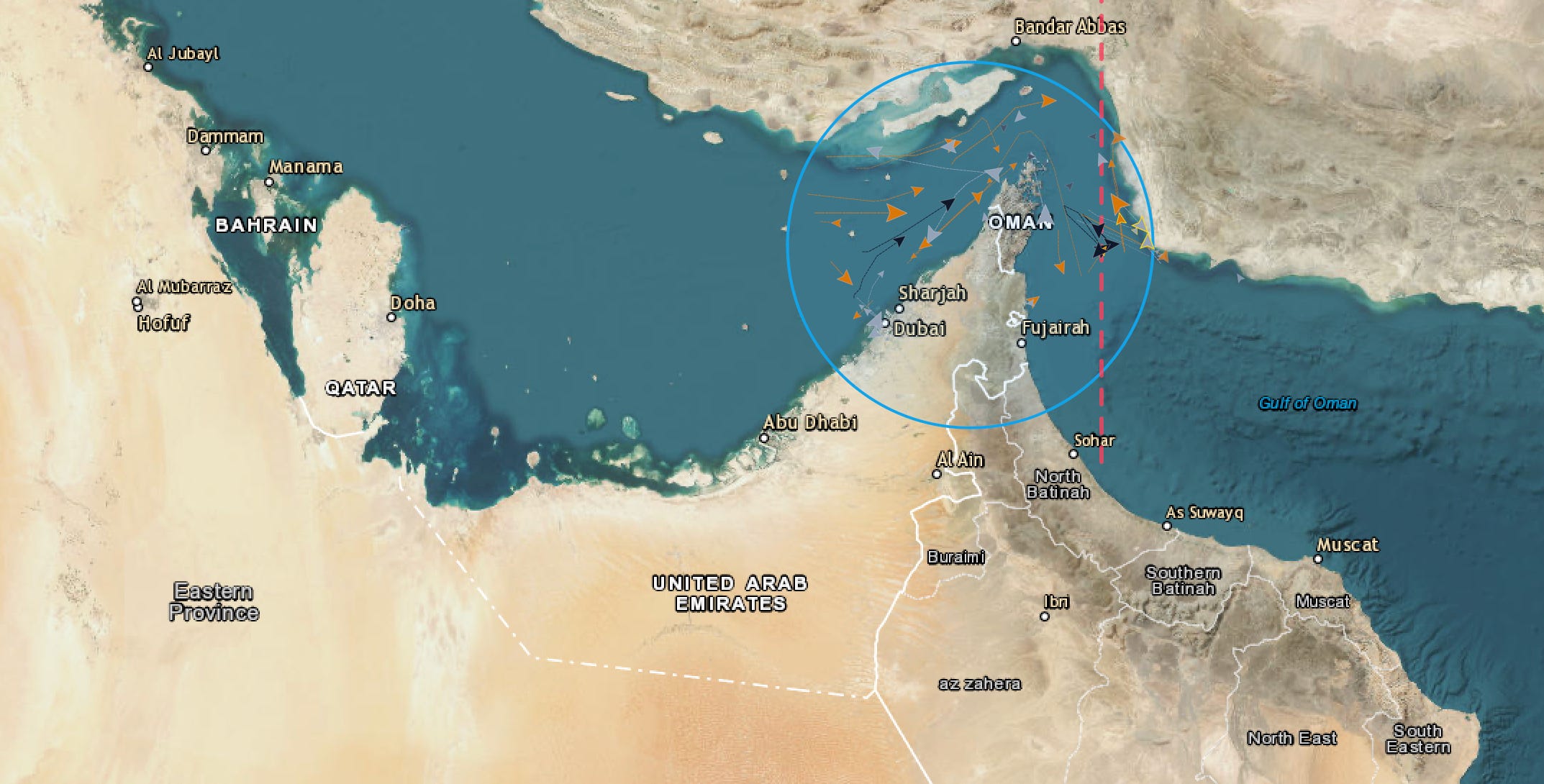
Continuing the blockade has contributed to the lowest number of transits through the Strait of Hormuz since the war began and commits US forces to a longer regional deployment with no guarantee of concessions. Iran has proposed reopening the strait while delaying nuclear issues, but both sides appear to believe time is on their side as mediators await a revised offer.
Sources: Wall Street Journal, Anadolu Agency

Vice President JD Vance has repeatedly questioned whether the Pentagon is giving President Donald Trump accurate information about the Iran war, including weapons stockpiles and the damage inflicted on Tehran’s military.
His concerns focus on whether optimistic assessments from Defense Secretary Pete Hegseth and Gen. Dan Caine match internal intelligence and munitions data. Those assessments reportedly show Iran retains significant air, missile and naval capabilities, while external analysis said the United States may have used more than half of its prewar stock of four key munitions.
Vance has framed the questions as his own rather than accusing Pentagon leaders of misleading Trump, but the concerns expose tension inside the administration over the war’s resource costs. Officials and advisers said depleted missile reserves could affect future US operations involving China, North Korea or Russia, even as Trump has described key weapons stockpiles as virtually unlimited.
Sources: The Independent, Times of India

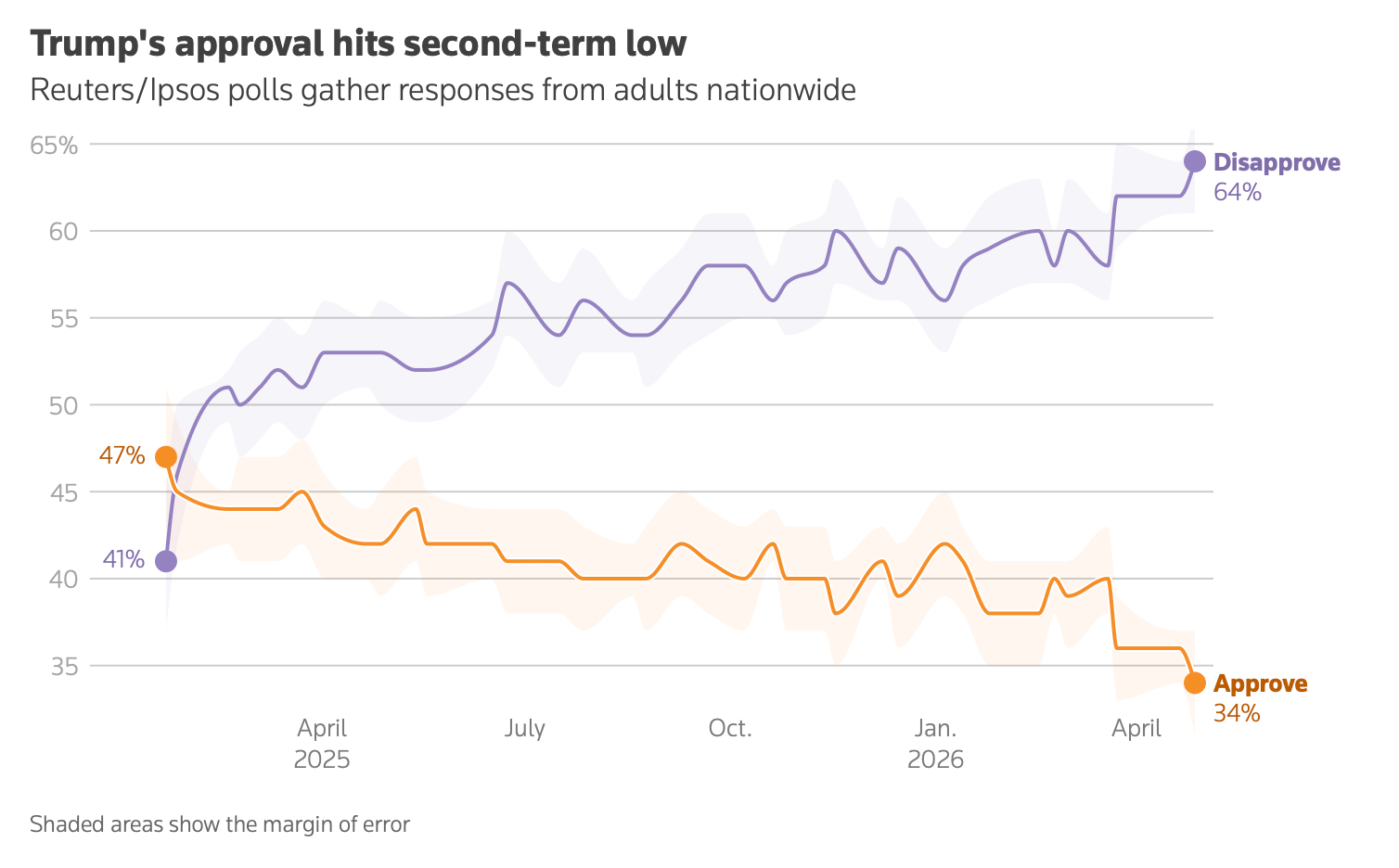
President Donald Trump’s approval rating has fallen to 34 percent, the lowest level of his current term, as Americans sour on his handling of the cost of living and the war with Iran.
The new poll found only 22 percent approved of Trump’s performance on the cost of living, while 34 percent approved of the US conflict with Iran. Gasoline prices have risen more than 40 percent to about $4.18 a gallon since the United States and Israel launched attacks on Iran on February 28, after Iran’s threats and the disruption of Persian Gulf shipments tightened energy supplies.
The political cost is also spreading inside Trump’s coalition. Although 78 percent of Republicans still back him, 41 percent disapprove of his handling of living costs, while independent registered voters favoured Democrats by 14 points for November’s congressional elections.
Sources: Reuters, The Independent

King Charles III addressed a joint meeting of Congress in Washington, becoming the first British king to do so nearly 250 years after the United States declared independence from George III.
The speech mixed humour with carefully chosen references to shared British and American history, drawing standing ovations and laughter from lawmakers on both sides of the aisle. Charles joked about “A Tale of Two Georges” and reassured Congress that he was not pursuing a “cunning rear-guard action”.
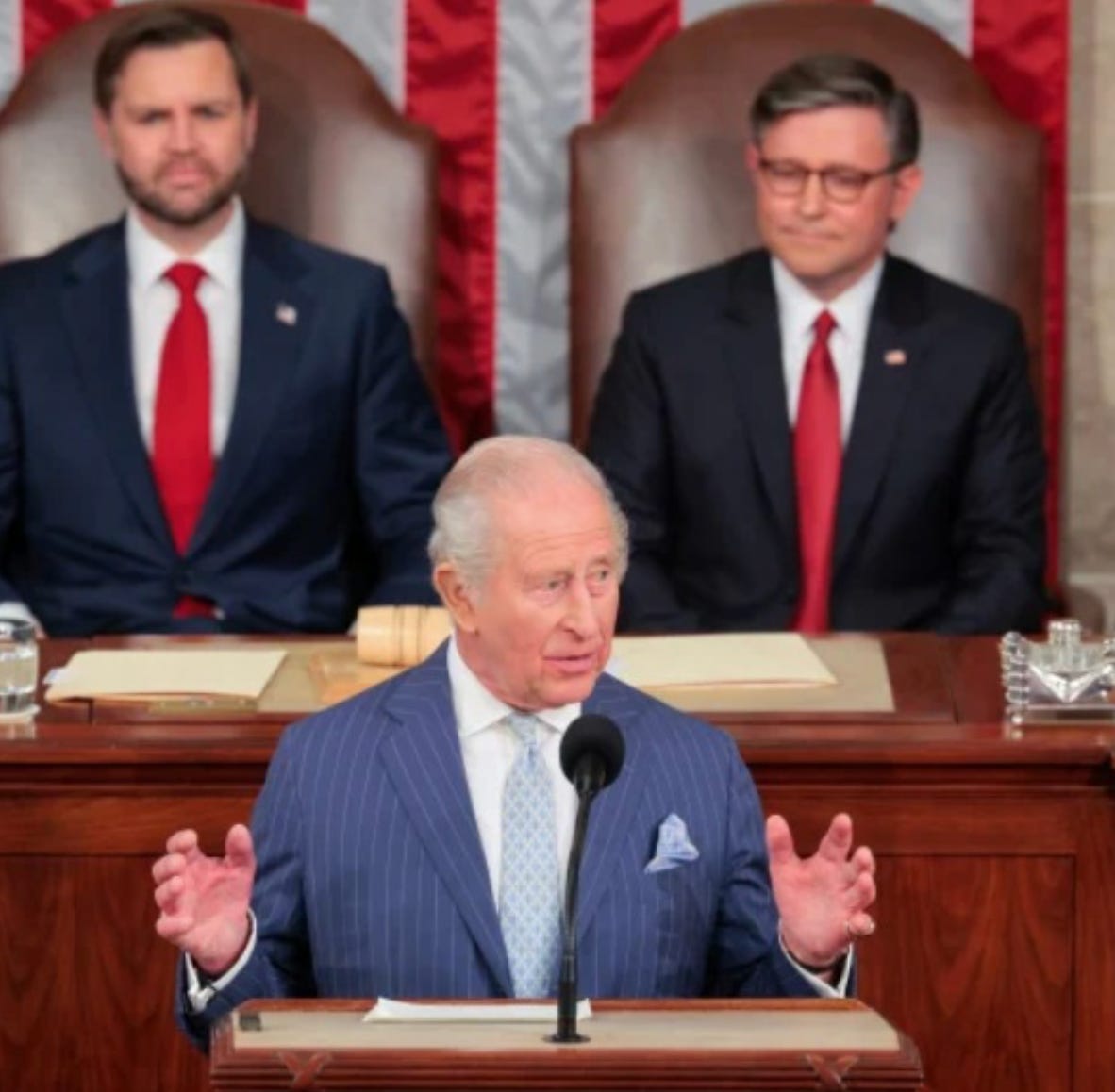
Beneath the wit, the address carried a diplomatic purpose during a strained period in American-British relations. Charles referred to Magna Carta, checks and balances, thoughtful debate, Nato’s post-9/11 article 5 invocation and the defence of Ukraine, using soft power to emphasise democratic institutions, alliance memory and the long arc of the special relationship.
Sources: New York Times, The Guardian

President Donald Trump criticised German Chancellor Friedrich Merz after Merz said the United States had been “humiliated by the Iranian leadership” and had no convincing strategy in negotiations with Tehran.
Trump wrote that Merz “doesn’t know what he’s talking about” and said Iran having a nuclear weapon would hold the whole world hostage. He defended the war as necessary, while Merz called the campaign ill-considered and warned that conflicts require not only getting in, but getting out.
The clash exposes widening strain between Washington and European allies over the US-Israeli war on Iran. Trump has criticised Europe’s reluctance to support the conflict or help reopen the Strait of Hormuz by force, while European officials have argued that Europe has no interest in an open-ended war even as its interests remain directly at stake.
Sources: Al Jazeera, Politico

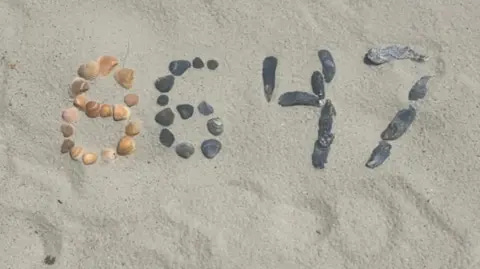
Former FBI Director James Comey has been indicted over an Instagram post showing seashells arranged as “86 47”, which President Donald Trump and allies said represented a threat against the 47th president.
A federal grand jury in North Carolina charged Comey with threatening to kill or injure Trump and transmitting the threat in interstate commerce. Comey has said he did not understand “86” to suggest violence and deleted the post after saying he assumed the shells were a political message. Responding to the charges, he said he was still innocent, not afraid and believed in the independent federal judiciary.
Acting Attorney General Todd Blanche said threats against the president would not be tolerated, while FBI Director Kash Patel said Comey knew the consequences of such a post. Some legal experts called the case thin and raised free-speech concerns.
Sources: BBC, Politico

The United Arab Emirates said it will leave OPEC and the wider OPEC+ group effective May 1, removing the cartel’s third-largest producer and further weakening its leverage over global oil supplies and prices.
The decision follows years of tension over production quotas, with the UAE having pushed back against limits it felt were too low after investing heavily in expanded energy capacity. The country said the move reflected its long-term strategic and economic vision, evolving energy profile and accelerated investment in domestic production.
The immediate market impact may be limited because the war in Iran has sharply constrained supplies and closed the Strait of Hormuz, through which one-fifth of global oil supplies is transported. But the departure removes one of OPEC’s few members able to quickly increase production, while also exposing deeper Saudi-UAE strains over regional politics and economic competition.
Sources: Associated Press, Washington Post

The United States has set conditions for releasing billions of dollars it owes to the United Nations, including cost-cutting, peacekeeping reductions and measures aimed at countering China’s influence at the world body.
The reported demands include overhauling the UN pension system, ending some long-distance business-class travel, cutting senior ranks and reducing long-standing, ineffective peacekeeping missions by 10 percent. They also seek to block China from channelling tens of millions of dollars each year to a discretionary fund in the office of the UN secretary-general.
The dispute comes as the UN faces severe financial strain. Secretary-General Antonio Guterres warned in January of imminent financial collapse because of unpaid fees, mostly owed by the United States, while UN spokesman Stephane Dujarric said assessed contributions were a treaty obligation and that Guterres was already leading heavy reform.
Sources: Reuters, South China Morning Post

Mali’s military leader Assimi Goita has appeared in photos with Russian Ambassador Igor Gromyko, his first public appearance since weekend rebel attacks killed Defence Minister Sadio Camara and struck near Bamako’s airport and the main army base.
Russia said its Africa Corps forces helped prevent a coup during the attacks, stopping fighters from seizing key sites including the presidential palace, while also confirming its mercenaries had withdrawn from Kidal. Rebel forces had driven Russian soldiers from the northern town, and Russia warned that Tuareg separatists were regrouping for fresh attacks.
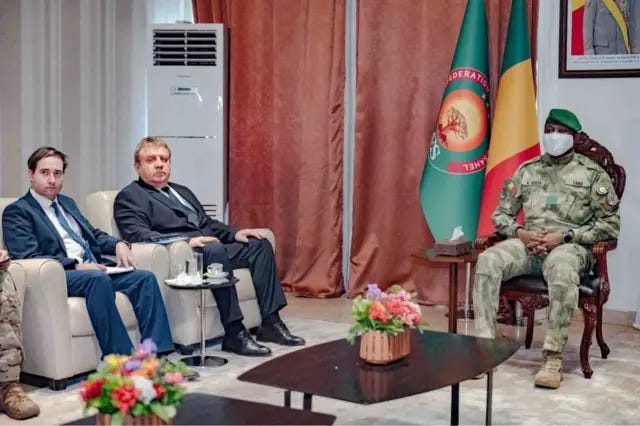
The offensive exposed pressure on Mali’s junta and Moscow’s military role in the Sahel. Armed groups including Tuareg rebels and an al-Qaeda-linked faction were reported advancing in northern Mali after joining forces in the largest attacks in nearly 15 years.
Sources: Al Jazeera, The Guardian

The European Union has warned Israel it is ready to impose sanctions on individuals and entities involved in the trade of Ukrainian grain allegedly stolen by Russia after a vessel carrying the cargo arrived in Haifa.
A European Commission spokesperson said the bloc condemned actions that help fund Russia’s illegal war effort and remained ready to target such activity if necessary. Ukrainian President Volodymyr Zelenskyy urged Israel to reject the shipment and said Kyiv would prepare sanctions against those attempting to profit from the trade, while also coordinating with European partners.
Israel’s Foreign Minister Gideon Sa’ar said the vessel would be examined and authorities would act in accordance with the law, as Kyiv summoned Israel’s ambassador and warned the issue risked undermining bilateral relations.
Sources: Euronews, Associated Press
Restacking this post will help it reach more readers interested in the world.
On this day …
On this day in 1992, riots erupted across Los Angeles after a jury acquitted police officers filmed beating motorist Rodney King.
Three days of violence left dozens dead, thousands injured, and large sections of the city damaged, exposing deep tensions around policing, race, and inequality in the United States.
The unrest forced a national reassessment of police accountability and urban governance, while also highlighting the growing political impact of video evidence in shaping public trust.
The events marked a turning point in how domestic legitimacy and law enforcement oversight became central political questions.
How much did the Los Angeles riots reshape expectations about transparency in public authority?