


Trump Extends Pause on Iran Energy Strikes
Iran Mobilises for Possible Ground War
Trump Turns Iran War Into Test for Allies
Iran Moves to Formalise Hormuz Toll System
Cyclone Deepens Global LNG Supply Strain
War Jitters Hit Stocks as Oil Climbs
Putin Taps Oligarchs as War Costs Rise
Rubio Heads to Divided G7 After Trump Rifts
EU Parliament Backs Migrant Return Hubs
Judge Halts Pentagon Move Against Anthropic

President Donald Trump said he would extend the pause on threatened attacks on Iran’s energy plants by 10 days, to April 6, after earlier saying Tehran had rejected a 15-point U.S. proposal to end the fighting as unfair. He said talks were ongoing, while Tehran denied it was engaged in direct talks with Washington.
The move avoids further escalation as the four-week war has spread across the Middle East, killing thousands of people and pushing up oil prices. Iran has effectively blocked the Strait of Hormuz, which carries about 20% of global oil and liquefied natural gas, spiking energy prices and roiling financial markets.
Trump had previously announced a five-day pause on threatened strikes against power plants and energy infrastructure on March 23.
Sources: Reuters, CNBC

Iran said more than one million fighters had been organised to respond to a possible U.S. ground invasion, with authorities describing a surge of volunteers through recruitment centres linked to the Basij, the Revolutionary Guards and the army. Reports also said Iran had reinforced Kharg Island with more troops and air defence systems as concern over a wider war deepened.
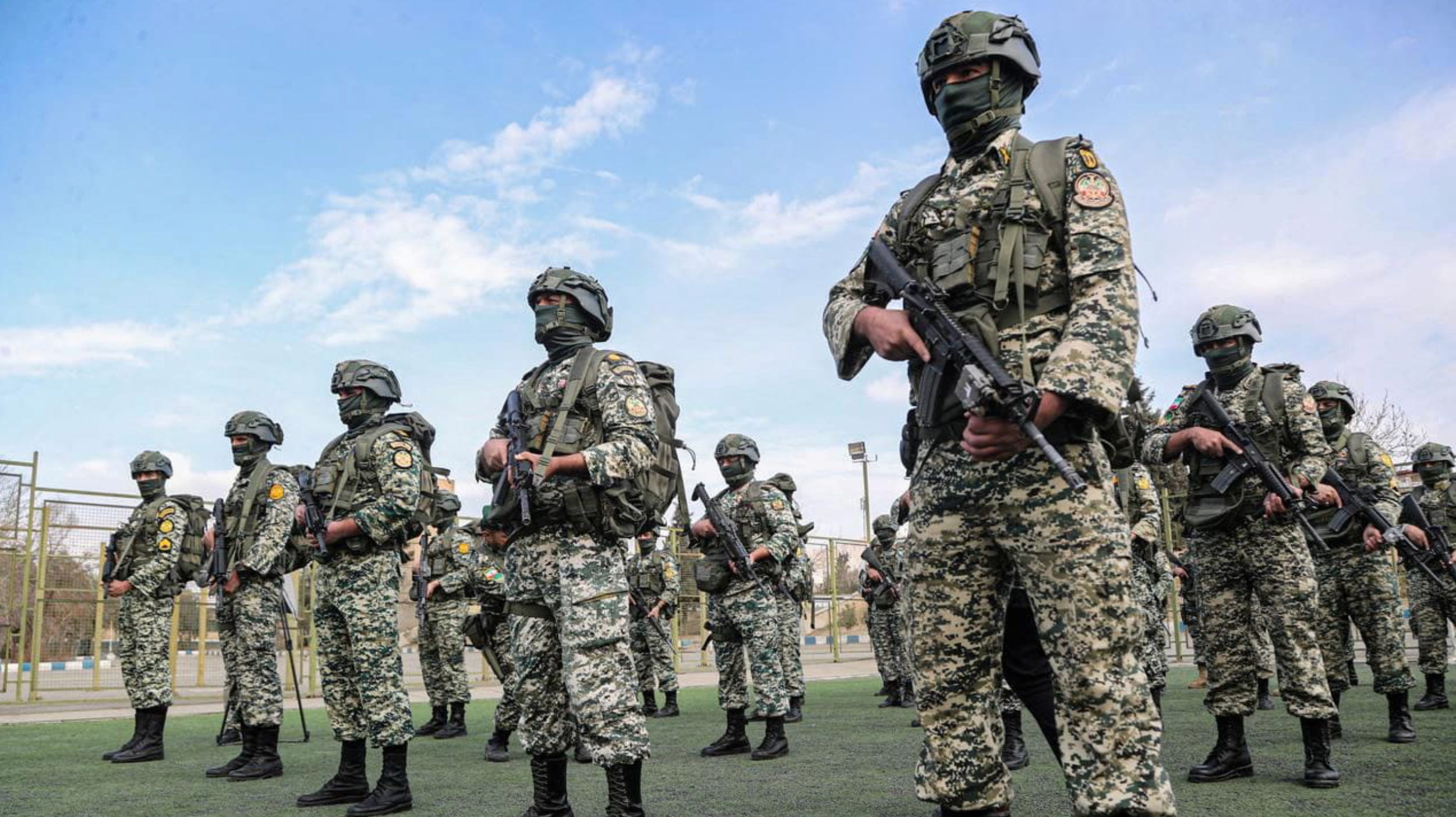
The mobilisation comes as Washington weighs its next steps in a conflict already centred on the Strait of Hormuz. Trump said on Thursday, “No, I’m not putting troops anywhere,” but added, “If I were, I certainly wouldn’t tell you.” At the same time, Iran rejected claims that talks with the United States were under way and dismissed Trump’s 15-point ceasefire plan as one-sided and unfair.
The result is a stand-off in which public denials of escalation sit alongside visible preparations for it.
Sources: Times of India, The New Arab

Donald Trump intensified pressure on U.S. allies by saying Nato had done “absolutely nothing” to help in the Iran war and singling out Australia for refusing to assist with securing the Strait of Hormuz. He said he did not need allied support, but warned he would “never forget” which countries had failed to act.
The comments widened the conflict’s diplomatic strain as Washington continued to press its 15-point proposal to Iran. Trump said he had extended Iran’s deadline to reopen the strait to April 6 and would delay strikes on energy plants while talks were “going very well”.
Yet Iran’s foreign minister said his government had not engaged in talks to end the war, and a senior Iranian official described the U.S. proposal as “one-sided and unfair”. The result is a conflict that is now testing alliances as well as military pressure.
Sources: The Independent, ABC News

Iran appears to be turning its de facto control of the Strait of Hormuz into a more formal toll system, with parliament pursuing legislation to codify oversight and collect fees from ships. Reports said at least two vessels had paid in yuan, while other ships were being vetted by Revolutionary Guard intermediaries, given clearance codes and escorted through Iranian waters.
The move would deepen Tehran’s leverage over the world’s most important oil passageway at a time when traffic through the strait has fallen sharply since the war began. One report said traffic was down 90%, with only about 150 vessels transiting since March 1, while another said nearly 2,000 vessels were stranded near the waterway.
Iran’s own oil flows have proved more resilient, with Kharg Island loading 1.6 million barrels in March, largely unchanged from prewar monthly totals. The result is a system that combines military control, economic leverage and selective passage.
Sources: Associated Press, Al Jazeera

Cyclone Narelle off Western Australia has disrupted output at major liquefied natural gas plants, adding fresh strain to a market already hit by the halt of shipments from Qatar. Three plants that together account for about 8 per cent of global LNG trade have had output curbed, with one major facility reduced and another platform feeding a separate plant also stopped.
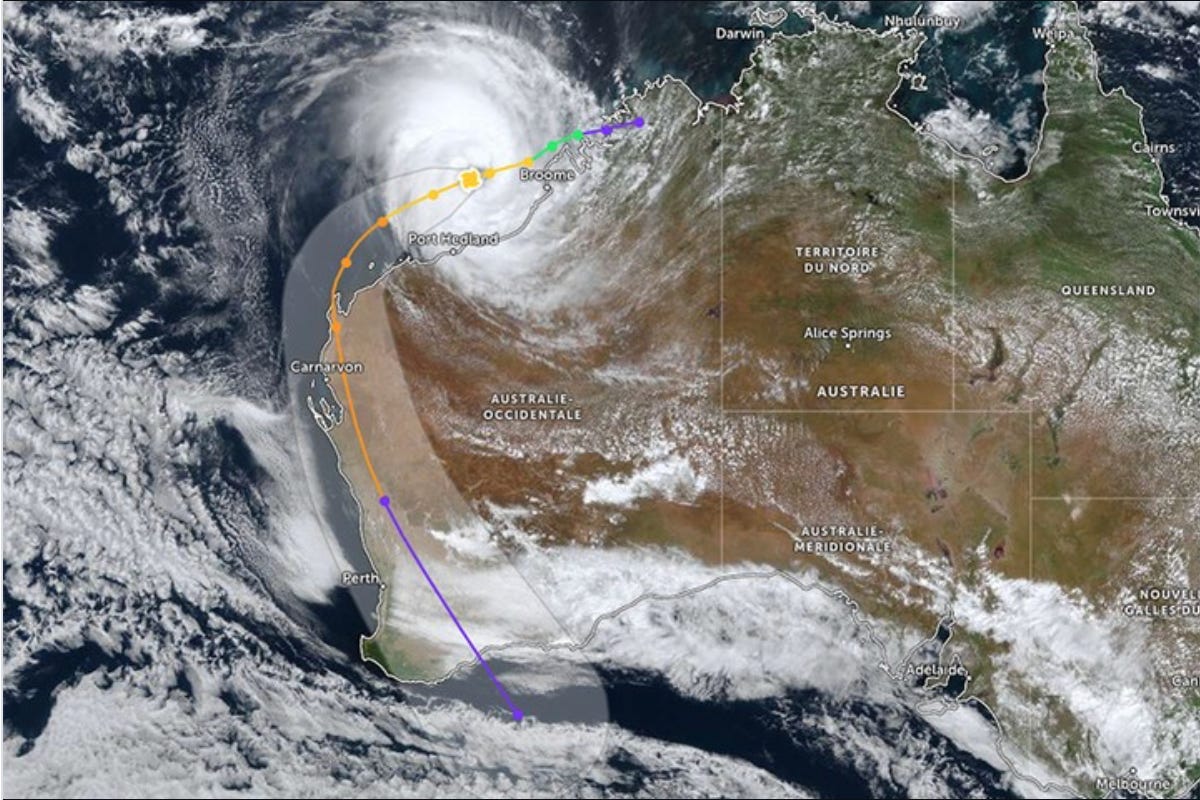
The disruption comes as Asian buyers are already reeling from shortages linked to the closure of the Strait of Hormuz and the halting of Qatar’s largest liquefaction plant.
LNG prices in Asia have risen more than 90 per cent since the United States and Israel first struck Iran at the end of last month, while some reports said prices in parts of Asia had more than doubled. With Australia a crucial supplier to northern Asia, the cyclone has turned a regional weather event into another shock for global gas buyers.
Sources: Bloomberg, CNA

Stocks fell sharply on Thursday as hopes of an end to the Iran war gave way to renewed doubt, sending Wall Street to its worst day since the conflict began and pushing oil prices higher. The S&P 500 fell 1.7%, the Dow dropped 469 points and the Nasdaq sank 2.4%, leaving it more than 10% below its earlier peak this year.
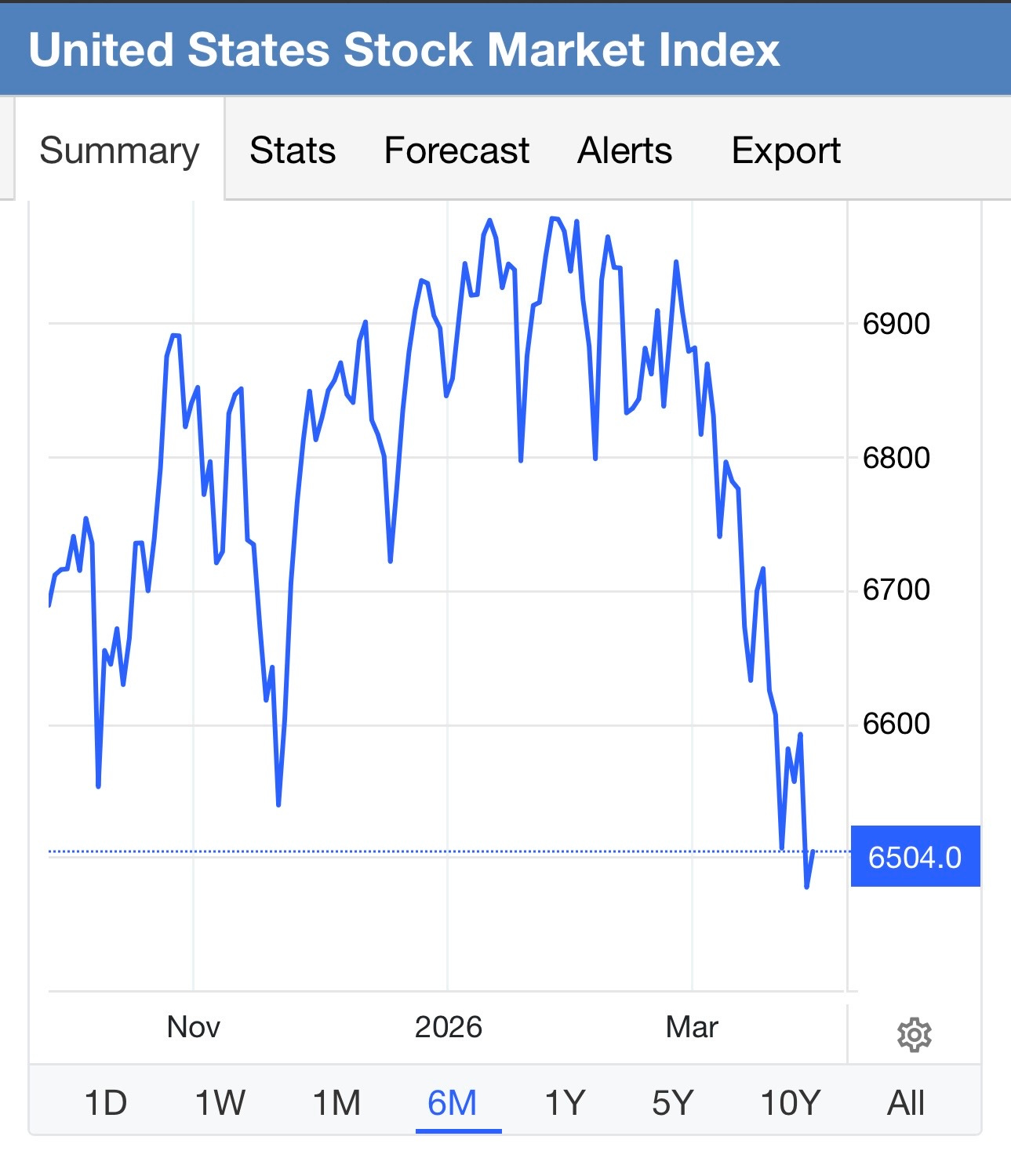
The shift came after Iran denied direct talks were under way and dismissed a U.S. ceasefire proposal delivered via Pakistan, while fighting continued and thousands more U.S. troops neared the region.
Brent crude rose 4.8% to $101.89 a barrel and U.S. crude climbed 4.6% to $94.48. Higher oil prices also drove Treasury yields up, with the 10-year yield rising to 4.42%, increasing borrowing costs for households and businesses and adding to worries about inflation and slower growth.
Sources: LA Times, Wall Street Journal

Vladimir Putin has asked Russian oligarchs to donate to the budget as the cost of the war in Ukraine rises, underlining his intention to keep fighting until Russia captures the remaining parts of the Donbas not under its control. The request, made to businessmen on Thursday, followed stalled talks in which Ukraine refused to withdraw unilaterally from the region.
The pressure reflects growing strain on Russia’s finances. The defence bill rose 42 per cent to Rbs13.1tn last year, while the budget deficit for January and February swelled to more than 90 per cent of the figure projected for the whole year. At least two businessmen said they would be willing to contribute, and one was prepared to make a Rbs100bn contribution.
Putin also warned that higher oil revenues linked to the Iran war might not last much longer for Russia.
Sources: FT, The Guardian
Marco Rubio arrived in France for G7 diplomacy after Donald Trump publicly attacked Nato and complained that allies had refused to help in the Iran war. The meeting outside Paris brings together ministers from countries that have raised objections to the U.S. strategy and are seeking to narrow differences over the conflict while keeping Ukraine and Gaza on the agenda.
The trip underlines how the war is now straining Western diplomacy as much as Middle East security. Trump said Nato had done “absolutely nothing” and that allies had rejected calls to help secure the Strait of Hormuz.
France’s foreign minister said the G7 wanted to create conditions for “lasting peace and stability” in the Middle East, while European allies continued to call for de-escalation. Rubio’s task is therefore not simply to defend U.S. policy, but to manage widening allied unease around both the war itself and Washington’s handling of it.
Sources: Associated Press, France 24

The European Parliament approved a law designed to speed up the return of irregular migrants by allowing deportation centres outside the EU and imposing tougher penalties on those ordered to leave. The package passed by 389 votes to 206, with 32 abstentions, and would let EU countries send people to third countries unrelated to their origin if bilateral agreements are in place.
The controversial law reflects a broader hardening of migration policy across Europe. It would extend detention to up to two years, allow much longer entry bans, and make it easier in some cases to proceed with deportation while appeals continue.
Support from centre-right and far-right groups carried the measure through, while critics warned that the proposed hubs could become “legal black holes” and raised concerns about cooperation with non-democratic regimes. The final text will now be negotiated with EU member states, but major differences appear limited.
Sources: Le Monde, Euronews
A federal judge in California temporarily blocked the Pentagon’s designation of Anthropic as a national security supply-chain risk, handing the AI company an early victory in its fight over military use of its Claude model. The ruling pauses the blacklisting after Anthropic argued that the government had punished it for opposing the use of its technology in autonomous weapons and domestic surveillance.
Judge Rita Lin said the administration’s actions appeared designed to punish the company rather than protect national security. She also temporarily halted a directive from President Trump ordering federal agencies to stop using Anthropic’s technology.
The Pentagon had said private companies should not be able to constrain military action, while Anthropic argued that its rights to free speech and due process had been violated. The order will not take effect for seven days, giving the administration time to appeal, but it has already turned a contract dispute into a wider test of how far the government can go in policing dissent from defence suppliers.
Sources: Reuters, NPR
On this day …
On this day in 1977, two Boeing 747 aircraft collided on a fog-covered runway at Los Rodeos Airport in Tenerife, killing 583 people in the deadliest accident in aviation history.
The disaster resulted from a combination of miscommunication, human error, and poor visibility, leading to fundamental changes in aviation protocols.
Standardised phraseology, cockpit resource management, and stricter communication procedures were introduced globally to reduce ambiguity between pilots and air traffic control as a result of the crash.
The incident remains a defining case study in systemic risk and operational failure.
How do complex systems turn small errors into catastrophic outcomes?