


US Carrier Reaches Region as Iran Warns of All-Out War
Rutte Says Europe Cannot Defend Itself Without US
Trump Raises South Korea Tariffs to 25 Percent
EU Approves Russian Gas Ban and Offshore Wind Push
India And EU Seal Trade Deal After Years Of Talks
Trump and Walz Signal Thaw After Minneapolis Killing
Democrats Dig In On DHS Funding After Shooting
French MPs Back Under-15 Social Media Ban
Takaichi Warns Alliance Could Falter Over Taiwan
Cyclone Wrecks Leave Hundreds Feared Missing

The USS Abraham Lincoln aircraft carrier strike group arrived in the US Central Command area on Monday, part of a military buildup ordered by President Donald Trump as his advisers weigh possible strikes on Iran after the killing of thousands of civilians during recent protests inside the country this month.
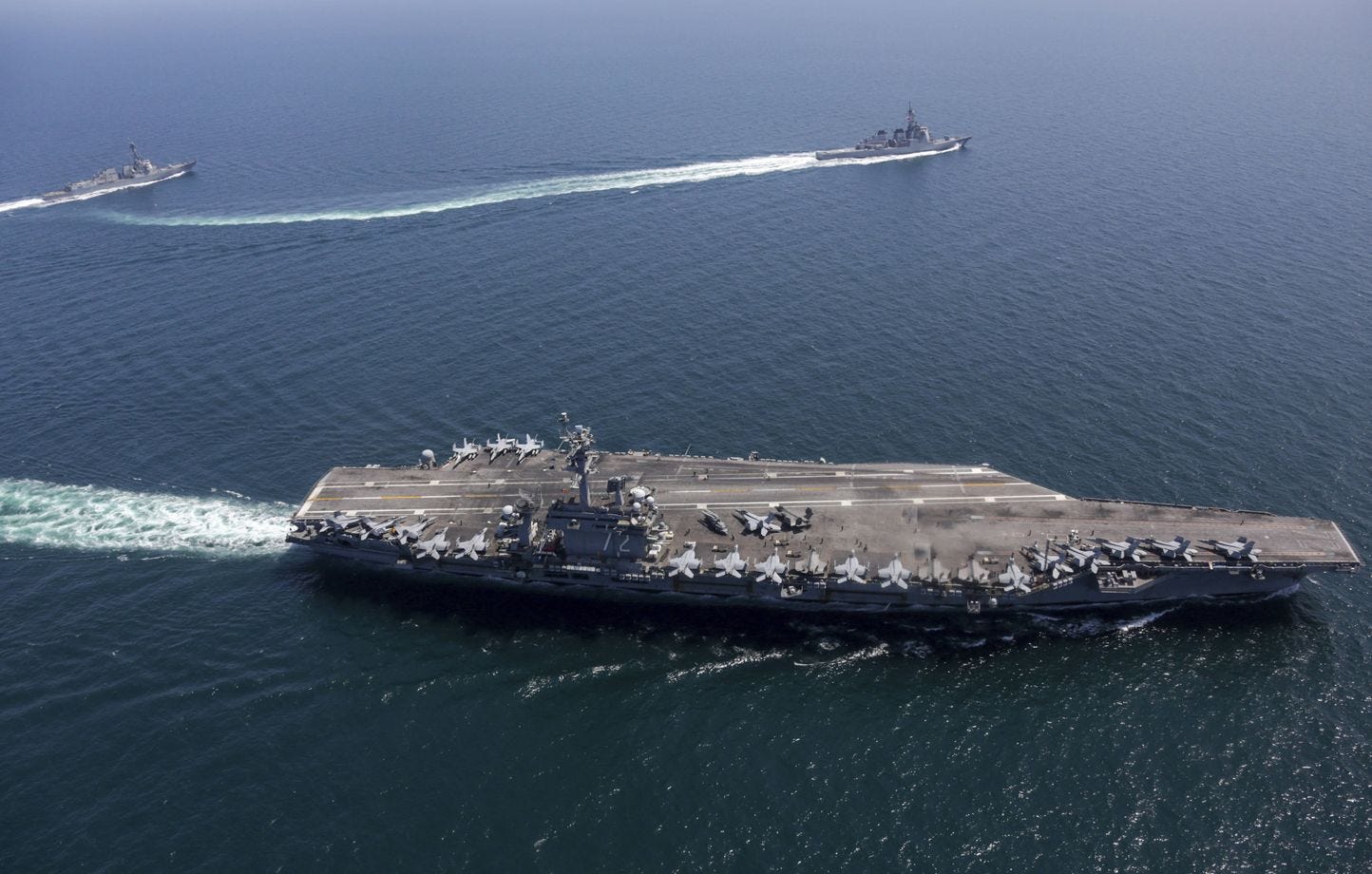
The carrier and three destroyers are expected to move closer in coming days, after being redirected from the South China Sea. Trump said the situation with Iran was “in flux” and that Tehran wanted a deal, while US officials said further assets would arrive within a week to expand options.
Iran has placed its forces on high alert and warned any attack would be treated as all-out war, with retaliation harsher than during last summer’s conflict with Israel. The United Arab Emirates said it would not allow its territory or airspace to be used for attacks.
Sources: Washington Post, The Guardian

Mark Rutte, NATO’s secretary general, warned the European Parliament that Europe cannot defend itself without the United States, telling lawmakers that anyone who believes otherwise should “keep dreaming”. His remarks followed tension over President Donald Trump’s demands regarding Greenland, and his later statement in Davos that he would not seize the territory or impose new tariffs on European countries.
Rutte dismissed calls for a separate European army, saying Vladimir Putin would welcome it because it would stretch European forces and weaken them. He said nations should take more responsibility for security only within the US-led NATO alliance, which he described as still strongly backed by Washington.
He said Europe would need to spend far more than the 5 percent of GDP pledged by NATO members, build its own nuclear capability at a cost of billions of euros, and would lose the US nuclear umbrella if it tried to go alone.
Sources: New York Times, Reuters

Donald Trump said he will raise US tariffs on South Korean goods from 15 percent to 25 percent, accusing the country of not living up to an earlier trade pact struck with Washington. He said the higher levies will apply to goods including autos, lumber and pharmaceuticals.
South Korea’s presidential office said it had not been informed about the tariff hike plans in advance and wanted urgent talks. It said Trade Minister Kim Jung-kwan, currently in Canada, would head to Washington to meet US Commerce Secretary Howard Lutnick.
The two countries reached a deal last October after Trump met South Korean counterpart Lee Jae Myung, including a pledge by South Korea to invest $350bn in the US, some of which would go to shipbuilding, alongside tariff cuts by the US. The agreement was submitted to South Korea’s National Assembly on 26 November and is being reviewed.
Sources: BBC, Le Monde

EU ministers approved a law to ban Russian gas imports by late 2027, making the bloc’s pledge to cut ties with its former top supplier legally binding nearly four years after Moscow’s full-scale invasion of Ukraine. Slovakia and Hungary voted against and Bulgaria abstained, and Hungary said it would challenge the law at the European Court of Justice.
Under the agreement, the EU will halt Russian liquefied natural gas by end-2026 and pipeline gas by 30 September 2027, with a possible shift to 1 November 2027 if storage cannot be filled with non-Russian gas. Russia supplied more than 40 percent of EU gas before 2022, falling to around 13 percent in 2025.
The law bans new Russian gas deals, requires existing contracts to be terminated, and allows penalties of up to 3.5 percent of global annual turnover for non-compliance.
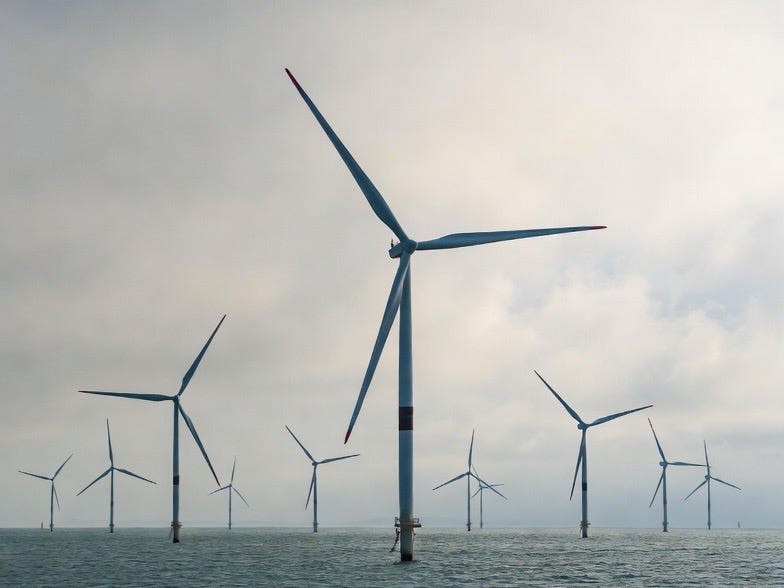
Also on Monday, Germany, France, the UK and Denmark were among nine countries which signed an agreement pledging to turn the North Sea into the "world's largest clean energy reservoir" with firm pledges to deliver 100 GW of offshore wind power through large scale joint projects.
Sources: RFI, Reuters

India and the European Union said they had concluded and signed a free trade agreement, described by New Delhi as the “mother” of all its recent trade deals. India’s commerce secretary said negotiators had reached an “ambitious, balanced, forward-looking and mutually beneficial” agreement, and Prime Minister Narendra Modi confirmed the signing on Tuesday.
The deal is expected to boost trade by removing tariff and non-tariff barriers on more than 90 percent of Indian goods. The EU is India’s biggest trade partner, with trade in goods worth $135 billion in 2023-24, and the agreement is intended to open markets, remove barriers and strengthen critical supply chains.
The negotiations were relaunched in June 2022 after a long pause, and the pact still needs approval by the European parliament and India’s cabinet.
Sources: FT, Hindustan Times

President Donald Trump and Minnesota Governor Tim Walz struck a conciliatory note after a private phone call on Monday, as the White House sought to defuse a crisis over an immigration surge in the Twin Cities after the fatal shooting of Alex Pretti by a federal agent in Minneapolis.
Walz said Trump agreed to consider reducing the number of immigration enforcement agents and to ensure Minnesota could conduct independent investigations into the killings of Pretti and Renee Macklin Good. Trump said he was “on a similar wavelength” with Walz, and he also spoke with Minneapolis Mayor Jacob Frey, saying “lots of progress” was being made.
Frey said some federal agents “will begin leaving” on Tuesday. A senior administration official said Border Patrol official Gregory Bovino will be leaving Minnesota along with some deployed agents, and that Trump’s border czar, Tom Homan, would replace him at the helm of Operation Metro Surge.
Sources: Reuters, MPR News

Senate Democrats pivoted toward a shutdown fight after the weekend shooting of Alex Pretti in Minneapolis, saying they will not back funding for the Department of Homeland Security without new controls on its agents.
Democrats are urging Republicans to strip the homeland security bill from a six-bill package needed to keep federal agencies funded past Friday, arguing videos of Pretti’s killing and the earlier death of Renee Good have shifted public opinion. Senator Chuck Schumer said five other spending bills could pass immediately if the DHS measure were separated.
Republicans insist they will move ahead with the full package, raising the risk of a partial shutdown and forcing any rewrite to go back to a House that is out until next week. Democrats say they are discussing requirements such as judicial warrants, visible identification and cooperation with state investigations before they will vote yes.
Sources: Politico, New York Times

France’s National Assembly backed a bill to ban social media access for under-15s, a proposal supported by President Emmanuel Macron. Lawmakers voted 116-23 in favour in one tally, and 130 to 21 in another, after a lengthy overnight session from Monday to Tuesday.
If approved by the Senate, under-15s would be barred from networks such as Snapchat, Instagram and TikTok. The state media regulator would draw up a list of platforms deemed harmful, while a separate list of less harmful sites would be accessible only with explicit parental approval.
The bill also provides for a ban on mobile phones in high schools, and would require an age-verification mechanism. Macron called the vote a “major step” and urged fast-tracking so the ban could take effect as early as next school year, with enforcement sought from the start of the 2026 school year which starts in September for new accounts.
Sources: Le Monde, BBC

Japan’s Prime Minister Sanae Takaichi said the Japan-U.S. alliance would collapse if Tokyo did nothing while U.S. forces were attacked during joint operations linked to a Taiwan crisis. Speaking on national television late Monday, she said Japan and the United States could take joint action and that Japan would respond strictly within the limits of existing law.
She also sought to distance herself from remarks made in November that suggested a possible military response if China attacked Taiwan, saying this was not about Japan going out and taking military action if China and the United States came into conflict. The earlier comments angered Beijing and were followed by export curbs, flight cancellations and repeated demands for a retraction.
Japan’s pacifist constitution prohibits direct military action but allows collective self-defence in cases where Japan faces a threat to its survival.
Sources: South China Morning Post, Reuters

Hundreds of migrants are feared missing or dead after reports of multiple shipwrecks in the Mediterranean in the past 10 days, as Cyclone Harry battered the region and hampered search and rescue.
The UN’s migration agency said it is still verifying the reports, but preliminary information suggests hundreds may be missing at sea. A spokesman said three shipwrecks were reported on January 23 and 25, with at least 104 deaths, involving boats believed to have departed from Tunisia and Libya.
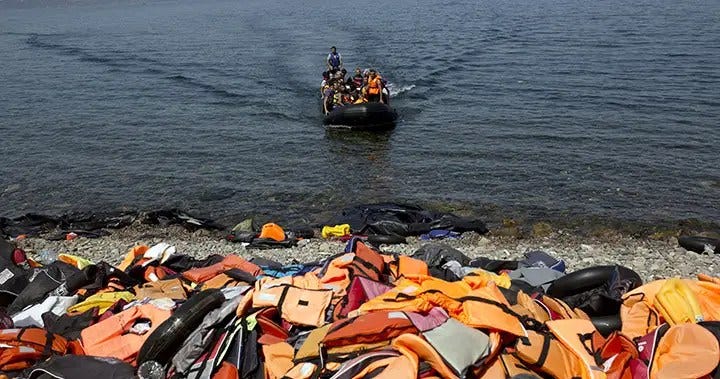
Three deaths were confirmed in Lampedusa after a rescue involving a boat that left Sfax, Tunisia, including twin girls and a man who died of hypothermia. The agency is investigating nine missing boats that departed Tunisia between January 14 and 21 with around 380 people onboard, and said the final toll may be higher. It says the central Mediterranean is the world’s deadliest migration corridor, with at least 1,340 lives lost there last year.
Sources: Euronews, The Guardian
On this day …
On this day in 1945, Soviet forces entered the Auschwitz-Birkenau concentration and extermination camp in occupied Poland, freeing around 7,000 surviving prisoners.
The camp had been the largest site of industrialised killing in Nazi Europe, where more than one million people, mostly Jews, were murdered.
Images and testimony from the liberation provided early evidence of the scale and organisation of the Holocaust, shaping post-war war crimes trials and the modern framework of international human rights law.
The date is now observed as International Holocaust Remembrance Day.
How does historical memory retain its force as direct witnesses disappear?