


Lula Wins Brazil Vote As Bolsonaro Rejects Result (Politics)
Hebron Lockdown Widens Ahead Of Israeli Election (Middle East)
France Sees More Arrests As Protests Continue (Europe)
Le Pen Launches Campaign Amid French Unrest (Politics)
Serbia’s Student Movement Ends Vucic’s Rule (Politics)
France Expands Nuclear Deterrence Across Europe (Europe)
Riyadh Airport Reopens Amid Continued Houthi Attacks (Conflict)
Ukraine Faces Missile Shortage After Russian Barrage (Conflict)
US Considers Orban for UN Leadership (World)
Black Sea Shipping Becomes Deadliest in the World (Conflict)
A succinct daily briefing delivered each weekday to help you stay on top of the stories shaping the world.

Brazilian President Luiz Inácio Lula da Silva won Sunday’s presidential runoff with 51.8% of the vote, securing a fourth non-consecutive term after overturning a first-round defeat. Electoral authorities confirmed a lead of nearly 4.4 million votes over Senator Flávio Bolsonaro, who refused to concede and called for the result to be annulled.
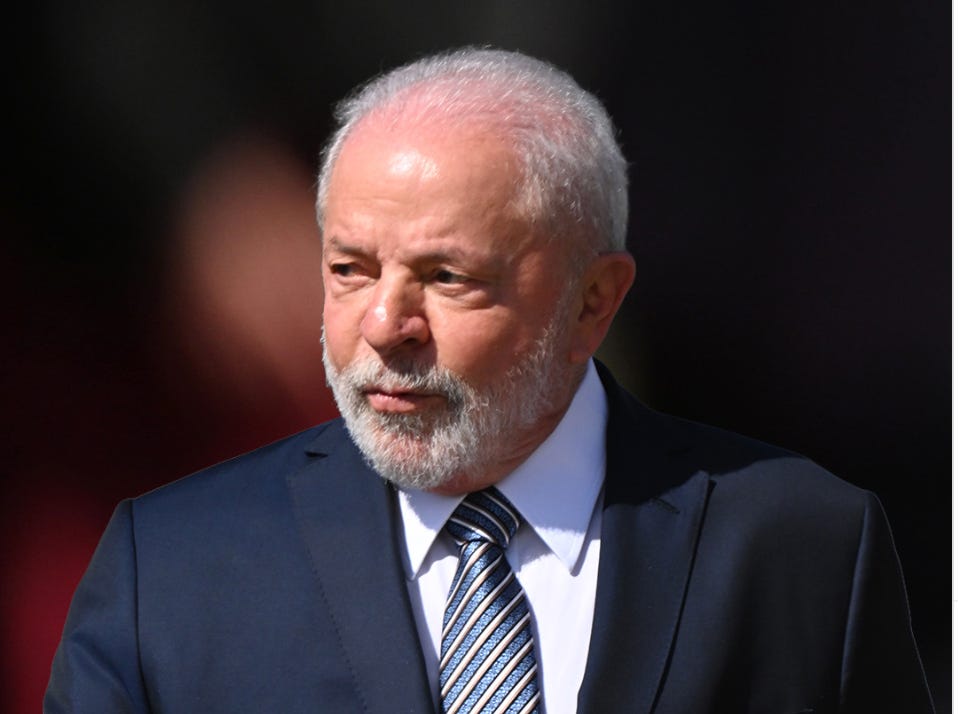
Bolsonaro challenged a last-minute decision by Supreme Court Justice Cristiano Zanin, Lula’s former lawyer, to extend voting by two hours. Both campaigns had requested additional time, citing transport problems and heavy rain in different regions. Electoral court president Kassio Nunes Marques said the extension delayed counting but did not affect the result. Both the electoral authority and Supreme Court have accepted the outcome.
Lula’s victory defies a regional trend towards presidential candidates allied with US President Donald Trump. The result keeps a critic of Trump’s influence in charge of Latin America’s largest economy, despite increased US tariffs.
Sources: Bloomberg, Associated Press

Israeli forces have sealed entrances to Hebron in the occupied West Bank following a Friday shooting that killed two Israeli soldiers. The military said it operated at more than 400 locations over the weekend and arrested 40 Palestinians it linked to militant groups. Hebron’s municipality reported more than 2,200 people displaced, while another account put the number at about 2,500.
The restrictions extend beyond the city. Israel said crossings into the country would remain closed until after Tuesday’s election, while most Palestinian permit holders would be barred from working in Israeli settlements on Sunday and Monday. Hebron accounts for about 40% of Palestinian industrial output and 30% of exports, leaving the wider economy exposed to disruption.
The operation comes as Prime Minister Benjamin Netanyahu seeks re-election in a contest focused heavily on security. Netanyahu vowed a forceful response to the shooting, while Palestinian officials and rights advocates condemned the displacement and closures.
Sources: Al Jazeera, CBS News

More than 1,300 people were arrested during another weekend of protests across France as demonstrations over living costs and school conditions again ended in clashes. The Interior Ministry reported 1,314 arrests, 53 injured police officers, 75 fires and 24 looted shops. It estimated Saturday’s turnout at 410,000, while unions put participation at about 800,000.
The disturbances were smaller than the previous weekend’s unrest, when more than 2,500 people were arrested and over 2,000 businesses were affected. Authorities deployed 70,000 officers and imposed restrictions on demonstrations with police using tear gas and water cannon in several cities. Interior Minister Laurent Nuñez reported two serious injuries among protesters.
The continuing unrest comes six months before presidential elections to replace President Emmanuel Macron. Both the hard-right National Rally and radical-left La France Insoumise have blamed his government for the disorder. Protests over similar grievances have spread to other European cities.
Sources: BBC, France 24

Marine Le Pen launched her campaign for France’s 2027 presidential election on Sunday, promising to restore law and order after weeks of protests and unrest. Addressing 8,500 supporters in Orléans, the far-right National Rally candidate accused President Emmanuel Macron’s government of lacking authority and pledged tougher immigration rules, stronger border controls and protection of French identity.
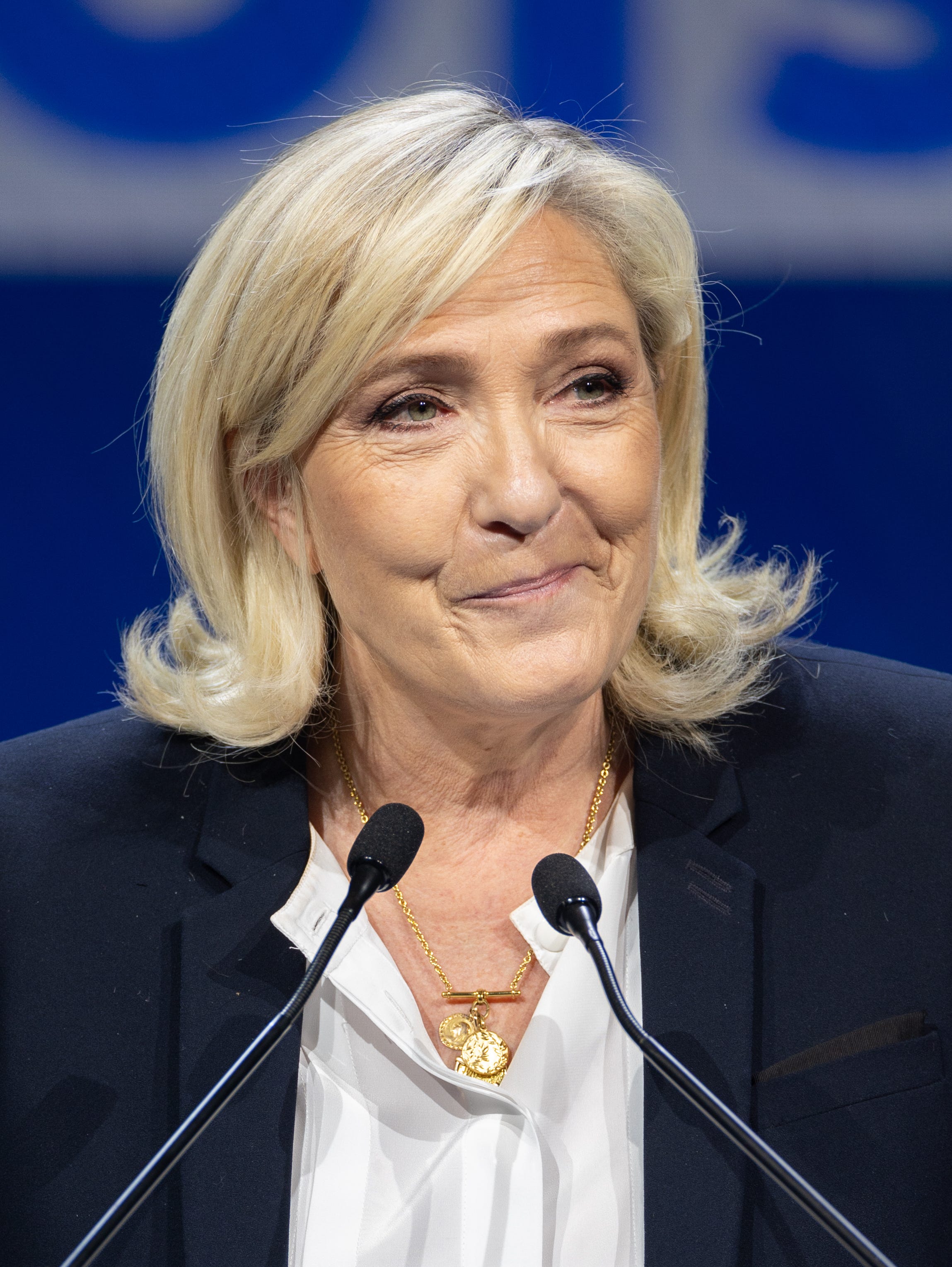
Le Pen leads opinion polls, with an Ipsos survey putting her first-round support at 32-34%. Her campaign follows two weekends of mass cost of living demonstrations accompanied by looting, clashes and more than 1,300 arrests on Saturday. Unions and Yellow Vest protesters have pledged further marches.
Her programme also carries wider implications. Le Pen has promised lower household energy bills and taxes, alongside reduced French contributions to the European Union. She is critical of NATO and France’s support for Ukraine, while the country’s debt and deficit already exceed EU limits.
Sources: Arab News, Al Jazeera

Serbia’s leader Aleksandar Vucic conceded defeat in Sunday’s parliamentary election to a student-led movement that emerged from two years of protests against his government. Vucic said the Students’ List had won at least 135 seats in the 250-member parliament, against around 105 for his Serbian Progressive Party. Crowds celebrated in Belgrade following his concession.
The movement grew after a railway station canopy collapsed in Novi Sad in 2024, killing 16 people and prompting demonstrations over alleged corruption. Students built a following, while their electoral slate featured experts, farmers, athletes and artists rather than students themselves. Election monitors reported irregularities, including suspected vote buying.
The result follows the defeat of Vucic’s nationalist ally Viktor Orban in neighbouring Hungary six months earlier. Despite the change in leadership, the Serbian victors and Vucic’s party hold similar positions on Russia, the European Union and Kosovo, limiting expectations of an immediate foreign policy shift.
Sources: New York Times, CNN

France is working with 10 European countries on a nuclear deterrence initiative designed to complicate Russia’s military calculations as doubts grow about US security guarantees. Announced in March by French President Emmanuel Macron, the plan envisages deployments of nuclear-capable Rafale aircraft alongside new communications, early-warning and intelligence sharing arrangements.
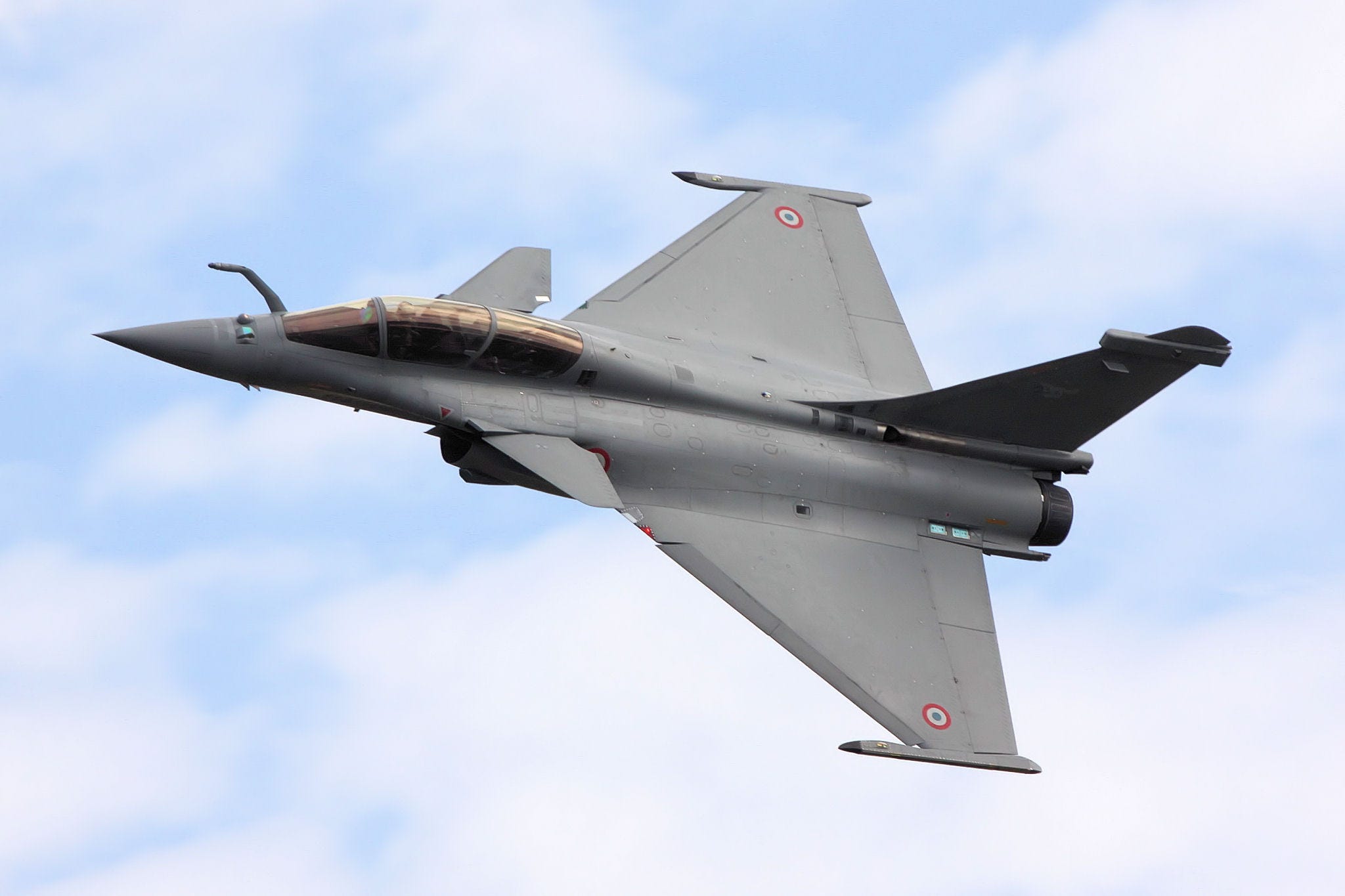
Participants include Britain, Germany, Poland and Nordic countries. Finnish President Alexander Stubb said the initiative would create a strategic dilemma for Russia without stationing nuclear weapons in Finland during peacetime. Norwegian Foreign Minister Espen Barth Eide stressed that the arrangement supplements, rather than replaces, American guarantees.
France will retain sole control over its nuclear arsenal, estimated at around 290 operational warheads, and has offered no explicit defence guarantee to partners. Separate bilateral steering groups are developing the arrangements, while Macron has pledged to resume production of nuclear devices and stop disclosing stockpile figures.
Sources: Wall Street Journal, Jerusalem Post

Saudi Arabia partially reopened Riyadh’s King Khalid International Airport despite Houthi threats and missile interceptions. Domestic flights resumed from Terminal 1 and international services by national carriers from Terminal 2, with little traffic reported. The airport had closed on 10 October after a Houthi attack killed 13 people and injured more than 300.
Houthi military spokesman Yahya Saree warned airlines and passengers to stay away, calling the airport a military target. Saudi authorities reported intercepting missiles and drones on Sunday, while debris from intercepted missiles injured two people in southern Saudi Arabia. The coalition said the Houthis had attacked the airport 20 times between 1 and 11 October.
The renewed fighting has shattered a truce that largely held since 2022. The airport attacks also challenge Crown Prince Mohammed bin Salman’s ambitions to make Saudi Arabia a global business and tourism hub, with a major investment summit postponed until 2027.
Sources: New York Times, Reuters

Ukrainian President Volodymyr Zelenskyy has urged the release of agreed Patriot interceptor deliveries after Russian strikes killed four people and injured 22 in Dnipropetrovsk. Ukraine’s air force reported 153 drones overnight, with 119 intercepted or suppressed. Zelenskyy said Russia launched about 1,600 guided bombs, 48 missiles and nearly 2,300 attack drones over the past week.
The appeal comes amid an interceptor shortage. Zelenskyy said Ukraine needs roughly 350 Patriot missiles monthly but received only 24 over three months. American and allied forces have expended large quantities defending against Iranian attacks during the Middle East war.
Meanwhile, Ukraine said Starlink and Starshield communications had returned to normal after restrictions disrupted frontline operations for more than a week. SpaceX chief Elon Musk accused Ukraine of breaching commercial terms, which Ukrainian officials denied. US officials rejected responsibility for the disruption, despite reports attributing the order to the White House.
Sources: Newsweek, ABC News

US officials are exploring former Hungarian prime minister Viktor Orban as the next United Nations secretary-general, believing Russia and China might support a joint candidacy. Officials reportedly approached Orban, who expressed interest but has not decided whether to run. A State Department official estimated he could secure eight to ten votes on the 15-member Security Council, although no countries have publicly committed support.
President Donald Trump backed Orban in Hungary’s April election, while Vice President JD Vance campaigned for him. The proposal reflects Orban’s opposition to immigration and liberal institutions, alongside his ties to Moscow and Beijing. Britain and France, both holding veto powers, have not stated their positions.
Emirati diplomat Lana Nusseibeh entered the contest last week, with another Security Council straw poll scheduled for Wednesday. Incumbent Secretary-General António Guterres leaves office on 31 December. Any announcement about Orban is reportedly being deferred until after the US midterm elections.
Sources: Wall Street Journal, Jerusalem Post

The Black Sea has become the deadliest shipping region for merchant sailors this year as attacks linked to Russia’s war in Ukraine intensify. More than 570 vessels have been struck, killing at least 40 sailors, compared with 24 confirmed deaths around the Strait of Hormuz. Maritime security company Ambrey recorded 387 ships hit between July and September, more than five times the previous quarter.
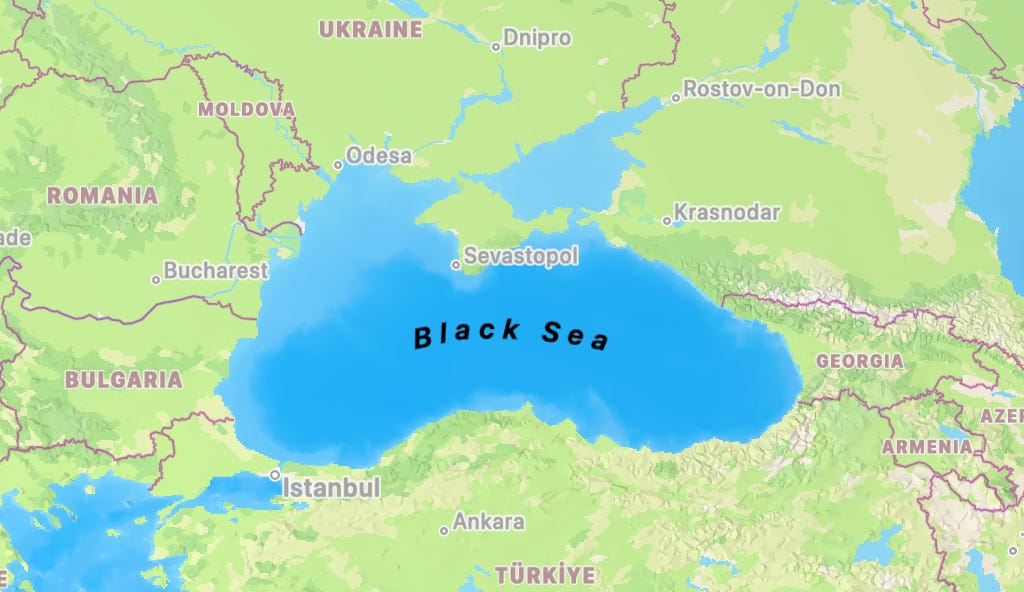
Russia was responsible for about 90 per cent of shipping strikes over the past 45 days, according to Ambrey, although both sides have attacked vessels. Ukraine’s Greater Odesa ports handled fewer than 10 ships last month, down from roughly 400 in July. War-risk insurance could reach 15 per cent of vessel value, nearly twice Gulf rates.
The disruption is spreading through agricultural trade. Ukrainian seaborne exports fell to 1.4 million tonnes in August, about 75 per cent below prewar levels, while attacks have constrained alternative routes through Danube ports.
Sources: United 24, FT
Restacking or sharing this publication means more people can read it. Commenting extends the conversation. Liking shows your appreciation.
On this day …
On this day in 2001, US President George W. Bush signed the USA PATRIOT Act into law, six weeks after the September 11 terrorist attacks. The legislation significantly expanded the government’s powers to conduct surveillance, gather intelligence and investigate suspected terrorism, while strengthening cooperation between law enforcement and intelligence agencies.
Supporters argued that the measures were essential to preventing further attacks. Critics warned that expanded government authority threatened privacy, civil liberties and constitutional protections. Several provisions subsequently faced legal challenges, legislative revisions and intense public scrutiny.
Twenty-five years later, the legislation remains a reference point in debates over national security.
How should democracies balance collective security against individual freedoms?