


Iran Rejects Ceasefire Plan As Gulf Strikes Spread
Iran Fortifies Kharg Island As US Considers Seizure
White House Threatens Harder Iran Strikes
Iran Threatens Key Red Sea Strait if Invaded
Asia-Pacific Fuel Strains Spread Beyond Gulf Conflict
Trump Reschedules Beijing Summit Amid Iran War
Russia Loses 40% of Oil Export Capacity
US Ties Ukraine Guarantees to Donbas Withdrawal
UN Backs Slavery Reparations Vote Over Western Objections
Migratory Fish Collapse Threatens Rivers and Food Supply

Iran rejected a US proposal to pause the war in the Middle East while continuing attacks on Israel and Gulf Arab countries, including a drone strike that hit a fuel tank at Kuwait International Airport and sparked a fire. The rejection came as Israel carried out airstrikes in Tehran and the United States moved paratroopers, additional Marines and sailors to the region.
Officials said the US 15-point proposal covered sanctions relief, limits on missiles, a rollback of Iran’s nuclear programme and reopening the Strait of Hormuz, through which a fifth of the world’s oil is shipped.
Iran instead issued demands including safeguards against future attacks, reparations and sovereignty over the strait, while allowing only limited shipping passage.
Brent crude fell to around $100 a barrel after nearing $120 earlier last week, but remained about 35 per cent above its level at the start of the war.
Sources: Associated Press, South China Morning Post

Iran has been laying traps and moving additional military personnel and air defences to Kharg Island in recent weeks in preparation for a possible US operation to take control of the island, which handles roughly 90% of the country’s crude exports.
The Trump administration has been weighing using US troops to seize the island as leverage to coerce Tehran to reopen the Strait of Hormuz, though officials warn such an operation would carry significant risks including large numbers of US casualties.
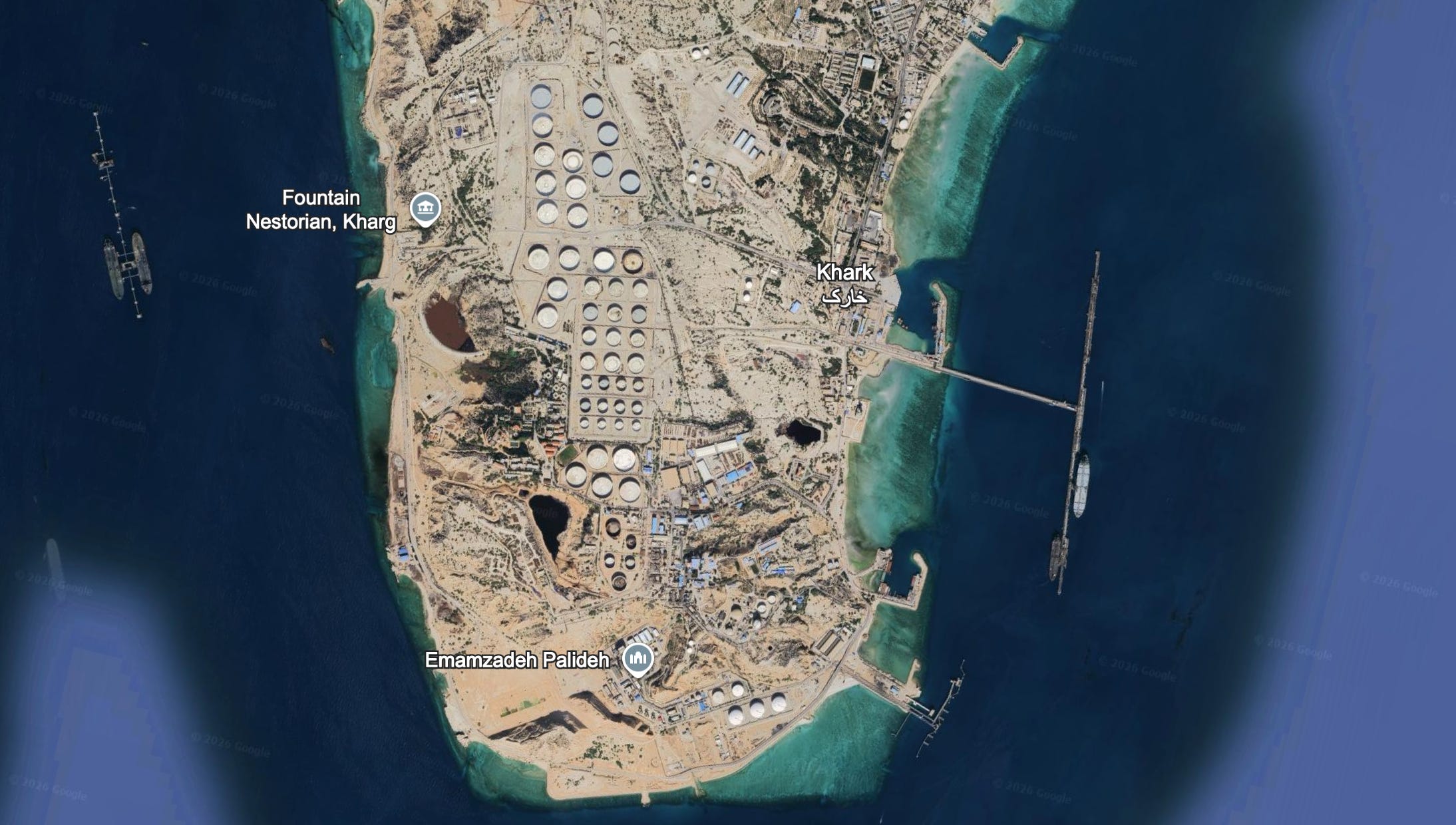
Iran has deployed layered defences including shoulder-fired surface-to-air missile systems and anti-personnel and anti-armour mines near likely landing areas, while previous US strikes hit 90 targets including naval mine storage facilities and missile storage bunkers.
Gulf allies are privately urging Washington not to occupy the island, warning the move could trigger retaliation against regional infrastructure and prolong the conflict.
Sources: CNN, Jerusalem Post

President Donald Trump will hit Iran harder if Tehran fails to accept that it has been “defeated militarily”, the White House said on Wednesday, as talks continued over a US proposal to end the war. Press secretary Karoline Leavitt said Trump was prepared to “unleash hell” and warned Iran not to miscalculate again, while also saying discussions remained productive.
The warning came as the joint US-Israeli war entered its fourth week and mediation efforts continued through countries including Pakistan, Turkey and Egypt. A senior Iranian official said Tehran was still reviewing the US proposal despite an initial negative response, suggesting it had not formally rejected it.
Oil prices dipped and global equity markets regained some ground after reports about the plan raised hopes for an end to a war that has disrupted global energy supplies and raised inflation concerns.
Sources: Reuters, Times of India

Iran threatened to target vessels transiting the Bab al-Mandab Strait, access to the Red Sea, if Donald Trump launches a ground invasion of Iranian territory or islands, according to comments carried by Iran’s semi-official Tasnim news agency. An unnamed military source said Tehran could open another front in retaliation for US naval movements in the Persian Gulf and the Sea of Oman, describing its capability in the strait as a “credible threat”.
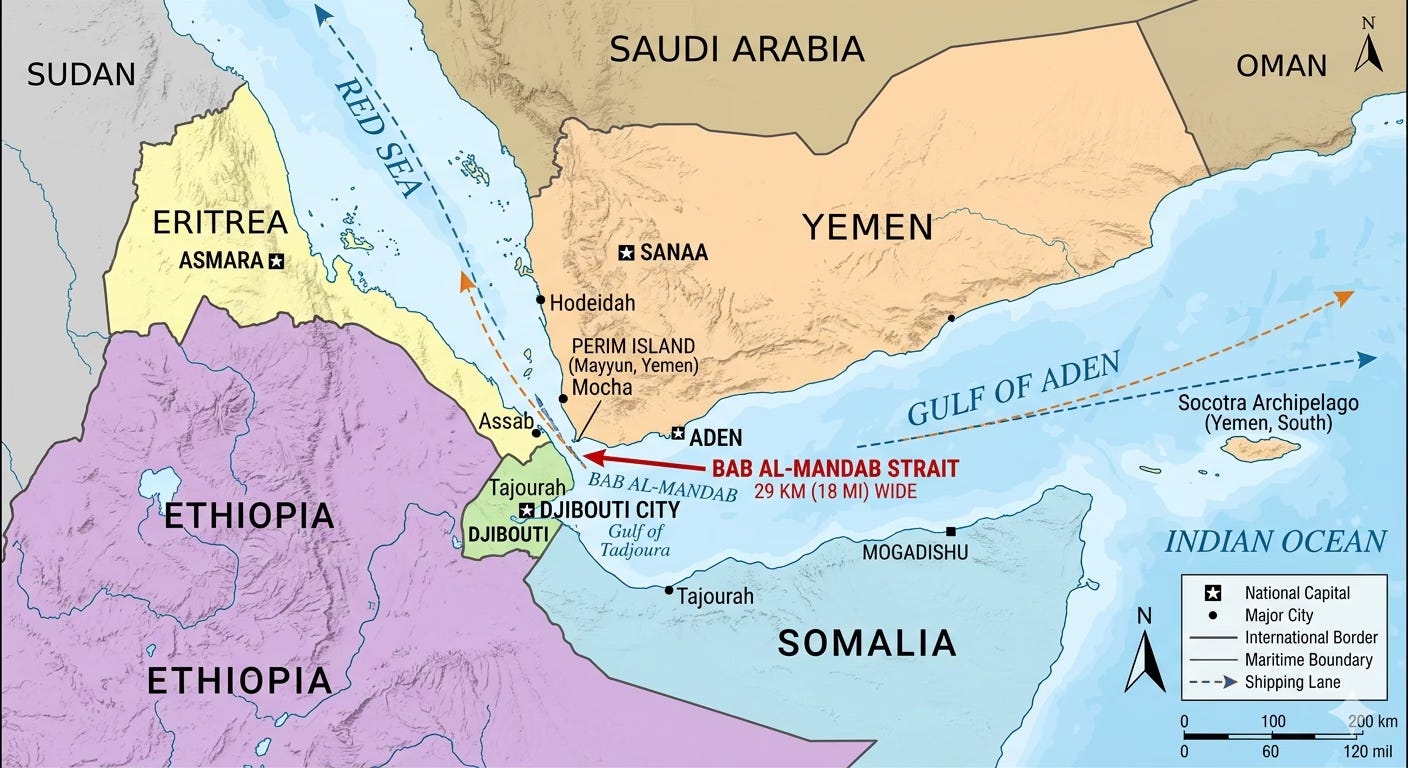
The warning raises the prospect of further disruption beyond the Strait of Hormuz, which Iran seized control of last month. Bab al-Mandab lies between Djibouti and Yemen, where the Iran-aligned Houthis have previously launched attacks on ships, though the group has so far stayed out of the Iran war. UN Secretary-General Antonio Guterres warned on Wednesday that the world was staring down the barrel of a wider war in the region.
Sources: The Independent, Hindustan Times

The Philippines declared a national energy emergency as the U.S.-Israeli war with Iran disrupted oil deliveries through the Strait of Hormuz, triggering wider strain across Asia-Pacific fuel systems. President Ferdinand Marcos Jr. warned the conflict threatened the availability and stability of the country’s energy supply, while authorities said reserves covered about 45 days of typical consumption and emergency powers allow price controls and faster imports.
Across the region, South Korea launched a nationwide energy-saving campaign, Japan prepared to release oil from its emergency reserve, and Thailand and Vietnam urged citizens to curb consumption.

In Australia, at least 600 service stations reported fuel shortfalls, affecting about 10% of outlets in New South Wales and Victoria as demand doubled and reserves fell to 38 days of gasoline and 30 days of diesel.
Sources: Bloomberg, ABC News

President Donald Trump will travel to Beijing on May 14 and 15 for a rescheduled summit with Chinese President Xi Jinping after delaying the visit to remain in Washington during the U.S. and Israeli war against Iran. The White House said the trip had been planned for months but became entangled with the conflict as Washington pressed China and other countries to help protect access to Middle Eastern oil.
Press secretary Karoline Leavitt said the conflict could reach an endgame before the visit and confirmed Trump and first lady Melania Trump plan to host Xi and his wife Peng Liyuan at the White House later this year.
The talks are expected to build on a fragile trade truce between the two leaders and will take place as the Strait of Hormuz remains effectively closed during the conflict.
Sources: Associated Press, The Guardian

At least 40% of Russia’s oil export capacity was halted on Wednesday after Ukrainian drone attacks, a disputed strike on a major pipeline and tanker seizures disrupted key western routes. The shutdown amounts to about 2 million barrels per day and affects Primorsk and Ust-Luga on the Baltic Sea, the Druzhba pipeline to Hungary and Slovakia, and loadings at Novorossiysk on the Black Sea.
The disruption, described as the most severe in modern Russian oil-export history, hit as oil prices exceeded $100 a barrel during the Iran war. With westward routes under pressure, Moscow must rely more heavily on sales to Asian markets, though traders said those routes are limited by capacity.
Russia continues uninterrupted supplies to China through existing pipelines and by sea via Kozmino, while far eastern Sakhalin shipments and flows to Belarus also continue for now despite the disruption.
Sources: Reuters, Moscow Times

The United States has tied its offer of security guarantees for a Ukraine peace deal to Kyiv giving up all of Donbas, President Volodymyr Zelenskyy said on Wednesday. He said Washington was ready to finalise the guarantees at a high level once Ukraine was prepared to withdraw, adding that President Donald Trump was still putting more pressure on the Ukrainian side as the Middle East conflict shaped his next steps.
Zelenskyy said a withdrawal would hand Russia strong defensive positions and compromise the long-term security of both Ukraine and Europe. He said talks on guarantees were still unfinished, warned that Russia expected Washington to lose interest if negotiations stalled, and thanked the Trump administration for maintaining Patriot missile deliveries, though he said supplies were not as large as Ukraine needed.
Sources: Japan Times, Politico Europe

The U.N. General Assembly adopted a Ghana-led resolution describing transatlantic slavery as the “gravest crime against humanity” and calling for reparations, despite opposition from the United States and Israel and abstentions from the European Union and Britain.
Backed by 123 countries, the measure is not legally binding but carries political weight and marks the furthest the U.N. has gone in recognising transatlantic slavery as a crime against humanity and in calling for reparations.
The resolution urges member states to engage in dialogue on reparations, including formal apologies, the return of stolen artefacts, financial compensation and guarantees of non-repetition. Ghana and African and Caribbean supporters presented it as a new step toward accountability for historical injustices. The vote came after years of pressure for political recognition at the highest level.
Sources: The Guardian, Reuters

Migratory freshwater fish populations are in freefall worldwide, with numbers down about 81% since 1970, according to a major UN assessment released at the opening of the COP15 summit on migratory species in Brazil.
The report says these species are among the most imperilled vertebrates and warns that habitat destruction, dams, overfishing, pollution and rising water temperatures are pushing some towards extinction.
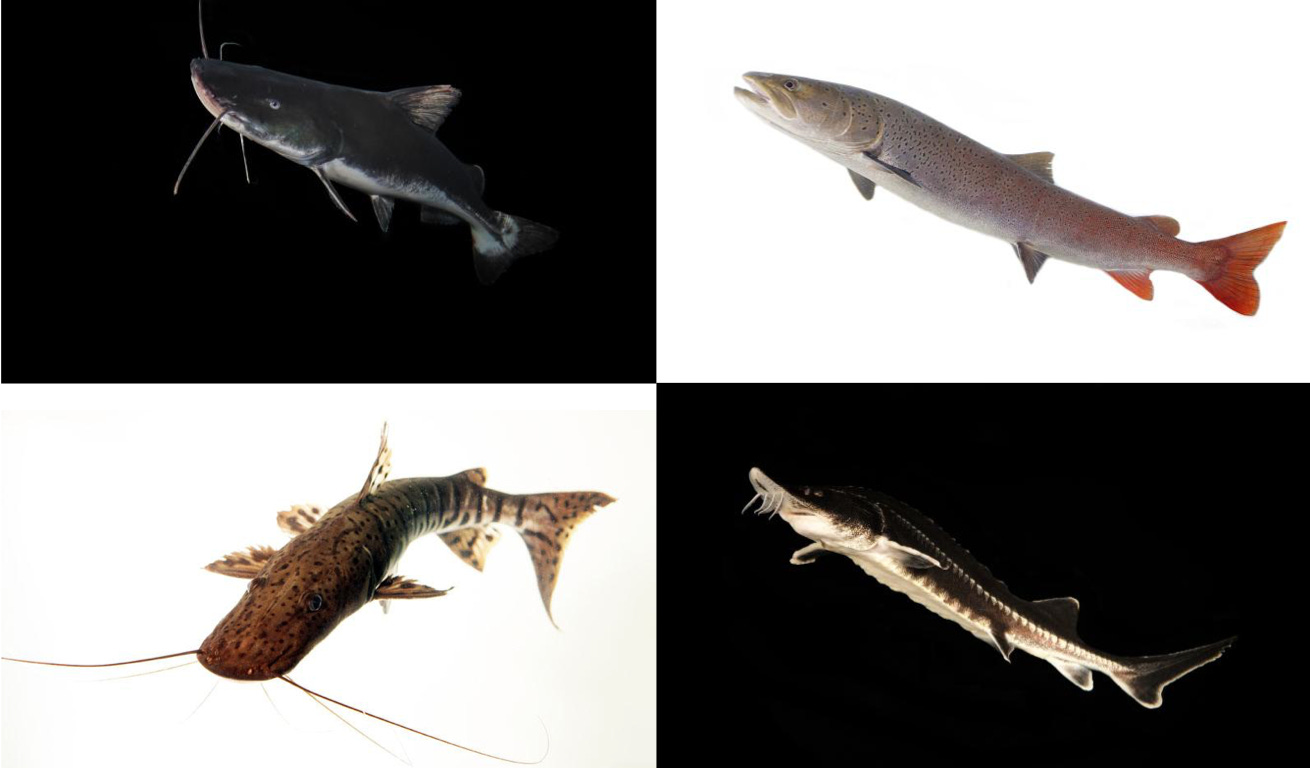
The assessment identified 325 migratory freshwater fish that cross borders and could meet criteria for protective action, but only 24 are currently listed. Priority basins include the Amazon, Danube, Mekong, Ganges-Brahmaputra and Nile.
The report said international cooperation is essential because these fish depend on connected rivers to move between feeding and spawning grounds and because their decline threatens inland fisheries that sustain hundreds of millions of people.
Sources: Science Alert, The Guardian, Convention on the Conservation of Migratory Species of Wild Animals
On this day …
On this day in 1991, Argentina, Brazil, Paraguay and Uruguay signed the Treaty of Asunción, creating Mercosur, a regional trade bloc aimed at fostering economic integration in South America.
The agreement sought to reduce tariffs, coordinate policies, and strengthen intra-regional trade.
While Mercosur expanded and deepened ties among member states, it also faced recurring tensions over protectionism, political divergence, and uneven economic performance.
Its trajectory has reflected both the potential and the limits of regional integration outside traditional Western-led systems.
What determines whether regional trade blocs deepen integration or stall?