


Western States Warn China Over Patrols Near Taiwan (Asia)
Europe Heatwave Breaks Records And Strains Systems (Climate)
Venezuela Quakes Trigger Rescue And Emergency (South America)
Italy Rebukes Rutte Over Iran War Base Remarks (Europe)
Israel Vow On Lebanon Complicates Iran Talks (Middle East)
Trump Seeks $87.6bn As Iran War Faces Backlash (US)
ASIO Chief Defends Priorities Amid Rising Threats (Australia)
France Confirms First Ebola Case On Its Soil (Europe)
ICC Judges Sue Trump Over Sanctions (US)
Trump Says School Strike Blame May Stay Unclear (US)
A succinct daily briefing delivered each weekday to help you stay on top of the stories shaping the world.
The United States, Britain, France and Germany warned that Chinese Coast Guard activity off Taiwan’s east coast threatens regional stability, freedom of navigation and international shipping.
China sent Coast Guard ships into the area earlier in June for what Beijing called a special maritime traffic law-enforcement operation, saying it was responding to Japan and the Philippines opening formal maritime-boundary talks. Taiwan says the waters are not China’s and that Beijing has no right to claim jurisdiction there.
Taipei said three merchant ships were harassed after Chinese vessels asked for origin and destination information and claimed jurisdiction. China said its patrol inspected 198 passing vessels, rectified violations involving three ships and surveyed areas where undersea cables are located. The dispute moves pressure around Taiwan from military signalling toward direct assertions over commercial shipping.
Sources: Reuters, Wall Street Journal

Western Europe was in the grip of a heatwave on Wednesday that pushed temperatures to record levels in France, the UK and Spain, while red alerts spread across much of the continent. France’s national temperature indicator hit 30C, its hottest day since records began in 1947, Paris reached 40.9C, and Britain logged its highest June temperature on record at 36.1C in Gosport. Spain’s weather agency said daily average temperatures on Monday and Tuesday were the highest ever recorded for June.
The heat disrupted power supplies, closed schools and cultural landmarks, and forced transport restrictions. More than half of France remained under a red heat alert, nuclear power output was cut by about 7% of total demand, and tens of thousands of homes in western France were without power.
Across Europe, authorities also reported drownings, heatstroke deaths, wildfire risk and pressure on water supplies.
Sources: Reuters, BBC
Back-to-back earthquakes struck Venezuela on Wednesday evening, collapsing buildings in Caracas, trapping people in rubble and sending residents into the streets. The U.S. Geological Survey (USGS) said a magnitude 7.2 earthquake hit west of the capital, followed less than a minute later by a magnitude 7.5 tremor.
Acting President Delcy Rodríguez said the quakes caused damage in several states, shut the country’s main airport and led to classes being cancelled for several days.
Authorities did not provide a national toll for deaths or injuries, but local officials reported collapsed structures, rescues and a growing number of injured. In Falcon state, Governor Víctor Clark said 32 people had been hospitalised and 15 remained trapped more than four hours after the earthquake. The USGS said high casualties and extensive damage were probable and that the disaster was likely widespread.
Sources: CNBC, Associated Press
Italy pushed back against NATO Secretary General Mark Rutte on Wednesday after he said 500 U.S. planes had taken off from American bases in Italy to support Operation Epic Fury, Washington’s name for the war it launched alongside Israel against Iran. The remarks triggered a political row because Prime Minister Giorgia Meloni’s government has repeatedly said it did not authorise Italian territory for direct military action.
Defence Minister Guido Crosetto said Italy had acted in full compliance with its constitution and existing agreements, and had authorised only technical and logistical, non-kinetic activities.
He said requests outside those limits were refused. Opposition leaders demanded new explanations in parliament, while NATO said Rutte had only highlighted Italy’s existing bilateral agreements on basing and overflights. The dispute has added to strained ties between Meloni and U.S. President Donald Trump over Iran.
Sources: Reuters, FT

Israel said on Wednesday that its troops would not withdraw from southern Lebanon, complicating efforts to turn last week’s US-Iran accord into a permanent peace. Defence Minister Israel Katz said the Israel Defense Forces were “not retreating” and that there was no American demand for a withdrawal, even though Iran has insisted an end to the war in Lebanon is as important as an end to the war in Iran.
The dispute exposes a widening gap in how the memorandum of understanding is being interpreted. The accord extended a fragile ceasefire and opened 60 days of talks, but fighting and drone strikes continued in southern Lebanon on Wednesday.
Israel said it had targeted Hezbollah fighters near Nabatieh, while Lebanese state media reported two people were killed in a drone strike near Kfar Rumman. US-mediated Israel-Lebanon talks are continuing, but Hezbollah is not taking part.
Sources: The Guardian, Times of Israel
Restacking this post will help it reach more readers interested in the world.
The White House has asked Congress to approve $87.6bn in additional spending, most of it tied to what it called urgent needs related to the US war on Iran. The request includes about $67bn for the Defence Department, with funding for munitions, operational costs and rebuilding stocks after military strikes under Operation Epic Fury.
The proposal landed a day after Congress passed a war powers resolution calling on President Donald Trump to halt US military activities against Iran or seek legislative approval. It now faces an uphill battle on Capitol Hill as the war is unpopular with voters and divisions are growing inside Trump’s own party.
Four Senate Republicans voted with Democrats on the resolution, and Senator Bill Cassidy said after a tense closed-door meeting with Trump that the conflict was supposed to last four weeks but had lasted four months.
Sources: Al Jazeera, BBC
ASIO director-general Mike Burgess used his annual threat assessment to defend the agency’s resourcing decisions before the Bondi terror attack, arguing the service could not pivot simplistically from one threat to another while facing an unprecedented volume of risks.
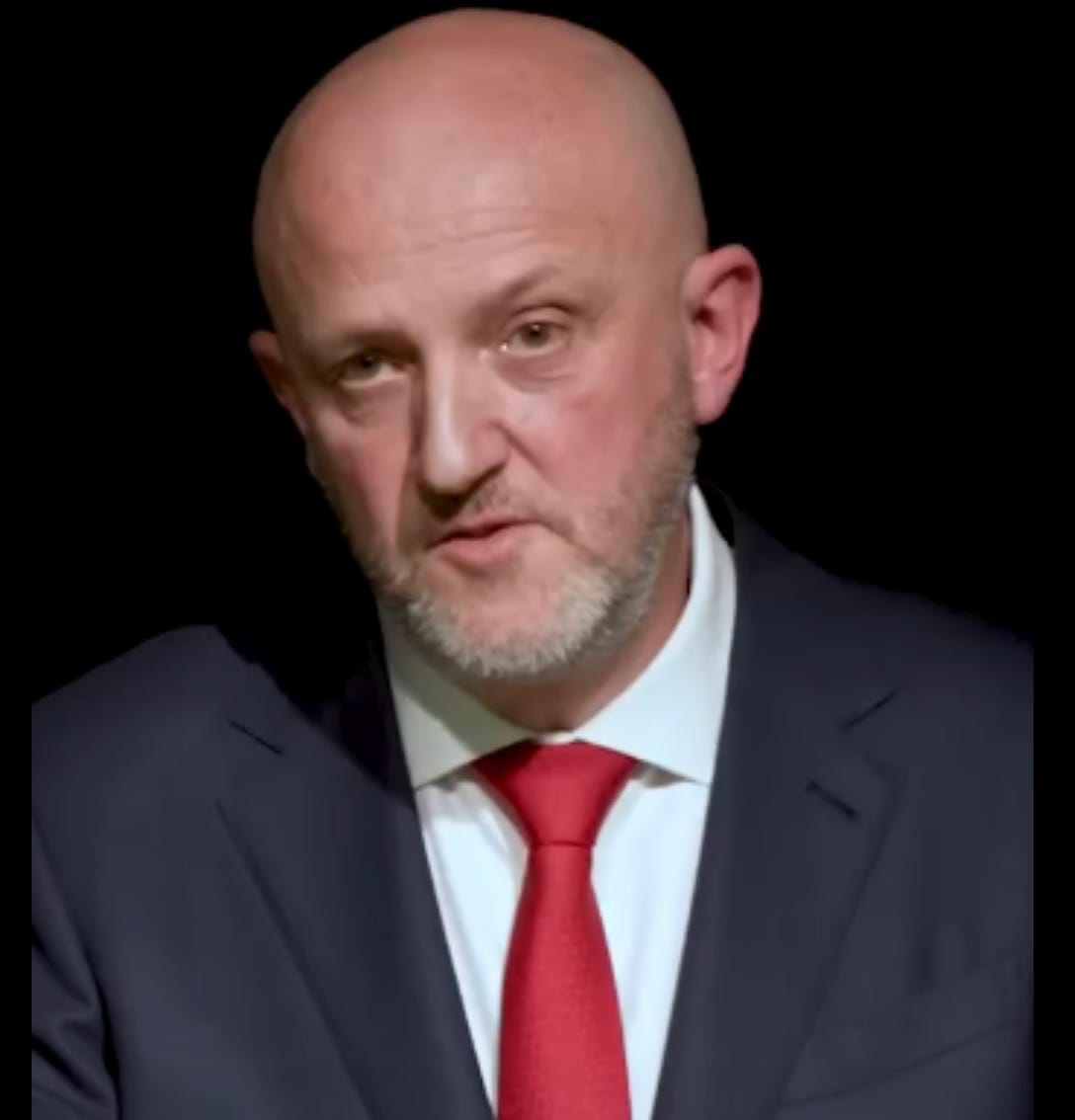
He said counter-terrorism remained a priority even as espionage and foreign interference demanded more attention, and that counter-terror resourcing increased when the threat level was raised in 2024.
Burgess said ASIO has foiled 31 major terrorism plots since 2014 and resolved 14 significant terror-related cases since the Bondi attack in December last year. He also warned that Australia’s current terror threat level of probable does not fully capture the risks being faced. Pointing to antisemitic attacks and Iran-backed activity, he said foreign governments and aligned groups remained capable of directing violence inside Australia.
Sources: ABC, FT
France confirmed on Wednesday the first Ebola case identified on its territory after a doctor returned from the Democratic Republic of Congo, where a major outbreak is under way. The patient arrived in Paris on Tuesday on a commercial flight from Kinshasa, was isolated on landing and was later confirmed positive, with the health ministry saying the doctor was in stable condition with a very low viral load.
French authorities said the risk of transmission to the wider population remained low. Health Minister Stéphanie Rist said five other passengers had been identified as possible contacts and placed in isolation as a precaution.
The case is the first detected outside Africa during the current outbreak, which was declared in DR Congo on May 15 and has recorded more than 1,000 cases and at least 260 deaths. The World Health Organization said the global risk remained low.
Sources: France 24, New York Times

Three International Criminal Court judges sued President Donald Trump and his administration on Wednesday, arguing that sanctions imposed on them last year were unlawful and designed to punish and coerce them over prior judicial decisions. The case was filed in federal court in Manhattan by judges Kimberly Prost, Solomy Balungi Bossa and Reine Adelaide Sophie Alapini-Gansou.
The lawsuit says the sanctions amount to unprecedented political retaliation linked to the court’s investigations involving Israel and a past decision to open a case into alleged war crimes by US troops in Afghanistan.
The judges argued the measures exceeded the scope of the International Emergency Economic Powers Act and were not based on a genuine national emergency. They also said the sanctions had cut them off from routine financial services, online platforms, travel bookings and, in some cases, health insurance.
Sources: Le Monde, Reuters
US President Donald Trump said on Wednesday it might never be known who was responsible for the strike on a girls’ school in Iran on 28 February, even as an investigation into the attack continues. Speaking to reporters, Trump said there had been missiles “flying all over the place” and added: “I don’t think it was us.”
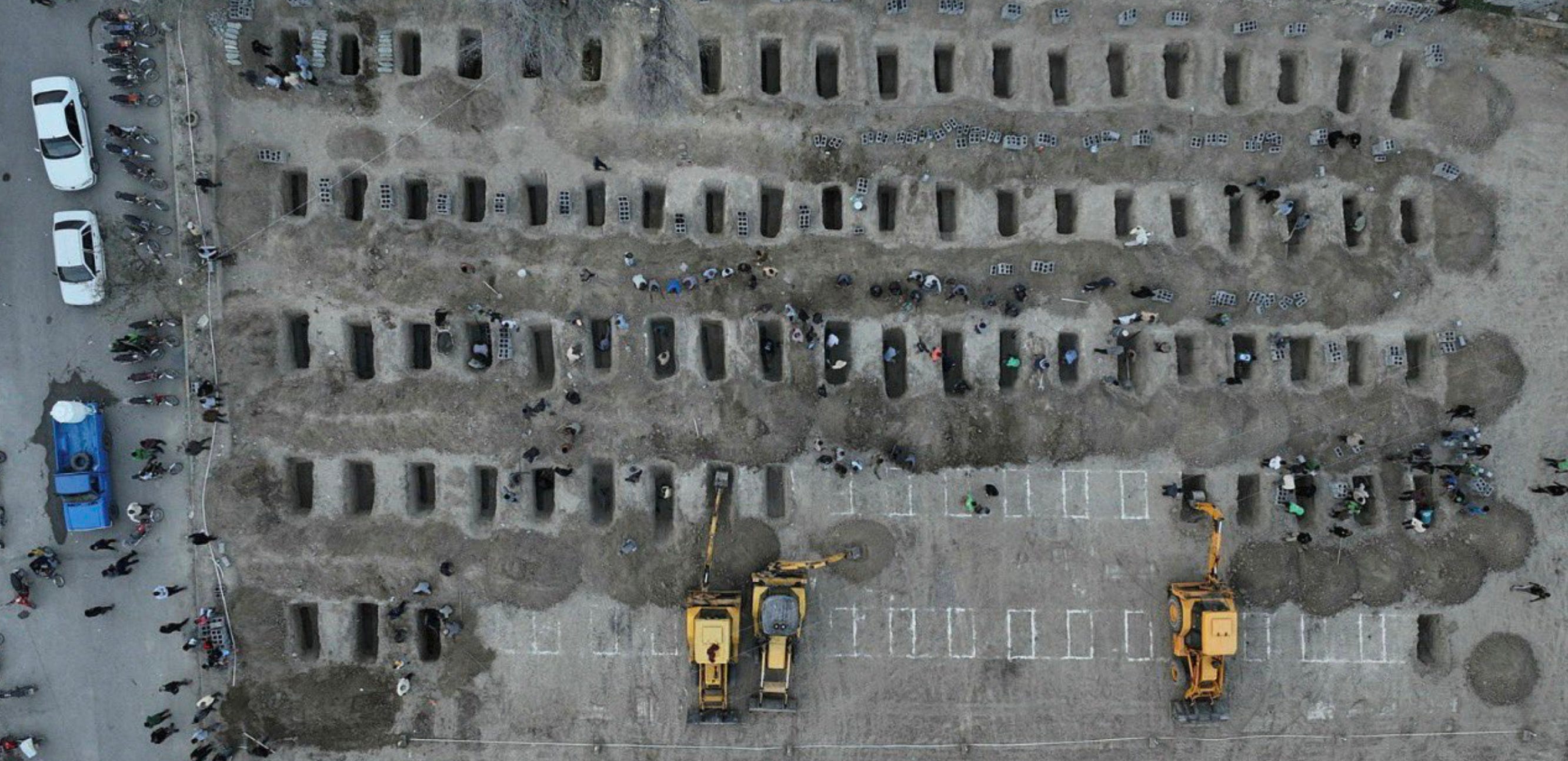
The strike on the school in Minab killed at least 175 people, mostly children, according to reports cited in the source material. Trump initially claimed, without evidence, that Iran was responsible, but has since said he does not know enough about the strike and will accept the results of the inquiry.
The case remains one of the most contentious civilian incidents of the war, with no public explanation yet for why the school was hit.
Sources: Reuters, The Guardian
Restacking or sharing this publication means more people can read it. Commenting extends the conversation. Liking shows your appreciation.
On this day …
On this day in 1950, North Korean forces crossed the 38th parallel and invaded South Korea, beginning the Korean War.
The conflict quickly drew in the United States and other United Nations forces, while China later entered on behalf of the North.
Fighting ended with an armistice in 1953 rather than a peace treaty, leaving the Korean Peninsula divided and heavily militarised.
More than seven decades later, that division remains one of the most enduring legacies of the early Cold War.
How much of today’s strategic landscape was shaped by decisions made in 1950?