


Trump Orders Navy To Target Iranian Mining Boats
Israel Lebanon Truce Extended As Iran Talks Stall
Trump Rules Out Nuclear Strike On Iran
Iran War Drains Costly US Weapons Stockpiles
Iran War Set To Push Millions Into Poverty
Panama Canal Costs Surge As Hormuz Shuts
EU Formally Backs Ukraine Loan After Hungary Lifts Veto
UK Biobank Data Listed For Sale In China
US Accuses China Of Massive AI Technology Theft
US Soldier Charged Over Maduro Raid Bets

US President Donald Trump ordered the US military to “shoot and kill” Iranian small boats laying mines in the Strait of Hormuz, while US minesweepers intensified operations to clear the waterway.
The move followed renewed Iranian efforts to disrupt shipping and the seizure of another tanker linked to Iranian oil smuggling, deepening the standoff around a route that carried about 20 percent of global oil and gas trade before the war.
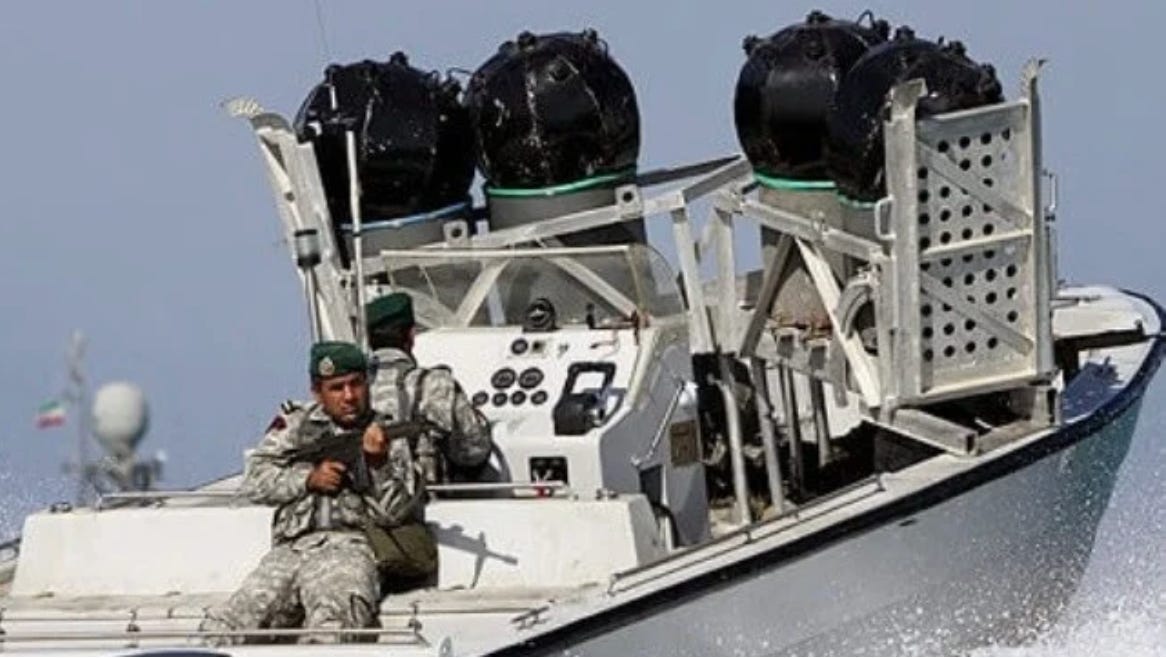
The confrontation unfolded alongside duelling maritime blockades and uncertainty over renewed diplomacy. Iran conditioned further talks on lifting the US blockade of its ports and ships, while Washington demanded that Tehran reopen the strait to international traffic. Trump also extended a ceasefire linked to the wider conflict but warned that military action could resume if negotiations failed.
Sources: Associated Press, Al Jazeera

Israel and Lebanon extended a shaky ceasefire for three weeks at a White House meeting brokered by President Donald Trump, even as fighting continued in southern Lebanon. Trump said he expected Israeli Prime Minister Benjamin Netanyahu and Lebanese President Joseph Aoun to meet him during the ceasefire, and said there was “a very good chance of having peace.”
The extension came as the wider regional conflict remained unresolved. Fighting between Israel and Iranian-backed Hezbollah has been one obstacle to ending the eight-week conflict, alongside Iran’s nuclear ambitions and control of the Strait of Hormuz. Hezbollah said it fired rockets at northern Israel in response to Israeli violations, while Israel said launches were intercepted.
Iran refused to attend a second round of talks with the United States this week because of an ongoing US naval blockade, but Trump extended a truce with Iran indefinitely.
Sources: Le Monde, Reuters

Donald Trump ruled out using a nuclear weapon against Iran, saying there was no need because the United States had “decimated” Iran in a conventional way. Speaking at the White House, he said a nuclear weapon “should never be allowed to be used by anybody.”
Trump also repeated that Iran should not have a nuclear bomb, saying Tehran was “not going to have” one. He said the United States had stopped military action early because Iran wanted peace, and described the US blockade as “100 percent effective.”
The comments came after Trump established an indefinite ceasefire with Iran, one day before a previous two-week pause was due to expire. He said Iran wanted to make a deal, but claimed its leadership was in turmoil and pushed back when asked how long he would wait, saying: “Don’t rush me.”
Sources: The Hill, Le Monde

The Iran war has rapidly depleted some of the most costly US munitions, forcing the Pentagon to move bombs, missiles and other hardware to the Middle East from commands in Asia and Europe. Internal estimates and officials cited in the sources say the military has used around 1,100 JASSM-ER stealth cruise missiles, more than 1,000 Tomahawks and more than 1,200 Patriot interceptors.
The drawdowns have left regional commands less ready to confront potential adversaries including Russia and China, while replenishment could take years at current production rates. The strain has also exposed reliance on expensive missiles and interceptors, with officials still awaiting congressional funding to expand production under long-term contractor agreements.
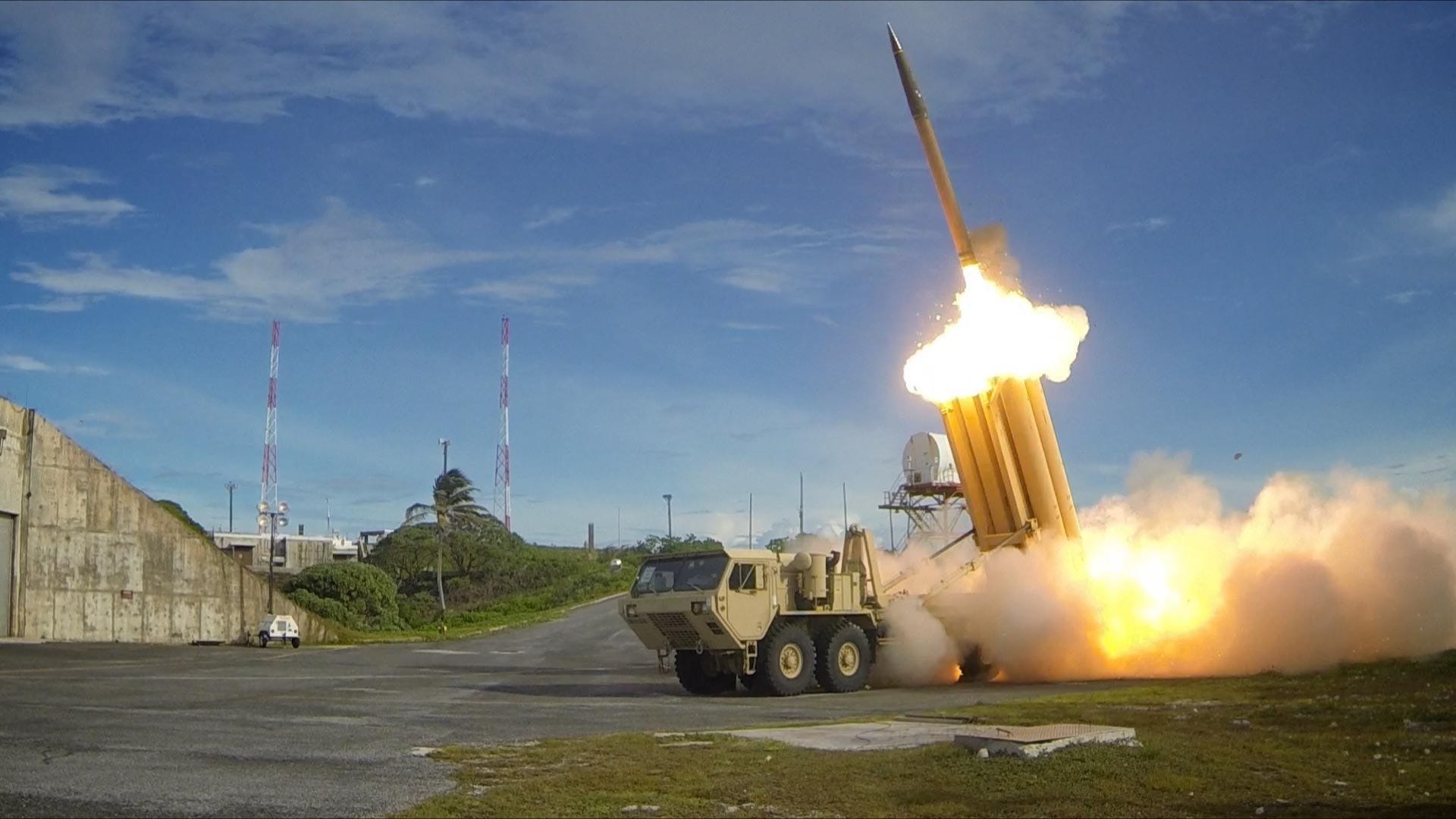
The White House disputed the premise, saying US stockpiles remained sufficient for any mission directed by the commander in chief.
Sources: New York Times, India Today

The Iran war will push more than 30 million people back into poverty, Alexander De Croo, administrator of the United Nations Development Programme, warned. He said disruptions to fuel and fertiliser supplies, including the blocking of cargo vessels through the Strait of Hormuz, had already lowered agricultural productivity and would likely hit crop yields later this year.
De Croo said food insecurity would be at its peak level in a few months, alongside energy shortages and falling remittances. Much of the world’s fertiliser is produced in the Middle East, and one-third of global supplies passes through Hormuz, where Iran and the United States are jostling for control.
He said the crisis had already wiped out an estimated 0.5 percent to 0.8 percent of global GDP and was straining humanitarian efforts as funding shrinks and needs rise.
Sources: Reuters, Al Jazeera

Panama Canal crossing costs have surged as the Strait of Hormuz remains effectively closed, forcing companies to reroute shipments and compete for faster passage. The Panama Canal Authority said businesses have paid up to $4 million to move vessels through the waterway, while average additional costs for earlier crossings have risen to about $425,000.
Canal administrator Ricaurte Vásquez said one fuel vessel paid an extra $4 million after changing destination because of geopolitical tensions, and other oil companies paid more than $3 million to accelerate passage amid soaring oil prices. He said the costs reflected last-minute shifts and urgency rather than a blanket market rate.
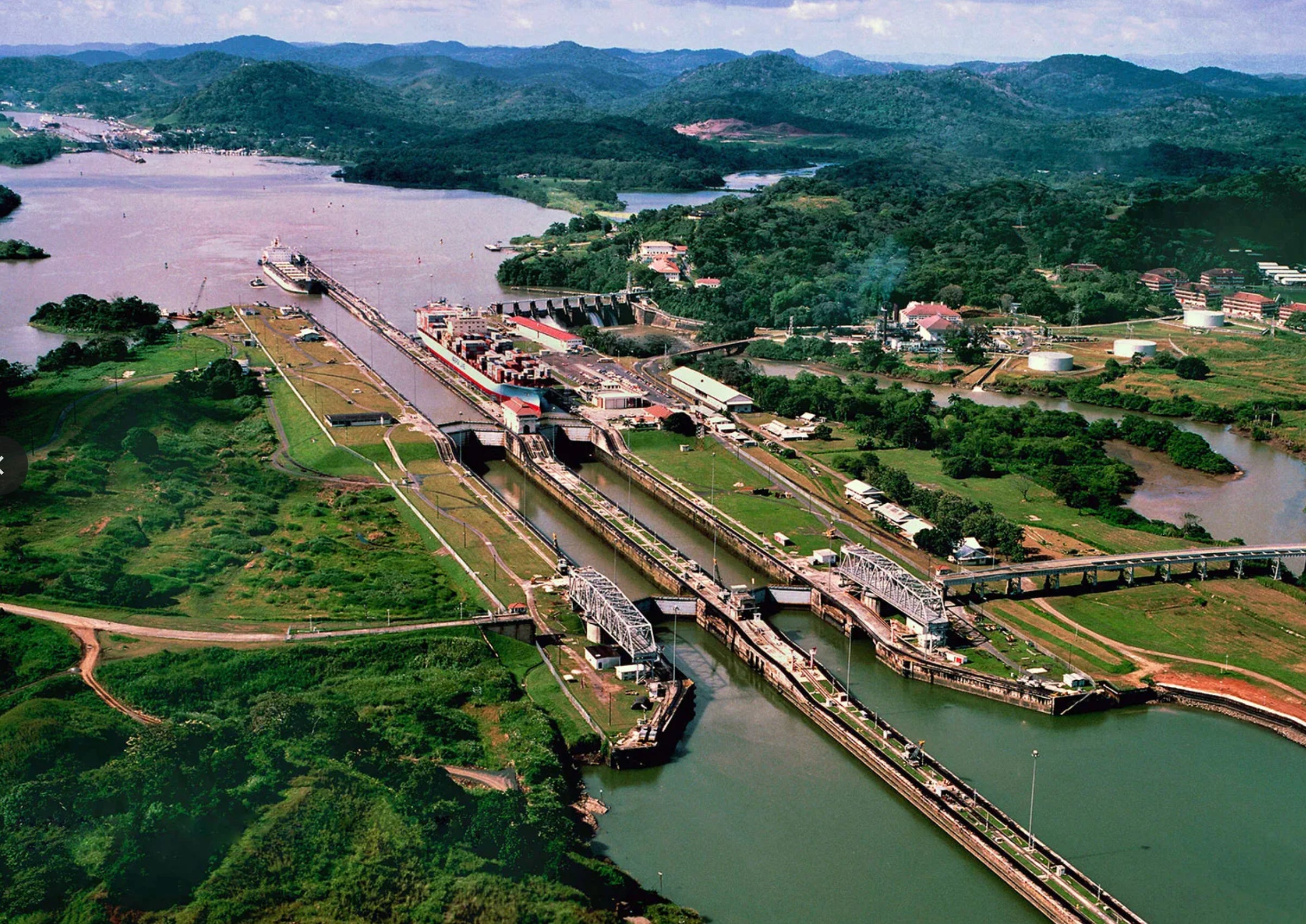
The disruption has pushed Asian buyers towards western crude, increased cargo diversions and raised freight costs, with analysts saying Panama’s route is becoming more attractive as trade flows adjust to the Hormuz chokehold.
Sources: FT, Associated Press

EU leaders formally approved a long-delayed €90bn loan for Ukraine after Hungary lifted its veto, ending weeks of diplomatic deadlock. The agreement was completed alongside a 20th sanctions package against Russia, allowing leaders to sign off before a summit in Cyprus attended by Volodymyr Zelenskyy.
Ursula von der Leyen said the bloc was “doubling down” on support for Ukraine while putting pressure on Russia’s war economy. The loan is expected to provide two-thirds of Ukraine’s financial needs in 2026 and 2027, with the first tranche of planned 2026 funding potentially disbursed by the end of June.
The sanctions package blacklists Russian banks and energy companies, as well as entities in the United Arab Emirates, Thailand and China accused of helping Moscow evade restrictions. The EU is also imposing export limits on Kyrgyzstan over alleged re-exports to Russia.
Sources: The Guardian, Euronews

Medical data from 500,000 UK Biobank participants was listed for sale on Alibaba in China, the British government confirmed. Technology minister Ian Murray told MPs the charity alerted the government on Monday and said the information did not include names, addresses, contact details or telephone numbers.
Murray said the data could include gender, age, month and year of birth, socioeconomic status, lifestyle habits and measures from biological samples. He said no purchases were thought to have been made before the listings were removed, and described the incident as a legitimate download by an accredited organisation rather than a leak or cyber-attack.
UK Biobank suspended access to its research platform, revoked access for three research institutions and said the listings appeared to be a clear breach of contract. The Information Commissioner’s Office said it was making enquiries.
Sources: BBC, DW

The White House accused China of industrial-scale theft of intellectual property from American artificial intelligence labs, warning that foreign entities, principally based in China, were conducting campaigns to distil US frontier AI systems. Michael Kratsios, director of the White House Office of Science and Technology Policy, said the campaigns used tens of thousands of proxy accounts and jailbreaking techniques to expose proprietary information and was “theft on an industrial scale”.
The memo, issued weeks before Donald Trump is set to meet Xi Jinping in Beijing, risks raising tensions in a long-running technology dispute between the two countries. It said the administration would share information with American AI companies and explore measures to hold foreign actors accountable.
The Chinese Embassy in Washington rejected the accusations as baseless and said Beijing attached great importance to protecting intellectual property rights.
Sources: Reuters, FT

A US soldier involved in the capture of Venezuelan president Nicolás Maduro was charged after allegedly using confidential government information to win about $400,000 through prediction market wagers. Prosecutors said Gannon Ken Van Dyke helped plan the operation and placed bets related to US forces entering Venezuela and Maduro’s removal from office.
Van Dyke faces charges including commodities fraud, wire fraud and unlawful use of confidential government information for personal gain. Prosecutors said the bets were placed on Polymarket, where contracts surged after US forces captured Maduro and his wife, Cilia Flores, in Caracas on January 3.
Acting attorney general Todd Blanche said service members are trusted with classified information and prohibited from using it for personal financial gain. Donald Trump said he would look into the arrest and said “the whole world unfortunately has become somewhat of a casino.”
Sources: Washington Post, The Guardian
On this day …
On this day in 1990, the Hubble Space Telescope was launched aboard the Space Shuttle Discovery, marking a major advance in humanity’s ability to observe the universe.
Operating above Earth’s atmosphere, Hubble delivered unprecedented images of distant galaxies, nebulae, and planetary systems, helping refine measurements of the universe’s age and expansion.
Its discoveries reshaped modern astronomy while demonstrating the value of long-term international scientific cooperation in space exploration. Decades after its launch, Hubble remained one of the most productive scientific instruments ever deployed beyond Earth.
Did Hubble change not only what scientists knew about the universe, but how the public imagined humanity’s place within it?
Hegseth, asked Michigan&Wisconsin... 🚗 auto factory 🏭, to start building 🚀🪖💣 weapons
ALSO, Hegseth said, automatic registration Draft 🪖 starts in December,(then he added it would save 🤑 money)