


Trump Ultimatum Raises Risk To Gulf Energy And Water Systems
Missile Strikes Expose Israel’s Southern Vulnerability
Iran Uses Hormuz Access To Raise Economic Pressure
IEA Warns Iran War Energy Shock Exceeds Past Crises
LNG Crunch Nears As Final Gulf Cargoes Approach
Cuba Restores Power As U.S. Threats Escalate
France’s Local Vote Checks Far-Right Momentum
Merz Wins State Vote As AfD Deepens Western Gains
Sudan Hospital Strike Pushes Health Facilities Toll Past 2,000
UN Says Earth’s Heat Imbalance Hit Record In 2025

U.S. President Donald Trump has warned Iran it must restore freedom of navigation in the Strait of Hormuz within 48 hours or face strikes on its power plants, sharply escalating the fourth week of the U.S.-Israeli war launched on February 28. Shipping through the strait, which normally carries a fifth of global oil and gas, has largely halted, while Iran says vessels linked to its enemies remain excluded.
Tehran responded that any attack on its energy infrastructure would trigger retaliation against U.S. and regional energy, information technology and water desalination systems, on which Gulf states depend heavily. Markets have already been unsettled by the confrontation, with oil reaching its highest level in nearly four years and European gas prices surging by as much as 35%.
Iran’s Revolutionary Guards also warned the strait would remain closed until damaged Iranian power plants are rebuilt, raising fears of deeper disruption to energy supplies and civilian infrastructure across the region.
Sources: Reuters, Al Jazeera

Iranian missile strikes on Arad and Dimona in southern Israel injured more than 115 people over the weekend, puncturing Israel’s air defences and shaking towns closest to the country’s main nuclear research installation and reactor.
No fatalities were reported, but the attacks damaged apartment blocks, scattered debris through residential areas and prompted an Israeli military investigation into the interception failures.
The strikes delivered a sharper sense of vulnerability after weeks in which Israeli casualties had remained relatively low. Israeli officials said the missile hit near Dimona underlined Iran’s continued ability to launch counterattacks despite sustained strikes on its military sites, while the International Atomic Energy Agency said no abnormal off-site radiation levels had been observed following the attacks. Residents described blasts that shook homes, filled safe rooms with dust and smoke, and damaged multiple apartment buildings.
Sources: New York Times, NBC News

Iran has said the Strait of Hormuz remains open to shipping except vessels linked to “Iran’s enemies”, while U.S. pressure to reopen the waterway has intensified as the war enters its fourth week. The strait is the conduit for around a fifth of global oil and liquefied natural gas supplies, and the threat of attack has kept most ships from moving through it.
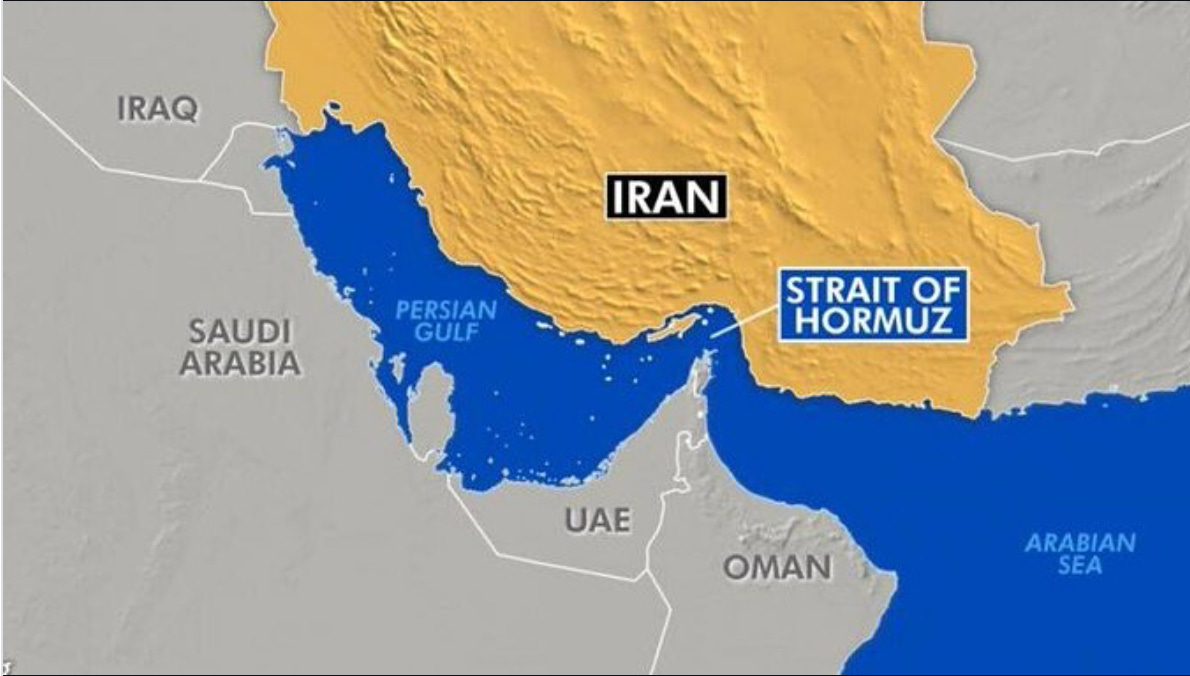
Regional officials say Tehran is using its influence over the strait to raise economic pressure rather than move toward a diplomatic off-ramp. President Donald Trump has given Iran 48 hours to reopen the waterway, threatening to strike the country’s power plants if it does not comply. Iranian officials say ships not linked to its enemies can pass by coordinating security and safety arrangements with Tehran.
Sources: Reuters, Washington Post

The head of the International Energy Agency, Fatih Birol warned that the energy crisis caused by the war in Iran now combines the force of the 1970s twin oil shocks and the fallout from Russia’s invasion of Ukraine. He said the current disruption already represents the loss of 11 million barrels of oil per day and about 140 bcm of gas, after bombings in Iran and the closure of the Strait of Hormuz.
Mr Birol said at least 40 energy assets in the Gulf region had been severely or very severely damaged, meaning an end to the conflict would not immediately restore supply.
The agency released 400 million barrels of oil from strategic reserves on 11 March, the largest emergency measure in its history, and said that represented only 20% of overall stocks. He also warned that no country would be immune if the crisis continues.
Sources: The Guardian, European Business Magazine

The world faces a tightening liquefied natural gas squeeze as some of the last cargoes loaded in Qatar and the United Arab Emirates before the war are due to reach customers in the coming 10 days. Qatar, which produces a fifth of global LNG, stopped exports after the Strait of Hormuz was blockaded, while damage at the Ras Laffan plant has added to supply disruption and pushed gas prices higher in Asia and Europe.
The remaining arrivals are limited. Only one Gulf cargo is still scheduled to reach Asia, while six shipments are due in Europe. Countries reliant on imported gas are being forced to compete for replacement supply, switch fuels or curb demand.
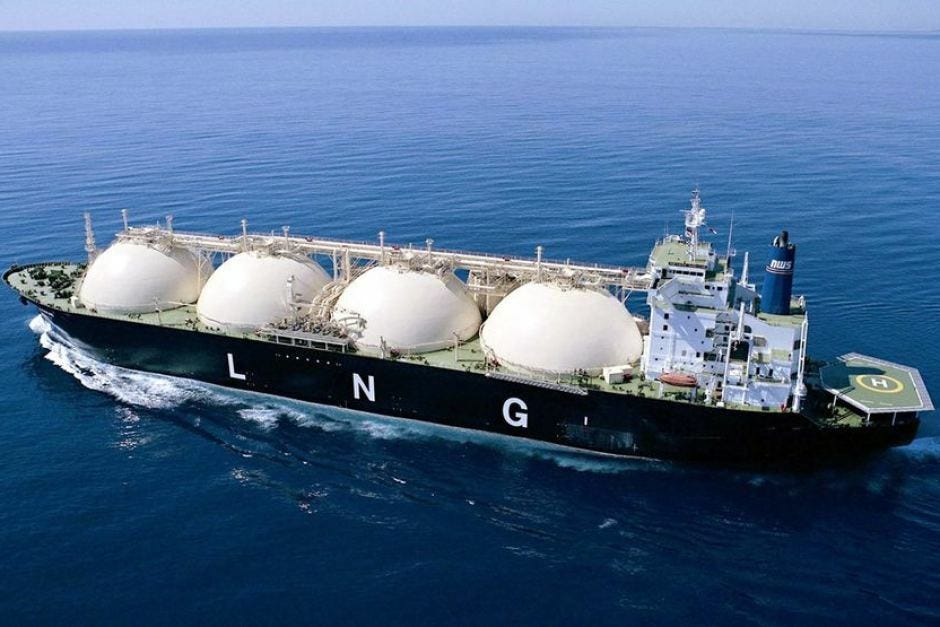
Pakistan is among the most exposed, with one terminal expected to run out of LNG in the coming days and both terminals operating at one-sixth of normal levels. Qatar’s energy minister has also said 17% of the country’s LNG capacity will stay out of service for three to five years.
Sources: FT, Forbes

Cuba said it was prepared for any potential U.S. attack as authorities worked to restore electricity after the second nationwide blackout in less than a week. Deputy Foreign Minister Carlos Fernandez de Cossio said military engagement with the United States was unlikely, but said Cuba would be naive not to prepare. His remarks followed President Donald Trump’s threats to take over the island and came as Washington’s oil blockade pushed the country deeper into economic crisis.
The latest outage was the third in March. Cuban authorities said the national system disconnected after an unexpected shutdown at the Nuevitas thermoelectric plant, while power restoration in Havana remained partial. Officials said some 72,000 customers in the capital had electricity again early on Sunday, while a later update said two-thirds of Havana had power again by the afternoon.
Cuba has not received oil from foreign suppliers for three months, according to President Miguel Diaz-Canel.
Sources: South China Morning Post, Al Jazeera

France’s municipal elections delivered a mixed verdict on the far right 13 months before the presidential vote, with mainstream parties holding the biggest cities while far-right candidates made gains elsewhere. Socialists and allies kept control of Paris, Marseille, Lyon and Lille, while the National Rally failed to win major targets including Marseille. An ally of Marine Le Pen won in Nice, and the far right also made gains in smaller towns including Carcassonne.
The results suggested less a far-right wave than a fragmented political landscape. Turnout was the lowest in two decades, except for 2020, pointing to a disenchanted electorate. The elections also offered a bellwether for next year’s presidential race, even if analysts cautioned against reading mayoral contests too directly as a forecast.
For the far right, the outcome underlined continued strength outside major cities, but also the limits of that reach in the urban centres that matter politically.
Sources: New York Times, BBC

German Chancellor Friedrich Merz’s conservatives won the state election in Rhineland-Palatinate, taking 31% of the vote and ending 35 years of Social Democratic rule. The Social Democrats fell to about 26%, a drop of around 10 percentage points, and are expected to become the junior partner in a coalition with the Christian Democrats. The result gave Merz a needed victory after a narrow loss in neighbouring Baden-Wuerttemberg earlier this month.
The far-right Alternative for Germany (AfD) more than doubled its support to about 20%, its best-ever result in a western German state, and is set to become the main opposition bloc. The outcome deepened pressure on the Social Democrats nationally and added to concern about the far right’s growing reach beyond its eastern strongholds. The election was the second of five state races this year and is being watched as a test of the national mood.
Sources: Reuters, Politico Europe

A strike on al-Daein Teaching Hospital in East Darfur killed at least 64 people, including 13 children, and wounded 89 others, according to the World Health Organization. The attack damaged the paediatric, maternity and emergency departments and rendered the hospital non-functional, cutting off essential medical services in al-Daein, the capital of East Darfur state.
The World Health Organization said the latest strike pushed the total number of fatalities linked to attacks on health facilities during Sudan’s war past 2,000. It said 2,036 people had been killed in 213 attacks on healthcare since the conflict between Sudan’s army and the Rapid Support Forces began in April 2023.
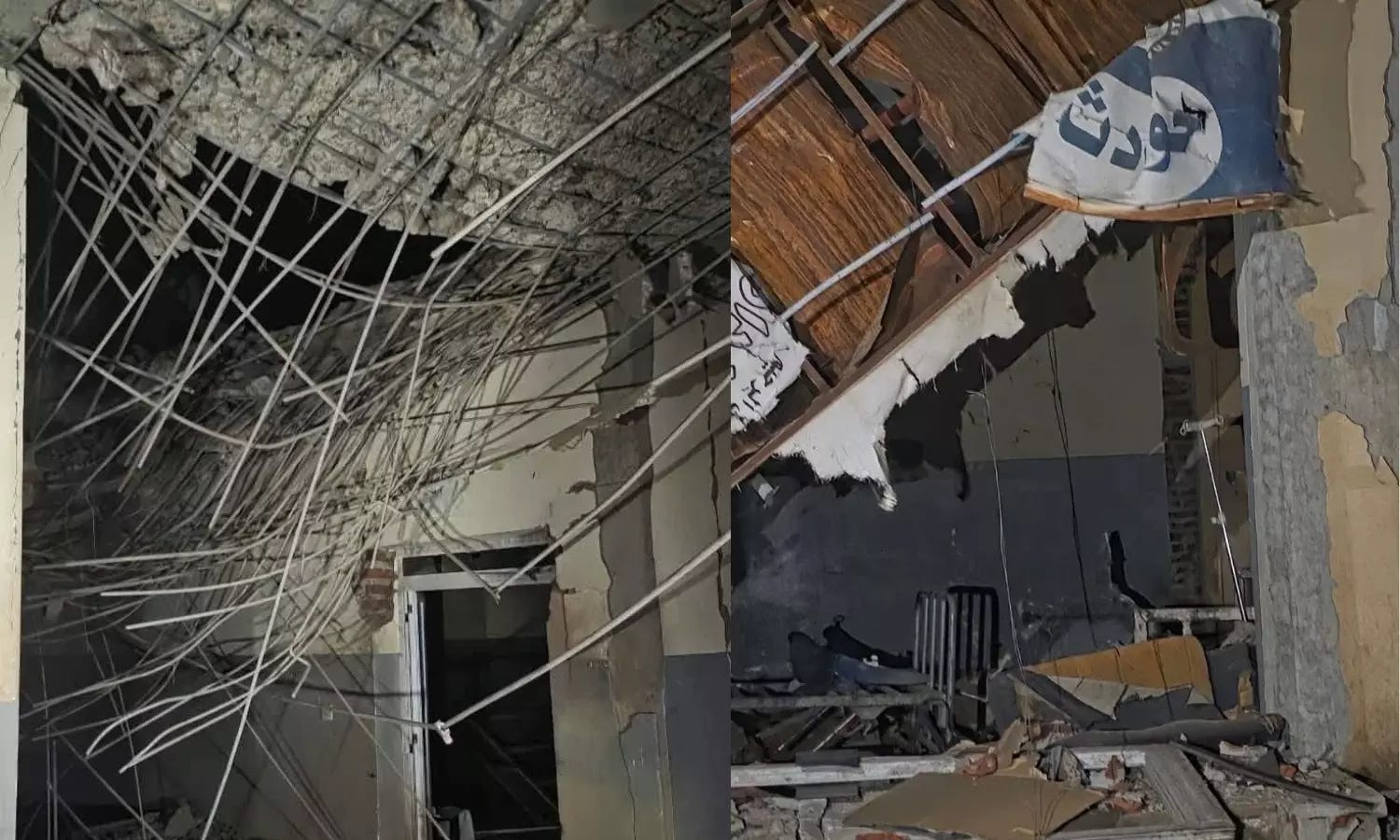
The war has created one of the world’s fastest-growing humanitarian crises, with both sides accused of war crimes and crimes against humanity. The latest hospital strike underlined how the conflict continues to destroy already scarce civilian infrastructure.
Sources: NPR, Al Jazeera
The Earth’s energy imbalance reached a record high in 2025, with the world’s weather and climate agency warning that the effects of trapped heat will last for hundreds and thousands of years. The agency said 2015 to 2025 were the hottest 11 years ever recorded, while 2025 was the second or third hottest year on record at about 1.43C above the 1850-1900 average.
More than 91% of excess heat is being stored in the oceans, where heat content also reached a new record high and the rate of warming more than doubled from 1960-2005 to 2005-2025. The agency said concentrations of carbon dioxide, methane and nitrous oxide are now at their highest level in at least 800,000 years.
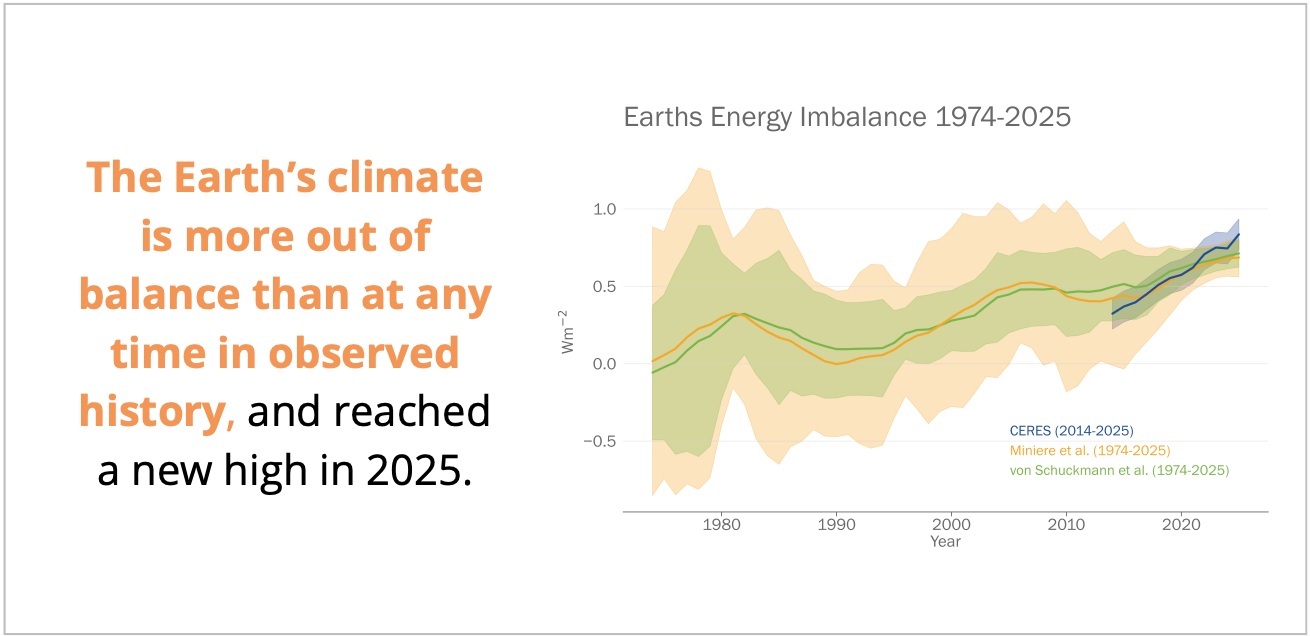
It warned that ocean warming, sea level rise and ice loss are expected to continue for centuries, with global mean sea level in 2025 around 11cm higher than in 1993.
“The global climate is in a state of emergency. Planet Earth is being pushed beyond its limits. Every key climate indicator is flashing red,” said UN Secretary General Antonio Guterres.
Sources: South China Morning Post, The Guardian, World Meteorological Organisation
On this day …
On this day in 1983, U.S. President Ronald Reagan announced the Strategic Defense Initiative, also known as “Star Wars” a proposed missile defence system designed to intercept incoming nuclear weapons.
Framed as a shift from deterrence to defence, the programme aimed to render nuclear missiles “impotent and obsolete,” but was widely criticised as technologically unproven and strategically destabilising.
It intensified Cold War competition, forcing the Soviet Union to consider costly countermeasures. Although never fully realised, the initiative reshaped military thinking and accelerated the arms race into new technological domains.
What happens when defensive innovation is perceived as offensive escalation?