


US Sends Vance To Pakistan For Iran Talks
Trump Bets On Fast Iran Deal Before Ceasefire Ends
Amnesty Warns Predatory Order Is Taking Hold
Japan Opens Arms Export Era With Rule Overhaul
Starmer Admits Mandelson Appointment Was Wrong
Clean Power Met New Demand In 2025
Israel Probes Lebanon Jesus Statue Vandalism
Four Audition For UN’s Top Job Amid Crisis
China Sends Warships As Japan Joins Balikatan Drills
US Starts $166 Billion Tariff Refund Process

US vice-president JD Vance is expected to travel to Islamabad with envoys Steve Witkoff and Jared Kushner for high-stakes talks with Iran as a fragile ceasefire approaches expiry. The discussions could take place on Wednesday if Tehran participates, after Iranian negotiators received approval from the supreme leader to attend following uncertainty and internal pressure to maintain a hardline stance.
The talks take place as Donald Trump warned the two-week ceasefire ends Wednesday evening Washington time and indicated bombing could restart if no agreement is reached, though he also signalled he would not rush into a bad deal. Iran’s president Masoud Pezeshkian cited deep mistrust of US intentions, while parliamentary speaker Mohammad Bagher Ghalibaf said negotiations could not proceed under threats.
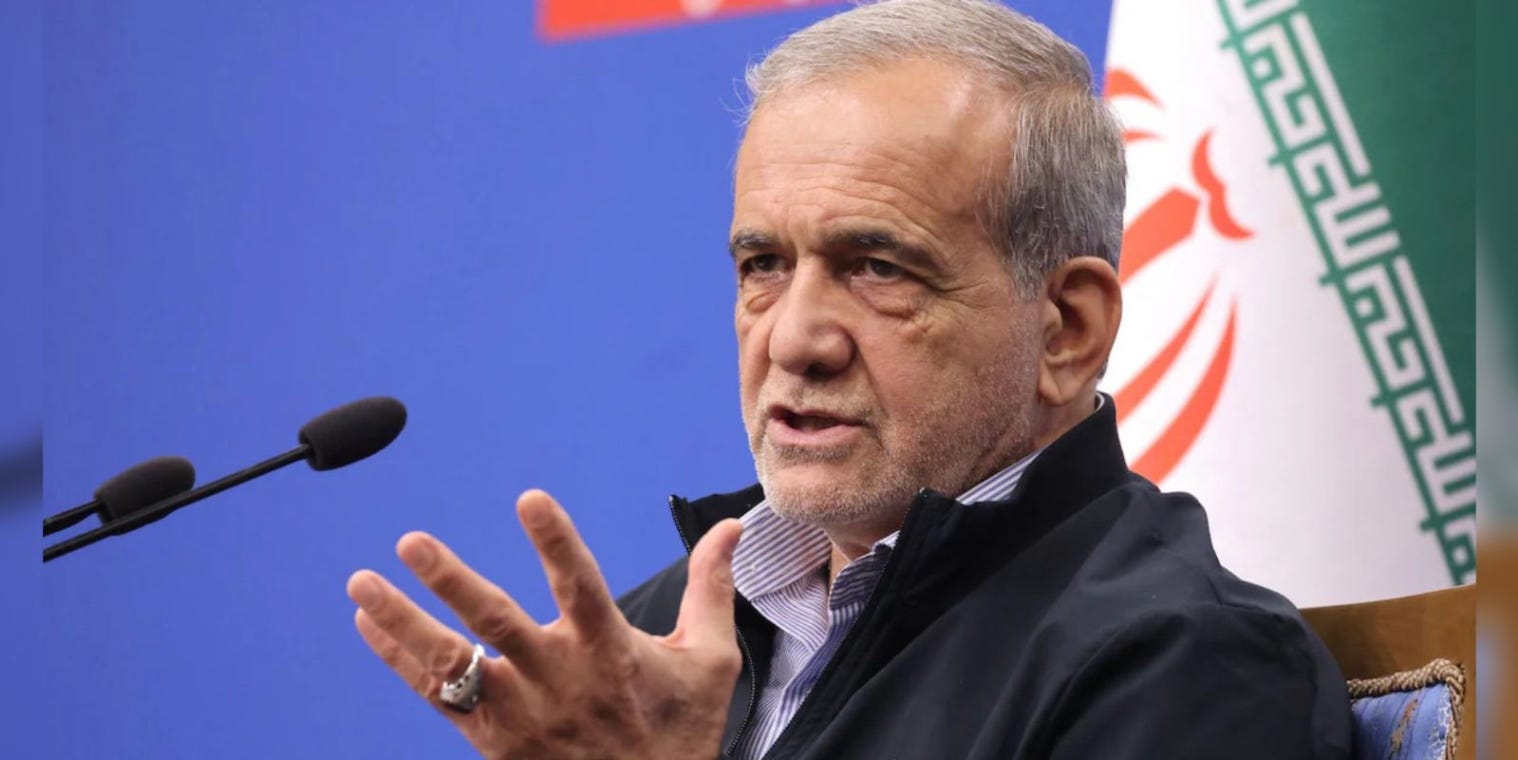
The conflict has already disrupted oil flows through the Strait of Hormuz, a route carrying about one-fifth of global energy supply, increasing global attention on the outcome of the Islamabad meeting.
Sources: The Guardian, Times of India

Donald Trump said on Monday that the nuclear deal his administration is negotiating with Iran will be far better than the 2015 accord, as a two-week ceasefire nears expiry and prospects for a second round of talks in Pakistan remain unclear. He also said he was under no pressure, even as doubts persisted over whether any credible agreement could be reached quickly.
The confrontation is not only over terms but over tempo. Trump has pushed for immediate results, while Iran has stressed resilience, delay and distrust after the earlier accord was overturned in 2018 and after two US attacks during negotiations in June 2025 and this February.
The stakes extend beyond diplomacy. Renewed combat, global energy shortages and further disruption near the Strait of Hormuz remain in play if the two sides fail to narrow the gap.
Sources: Reuters, New York Times

A new annual human rights report warns that a predatory, anti-rights order is taking hold as powerful states, corporations and movements assault multilateralism, international law and civil society. Amnesty International Secretary General Agnès Callamard said the moment marks a direct assault on the foundations of human rights and the international rules-based order for control, impunity and profit.
The report says 2025 was marked by predatory behaviour from powerful actors and argues that the spiralling conflict in the Middle East reflects this descent into lawlessness. It says the early 2026 US and Israeli attacks on Iran, followed by retaliatory Iranian strikes, have harmed civilian infrastructure and threatened access to energy, healthcare, food and water across the region and beyond.
Amnesty calls on states to reject appeasement, resist attacks on international law and back their words with decisive, sustained action.
Sources: DW, Amnesty

Japan on Tuesday unveiled its biggest overhaul of defence export rules in decades, scrapping restrictions that had limited most military exports and opening the way for overseas sales of warships, missiles and other weapons. Prime minister Sanae Takaichi said no country can safeguard its peace and security alone, while the government said the changes are intended to deepen cooperation with allies and like-minded partners.
The revision removes the five categories that had confined exports largely to nonlethal equipment and shifts decisions on lethal weapons to case-by-case review. Tokyo says it will keep strict screening, controls on third-country transfers and, in principle, a ban on sales to countries engaged in conflict, though exceptions may be allowed for security needs.
The policy aims to strengthen Japan’s defence industrial base and broaden partnerships as regional security threats grow. The Philippines welcomed the change, while Tokyo says wider exports could expand production capacity, reduce costs and support deterrence.
Sources: Japan Times, Reuters

Keir Starmer said he made the wrong judgment in appointing Peter Mandelson as Britain’s ambassador to Washington, conceding in parliament that he should not have made the appointment. He said he would not have gone ahead had he known Mandelson had failed security vetting, and apologised again to the victims of Jeffrey Epstein.
The prime minister blamed Foreign Office officials for not telling him about the failed vetting and said it was staggering that the information had been withheld from senior ministers. He denied misleading parliament and resisted calls to resign, even as opposition parties accused him of incompetence and questioned his judgment.
The row has intensified pressure on a leader already facing unrest in his own party and weak poll ratings. Starmer has already dismissed the Foreign Office’s top civil servant, Olly Robbins, and ordered a review of any security concerns linked to Mandelson’s access to sensitive information.
Sources: Associated Press, France 24

Clean power generation rose faster than global electricity demand in 2025, allowing the world’s new power needs to be met without an increase in fossil fuel generation according to a report released by energy based think tank Ember. The shift marked a turning point in the global electricity mix, with renewables reaching 34 per cent of generation and overtaking coal’s 33 per cent share for the first time in a century.
The change was driven largely by record clean power additions in China and India, where rising output outpaced demand growth and led to declines in fossil fuel generation.
Solar was the main force behind the shift, with global generation rising 30 per cent year on year, while growth in battery storage helped extend solar supply beyond daylight hours.
Sources: South China Morning Post, Newsday

Israel’s military said on Monday that it was investigating a soldier who was photographed in southern Lebanon swinging a sledgehammer at the head of a statue of Jesus in Debl, a Christian village near the Israeli border. Benjamin Netanyahu condemned the act, said he was stunned and saddened, and vowed appropriately harsh disciplinary action.
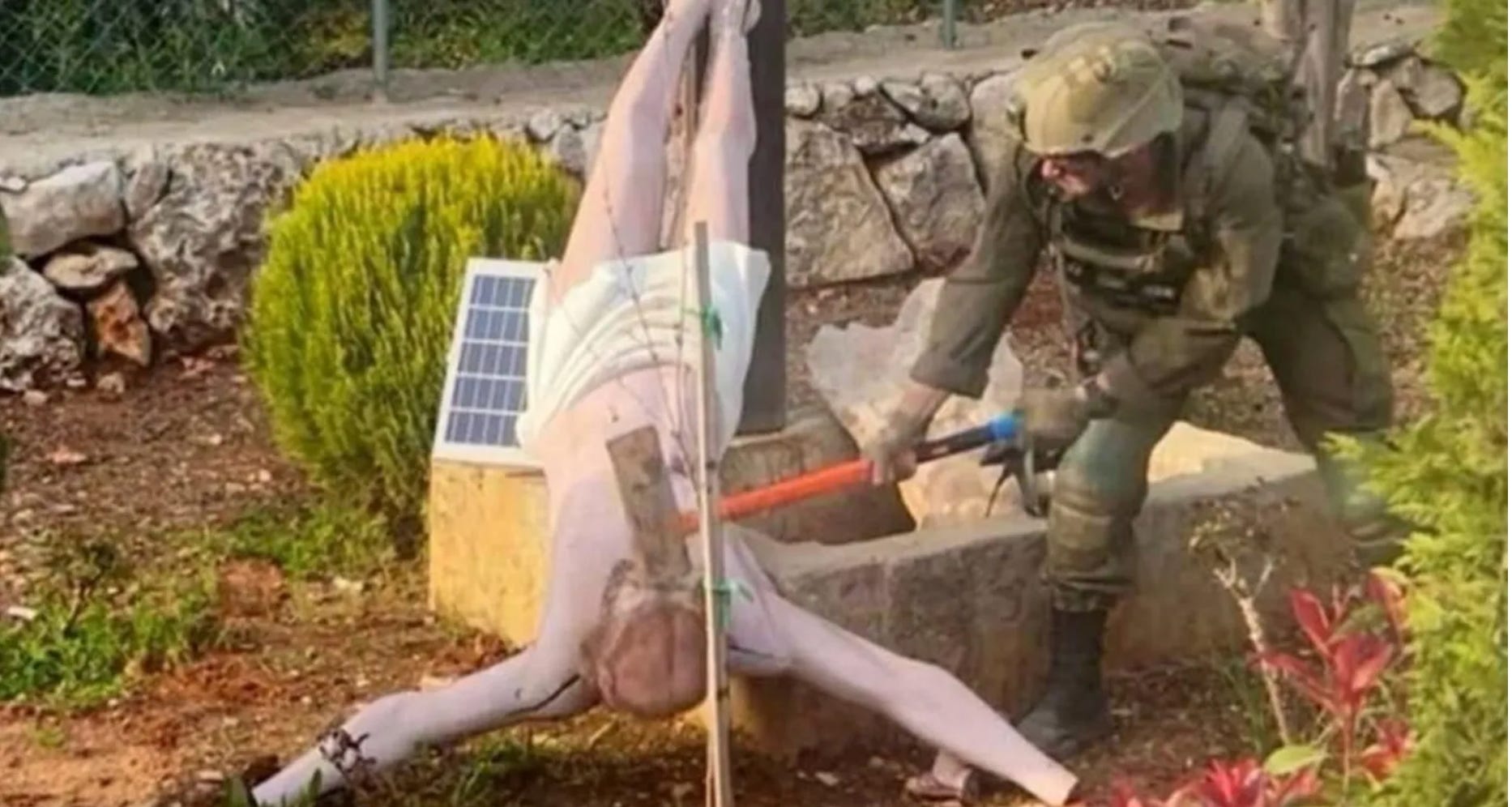
The incident triggered condemnation in the United States and added to criticism of Israel from parts of Donald Trump’s political base. Tucker Carlson, Marjorie Taylor Greene and Matt Gaetz were among those denouncing the image, while Catholic leaders in the Holy Land called it a grave affront to the Christian faith.
Israeli authorities said the soldier had been identified and that the army was working to help restore the statue. But the episode has widened scrutiny of attacks on Christian symbols and places of worship during the wider regional conflict.
Sources: Al Jazeera, New York Times

Four candidates began public auditions this week to become the next secretary-general of the United Nations, a far smaller field than in 2016, when António Guterres emerged from 13 contenders. The hearings come as the organisation faces questions over relevance, with deep divisions among major powers leaving it sidelined on conflicts including Ukraine, Gaza and Iran.
The four declared candidates are Michelle Bachelet of Chile, Rafael Grossi of Argentina, Rebeca Grynspan of Costa Rica and Macky Sall of Senegal. By tradition, Latin America is next in line for the role, though more candidates could still enter in the coming months.
The race is unfolding in a more polarised environment than a decade ago. Michelle Bachelet has already faced criticism from US conservatives, and diplomats say potential candidates are more cautious about entering a contest in which offending Washington or Beijing could carry real diplomatic cost.
Sources: Associated Press, Reuters

China said it had dispatched a naval destroyer group to the western Pacific to test operational capabilities on the same day Japan joined the annual US-Philippine Balikatan drills with combat troops for the first time. Beijing described the deployment as routine training, but the route taken by the ships passed through the Yokoate Waterway, closer to the Japanese mainland than the usual passage.
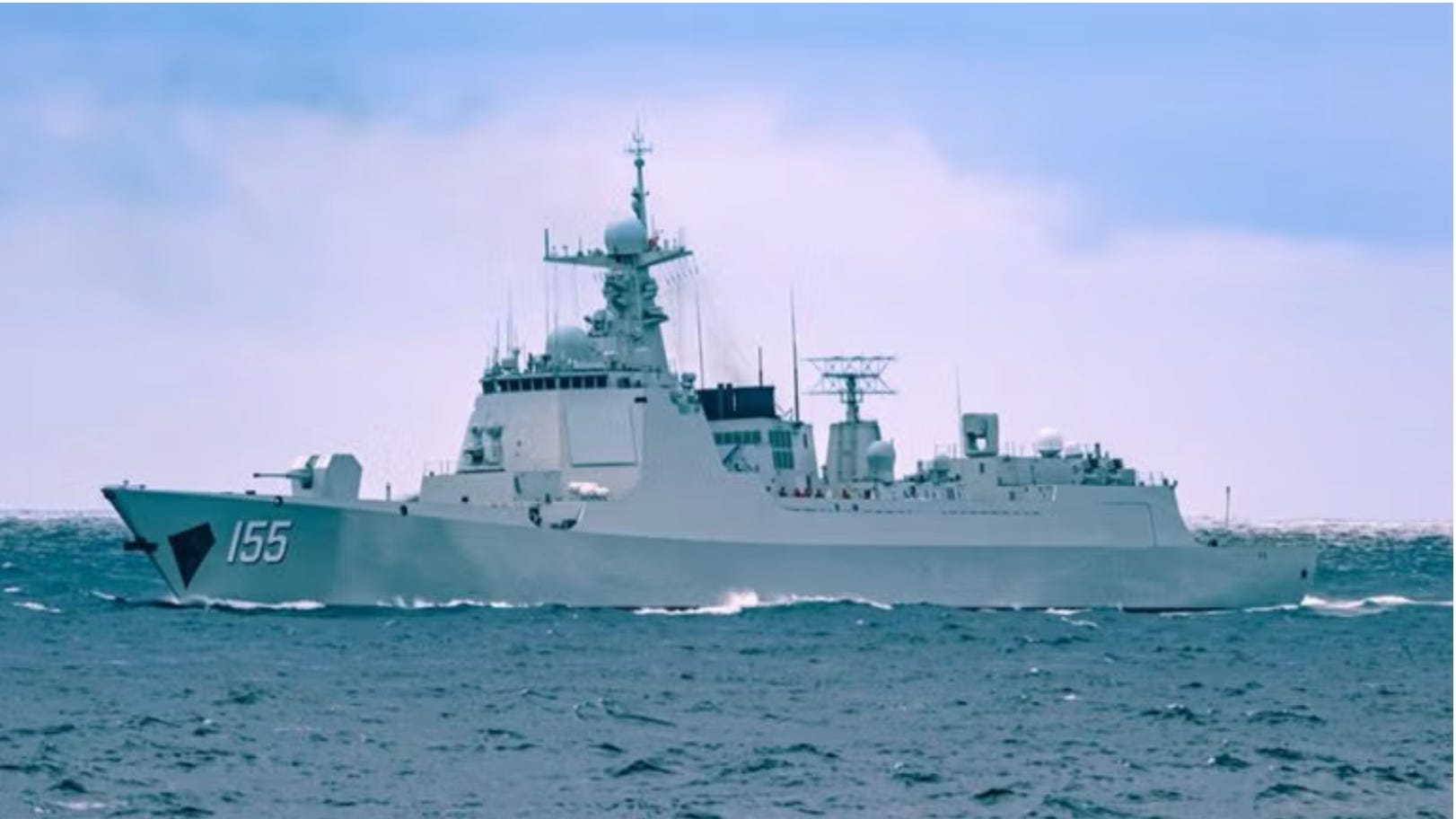
The exercises, running until May 8, involve at least 17,000 troops and are among the most complex to date. Japan is sending about 1,400 combat troops as well as warships, aircraft and Type 88 surface-to-ship missiles, while China warned against military cooperation that undermines trust, disrupts regional peace and stability, or targets third parties.
The parallel moves underline how military signalling around Japan, the Philippines and the Taiwan Strait is tightening as regional actors expand exercises and patrols.
Sources: FT, Reuters

The Trump administration began accepting claims on Monday to return more than $166 billion in tariffs that were struck down earlier this year, opening a refund process for importers that paid the duties. The money will be returned with interest, but the administration has indicated that companies may wait months to receive it.
The refunds offer relief to businesses that absorbed tariff costs or passed them on to customers, yet only the importer of record is eligible to apply. That means consumers who paid higher prices cannot seek direct repayment, and analysts say few firms are likely to rush to lower prices.
The process also begins amid continued uncertainty. Companies are still bracing for new tariffs, while the government has only just launched a new system to handle the claims. Even where refunds arrive, many businesses say they will not undo the damage already caused.
Sources: New York Times, Forbes
On this day …
On this day in 1509, Henry VIII became King of England following the death of his father, Henry VII. His reign would reshape the political and religious landscape of Britain and influence European power politics for generations.
Most notably, Henry’s decision to break with the Roman Catholic Church led to the establishment of the Church of England and permanently altered relations between monarchy, religion, and state authority.
The English Reformation strengthened royal control at home while contributing to wider religious conflict across Europe during a period already marked by profound transformation.
Did Henry VIII’s accession mark the beginning of England’s shift toward a distinctly independent political path in Europe?
Good Morning 🌅